

16 Herbs You Can Grow Throughout The Winter
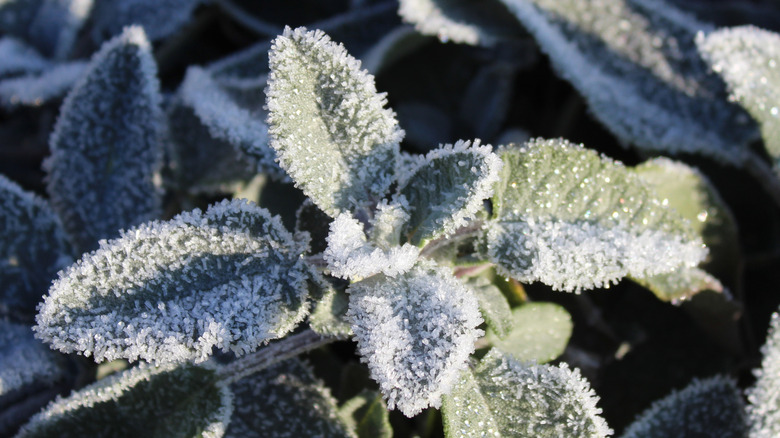
Herbs occupy a fascinating space between wild plants and cultivated crops. Unlike fruits and vegetables, which are selectively bred for size, sweetness, and docility, herbs have stayed closer to their wild ancestors. We often use their most potent parts, the leaves and stems, which are packed with volatile oils designed to fend off pests, heal wounds, or lure pollinators to the plant. Those same chemical defenses are what make them taste herbaceous, strong, and flavorful. Because they're less domesticated, many herbs are also sturdier than both decorative and food plants, able to even survive the harshness of winter.
With many herbs, you can plant them in the ground, and they'll grow year after year, despite rough winters or neglectful watering. If you look at them closely, many look like tiny, fortified trees, bark and all. Sage, thyme, and mint shrug off frost; rosemary and bay laurel bask through mild winters. Dill makes up for a short lifespan with a prolific self-seeding ability. In the coldest regions, you can keep herbs going by moving pots into a mudroom or greenhouse, or anywhere they can catch light and stay above freezing.
Botanically, herbs are the ancient stalwarts of the modern kitchen garden. Many culinary herbs also have qualities essential to human health that other foods don't. Bitterness in plants like sage and parsley signals compounds that stimulate digestion and bile flow. Oregano's essential oils act as natural antimicrobials, and cilantro is a powerful chelator, aiding the body's detox pathways. These effects are subtle in the small amounts we eat, but they're part of why herbs have been gathered, grown, and eaten by humans for many thousands of years. If you're looking to grow herbs all year long, here are 16 varieties that may just survive the winter.
Thyme
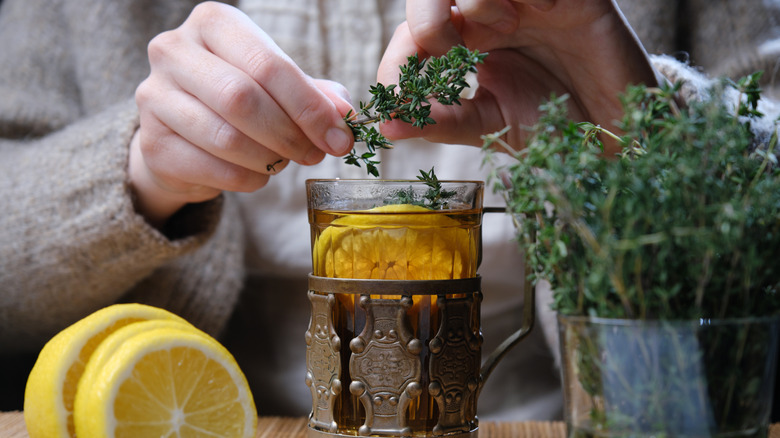
Thyme is one of the oldest culinary herbs, used since antiquity in Mediterranean cuisines. A perennial evergreen herb that tolerates frost and snow well, it is reliably hardy in zones 5 to 9. Its aroma is warm, slightly minty, and peppery. In the Middle Ages, it was believed to help keep the plague away. Today, you can use fresh sprigs to flavor stews and rubs for roasted meats. It can also be made into a tea with lemon and honey to soothe coughs.
Sage
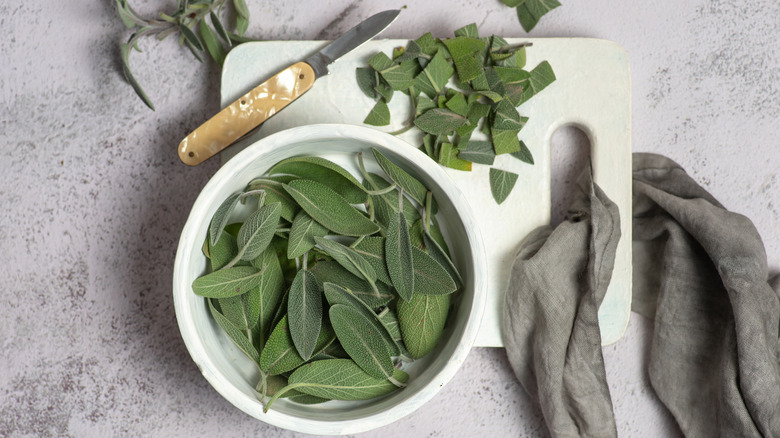
Sage is a woody perennial with silvery-green leaves and has been valued in herbal traditions for centuries. Hardy through zones 4 to 10, mature plants can survive mild freezes. The flavor is earthy and slightly piney, with a bitter-savory edge. It's the grounding complexity of brown butter sauces, and it combines well with sausage and roasted squash. Trim the stems a few inches in spring to encourage new growth, and mulch around the base before winter.
Chives
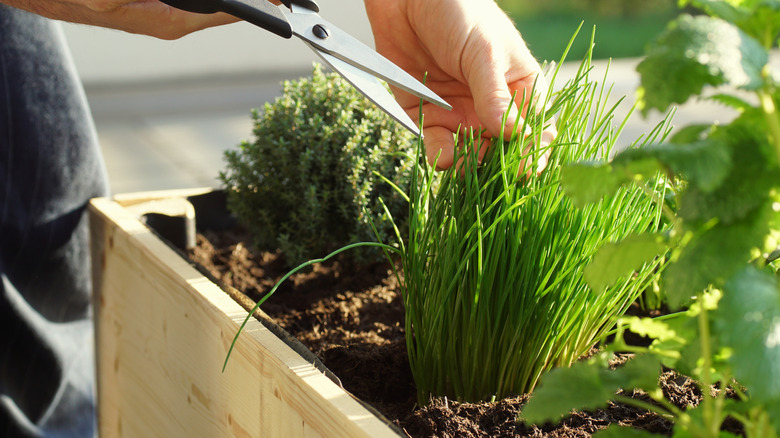
Chives are miniature onion relatives that are hardy to cold in zones 3 to 9. Fresh snips are delicious in cream cheese or flavor-packed compound butter, and they are an essential decoration on French omelettes and deviled eggs. In professional kitchens, perfect chive-chopping prowess is widely considered a universal indicator of well-honed knife skills. In mild winter zones, chive clumps can stay semi-green through winter. In colder areas, move pots to a cool mudroom and uncover on sunny days.
Oregano
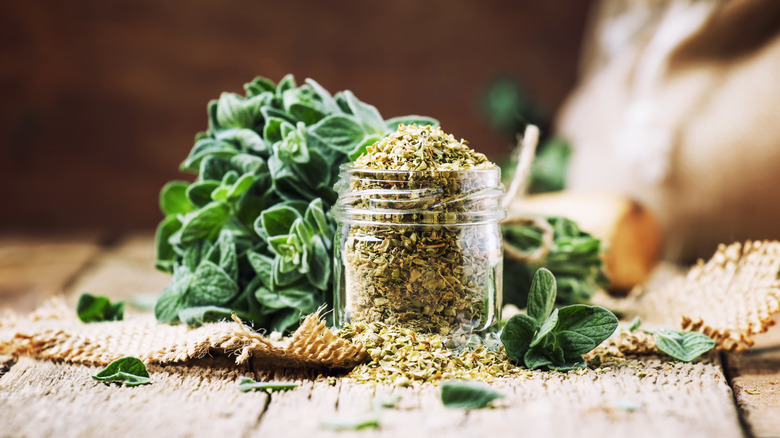
Oregano is a beloved staple in Mediterranean cooking that thrives as a hardy perennial in zones 5 to 9. Its leaves are rich with carvacrol and thymol, giving a robust, earthy spiciness essential to Italian tomato sauces and Greek roasted potatoes and meats. It can also be planted to keep certain bugs away, since they don't like its strong smell. During winter, protect its base with a light mulch; harvested sprigs dry beautifully and retain flavor well.
Parsley
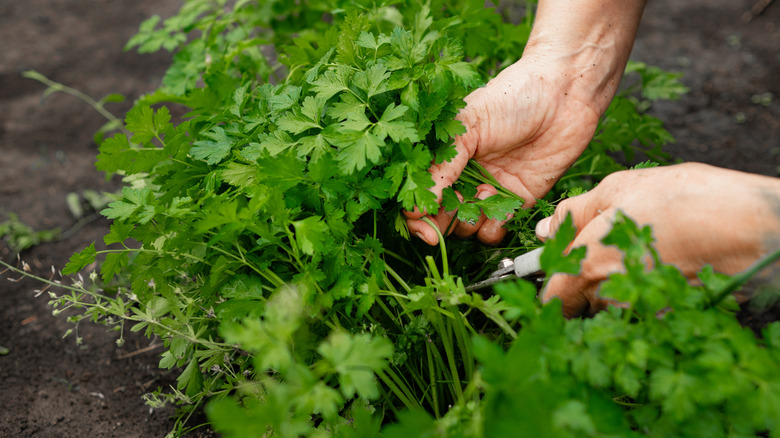
Hardy through zones 3 to 9, parsley can overwinter outdoors where winters are mild or under mulch in cooler areas. A biennial plant, it spends its first year producing fragrant, vitamin-rich foliage and the second sending up seeds. It tastes mineral and grassy and is perfect combined with mint in tabbouleh, with cilantro in chimichurri, or minced and sprinkled over pretty much any roasted meat or vegetable. You can also grab a sprig to chew if you're beset with halitosis.
Mint
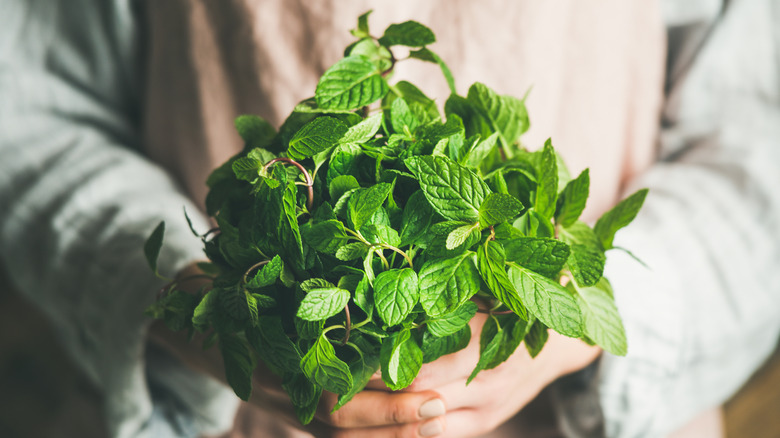
Mint can survive nearly anything, short of a deep arctic freeze. Most varieties are perennial through zones 3 to 9. It spreads fast and easily and can choke out more delicate garden tenants, so contain it in pots unless you want a yard full of refreshing mojito garnish. It comes in a rainbow of flavors (not unlike chocolate) and can be used in teas, tabbouleh, and fruit salads. Trim stems often; winter growth may yellow, but roots will reawaken with spring warmth.
Rosemary
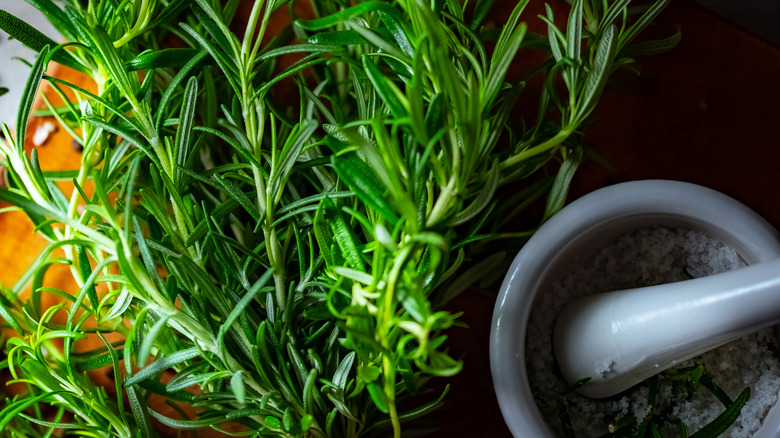
Rosemary is a Mediterranean native that thrives in similar mild climates, hardy only in the fairly limited zones 8 to 10. Some varieties are more or less versatile, and cold protection like mulching or cloches can extend the durability. The uniquely resinous, piney aroma makes it the perfect counterpart to the sweet cream of mashed potatoes and the backbone of many roast chicken rubs. In cooler zones, overwinter potted rosemary indoors near a sunny window.
Tarragon
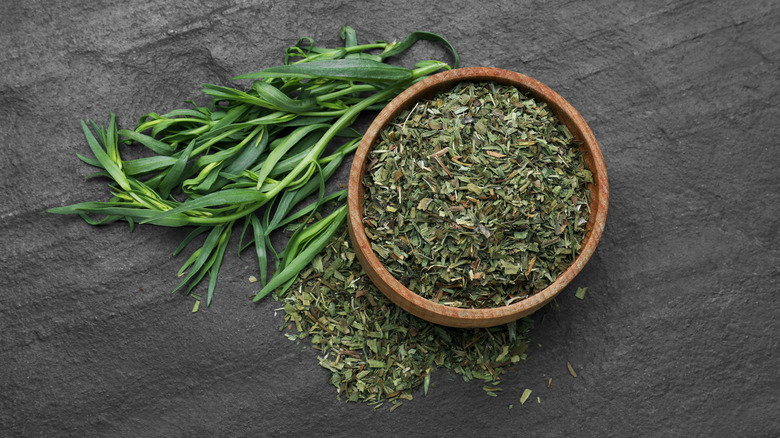
French tarragon, prized for its faint anise aroma, is a hardy perennial through zones 5 to 9. The flavor is delicate, like licorice crossed with freshly mowed grass, perfect for a gentle, rich béarnaise sauce or a classic chicken salad. It also brings a delicate perfume to white fish recipes, especially when combined with white wine, cream, and butter. In winter, cut back woody stems and mulch lightly; roots will push new shoots when the soil warms.
Loveage
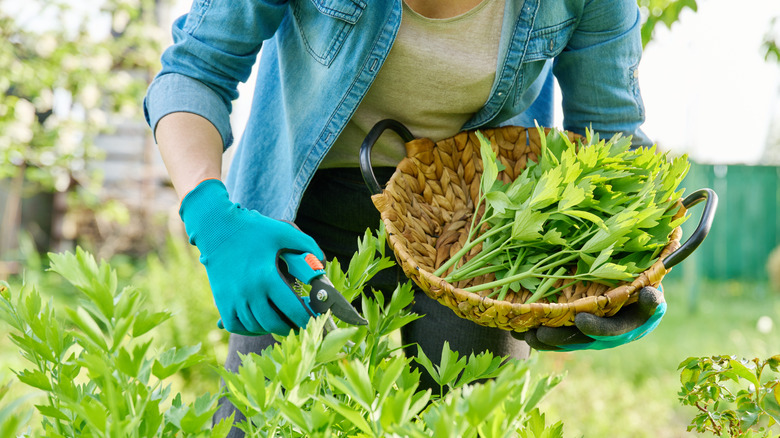
Lovage is a big, strong-tasting old-world herb that tastes like celery's cool, complex, older cousin. Hardy through zones 4 to 8, medieval cooks used it in salads and stews. The hollow stalks of lovage can be used as straws for Bloody Marys; the leaves can be eaten raw or used to perfume meat, fish, or broth. In winter, some of the tops may die back, but the plant pops back in spring. Mulching and cutting dead stems before winter also helps.
Chervil
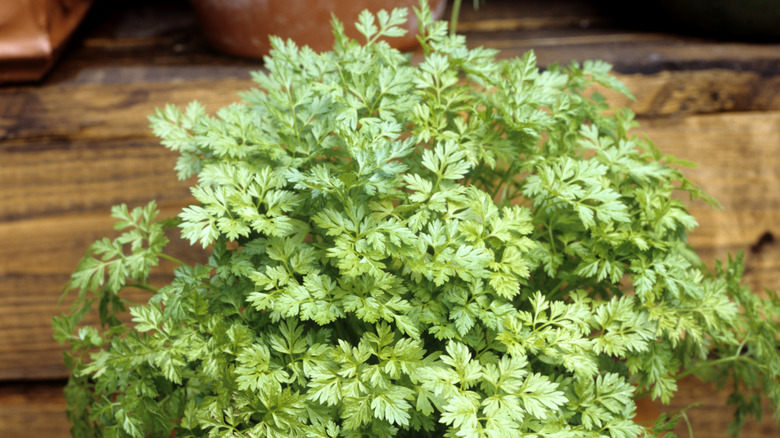
Chervil is a gentle, lace-leafed relative of parsley with the subtle sweetness of anise. Easygoing and hardy in zones 7 to 10, it's one of Escoffier's uber-important fines herbes, along with parsley, tarragon, and chives. It prefers cool, shadier corners of the garden and is ideal for overwintering in mild regions. The flavor wilts with exposure to heat, so add it at the end of cooking to soups, omelets, or light cream sauces.
Cilantro
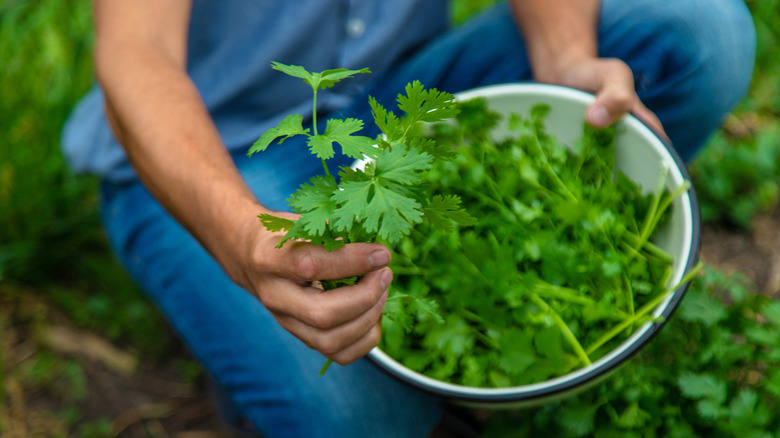
Cilantro loves cool weather but not frost, growing and producing year-round in warmer, limited zones 8 to 11. Because it bolts quickly in heat, it's best to plant early in warmer climates. Its bright, citrusy-floral leaves are crucial for grounding the strong flavors of tacos and curries. You can plant successions every few weeks for a steady supply and let a few go to seed for coriander spice. It's America's favorite herb but also its most contentious.
Dill
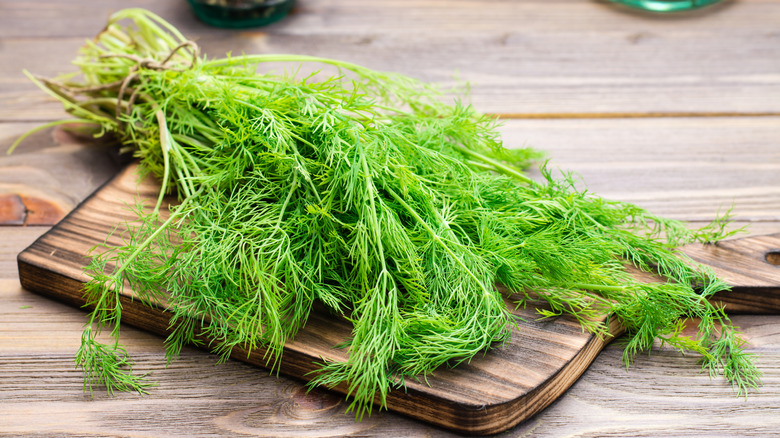
Dill, best friend of pickles, is generally a short-lived annual, but in the limited frost-free zones 8 to 10, it acts as a perennial because it will continuously drop seeds and regrow. Its abundant, feathery leaves are essential to the flavor profile of Eastern European gravlax and borscht and are also an unsung hero of Middle Eastern cuisine, used liberally in salads, yogurt, and rice dishes. In mild-winter climes, allow a few flower heads to dry and fall, and it will replant itself.
Winter savory
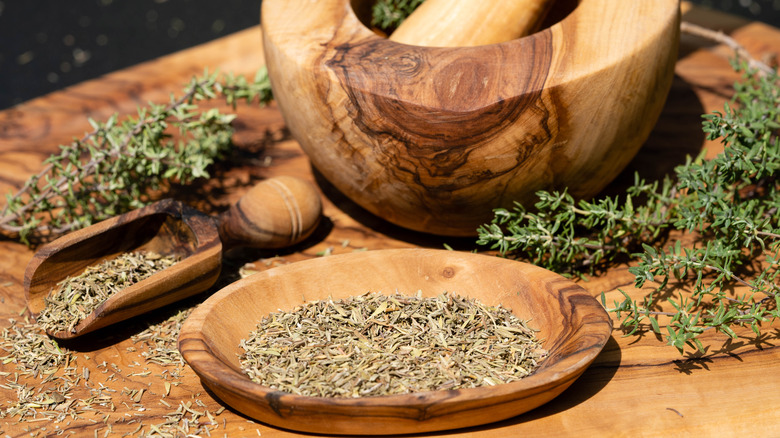
This one's right in the name! Winter savory is thyme's peppery cousin, generally cold hardy in limited zones 6 to 9, though some say 6 to 11. A low, woody shrub, it was sometimes used as a substitute for peppercorn. The taste is sharp and slightly resinous. It should always be cooked, because it's too strong to eat raw. Snip the sprigs for roasted root vegetables and meat, or steep in olive oil for a spicy infusion.
Bay laurel
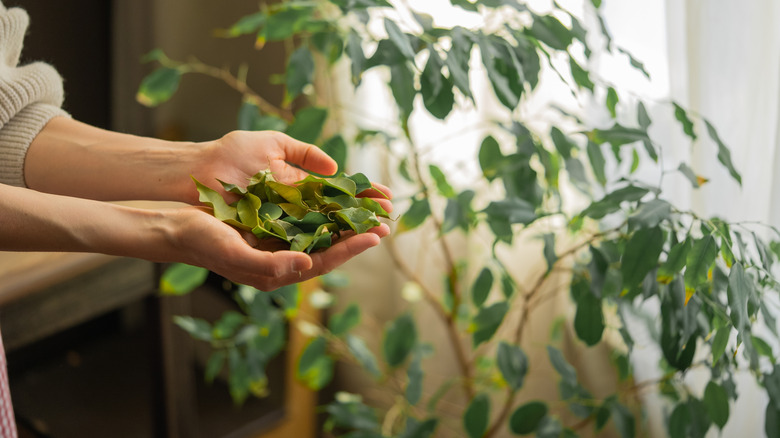
In ancient Greece, victors were crowned with the evergreen leaves of bay laurel. Today, they give a certain je ne sais quoi to most soups and stews, releasing a subtle camphor aroma that pulls all the other flavors together. The bay laurel tree is cold hardy in limited zones 8 to 10. Indoors, it adapts well to containers and grows slowly but steadily. Older, darker leaves are most fragrant and can also be strategically placed to discourage pantry pests and wool moths.
Sumac
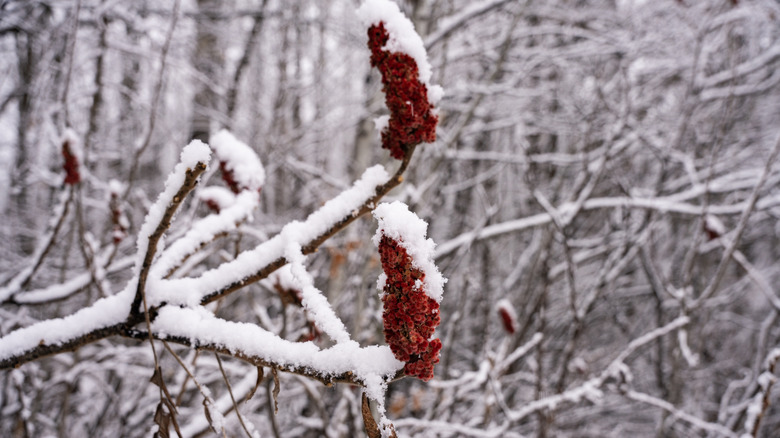
Native to North America and the Mediterranean, sumac thrives in poor soil and sun and is hardy through zones 3 to 9. The crimson inflorescence looks strange and tastes tart and a little wild. Dry the drupes (the fuzzy red berry-flower formation), then sprinkle them on meat, hummus, pilaf, or even fruit salad. If you're foraging wild, be sure of your identification, because there is a poison sumac, although the berries look pretty different and turn off-white during autumn.
Anise hyssop
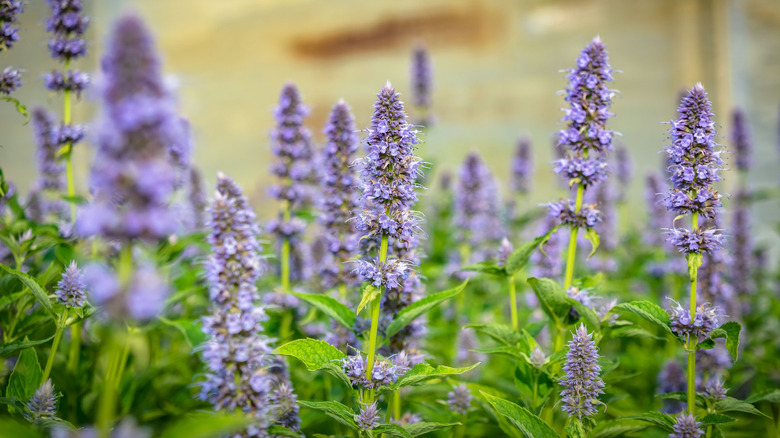
Anise hyssop, another native to North America, tastes somewhere between mint, basil, and anise. Hardy in zones 3 to 8, its purple blooms attract pollinators and human admirers alike. The leaves can be made into tea or infused in honey and used to soothe sore throats. It can also be combined with sumac for an unusual, herbaceous Tajín-like fruit sprinkle. The roots will stay alive underground in mild cold weather, helped by mulching, and the dry seed heads will feed the songbirds when pickings are slim.