

10 Chef-Approved Uses For Pink Peppercorn
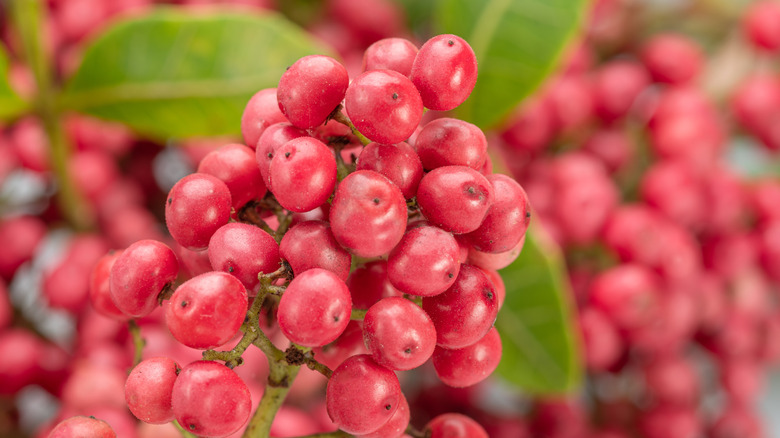
Black peppercorns take center stage. They're the most popular type of peppercorn for a reason — complex and aromatic, with a sharp-yet-mild spiciness, they can be found in almost every household across the United States and beyond. But did you know there are actually many different types of peppercorns? My personal favorite, after the classic black variety, isn't really a peppercorn at all. Pink peppercorns are actually berries masquerading as peppercorns, but they share the name because of their similar appearance and mild heat. In fact, they are more closely related to cashews – but let's not blow their cover. You can use them just as you would other peppercorns, although their flavor profile is slightly different.
As a recipe designer and chef, I like to mix things up and cook with unique ingredients. If you can relate, it's time to explore the different chef-approved uses for pink peppercorns. They're citrusy, fruity, floral, piney, and sweet, so they fit right in with both savory and sweet dishes. They encourage you to think outside the box and experiment with spice in a way that might seem daring. Plus, as the name indicates, these little dried berries are bright pink and have a pleasing crunch, making them a fantastic way to add texture and boost the aesthetics of your dish without overpowering it. Now, let's spice things up.
Dress up your ice cream sundae
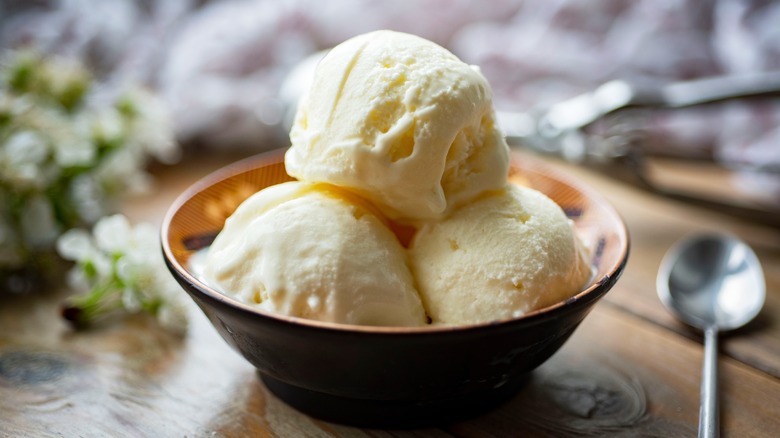
While you could drizzle your ice cream sundae with hot fudge, add a dollop of whipped cream, and place a maraschino cherry on top, you only live once — dessert should be decadent and exciting. If you're feeling adventurous, consider experimenting with unique toppings to upgrade your ice cream sundae. Personally, I suggest giving pink peppercorns a try.
When garnishing an ice cream sundae, there are two main goals — enhance the flavor and make it look incredible. Pink peppercorns check both of those boxes. With their citrusy and subtly sweet notes, they're the perfect match for vanilla, chocolate, and nut- or fruit-based ice cream flavors. The gentle heat contrasts wonderfully with the frozen dessert, and the crunch delivers a diversity of texture. Although pink peppercorns can be easily crushed, consider leaving them whole for the visual appeal. You can sprinkle them right on top of your sundae after all the other sauces and toppings have been added. Again, pink peppercorns pair nicely with classic additions like fresh fruit, chocolate sauce, sprinkles, whipped cream, and nuts. However, if you want to take a walk on the wild side, try some more exciting combinations by adding a little extra virgin olive oil, candied citrus peel, or even hot honey.
Add a pop of flavor to seafood
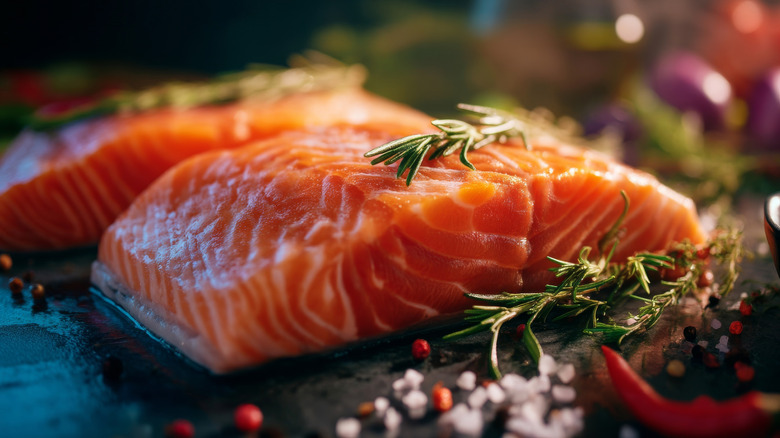
Seafood famously pairs well with citrus, especially lemon. This is because citrus helps to neutralize fishy flavors while balancing out the briny notes. Fish — particularly white fish — is often considered a light food, which is why we typically pair it with dry white wines and tangy ingredients, rather than rich and heavy ingredients. Black pepper and citrus work well together, but the combo can be a bit overpowering for fish like haddock, halibut, or tilapia. Pink peppercorns, however, deliver a subtle, citrusy heat that matches the tone of the dish.
Blending right into the lemony notes and delivering just enough heat to awaken your taste buds, these mock "peppercorns" are just what your white fish needs. It's a superb way to add spice to fish dishes without overpowering them. Plus, the crushed peppercorns are a beautiful garnish, especially when they contrast with freshly minced green herbs and slices of lemon. So, right before you serve your fish, hand-crush some pink peppercorns and sprinkle them over the top of the dish or stir them into your sauce for added flavor.
Sprinkle them over a charcuterie board
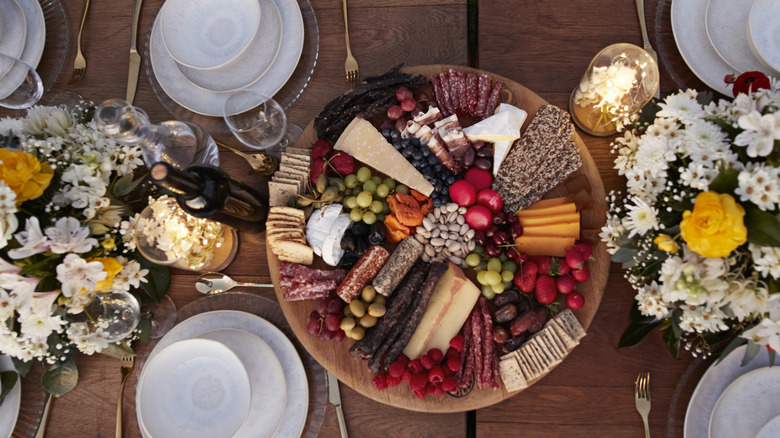
Charcuterie boards are 80% aesthetic, and 20% adult snacking board. While nothing's better than demolishing a charcuterie board before dinner, building one is half the fun. You could easily throw some presliced cheese, few slices of salami, and a handful of grapes onto a wooden cutting board and call it a day. But aren't edible flowers, pickled radishes, and a ramekin of mincemeat going to make a more lasting impression? Pink peppercorns are an underrated ingredient when it comes to upgrading a charcuterie board, whether you're chucking together a basic snack selection or curating a top-tier gourmet spread.
Obviously, these little bright pink peppercorns are beautiful. They can be presented in a small dish, crushed over a sauce or spread, or sprinkled over meat, cheese, or fruit. This is where you get to let your culinary creativity and artistic skill shine. Pink peppercorns help tie spicy meats together with tangy fruits. It's the bridge you didn't know you needed to create cohesion on that loaded charcuterie board. Luckily, pink peppercorns tend to pair well with most charcuterie items, and although they are fairly unique and complex, they are also mellow and forgiving. And remember, just because you're using pink peppercorns, it doesn't mean you should omit any other herbs and spices.
Subtly enhance your stew recipes
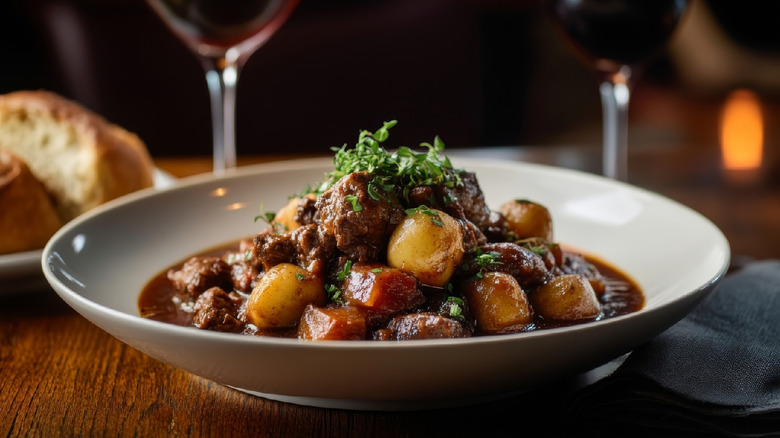
Mmm. Stew season. I can't wait for the first leaf to turn red, the first crisp autumn morning, and the first sign of frost. Although it's tough to say goodbye to summer up here in New England, fall is breathtakingly beautiful. Beyond the bright leaves and heavenly aroma of apples and pumpkin spice, fall means that it's time to start making stews. Classic beef stew has a deep, rich flavor that delivers instant comfort. There is a basic formula, although it seems that most folks use secret ingredients that have been passed down for generations. Just because Great Aunt Mildred used ground mushroom powder to boost the umami notes doesn't mean you can't make your own special tweaks before passing the recipe on. Consider including pink peppercorns in your beef stew, either crushed into the pot or used as a garnish.
Pink peppercorns will add more flavor to your beef stew. Often, soups and stews are missing an important element — acidity. Acidity is essential for a rounded mouthfeel, so citrus juice, wine, or vinegar can help, even if they mostly cook off. The pink peppercorns will help enhance those flavors, bringing them out of hiding and ensuring they aren't forgotten. I crush the peppercorns and use them to garnish my beef stew, along with a drizzle of extra virgin olive oil and freshly minced herbs.
Add them to light pasta dishes
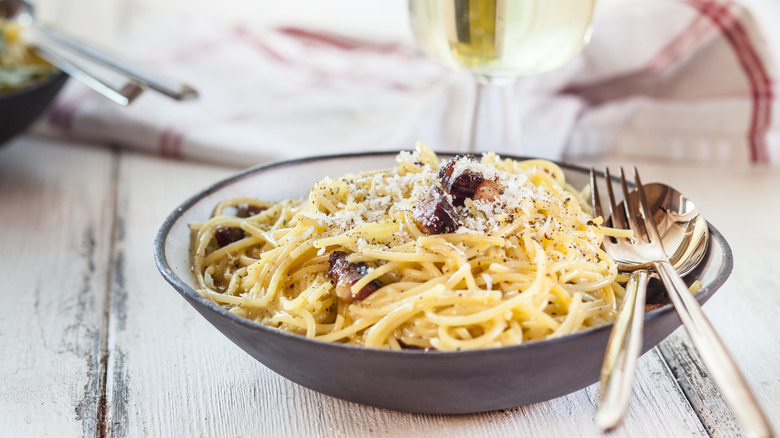
Recently, I've been going wild making white wine pasta. There are endless recipe variations and secret ingredients you can use to enhance white wine pasta sauce. Have you ever considered whisking in a drizzle of tahini to create a richer mouthfeel? What about using miso or nutritional yeast to boost the umami notes? Even a little caper juice can add a briny element that works very well with the creamy butter. Pink peppercorns should also be considered for any dish made with white wine, because both boast citrusy undertones and floral finishes. The only difference is that pink peppercorns carry a subtle heat, and, of course, come in a different form.
I typically use heaps of black pepper in my white wine pasta, or at least a little sprinkle of red pepper flakes. The goal when making white wine pasta, a lighter dish, is not to overpower the sauce and overwhelm the palate but to make subtle improvements that elevate the final meal. A small amount of heat works beautifully, which is why I garnish my pasta with a dash of warming pink peppercorns, even if I've included other spicy ingredients. Not only do they deliver a whimsical aesthetic, but they also improve the texture and increase the flavor complexity. It's a wonderful ingredient for adding a gourmet flair to a weeknight dinner or impressing a date with your creativity.
Give your salads some extra crunch
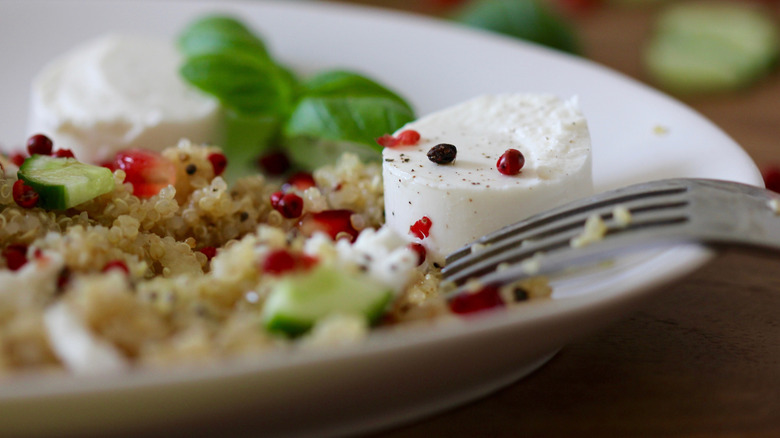
There's a reason many folks don't like salads. They're usually imagining "rabbit food" — an uninspiring combination of iceberg lettuce, cherry tomatoes, shredded carrots, and sliced red onion, drizzled with cheap, pre-bottled dressing that tastes like either syrup or mayonnaise. I wouldn't look forward to a salad either if that was my fate. Salad should sing, stun, and wow! Next time, try making a salad with massaged kale, spicy arugula, and spicy spring mix. Add roasted fruits and pickled vegetables, toasted nuts, and air-fried chickpeas. Ditch the pre-shredded cheddar and spring for some funky gorgonzola or tangy goat cheese. The bowl should be heavy when you're done with it. Lastly, you absolutely must make your own salad dressing, and focus on creating a diversity of texture.
To create texture without going overboard on the croutons, consider using nuts, seeds, and pink peppercorns. Personally, I like to use pink peppercorns in a salad with citrus components, pine nuts, and fresh herbs. All of these ingredients work together to create a bright, summery flavor. However, pink peppercorns can also accompany fall-inspired salads, such as rubbed kale with pomegranate and roasted root vegetables, and salads with creamy or sweet dressings. In my experience, pink peppercorns never ruin a salad, so experiment freely. If you want to make a beautiful dressing, consider crushing them up and mixing them into your homemade vinaigrette for a subtle yet sophisticated aesthetic.
Make a pink peppercorn syrup to add to wine

We've talked quite a bit about using pink peppercorns as a garnish. While their beauty and texture can enhance the look and mouthfeel of a dish, there is so much more that you can do with these little dried berries. Have you ever heard of pink peppercorn syrup? If you haven't, this unique ingredient is perfect for spicing up your wine.
Syrups are actually quite simple to make. For a pink peppercorn syrup, just add the dried berries to a pot of equal parts sugar and water, bring everything to a boil, and then reduce the heat and simmer until the mixture reduces and thickens. Strain the berries out, and now you have a citrusy, spicy syrup to add to your wine to deliver some extra warmth and boost the sweetness. It works especially well with rosé, but you can also use it in cocktails and mocktails, and it pairs superbly with fresh herbs, like rosemary or lavender. You can also use this homemade syrup in place of honey, pouring it over ice cream, adding it to tea, or drizzling it over almond butter and toast.
Use them in your holiday baking recipes
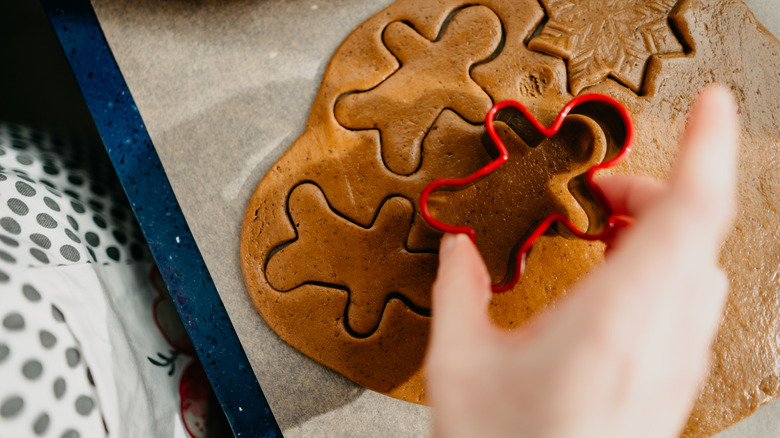
Some cultures use warming spices in their food all year round. Chili powder, cardamom, cinnamon, nutmeg, ginger, cumin...the list goes on. But in typical American cuisine, these spices tend to take a back seat until the fall and winter seasons. Around the holidays, we use the "sweet" warming spices in our baked goods, like gingerbread, sweet potato muffins, and pumpkin pie. Pink peppercorns are often overlooked, but they're perfect for elevating your holiday baking and pair beautifully with classic pumpkin spice mixes. Ginger and pink peppercorns are a particularly effective combo, as they carry similar citrus and spice notes, and elevate each other's unique flavor profiles.
One of my favorite uses for pumpkin spice is in pancakes. Why not bring dessert to the breakfast table? Mix fresh pumpkin and pumpkin spice right into the batter, and top the pancakes with a lick of cream cheese, maple syrup, and pink peppercorns. Better yet, use crushed pink peppercorns on top of your apple cider donuts, or mix some into your gingersnap cookie dough. Not only will the crushed pink berries add a pop of color, but the warming and flavorful spice will fit right into the holiday season theme.
Elevate your next dry rub
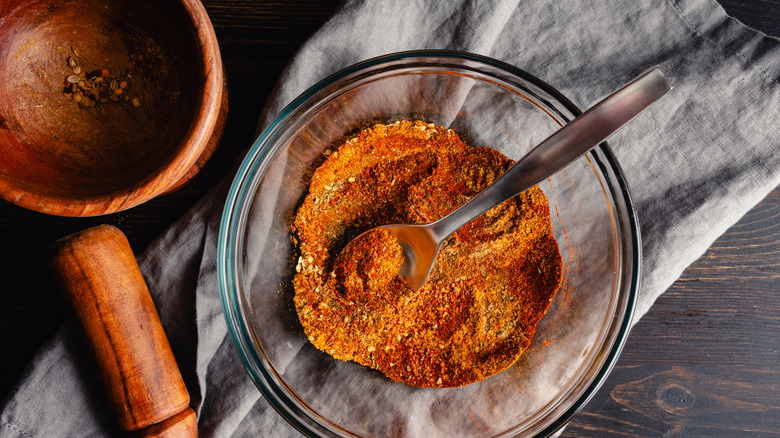
Store-bought dry rubs can be flavorful and delicious, but they can also be a bit hit or miss. If you make your own rub at home, you have much more control over creating a combination of flavors that fits your particular palate. It's important to create balance by using sweet components, warming spices, salt, and umami if possible. Sometimes citric acid is added to store-bought rubs to deliver a tangy citrus flavor, but you can use pink peppercorns instead for subtle lemony notes. They will help tie the spicy and sweet ingredients together, add a beautiful crunch, and ultimately improve your dry rub recipe.
Your dry rub should also work with the particular food you're using it on. Are you creating it for meaty vegetables, gamey meats, grilled fruits, or fresh seafood? You're in luck, because pink peppercorns can dance with each and every one of those categories — the tricky part is finding appropriate supporting flavors to fill the gaps. Essentially, you can't go wrong with a dash of pink peppercorns, or even a handful, no matter what you're planning to grill.
Add pink peppercorns to chocolate desserts
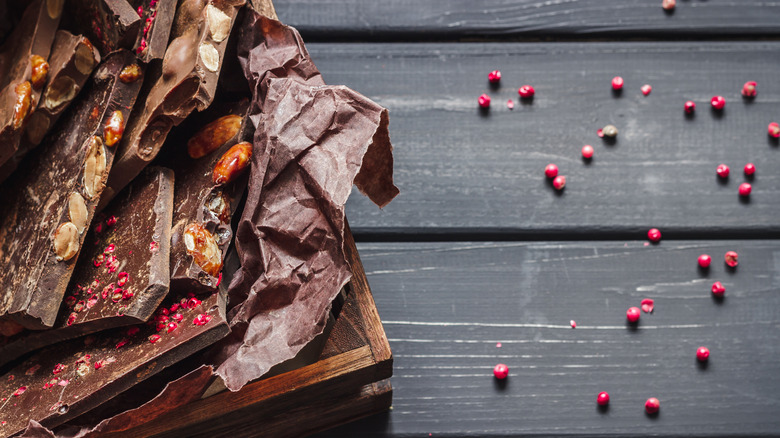
Pepper and dessert don't often go together, but even black pepper finds its way into brownie batter every now and again. And don't forget, we are working with dried berries here, which technically aren't true peppercorns. Pink peppercorns are a spice that you should definitely pair with chocolate. Chocolate comes in various forms and flavors, but luckily, pink peppercorns work just as well with white chocolate as they do with intense dark chocolate.
Pink peppercorns are extremely effective in sugary dishes because they're berries, and their delicate, floral notes form a fresh, botanical profile when matched with naturally sweet ingredients and woody spices. The almost undetectable heat is the ideal addition to smoky cocoa, and pink peppercorns are a welcome change from the usual cinnamon or chili powder. Just think of them as a fruitier, milder spice that can give your chocolate a kick. You can also use them to garnish your chocolate desserts for a pop of color and a pleasing, flavorful crunch.