

10 Tips That Will Make Your Kitchen Appliances Last Way Longer
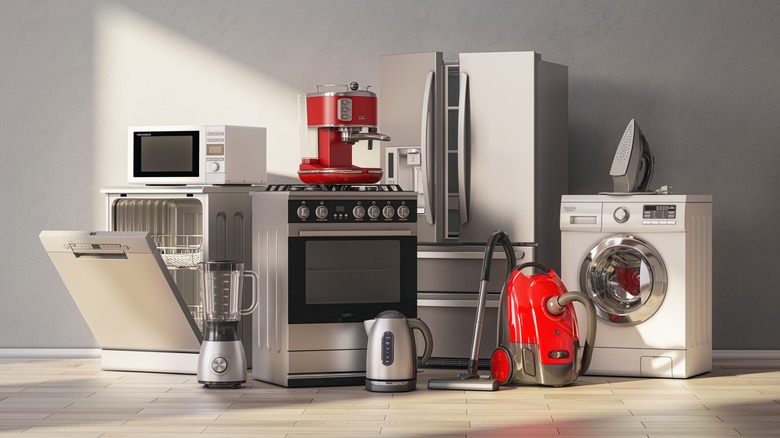
Back in the day, kitchen equipment was seen as a long-term investment. People bought something, took the time to maintain it, spent money on repairs, and passed it down through generations. Today, you still have the option to buy high-quality kitchen appliances, but many folks prefer to spring for a shiny new device with the latest capabilities without considering its durability. Modern equipment often prioritizes convenience over longevity. Whether you're buying for the long haul or hopping on the latest kitchenware trend, maintenance is crucial if you want to get your money's worth from an appliance before passing it along or upgrading to a new model.
As the manager of a commercial kitchen for over six years, I've mastered the ins and outs of all kinds of machinery and learned many important lessons about maintaining appliances. Take materials, for instance. Plastic, stainless steel, and cast iron are vastly different from one another and require their own cleaning tools and chemicals. Scrub a plastic blender with steel wool, and you might scratch the surface, creating grooves where bacteria can hide and thrive. Soak a cast iron pan in soapy water, and eventually it will start to rust. So, whether you've spent hours of research before pulling the trigger on your latest kitchen purchase, or you're hoping to extend the life of an inherited culinary heirloom, I'm here to help you make your appliances last as long as possible so you can keep on cooking.
Read the instruction manual

Before you get hands-on with a new kitchen appliance, you'll want to take a look at that instruction manual. It may be one of the less enjoyable parts of cooking, but 30 minutes of reading might save you hundreds — if not thousands — of dollars in the long run. This crucial booklet will be your guide to using, troubleshooting, disassembling, cleaning, and reassembling your appliance. Just about everything you need to know about your gadget lies within those pages. At the very least, read the sections that cover first use, cleaning, and storage.
Uh-oh. You tossed out the manual months ago when you threw away the box! Don't panic. It's highly likely that everything you need to know can be found on the internet, and you can always contact the manufacturer to request another manual or a link to a PDF version. This is also a great opportunity to ask any questions you have about your appliance. That said, I strongly recommend storing all of your manuals together in a folder for quick and easy reference. Reading the manual will also help you avoid major mistakes that may damage your appliance. It's easier than you think to overload kitchen equipment beyond its capabilities or unintentionally ruin components through improper cleaning. Plus, many of my tips for getting kitchen appliances to last way longer require details that will almost certainly be found in the manual.
Let your appliances rest

Have you ever used your blender or food processor for an extended period and noticed the base getting warm? Sometimes there's even a faint smell. These types of appliances can actually get pretty hot, which is often a warning sign that the motor is starting to overheat. In some cases, the appliance may even stop working briefly.
These are strong indications that you should give your equipment a break. It's yelling at you to stop, and you should listen if you want to prevent irreversible damage to the motor. Unplug the appliance from the outlet and let it cool down before starting it back up. You can carefully check the base with your hand; once it feels close to room temperature, it should be ready to go again. Cooling may take a few minutes or up to an hour, but saving your appliance from irreparable damage will be worth the wait. However, if you're dealing with an appliance that's meant to get hot, like a toaster or an air fryer, then don't let a little heat hold you back...just watch your fingers and keep on cooking.
Unplug appliances when they're not in use
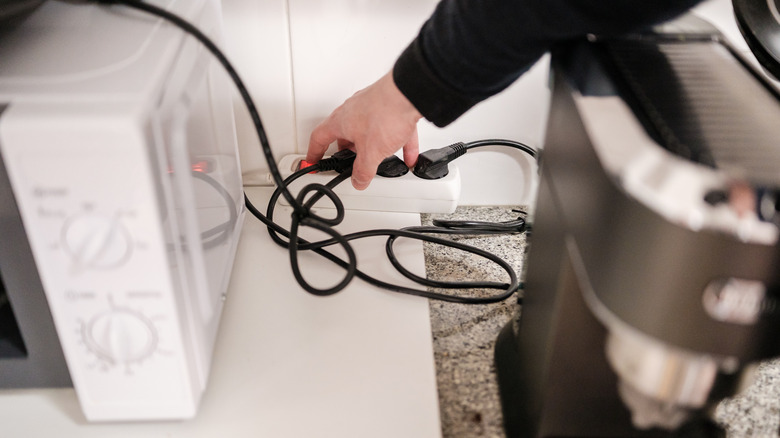
There are many reasons to get into the habit of unplugging your kitchen appliances after each use. For starters, it can encourage you to stow smaller appliances away from your countertop, which helps with keeping everything clean and tidy. It also makes your appliances safer to clean with liquids, mitigating the risk of an electrical short that could harm you or your machine. Finally, unplugging equipment helps protect it from power surges.
Power surges occur when there is a brief uptick in electrical voltage. They typically only last for less than a second, but when the power intensity is higher than your electrical system can handle, it may damage or even destroy your machine. Power surges can be caused by lightning strikes but are far more likely to stem from issues with utility work, overloaded circuits, or recovery from a power outage. Even if your house is fitted with surge protection, the easiest way to avoid problems with your appliances is to unplug them and avoid using them during a lightning storm or if there are known issues with your electricity. It's also good practice to unplug machines to ensure they are fully turned off, especially if they have a heating mechanism that could result in a fire. There are some high-risk appliances that you should always unplug before leaving the house, but it's safest to just unplug anything that's not currently in use.
Wipe down your appliances regularly
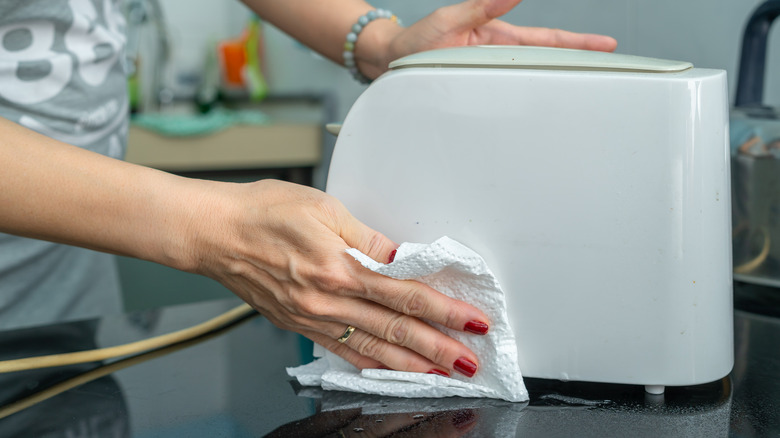
It's hard not to notice when someone's microwave is splattered with sauce or their blender base is coated in greasy dust. Why is it that we're so fastidious about wiping down our countertops and vacuuming the floors, but we ease up when it comes to daily-use items like toasters and stovetops? Not only should your appliances get a wipe-down after each use, but they should also get some extra attention when you're doing your end-of-the-night kitchen clean. Appliances that sit out on the counter or are built into the kitchen get covered in secondhand grime — usually a combination of oil, food debris, dust, and bacteria. Even if they look clean, it's safer to give your gadgets a quick wipe to remove invisible microbes.
For example, a great way to quickly clean stainless steel appliances without harsh chemicals is to spray them with water-diluted vinegar and wipe them down with a clean rag. The vinegar will kill some bacteria and leave your surfaces streak- and stink-free. Wiping down your appliances will also make them last longer and often help them function more effectively. No more gunky mechanisms, stuck shelving racks, or toasters filled with smoking crumbs. It's also a good opportunity to inspect appliances before their next use. Do you see any damaged seals? Joints that need lubrication? What was that rattling noise when you tilted it on its side? This way, you have time to resolve any issues before their next use.
Deep clean your appliances
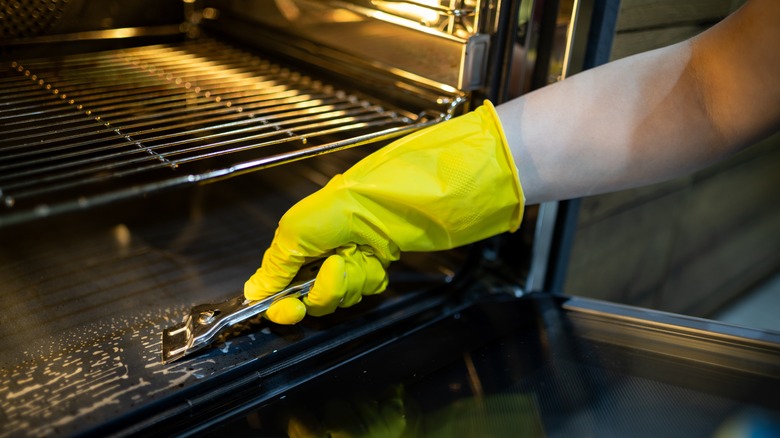
Beyond the recommended after-use wipe-down, it's extremely important to deep clean your kitchen appliances. There are few things more satisfying than making your oven spotless or seeing your stovetop gleam from across the room. That said, while your kitchen will look better, deep cleaning also helps appliances last longer. Some equipment, like pasta makers, needs to be thoroughly cleaned after every use. Others, like toasters, only require a deep clean every few months, depending on how often they're used. You can decide how regularly to schedule your deep cleans based on the type of appliance, what it comes in contact with, and how fast it gets dirty. Bear in mind that some machines are more delicate than others, and over-cleaning may cause damage. The instruction manual is the best place to look for guidance; however, you may just need to follow your gut.
If your machine is rusting, the gears are sticking, or knobs aren't turning, not only is there a higher chance of damage, but you could also have a safety issue on your hands. So, roll up those sleeves and let's get stuck in. Deep cleaning might include replacing or washing filters, descaling coffee makers, scrubbing and buffing surfaces, and chipping away at buildup. You can remove knobs and shelving to access those hard-to-reach areas and use toothpicks to scrape the gunk from crevices. Get on your hands and knees if you must. Hopefully, routine cleaning should mean you won't have to use too much elbow grease, but we've all been there.
Store kitchen equipment properly
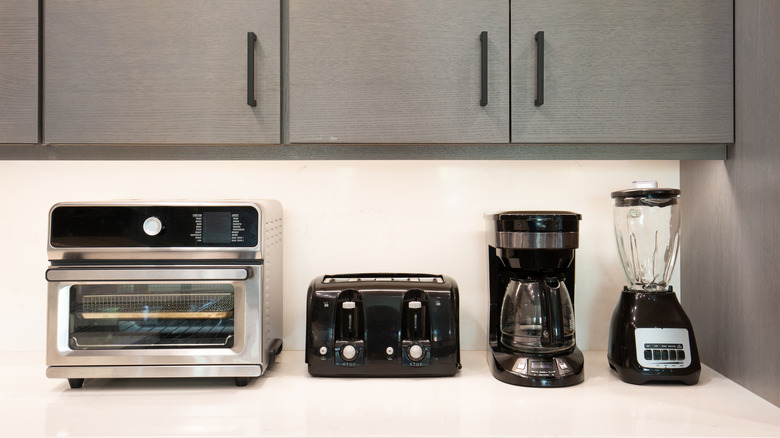
Although some of your appliances, like refrigerators, microwaves, ovens, and dishwashers, need to stay in their designated spots, smaller machines can be moved around with ease. Portable appliances shouldn't live on your countertop unless they are being used daily — if you have the cabinet space, it's better to store them behind closed doors. Not only will this preserve the neat aesthetic of your sparkling kitchen, but it also creates more surface space for cooking and helps keep them clean so they last longer.
When left out on the counter, appliances tend to be exposed to direct sunlight, heat from other appliances, and various spills. They're also more likely to get damaged from being tipped over or knocked into. The safest place to keep appliances is in a kitchen cabinet. If possible, stow bulkier appliances low down, so you don't risk injury by having to lift them above your shoulders. To store appliances in a smaller kitchen, you might need to get creative — you may want to invest in an extra storage rack or install some pull-down shelves. If you must keep something on the countertop, consider covering it when it's not in use, and remember to wash it regularly.
Perform routine maintenance on your kitchen appliances
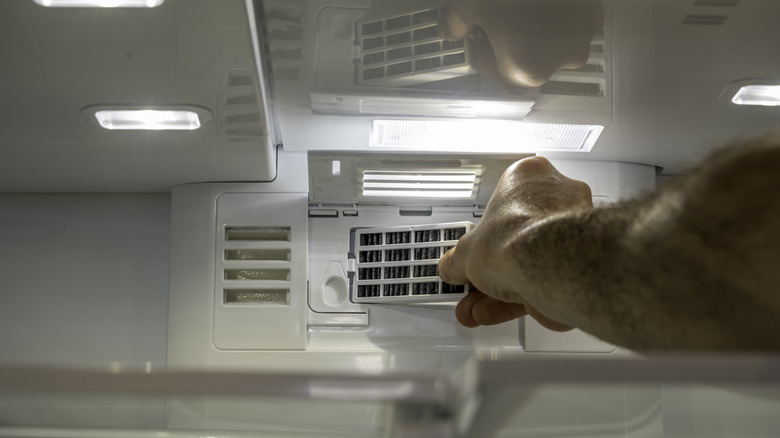
Most modern appliances appear to be pretty simple — just set it, forget it, and use it when necessary. Unfortunately, many require a bit more effort than that. You should learn what kind of maintenance is required while researching a purchase, but you can also check the user manual once you get home. Most maintenance tasks aren't the sort of thing you'll need a specialist technician for, but staying on top of them can still be a burden. Perhaps a part needs lubrication after every third use. You might be required to change a filter every six months or replace a rubber seal every few years. You get the picture.
To help your kitchen appliances last longer, you'll need to stay on top of any routine maintenance. Instead of trying to keep all of those tasks and timeframes in your head, I suggest setting recurring events in your digital calendar. You'll never have to think about it again... until the notification pops up. Complete the task and go back to not worrying about it. If something needs maintenance after a set number of uses, then do a little mental math. For example, if you use it on average three times a month and it needs lubrication after every third use, then set a monthly reminder. We have enough day-to-day responsibilities that it's unreasonable for anyone to be expected to remember to change their refrigerator's water filter every six months. With the right system in place, it's much easier to keep your appliances in tip-top shape.
Don't overload your kitchen equipment
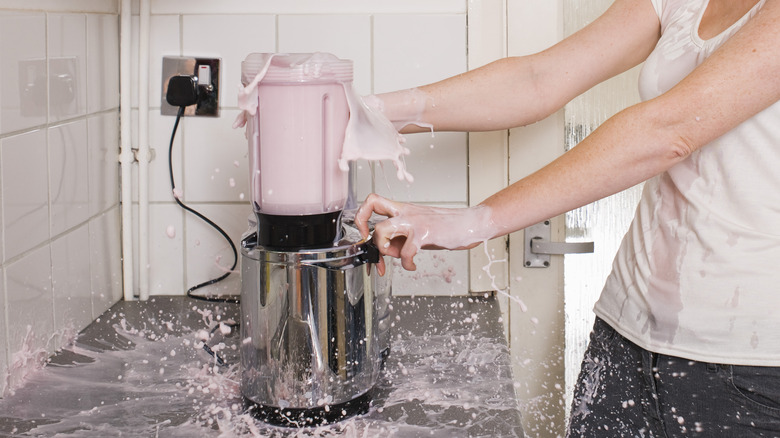
Even if you don't read the entire manual, many appliances have indicators that will help you use them correctly. Blenders, for instance, typically have a maximum fill line, and it's best to respect it. Ignoring this limit can overwork the motor and may cause the device to overflow. And, as you know, liquids and electronic appliances are never a good mix.
Food processors and coffee grinders don't like being overfilled either; essentially, any appliance with a motor can become overworked if stuffed with more ingredients than it's designed to handle. This is a common blender mistake that many of us have made, especially if you've ever tried serving smoothies to a crowd. Also, when using tough ingredients like frozen nuts, it's a smart idea to let them thaw first. If they crash around in the blender, they can scratch the plastic walls, leaving tiny grooves that may begin to trap and harbor bacteria. Hard items can also dull the blade. In conclusion, make sure you stay under the fill line, and try not to blitz anything too solid or sticky, unless your model is built for it.
Call a professional if something seems off
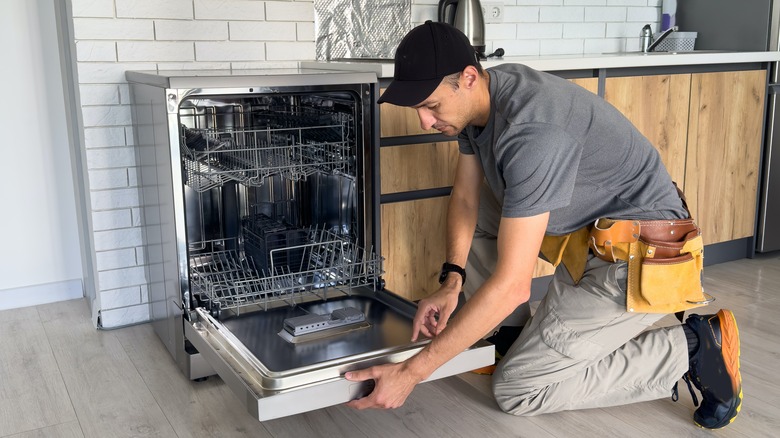
Have you ever been driving down the road, singing along to your favorite song, and then your car starts to make a funny noise? Shoot...time to turn up the tunes and sing a little louder. But let's be real — when has avoidance ever worked out for anyone? Well, the same thing applies to your kitchen equipment. Typically, the sooner something gets looked at, the less damage is done in the long run. You'll also have some peace of mind and won't start sweating each time you drag it out of the cabinet, waiting for disaster to strike.
If your appliance has moving parts, be wary if it starts jumping about or the motor seems to speed up or slow down erratically. Listen for loud or unfamiliar noises, too. Some appliances even have an error warning light that shouldn't be ignored. If you catch an issue soon enough, it may be simple enough to fix yourself after checking the user manual. If a part needs replacing, you can order it and attempt the repair yourself, but sometimes it's better to bring in a professional. For newer devices, it's also worth checking the standard warranty — repairs may be included, but sometimes a DIY approach can void your coverage. It's also important to know when to say goodbye. If your appliance is malfunctioning regularly and nothing you've tried has solved the issue, then it's best to invest in a replacement. Kitchen equipment can malfunction in dangerous ways, especially when there's a heat source or blades involved.
Detach and handwash parts
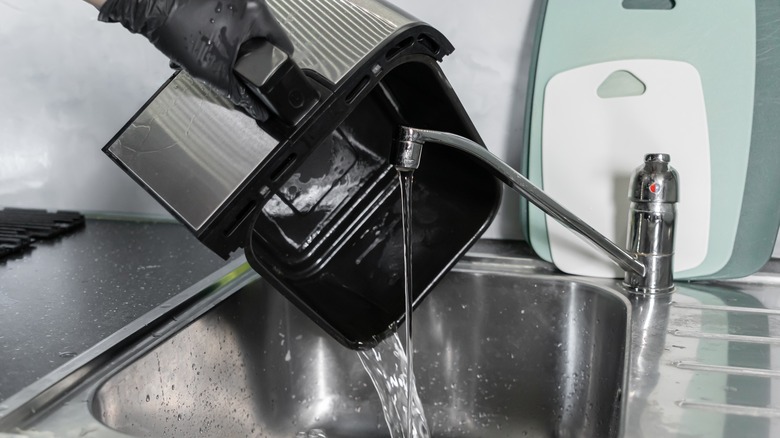
With a dishwasher sitting right there in your kitchen, it can be tempting to dump everything in there, from wooden spoons to nonstick pans. However, while some materials fare well in the dishwasher, others can become worn or damaged. Your appliances may have detachable components that are fine to toss in with your plates and cutlery, but often these parts need to be washed by hand.
First, check the user manual to see which components of your kitchen appliance are dishwasher safe. If the equipment can't be disassembled, you definitely shouldn't put the entire thing in the dishwasher unless the manual says otherwise. Some kitchen items are just the worst to clean because they break down into 20 pieces, with each one needing to be hand-washed. However, you'll extend the lifespan of these appliances if you follow the correct cleaning procedures. As tempting as it may be, don't cut corners and chuck them in the dishwasher; some plastics can become brittle, metal can rust, and many materials just can't take the heat or high water pressure. Take your time, throw on a pair of rubber gloves and your favorite music, and clean everything thoroughly so your kitchen appliances last longer.