

8 Vintage Food Brands That Don't Exist Anymore
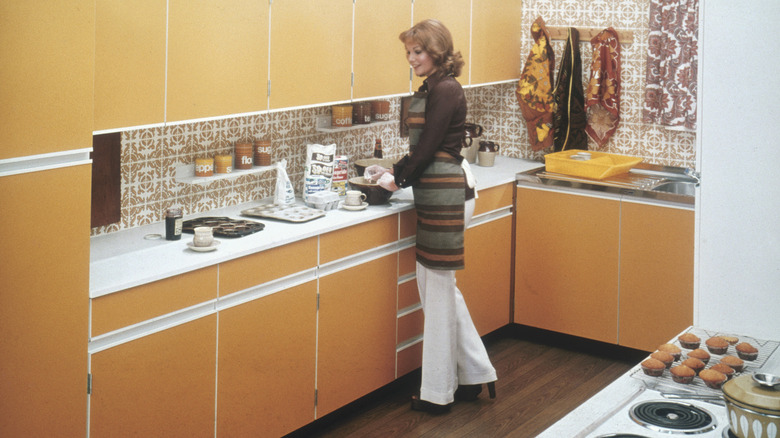
Food and nostalgia go together like Jell-O and mayonnaise — if you were hosting a dinner party in the '70s, that is. From the sight of a kitschy cereal's colorful box to the smells of our favorite dinner simmering on the stove and the iconic taste of a classic after-school snack, food has a unique way of whisking us back to childhood. Our go-to frozen dinners and sweet treats may have seemed inconsequential at the time; just little joys that we looked forward to every day, but didn't give much thought to. But decades later, we remember those foods as characters in our daily routines and now, after they're long gone, as symbols of carefree, simpler times.
Whether you're a child of the '70s, '60s, or even earlier, you undoubtedly had some favorite foods that felt like they'd be a part of your life forever, only to see them ripped off store shelves before their time. In this list, we'll take a stroll down the grocery aisles of yesteryear, highlighting some food brands from the mid-century and earlier. Some of these brands were infamous, others were iconic, but no matter their role in your life, the mere sight of their packaging is sure to conjure up memories so vivid you can taste them. So let's turn back time, get the microwave ready, and please — no crumbs on the shag carpet — as we dig into some groovy (and, depending on your taste, dastardly) vintage brands that live on in our hearts and taste buds.
Concentrate Cereal
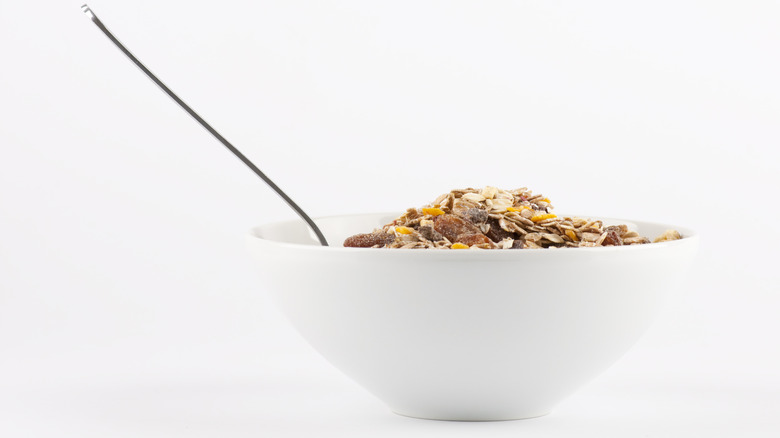
Kellogg's was a pioneer in grain-based breakfast and perhaps the most significant American breakfast food company of all time. The company is known for its fortified cereals, loaded with vitamins and minerals but disguised as fun, sugary treats. But back in 1959, a new kind of fortified cereal was introduced, intended to be the mack daddy of nutrition at your breakfast table, OJ and eggs be damned. It was known as Concentrate Cereal, and it packed a heck of a vitamin punch in a, let's just say, not particularly appetizing-looking package.
Concentrate Cereal was known for having "the greatest concentration of nutrients ever offered in a single all-purpose food." This was the breakfast of the future, people. It was packed with protein and loaded with essential B vitamins, vitamin D, and other nutrients that we're often deficient in. Despite the sheer lack of fun in its packaging — especially compared to the high-protein cereals of today — and the fact that the cereal itself looked like a pile of unseasoned gravel, it actually maintained a pretty positive reputation.
One serving of Concentrate Cereal amounted to only a couple tablespoons, so it was easy to get your nutrients in back in the day. Those who remember it claim that it expanded and softened up once milk was added, making it look a little less dirt-like. Sometimes home cooks would use the cereal in recipes, like meat patties and crispy fish, or as an addition to desserts to up the family's nutrient intake on the sly.
Libbyland Adventure Dinners
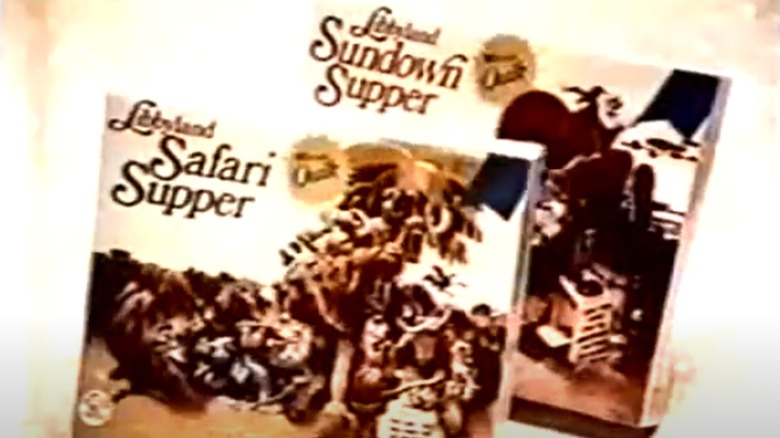
Nothing screams "mid-century" like TV dinners. Those of us old enough to remember the rise (and lament the subsequent fall) of frozen convenience meals probably have a love-hate relationship with them. But of all the vintage TV dinners, few are as fondly recalled as Libbyland's kid-friendly meals.
Libbyland TV dinners – which stuck around only from 1971 to 1976 — were meant for kids, but unlike modern-day frozen kid's meals, these products were about so much more than just the food. For starters, they came in a wide variety of fun styles, from the cowboy-themed Sundown Supper to the nautical Sea Diver's Dinner and swashbuckling Pirate Picnic. Each meal had two mains — some combination of fried chicken, spaghetti and meatballs, a hamburger, franks and beans, and the like — as well as two sides and a dessert.
But the metaphorical cherry on top of Libbyland Adventure Dinners was the "Milk Magic" that came with each. It was a packet of a crystalline substance that turned regular milk into chocolate milk, otherwise known as every kid's favorite drink. While kids ate and sipped on a chocolatey drink, they could play the games that came with each box. Every Libbyland meal was designed to fit snugly back into the cardboard box once fully heated, which could be propped up to display colorful artwork with puzzles and games. Checkmate, Kid Cuisine.
Ayds Candy
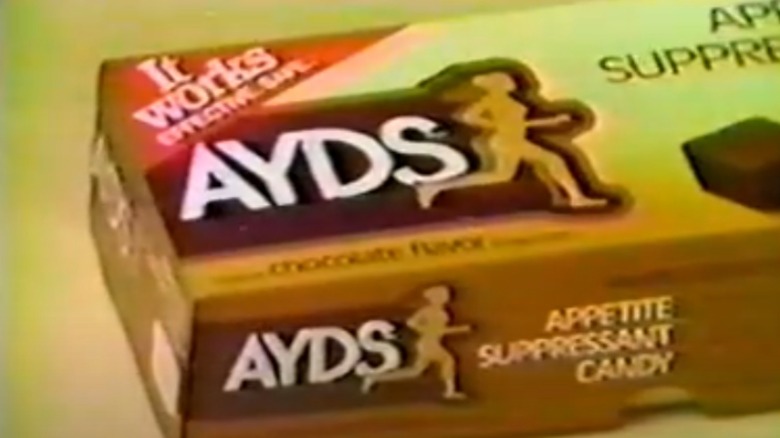
Today, maintaining a healthy weight is typically seen as achievable by choosing fresh whole foods and exercising, but most people looking to lose some extra pounds in the '70s turned to commercial diet products. Thankfully, we now see these products for what they really were (a scam), but there was a time when we thought these foods were healthy.
Among the slew of mid- and late-century diet products was Ayds Candy, named for a trendy diet plan in the '70s that promised weight loss via suppressing the appetite. Ads for the candy told customers to eat one piece of Ayds chocolate with a hot drink before meals, and they'd likely find that halfway through dinner, they're full. The company made the candy seem like magic, but how it worked was simple: It included a drug called phenylpropanolamine, which was originally used in nasal decongestants until its use as an appetite suppressant was discovered. Today it's deemed unsafe because it increases the risk of a stroke, but that wasn't necessarily the cause of Ayds' downfall.
Ayds candies were at their peak in the '70s, but by the early '80s, sales began rapidly declining. Consumers associated the candy with the outbreak of AIDS (Autoimmune Deficiency Syndrome), which had been ravaging the nation at an alarming rate. Despite celebrity endorsements and the fact that the product really did work — albeit not safely — the candy couldn't be saved. The company never changed the name, but it didn't matter, because by 1987 it was pulled from shelves when phenylpropanolamine and products containing it were recalled.
Mrs. Bumby's Potato Chips
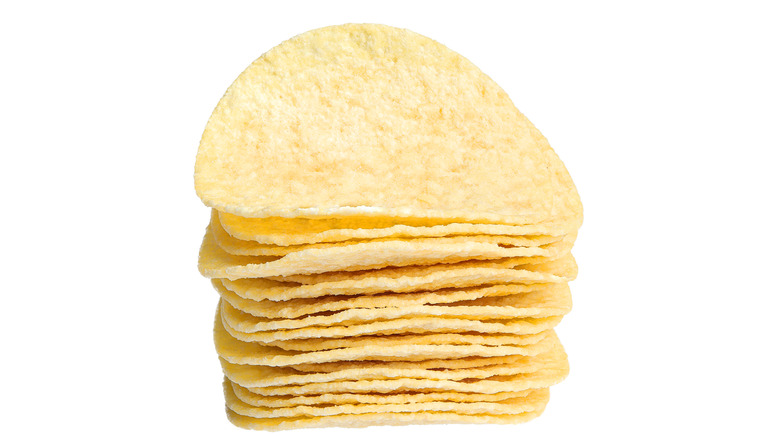
Potato chips are one of those snack foods that never go out of style. Back in the 1970s, major brands were experimenting with unique recipes, trying to create the next big potato chip craze. Enter Mrs. Bumby's, a brand of potato chips from General Mills that was all about the simpler things in life. At first glance, they seemed like your average potato chip, but their major selling point was that they were made with dried potatoes for an even crispier crunch. And not just any potatoes — russets, the crème de la crème of root vegetables. They had a starchy taste similar to Pringles, and maybe too much crunch for their own good.
To separate Mrs. Bumby's from regular potato chips and give them a bit of an elevated touch, the chips came in a cardboard box in lieu of a bag. Inside the box, an aluminum foil sleeve of chips that was impossible to eat directly out of awaited, so you had better have a bowl ready. There was another option, though; sometimes you'd find Mrs. Bumby's chips packaged in a cylindrical tin, not unlike something you'd seen an angel food cake in. It was a strange design choice, and most snack fans didn't appreciate it, and thus Mrs. Bumby's became one of the few potato chips that no one remembers anymore. They lasted for just a few years in the '70s and then faded into snack obscurity.
Uneeda Biscuit
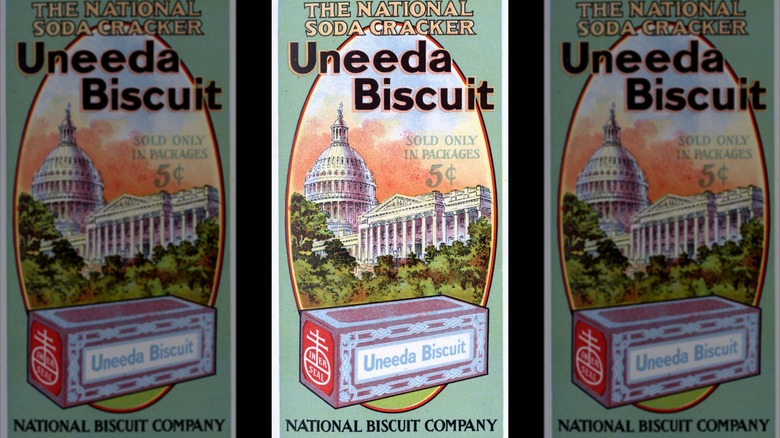
We're going to turn back the clocks quite a bit for this next vintage food brand, all the way back to the late 19th century. During this time, the National Biscuit Company, later shortened to Nabisco, had pioneered a cracker — which was a staple food at the time — into a nutritious food that would stay fresh for longer than the bulk barrel of crackers sold at the neighborhood bakery. They were packaged in cardboard boxes lined with wax paper to prevent any moisture from making the crackers mushy or stale. These new, innovative crackers all but eliminated the demand for bulk crackers, which were exposed to the elements and a germy nightmare. The pioneering brand was known as Uneeda Biscuit, and folks were absolutely smitten with its cute rain-drenched child mascot, yielding a $7 million ad campaign (an astonishing feat of the time). And thus, one of the biggest food brands in America was born.
The Uneeda Boy, in his boots and raincoat, became a household name in the world of commercial American foods in the late 19th and early 20th centuries. Under the Uneeda brand, Nabisco sold other baked goods in addition to soda crackers, boasting convenience for busy mothers and a fresh-baked taste. But despite being just, well, a cracker, Uneeda Biscuits stuck around for over 100 years. They were discontinued in 2009 in the wake of less demand for such rustic staples. So it goes.
Hollywood Bread
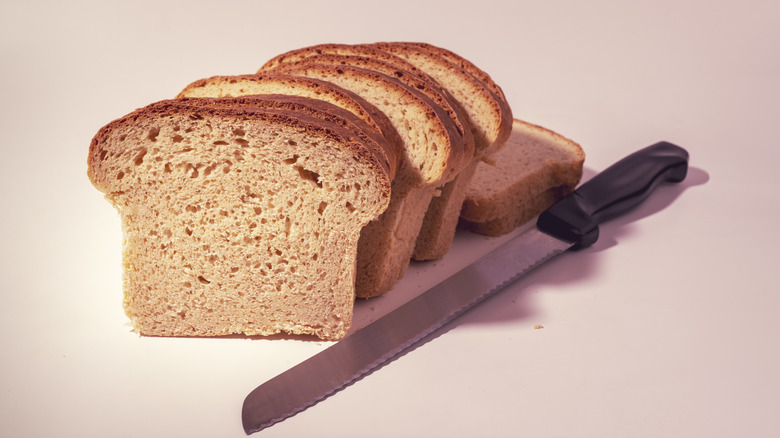
Chances are, you could enter every single American kitchen and always find one particular food item inside: bread. Bread is the number one staple food, and it was also the number one diet-ruiner in the 70s. Enter Hollywood Bread, the answered prayer for all the carb-craving people of yesteryear who lamented the sacrifice of their morning toast just to keep up with fad diets. Hollywood Bread was a calorie-conscious, pre-sliced bread made up of 16 different grain and vegetable flours, including stone-ground wheat, plus honey and molasses. It contained about 46 calories per one 18-gram slice and came in a light and a dark variety.
Despite the negative stigma surrounding diet foods of the '70s, Hollywood Bread could have easily fit in with the natural food craze of today. It was made with healthy ingredients and was popular with everyone, from calorie-conscious adults to picky kids who didn't even know what a calorie was. Ads for the product, however, were a little more dated. They featured gorgeous celebrities and media personalities, while the copy in the ads — in classic '70s fashion — shamelessly told customers they'd be beautiful if they ate Hollywood Bread. Yikes.
Diet Delight
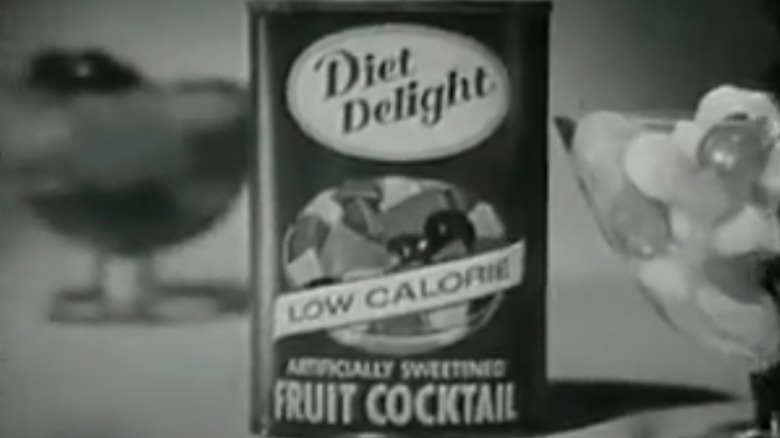
In the mid-century, canned fruit was a pantry staple. It was used to create the infamous Jell-O salads that defined the '60s and '70s, and other vintage snacks that no one (thankfully) eats anymore. But outside of covering it in mayo and calling it a salad for some reason, canned fruit was favored for its long shelf life and extra juicy taste. But that bold, candy-sweet flavor came from added sugar and, therefore, added calories — otherwise known as enemy number one in the middle of the century.
Diet Delight canned fruits arrived on the scene to create a healthier "dietetic" (their word, not ours) version of canned fruits to use in recipes and snacks for weight-watchers and calorie-counters. The brand offered apricots, peaches, fruit cocktail, cherries, and pears — basically every canned fruit you'd need for a stocked pantry — at only half the calories of the standard canned fruit of the era. Diet Delight even offered some vegetables, including spinach and asparagus. How diet asparagus or diet spinach is even possible is beyond us — but hey, it probably convinced people to eat more greens, so for that we applaud you, Diet Delight.
Koogle
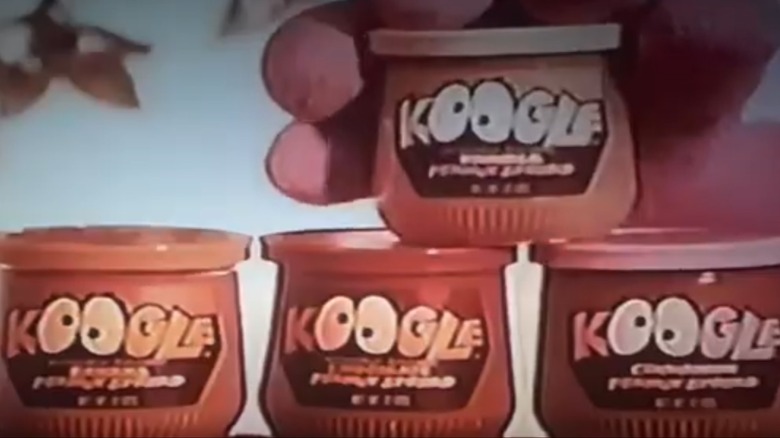
Peanut butter is an absolute necessity come snack time — apple slices with peanut butter, anyone? — and lunch time, when the middle of the week calls for a classic PB and J to shake up the ham sandwich routine. Just like it is today, peanut butter was found among plenty of old-school '70s snacks, but not just any peanut butter. A sugary, kid-friendly spread known as Koogle dominated as the ultimate '70s peanut butter spread, although whether or not it was actually peanut butter was debatable.
Koogle was far from your garden-variety peanut butter. It came in different flavors — including cinnamon, chocolate, banana, and vanilla — and you better believe it was chock full of artificial ingredients. It had an iconic slick texture that kids loved, especially since it didn't stick to the roof of your mouth in the obnoxious way that real peanut butter often does.
Koogle was introduced in the early '70s by snack giant Kraft, and by the middle of the decade, parents were starting to turn their backs on sweet, unassuming Koogle. Consumer Reports warned parents to steer clear of this peanut butter imposter, arguing that it didn't contain enough actual nuts to legally be classified as peanut butter. It also contained a shocking amount of sodium and enough sugar to rival an ice cream sundae, so by the end of the decade, Koogle was nothing but a distant, googly-eyed memory.