

10 Tips For Building A Countertop Garden In Your Kitchen
We may receive a commission on purchases made from links.
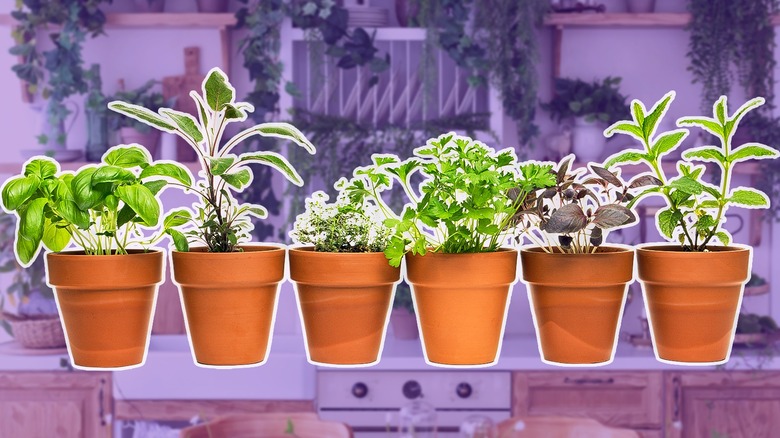
There's something about having green things growing in your home that feels nice and pleasant. This goes double for the kitchen, where houseplants can often take a back seat to a small but high-impact countertop garden. Of course, this is a really appealing idea to any frustrated gardeners without an outdoor space. Yet even for those who have a full-sized garden (like me), there's a lot to like about having edible plants right in your kitchen.
Quite frankly, it's convenient to have fresh herbs or vegetables right on hand instead of needing to go out for them — especially if you've forgotten about them until you're in the midst of meal prep. This is a topic I'm quite familiar with, as well, on both the growing and using sides of the coin.
As a trained chef and avid lifelong gardener, I've used kitchen-grown plants as a complement to my main garden for years, as well as in rentals in the past (when the kitchen was my only option for anything fresh-grown). Over the years, I've grown various herbs and vegetables in all manner of kitchens (I've moved a lot, after all), with both successes and failures. Here are 10 tips for budding countertop gardeners, drawn from my own experiences.
Think hard about your goals, budget, and resources before you start
Everybody's expectations for their countertop garden will be slightly different. Consequently, be sure to keep in mind what you bring to the project in regards to budget, skills, and resources, as you'll need to think about those factors before you start.
Perhaps you just want to have a few of your favorite herbs on call, without needing to buy any potentially over-priced and over-sized bunches from the supermarket. Then again, you may want a sweet custom-built planter, with an integrated watering system and LED lights that matches your existing cabinetry. If you can knock that out yourself, then go for it — as long as you have the budget and skills to do so.
Whether you're working on a shoestring or allocating a budget that would cover the cost of a major appliance, just bear in mind that the garden you plan should meet your ultimate goal. While a few herbs are easy and cheap, lettuce can be more of a challenge, and larger plants like tomatoes are harder to accommodate in some kitchens. Start with the result you're looking for and filter that through your budget, then decide between Mason jars or bespoke planters.
Choose your space wisely
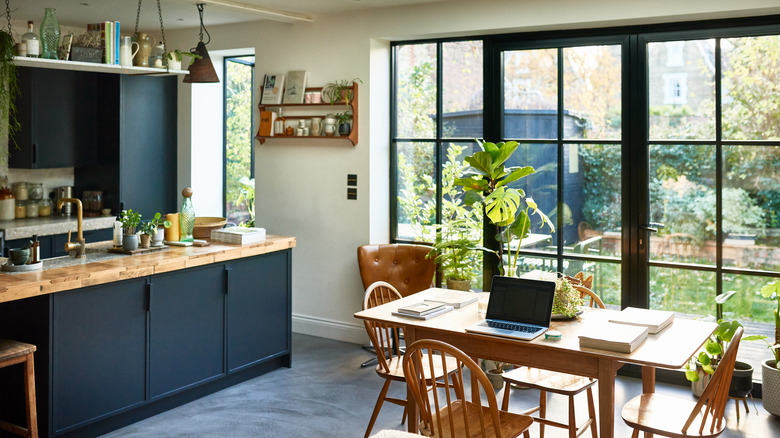
Space is famously the "final frontier" — both in sci-fi television and kitchens. But aside from a modest number of lucky souls with bespoke designer kitchens, most of us have limited space and storage. Since whatever portion of your kitchen you carve out for a countertop garden will be taken away from something else, allocating the necessary physical space is another factor to consider.
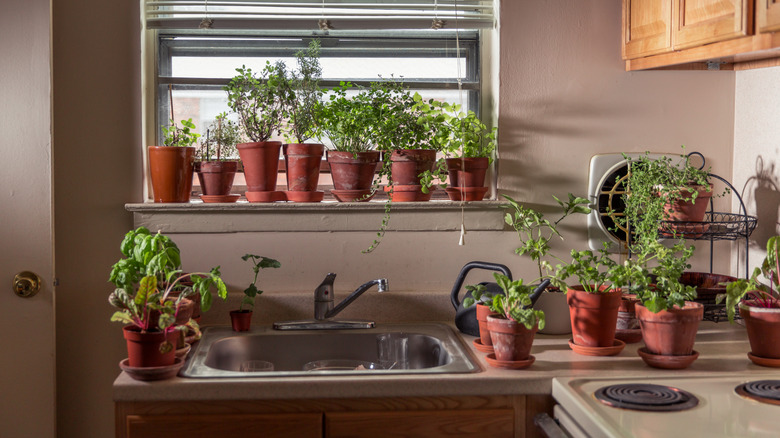
You'll have to account for the plants' need for light, as well, while preserving a functional work flow (because it's bad if your garden interferes with your cooking). One space that's relatively free is the windowsill (if you have one); it offers natural light and it's a spot you don't use for prep. Your actual countertop is more problematic, but use it if you have to. Corner shelves and open shelving are also good options at times, and don't take away from prep space.
Of course, the needs of your plants will dictate your usage to some extent. If light is a challenge, for example, you could consciously choose herbs that do well in shade. And remember that plants grow, so ones that neatly fit below your cabinets in May might end up blocking the doors by August.
Expect to give your countertop garden supplemental light
In a much-traveled life, I've had over 40 kitchens, and few of them gave my plants enough natural light (builders don't seem to make that a priority for some reason). My current kitchen's sole window only gets sunlight in the late afternoon, for example, because of an addition to the house. The bottom line: You'll probably need to give your plants some supplemental light.
There are several options for this, which will simultaneously improve your kitchen's overall lighting situation. For those with minimal light requirements, old-school fluorescent tubes can do the trick. You may even have one already; simple under-counter fluorescent fixtures were commonly used as supplemental kitchen lighting. They're not as common as they used to be, though, since modern LED lights are generally cheaper, more versatile, and consume less power.
Best of all are made-for-purpose grow lights, which come in sizes, shapes, and power ratings to meet any need. Some provide a glaring, pink-tinged light that's not really suited for kitchen use, so avoid those. I've used these fixtures from SunBlaster to grow lettuce and herbs on a windowsill, as they put out a full-spectrum light that's easy to live with. Wider versions can be mounted under cabinets, too, as long as their fans don't vent through the top. For odd locations, there are flexible grow light options, and halo grow lights are great for individual plants.
Think outside the countertop
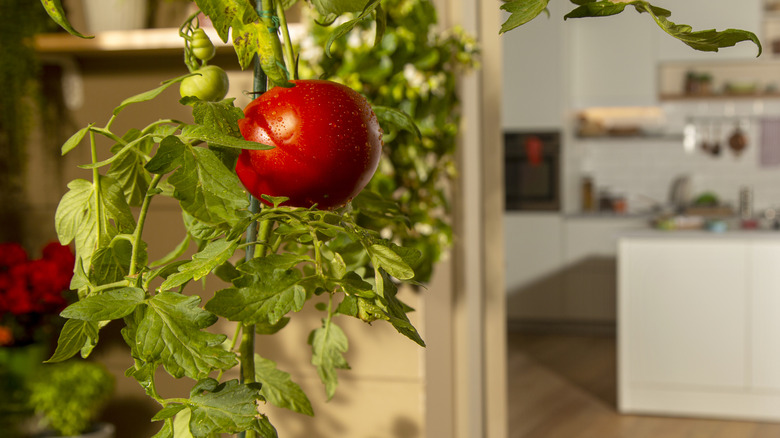
Ideally, you'll have happy little plants growing on your countertop or windowsill, where they'll be within easy reach while you're cooking or throwing together a salad. Unfortunately, you may not be able to fit the plants you want into the space you have, so it sometimes makes sense to stretch your definition of a "countertop" garden.
You can scatter larger plants (and pots) throughout your kitchen area beyond the actual counter, of course. But don't dismiss any kitchen-adjacent spaces either — whether that's inside or out (seasons change, after all). For example, I keep a miniature lemon tree outside during the warmer months, but it comes in when the frost hits. I've made good use of patios and balconies over the years, as well, and even put herbs in a pseudo-pantry where light from one window fell favorably on a specific shelf. While these options aren't quite as good as having plants immediately within reach from the stove, it's better than running outside (or not having them at all).
Hanging planters are another way to maximize the space at your disposal. They're a good choice for plants like the tumbling cherry tomato, or strawberries, which happily sprawl instead of growing upward. You can also hang them in front of a window, which means you can have them low enough for herbs without the risk of bonking your head on them (I've learned that one the hard way, too).
Plant what you like to eat
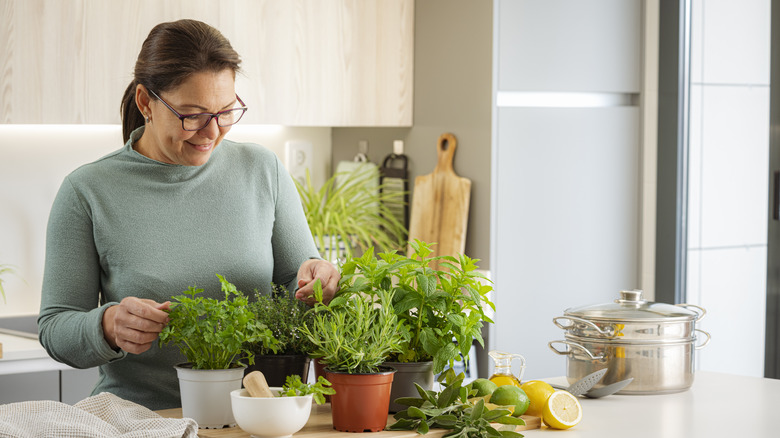
Somewhat surprisingly, people seem to forget about this consideration in my experience. After all, even if cilantro is easy to grow, it makes no sense to do so if you're in the "tastes like soap" camp. So grow things you like to eat in your countertop garden, ideally items you already use regularly in your meals.
Now, that Venn diagram isn't a perfect circle, of course. Those of us who love to cook are always looking for ways to expand our repertoire, meaning there's certainly room for you to try new things. Perhaps there's a signature herb that's used a lot in a cuisine you often choose when you order out, like shiso in Japanese food. Still, it's always a good idea to add to so-called usual suspects like basil, parsley, and chives (which are all among the best things to grow in your kitchen because of their versatility).
Also, while I spoke of growing what you like to eat, you should also think about what you like to drink. You can have a charming indoor tea garden with just a few versatile herbs (and maybe a pot of ginger). I keep lemon balm, two kinds of mint, and chamomile in my outdoor garden, but they're all suitable for indoor growing, too. If you have hibiscus in your flower garden or in a pot indoors, its blossoms also make a nice addition to many herbal teas.
Consider regrowing plants from kitchen scraps
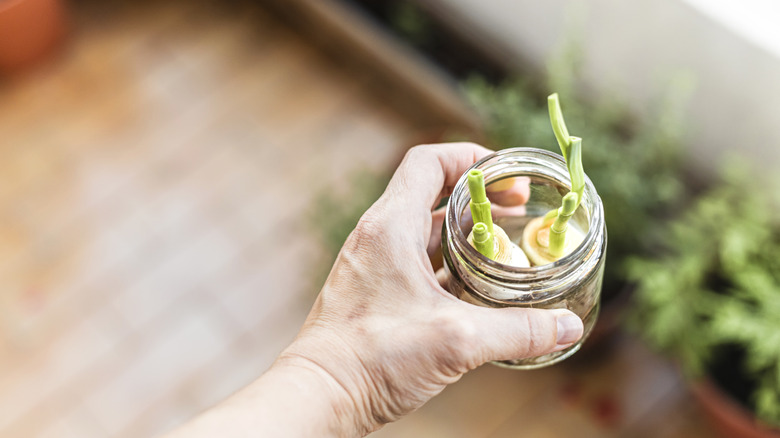
There are a lot of ways you can start a kitchen garden. For the widest possible range of varieties, starting from seed is best (and also pretty cheap). You can also buy transplants and pot them, use root cuttings from a friend, or simply pick up an established plant from the store that's already potted and vigorous. But you can also go about it by re-growing plants from your kitchen scraps.
This has a couple of advantages. It's essentially free (you've already eaten the food you paid for, after all), you know you're growing something you enjoy eating, and it's just plain fun. It's a great little real world science project for the kids (my grandkids love it), and it's also sound on the sustainability front.
I've re-grown things like celery or romaine lettuce quite easily from the leftover crown. Just set it in a shallow bowl or pan of water, give it some sun, and new leaves will grow continuously from the middle for months. The same goes for green onions. Just be sure you don't skip the important step of changing the water regularly to prevent mold. Many store-bought herbs can also be regrown simply by putting them in water. It helps if they still have their original roots, but you can root stems of many herbs even if they're cut.
Decide if you're growing in water or soil
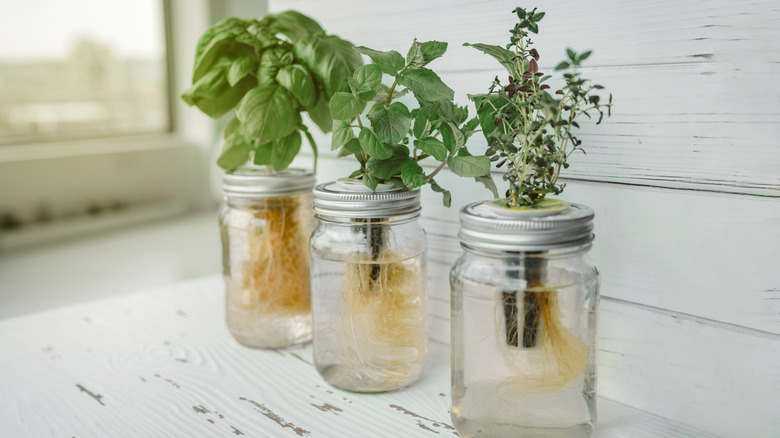
When I spoke of regrowing plants from kitchen scraps, I mentioned putting them in water. That's a starting point for root cuttings, and many plants can regrow with nothing more than plain old tap water. However, there are pros and cons to that approach, so let's quickly address whether you should grow your kitchen garden in water or soil.
Now, much of the appeal of growing in water is its simplicity. As long as you have a few containers that hold water — cups, glasses, Mason jars, or even old tin cans — you can plant things. It can even be beautiful: Picture a row of matched, transparent jars filled with green plants, with the sun shining through them from the window behind.
Growing in soil is more complicated. It means buying appropriate pots and potting soil, watering as needed, and defending against fungus gnats (just to name a few). On the other hand, it means you'll have sturdier, more vigorous plants, since relatively few food plants can survive indefinitely on just water and photosynthesis. As a rule, leafy plants like herbs and lettuces can get along the longest in just water. Bigger plants, and anything that blossoms or fruits (like a cherry tomato) should probably have soil.
Start small
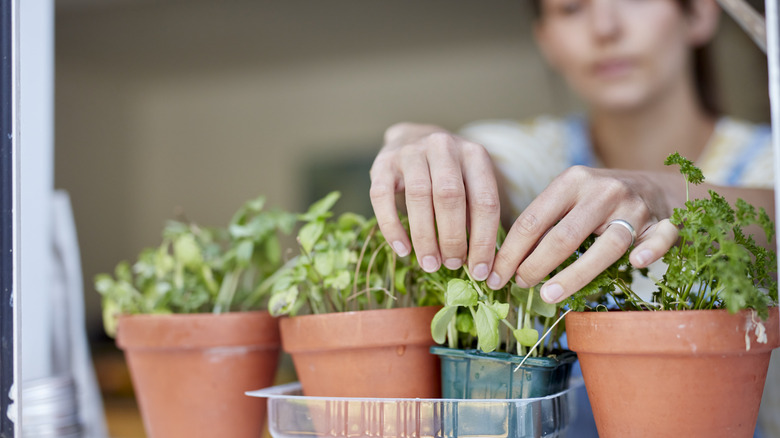
A lot of friends and acquaintances ask me for input if they're thinking about starting a garden. My number one piece of advice is always the same, and it goes for kitchen gardens too: Start small. Why? Because until you've done it, and learned through hands-on experience what care the plants need, it's far too easy to overcommit.
For example, there's the high risk you end up with more plants than you can take care of, of in more places than you can keep track. In some ways, it's like adopting a pet, because those plants will need constant care and attention. Of course, this takes time, and if you're like me, your day is probably already pretty full. So instead of plunging in the deep end, start with a few small things that you'll use regularly, and build from there.
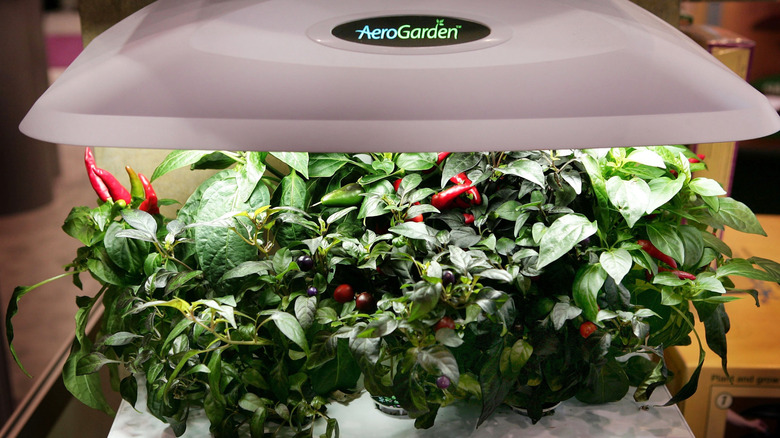
Think in terms of green onions or a couple of favorite herbs. You'll cause yourself less stress this way, and can ramp up your kitchen garden until it's a size that's comfortable for your space and energy level. You may even find that a small prefab countertop garden – typically combining seeds, soil, a streamlined container and a grow light — can be both convenient and a visually attractive starting point. It gives you a taste of the hobby, and you can resell it later if you outgrow it.
Research the plants you choose
Let's circle back to the selection of plants again, because I want to drill down on that a little more. I've already suggested selecting for low-light tolerance where necessary, along with growing things you like to use. But you may want to invest a bit of time in some active research before diving in. After all, not every vegetable or herb plant makes sense on your countertop.
For starters, a number of plants simply grow too large or bushy to be practical. Some less-suitable options may survive, but won't flourish well enough under indoor light to put out a continual harvest, while others just plain don't make sense (potatoes won't work no matter how much you love cooking with fresh fingerlings). Give it some thought beforehand and do some online search, prioritizing things that'll give you a disproportionate impact compared to your effort.
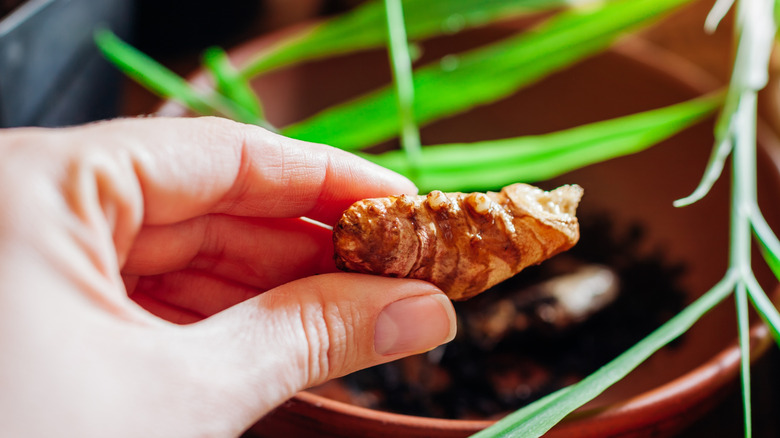
You'll quickly find most sites recommend the same handful of choices, which is a message in itself. Most herbs lend themselves well to indoor growing, and many (in the culinary context) punch above their weight. Other good choices include green onions, lettuces (if you harvest individual leaves, not whole heads), and even fresh ginger or turmeric.
Don't forget about aesthetics
One final factor to consider is the look of your kitchen, and your own visual style. If your whole home is a testament to happy chaos, you'll probably be okay with a counter or windowsill filled with greenery in Mason jars, old margarine tubs, or random old coffee mugs with herbs. On the other hand, if your style skews toward designer, you may want to give things more thought.
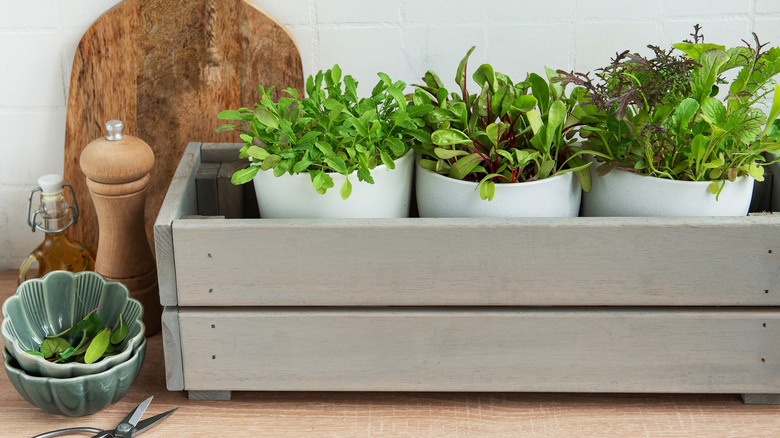
Now, most of us won't have the space or budget for bespoke planters built to match our cabinetry. Then again, you don't need to go quite so hard to have an attractive countertop garden; a set of well-selected matching pots makes for a nice display, for instance. You'll just need to choose plants that're similar in mature size and lighting needs (another reason not to skimp on research).
The all-in-one countertop gardens we've previously mentioned have an aesthetic of their own, too. You can pick one that matches your appliances, which works well in a sleek, modern space. You might even consider patio-style planters, as long as their size and shape fits your space as well as the appearance. The options are really only limited by your imagination and budget, so feel free to experiment until you're happy with the end result.