

15 Tips For Designing A Coastal Kitchen
We may receive a commission on purchases made from links.
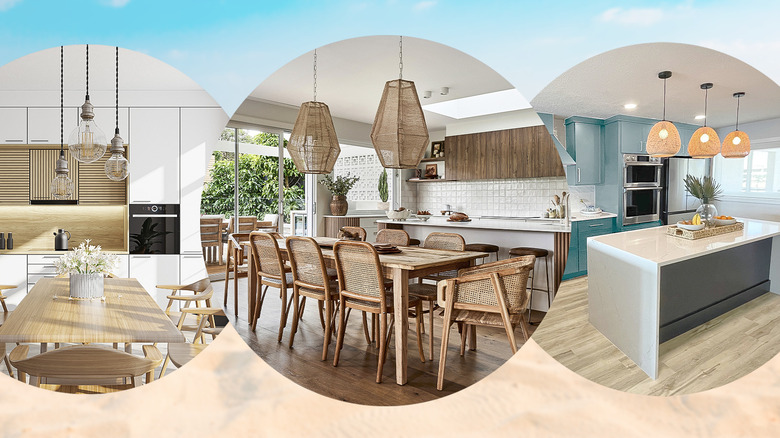
You may not live in a charming beachside villa by the waves, but putting together a coastal kitchen is the next best thing. If you have been reading up on the best ways to design a Mediterranean-style kitchen, the ethos of a coastal kitchen might sound familiar. After all, both schools of design are anchored in an inexplicable sense of joy and lived-in charm by the water.
But while Mediterranean kitchens lean on saturated hues and old-school architecture, modern coastal kitchens are designed to recreate the breeziness of an idyllic island getaway. There's the calming color palette: sage greens and sea foam blues that are as gentle as a late evening sea breeze. Then, there's the decided lack of formality. Instead, a leisurely charm invades everything from the breezy layout to the ocean-inspired decor. With fond memories of salt in your hair, sand between your toes, and expert advice from Shabrin Momm, principal designer and founder of Skew Studio, by your side, you have everything you need to turn your kitchen into a coastal wonderland.
Look for nature-inspired designs
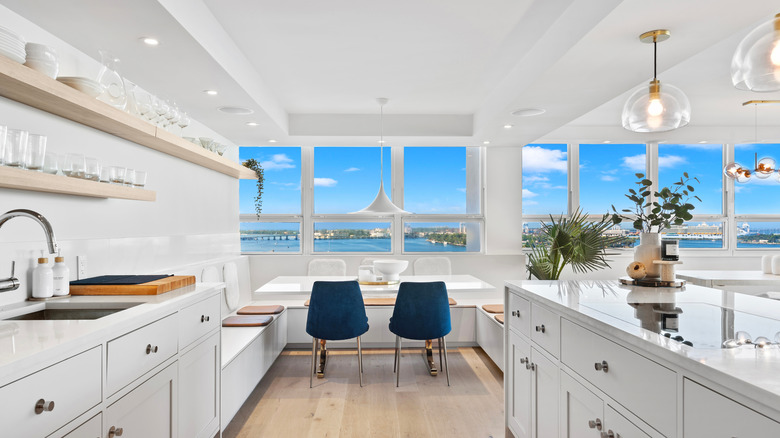
Great design often begins with a feeling, and Shabrin Momm likes to seek inspiration in the tranquility of being by the beach — from the way the sunlight bounces off the water to the soul-soothing lapping of the waves. For designing open, airy layouts, she recommends opting for serene hues such as coastal soft whites, sun-bleached wood, and gently weathered tones. "Natural textures bring warmth without taking away from the sense of calm," she adds. The goal? To design a kitchen that feels just as idyllic as a day spent by the sea.
If you are looking to get the wheels churning, your only options aren't to disappear down a Pinterest rabbit hole. Instead, seek inspiration from nature itself by taking photos of anything that catches your eye on your next trip to the coast, whether it is the unique formation of shells or the precise color of the rays hitting the water.
If you don't have any travel plans coming up, inspiration can also be found through the curated lens of interior design books, such as "Surf Shack: Laid-Back Living by the Water" by Nina Freudenberger or "At Home on the Water" by Jaci Conry. For those who are comfortable on the couch, design ideas can also be discovered in shows such as "Beachfront Bargain Hunt: Renovation" or episodes of "Dream Home Makeover" set in beachside towns.
Avoid cramped layouts
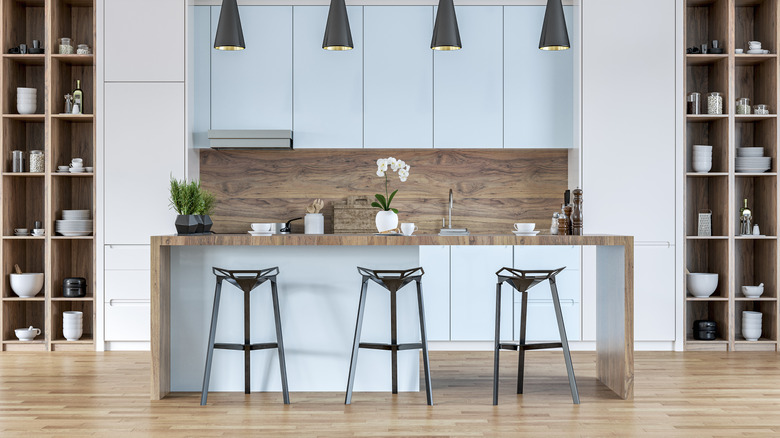
When it comes to choosing the right layout for a kitchen, there is no universal right answer. Some gravitate towards an open-concept layout for blurring the lines between the kitchen and the living area. Others might favor U-shaped kitchens for maximizing storage space. When designing a coastal kitchen, there is another important consideration to be factored in: "Coastal kitchens are designed for openness and easy movement," Shabrin Momm declares. Cramped layouts without adequate circulation space can disrupt the airy vibe the coastal design is aiming for.
So, what's on the cards instead? "Prioritize layouts that let in natural light and allow smooth circulation, echoing the relaxed feel of life by the sea," she says. In her experience, U-shaped and L-shaped designs work well for coastal kitchens. The addition of a central island can offer up additional workspace for entertaining and truly bringing people together. "The island often becomes the heart of the kitchen, a spot for prep and casual conversations," she observes.
Once you have a rough idea of the possible options for your space, it helps to narrow down the shortlist by asking some key questions to determine the right kitchen layout for your needs. How many people will be cooking in the kitchen at a time? Do you plan on entertaining often? What is the general flow of traffic in the kitchen on an average day? The answers to these questions will help you finalize the layout that works best for your needs.
Choose coastal-inspired colors
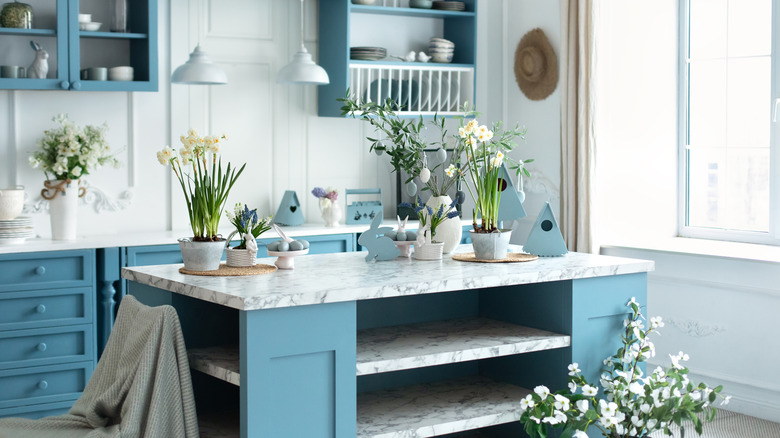
What comes to mind when you think of a coastal palette? If you are anything like Shabrin Momm, you are likely picturing soft, natural tones that mimic the hues of the shoreline. "Whites, sandy beiges, muted blues, sea foam greens, pale aqua, and driftwood grey create a calm, airy base," she says.
Once you have picked the primary colors you desire, you'll want to make note of this sneaky trick for a chic and expensive-looking kitchen design: choosing a single accent color. As tempting as it may seem to allow multiple accent colors a spot in your coastal kitchen, sticking to one hue can make the space feel calm, purposeful, and reduce visual overwhelm. For adding depth and dimension to coastal designs, Momm prefers accent colors such as navy, indigo, or faded teal — these hues can add a delightful touch of contrast without dominating the space.
The world might be your oyster when dreaming of coastal kitchen designs, but there are certain colors you won't want anywhere near your moodboard. "Avoid harsh blacks, bold primary colors, or high gloss finishes. Coastal kitchens thrive on softness and subtlety, never stark contrasts or excessive shine," she cautions.
Opt for natural materials
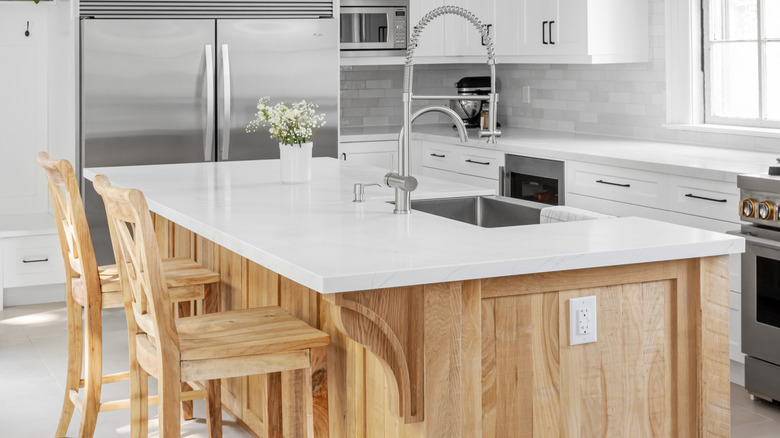
Choosing the right materials for your kitchen is no easy task. You want to prioritize durability without compromising on aesthetics. Heat-resistance is always a consideration, and who would say no to options that are light on the pocket? For truly bringing the coastal memo to life in your kitchen, you'll find Shabrin Momm favors organic finishes that infuse the space with warmth and texture. "Think white oak, lime-washed wood, cane, jute, and seagrass for cabinetry or accents," she says.
Once you have set the tone with the cabinets, you'll have to turn your attention to how to pick the perfect countertop material for your kitchen. Since this is not a decision that can be easily undone, you'll want to ensure that you are choosing materials that complement the coastal-inspired airiness of the kitchen. "For countertops, honed marble or quartzite works beautifully, while brushed nickel or unlacquered brass fixtures add a soft, timeless touch," she advises.
Add handcrafted lighting fixtures

You might have chosen the perfect cabinets and added in thoughtful details, but bad kitchen lighting can dampen all your hard work. Before getting started, it helps to stay informed on common kitchen lighting mistakes and how to avoid them. Once you know what not to do, there is one golden rule that Shabrin Momm wants you to keep in mind: "Lighting should feel warm, diffused, and intentional — never harsh or overly decorative," she says.
The airy, breezy vibe of coastal kitchen design means that you'll want to prioritize natural light in this space by ensuring that any glass windows and doors are not obstructed by cabinets and general clutter. Next, it helps to select fixtures with a handcrafted feel as an embodiment of beachside living. Momm's shortlist for a coastal kitchen is teeming with options like woven rattan or bamboo pendants. Opal or frosted glass lights with matte brass or antique metal accents make the cut as well in her rulebook. If you are looking to step beyond the ordinary, she recommends opting for soft fabric or linen-covered sconces.
Opt for light-enhancing countertops
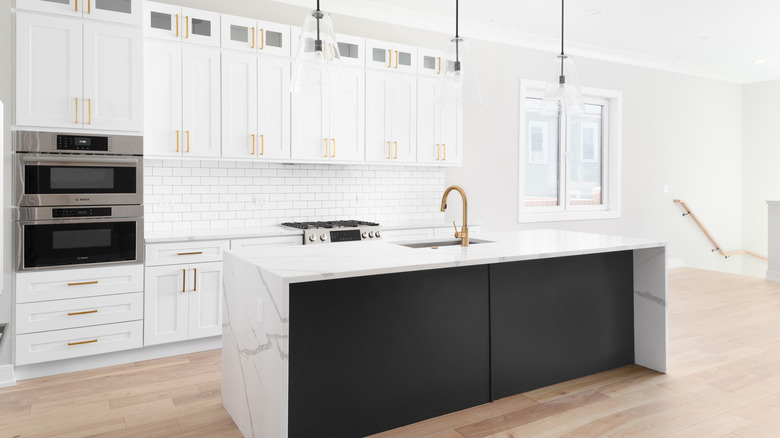
When dreaming of a coastal kitchen design, it helps to absorb one key principle that will inform every aspect of the space: light colors reflect light, while dark colors absorb light. For enhancing the breezy airiness of the kitchen, you'll want to opt for light surfaces that allow the sun rays to bounce around happily. "Stick to whites, warm grays, and beige tones," Shabrin Momm says. Unsurprisingly, high-gloss countertops and busy speckles are not welcome here.
There are certain design ideas that can dial up the breezy, beachy ambience as well. "Coastal kitchens benefit greatly from waterfall edges, curved profiles, or gently rounded corners that imitate the gentleness of the waves," she advises. And what should be headlining your choice of materials? Momm recommends opting for gentle, classic options such as white quartz or Carrara marble. Additionally, she prefers white-washed oak butcher blocks for lending a worn-in, rustic character to the space.
Choose tiles that express coastal character
There are several compelling reasons to add tiles to your kitchen. Easier to clean than painted walls and wallpapers, this nifty addition can make your nightly post-dinner wipe-down a breeze. While tiles can transform a coastal kitchen with their durability and ease of maintenance, it helps know where and how to wield their powers. "The best places to use tiles are as backsplashes, highlight walls, or behind floating shelves," Shabrin Momm says.
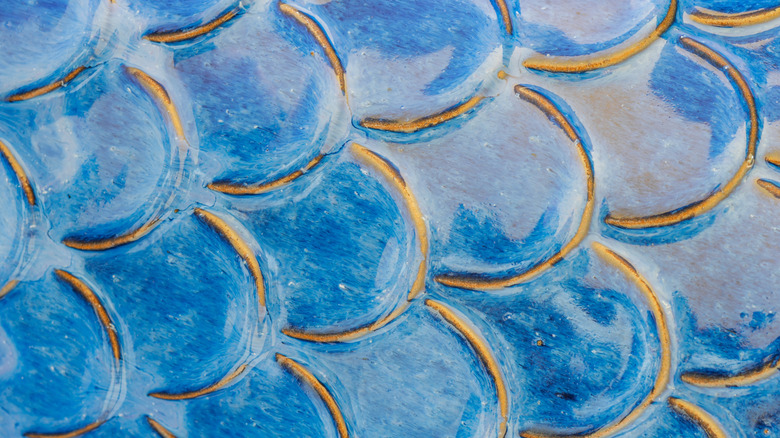
With a wide range of colors, patterns, and textures to choose from, you'll find endless ways to let your imagination run wild with tiles. Those who favor handcrafted textures will delight in the use of zellige tiles in muted colors, such as sand, white, or pale aqua. If you are looking to bring in coastal references, Momm believes that it is essential to keep things low-key. "Fish scales or wave patterns on tiles could be subtle references to the sea," she muses.
Add oceanic decor
The ethos of coastal living is rooted in an effortless sense of ease, and this needs to be your guiding light when choosing decor options for the kitchen. "Keep decor functional and textural, never overly styled," Shabrin Momm cautions. Her shopping list for a coastal kitchen has several envy-inducing options: think ceramic bowls, woven trays, wooden embellishments, and plants like mint or rosemary.
When in doubt, it helps to stick to the predominant coastal color palette of sandy whites and oceanic blues. If you are looking to make the most of the real estate offered by open shelves, it helps to display these collectible vintage dishes for cementing the coastal theme.
While coastal kitchen designs inspire beachy elements, it helps to ensure that things do not extend too far towards the gimmicky end of the spectrum. Rope and shell details are welcome here, but she recommends using them lightly for adding a textural element to the space. Other nautical elements, such as seashell terrariums and coastal wall art in weathered wood, can be used sparingly to further liven up the space.
Play with beachy hues on the backsplash
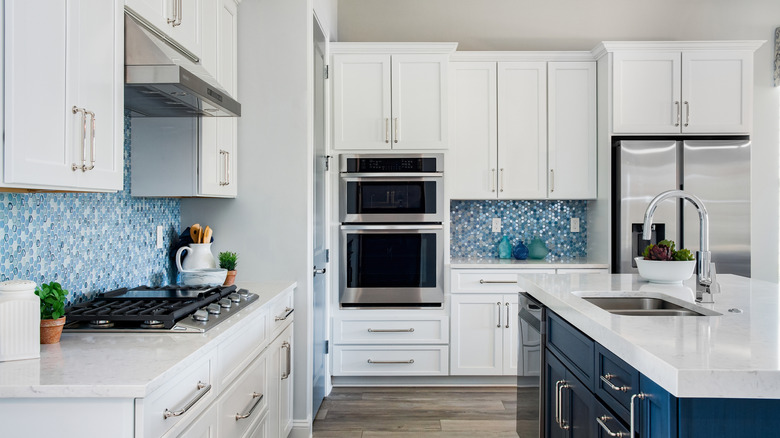
Instead of covering the backsplash in a generic set of tiles, it helps to let this element shine as a valuable device for storytelling in your coastal kitchen. Your journey for transforming this space starts by having a firm grasp on all the dated kitchen backsplash trends that are out in 2025. Once done, you can guide your search by following the calming coastal hues.
"For a coastal-style backsplash, it's best to stick to a soft, natural palette that reflects the beach and sea," Shabrin Momm advises. When comparing swatches, you'll find that some colors effortlessly mimic the sun, the sand, and the sky. The top candidates in her book include soft white, as it helps brighten the space, as well as sea foam green that is reminiscent of ocean water. She also finds that sandy beige can give your kitchen the effect of sunlit sand, while muted blue evokes the cool touch of sea breeze.
Momm finds that vertical subway tiles offer a clean, modern look, while subtle fish scales or mermaid tiles can add an organic, wave-like texture to the space. If you are looking to stand out from the crowd, it helps to look for hand-painted wave motifs that can add artisanal charm and a sense of movement.
Opt for minimal prints on the walls
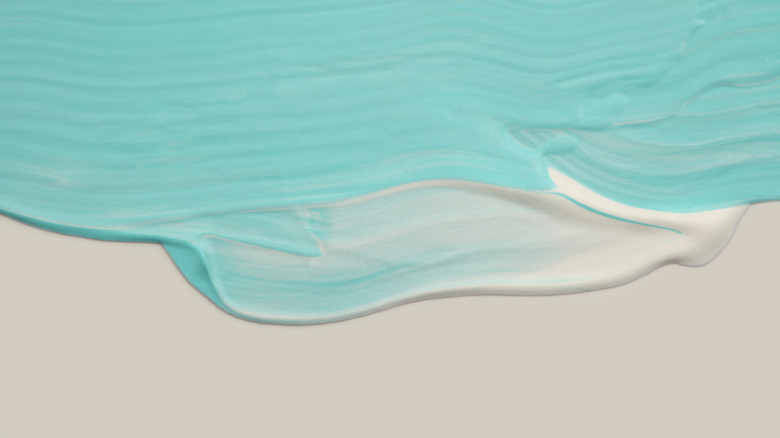
Cabinets and countertops might get all the spotlight in the kitchen design, but you won't want to leave your walls as an afterthought. Every inch of space in the kitchen has a crucial role to play in bringing your oceanic daydream to life, and the walls can create a subtle, serene atmosphere with some strategic choices. "Aim for finishes and colors that evoke the natural tones and textures of the coast — think weathered surfaces, soft light, and a sense of ease," Shabrin Momm says.
When it comes to prints and patterns, Momm wants you to know that more is not merrier. Topping her list of no-nos are clichéd motifs like seashells, palm trees, or nautical stripes. "Instead, focus on natural movement or subtle brushstroke patterns that suggest texture rather than tell a story. The goal is to build atmosphere through tone and touch, not overt themes," she surmises.
Choose organic or weathered flooring
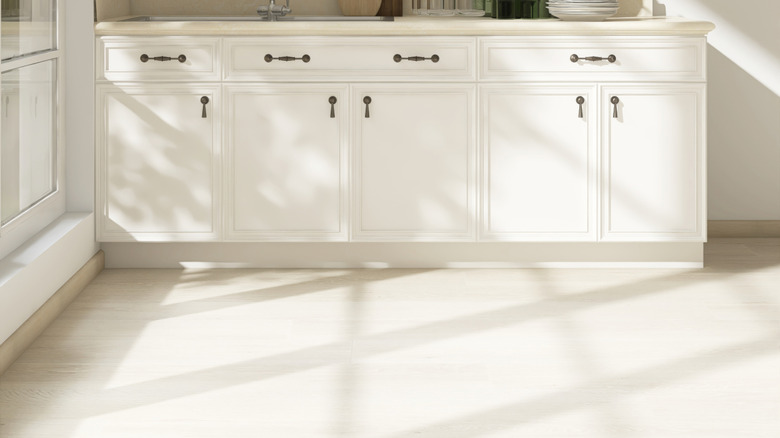
Your cabinets might get a routine makeover with paint, but replacing the kitchen flooring usually makes people pause. But as one of the most hard-working surfaces in the kitchen, this area deserves a do-over in keeping with the rest of the space. This project needn't be intimidating — especially if you know all the ways to save money on kitchen flooring.
In keeping with the airiness of the other elements of kitchen design, your flooring will benefit from a sea-kissed upgrade. "For a coastal kitchen, flooring should feel natural, relaxed, and textural, something that grounds the space without feeling heavy," Shabrin Momm says.
Your choice of materials needs to be guided by the natural rhythm and softness of the space. Whitewashed wood serves as an easy, breezy candidate, while reclaimed oak can bring a lived-in charm to the space. As a natural stone, limestone is durable as well as a visual delight. You will also find that matte terracotta can add warmth and a rustic touch.
Design an open, airy pantry
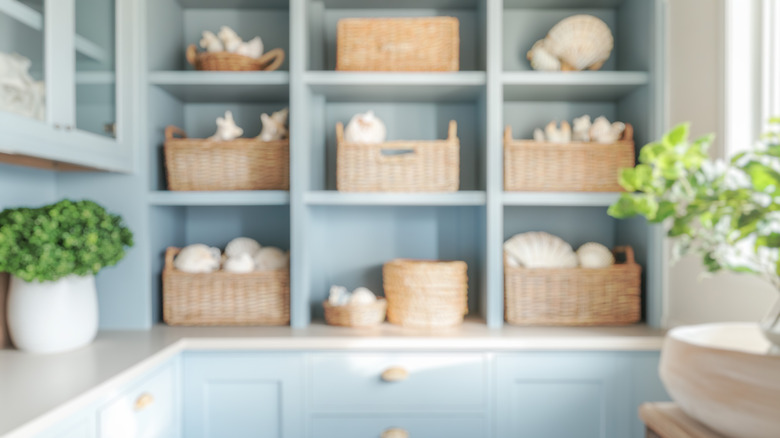
Regardless of whether you have an expansive walk-in pantry or you are making do with smaller shelves tucked away in a corner, a pantry in a coastal kitchen needs to emanate a sense of warmth. "The key is to keep the design light, warm, and uncluttered, blending practicality with coastal charm," Shabrin Momm says.
Start by designing open shelving in natural materials, such as light oak or pine wood. "These woods add warmth while keeping the space feeling bright," she explains. Floating shelves and wall-mounted brackets also serve as worthy candidates for preserving that sense of openness that is central to coastal kitchens.
Once the foundation is laid, Momm recommends furnishing this space with natural, tactile elements. Cane or wicker baskets are ideal choices for grouping similar snacks and linens together, and she also wants you to add in ceramic containers for camouflaging clutter. "You can also add soft linen or cotton curtains below lower shelves for a casual, breathable cover-up option," she adds.
Add warmth with soft furnishings
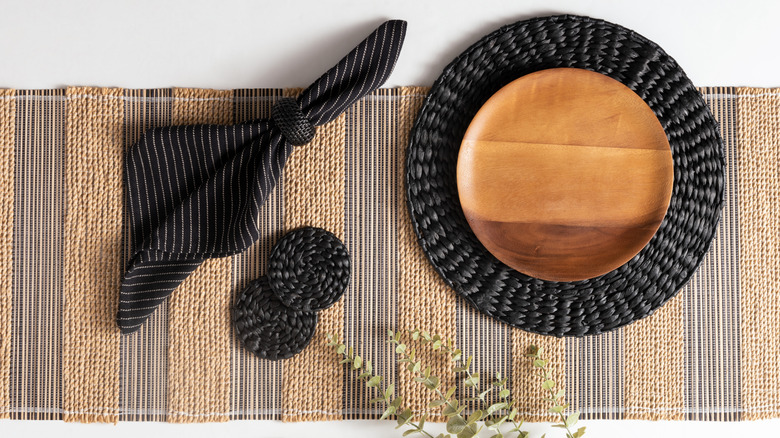
Soft furnishings serve as tactile elements that bring lived-in character to the kitchen, which, Shabrin Momm explains, are a welcome contrast against all the rigid surfaces of the countertops and cabinetry. "Soft furnishings are the soul of a coastal kitchen. They introduce comfort, warmth, and subtle rhythm without compromising the calm," she says. Linen Roman blinds in sea foam stripes, sand-washed neutrals, and oyster whites always have her vote. "The gentle folds soften the natural light, while the textile itself recalls the breezy elegance of coastal living," she notes.
You can also invite a touch of warmth by way of upholstered bar stools or a breakfast bench doused in long-lasting, indoor-outdoor fabrics. "Think stonewashed denim, ticking stripes, or pale grays with blue undertones — textures that invite you to linger with your morning coffee," she adds. Natural runners and woven mats in jute, cotton, or hemp are also a welcome sight in a coastal kitchen. Momm advises opting for subtle wave patterns or tonal stripes that can mimic the ebb and flow of tides. These practical, yet thoughtful, touches can anchor the space without leading to visual overwhelm.
Choose coastal-inspired artwork in muted tones

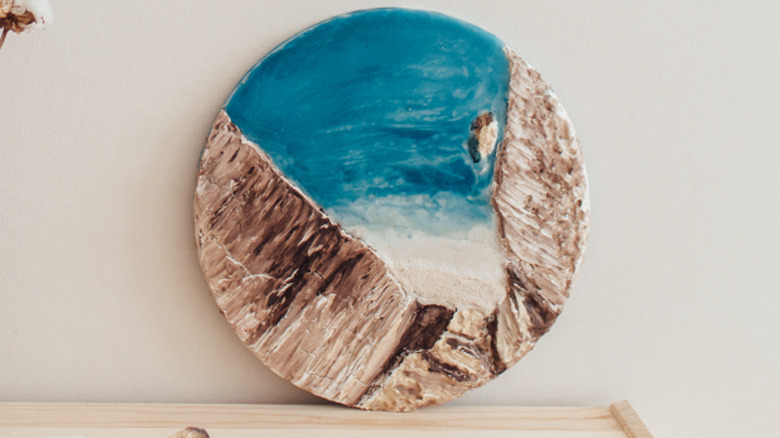
When considering artwork options for a coastal kitchen, Shabrin Momm wants you to look for evocative pieces, rather than literal interpretations of the theme. "We're not decorating a beach house rental; we're creating a feeling," she confirmed. If you are not quite sure where to begin, she advises looking for artwork that brings a textural element to the kitchen.
So, which designs have her vote? "Abstract seascapes, indigo ink washes, or framed linen canvases in off-whites and driftwood tones," Momm rattles off. You will also find that vintage maritime charts and antique coastal maps make for a valuable addition to the space. "Stick to a restrained palette: whites, sea glass greens, slate blues, and warm neutrals that mimic sand, stone, and sea spray," she adds.
Once you have found the ideal artwork, you'll want to choose its placement with care. Momm finds that a statement piece hung over the breakfast nook can spark conversation without impeding the functional aspect of the space. Other areas in the kitchen that have a low risk of splashes also make for worthy candidates, such as around open shelves on the pantry or the hallway walls. "Avoid areas close to the stove, sink, or dishwasher, where moisture, heat, and grease can damage artwork over time. Kitchens are active spaces, art here must feel integrated, not forced," she says.
Add aquatic finishing touches
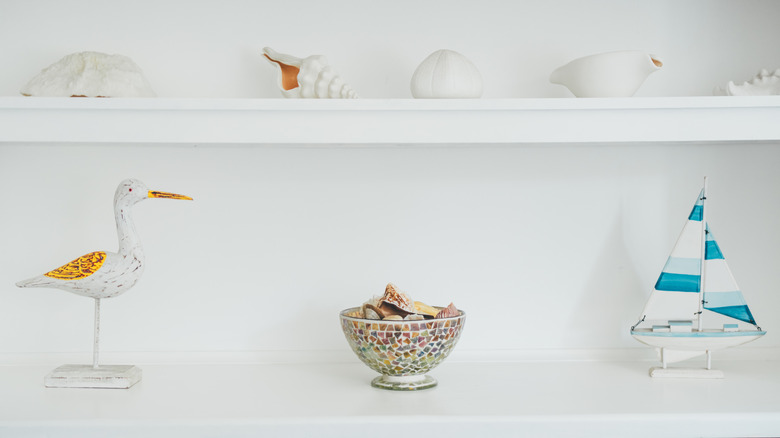
At the heart of every beautiful coastal space is one core principle: "A well-designed coastal kitchen tells its story through restraint," Shabrin Momm says. The final elements don't barrel through to the finish line, but instead, wash over gently like an ocean breeze.
When looking for the perfect finishing touches to tie a coastal kitchen together, Momm likes natural candles or diffusers doused with aquatic scents like eucalyptus, sea salt, or driftwood. Ceramic bowls with coral or white shells can assume pride of place on any gaps in the open shelves or the window ledges. For maintaining authenticity, she likes keeping an eye for local pieces, such as hand-thrown pottery in chalky whites or sea-toned glazes. Trays and baskets in cane, raw wood, or rattan can work double-duty as decor and functional storage. "They nod to the coastal vibe without spelling it out," she signs off.