

The One Material Martha Stewart Avoids For Countertops — And What She Uses Instead

We love getting expert kitchen tips from Martha Stewart because we know we can rely on them to be both practical and life-changing. In an interview with Frederic, she revealed that she loves Zinc countertops and prefers them over wood.
Stewart says, "I did use wood originally for my outdoor working kitchen, but I don't like wood as a countertop as much as I like stone." About zinc countertops, Stewart says, "Up at my home in Maine, all my counters are covered in zinc. It's actually the baker's choice because you can roll out dough on it without using extra flour and it won't stick."
When looking for the best countertop material for your kitchen, zinc has a lot of benefits over wood. Though zinc countertops are a much more expensive alternative to natural stone or wood, zinc is non-porous. This means that it doesn't have tiny holes that allow liquids, air, or harmful bacteria or microorganisms to infiltrate. It is the perfect prep space for cooking and baking because of these antibacterial properties.
Zinc is also a unique and incredibly beautiful choice of countertop material. It is a very reactive metal, and its color and appearance will change over time. Eventually, it will develop a patina due to exposure to air, light, food, water, and other liquids. This patina gives zinc countertops a rustic appearance that is similar to the way copper cookware and countertops look over time.
Why wood countertops might not be the best choice for you
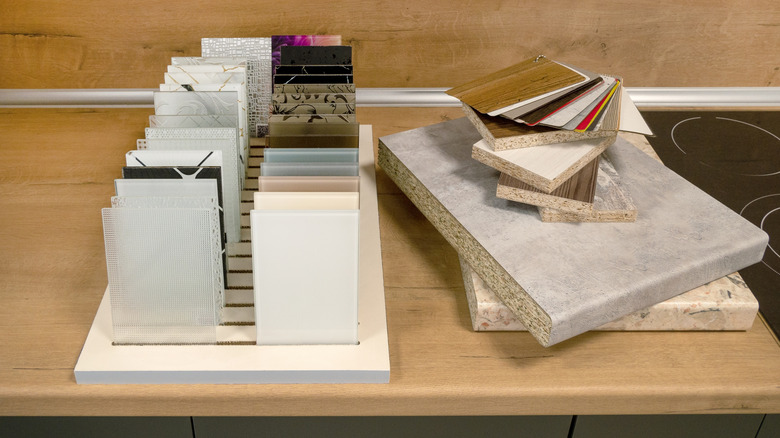
Although wood countertops are a kitchen design trend that's making a huge comeback, they aren't necessarily the right choice for everyone. Wood is incredibly porous, so if your countertop isn't cleaned daily, it can harbor dangerous pathogens that are harmful to your health. The porosity of wood also makes it vulnerable to water intrusion, stains, odors, mold and mildew, and other problems, especially if it isn't regularly treated or sealed.
One of the biggest mistakes people make when opting for butcher-block counters is not doing their research about the level of care and upkeep that will be required. While wood counters are incredibly durable, they are susceptible to gouges, cracks, and nicks over time. When this happens, the countertop will need to be sanded and then re-treated or sealed. And while you can clean wooden counters with mild soap and water or treat stains with lemon juice and baking soda, you can't use abrasive cleaners like bleach or ammonia, which makes it harder to properly sanitize them.
If you can afford a zinc countertop, one big benefit it will have over wood, quartz, and granite countertops is that it won't need to be treated or oiled. However, like wood and natural stone, it may get scratched and gouged if not protected from knives and metal cookware. And like wood, it isn't resistant to extreme heat. If you put a hot pot or dish on a zinc countertop, it could actually start melting.