

Boomers Say These 8 Fast Food Items Taste Totally Different Today
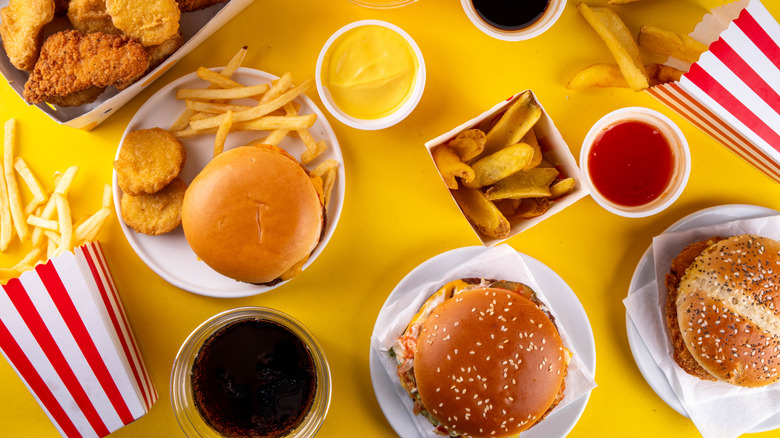
If you're Gen X or older, you may have bitten into your favorite fast food and noticed it doesn't taste the way it did when you were younger. Many baby boomers grew up during a golden age of fast food, when restaurants started as small one-off shops and gradually grew into massive chains like McDonald's, Burger King, and Wendy's. But this rapid growth also brought recipe adjustments and product tweaks to suit mass production. Because of this, some of boomers' favorite items, such as Kentucky Fried Chicken's chicken, Subway's bread, or classic McDonald's fries, taste different now than they did decades ago.
Over the years, changes in suppliers, baking processes, cooking oils, and even kitchen equipment have altered some of the most recognizable items on fast food menus. Some of these updates were meant to improve nutrition or update a product, and others were meant to make certain foods more popular. However, this doesn't mean customers were always happy with the results. Longtime diners of staple fast food chains have taken to the internet to discuss how things just don't taste like they used to, for better or for worse.
McDonald's French Fries
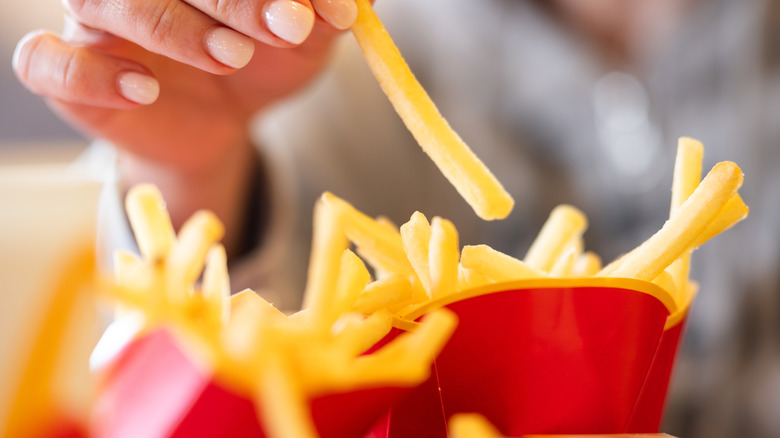
Ask someone who remembers McDonald's in the 1970s or 1980s what made its french fries so good, and they'll probably bring up beef fat. For decades, McDonald's cooked its fries in a beef tallow mixture that gave them a distinct savory flavor and a crispy golden exterior. However, in 1990, McDonald's announced it would switch to frying its fries in vegetable oil to reduce the saturated fat in its food. Although the change responded to health and nutrition concerns, customers weren't universally thrilled with the new fries.
The old-fashioned McDonald's fries keep coming up in online discussions about how fast-food items have evolved, sometimes for the worse. While the move away from beef tallow was a positive change in the eyes of nutrition experts, many McDonald's fans say that this fat is exactly what gave McDonald's fries their signature taste. Once vegetable oil was used, it changed both the taste and texture of the fries. Some customers even complain that McDonald's fries are smaller than they used to be, although there isn't as much evidence to support this.
Subway Bread
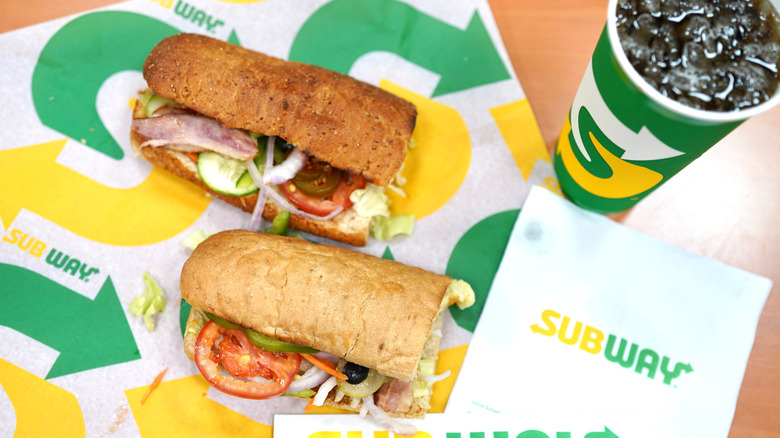
For many longtime Subway diners, the bread was the best part of the sandwich. Its soft, fluffy interior and slightly chewy crust made a perfect vessel for any fillings. Subway has undergone some pretty substantial menu updates through the years, and not all of them have earned the chain good reviews. In the mid-2010s, Subway was pressured to remove artificial ingredients from its menu, including azodicarbonamide, one of the ingredients in its bread recipe. It's also rumored that the process for preparing the bread has changed, which may have caused the change in texture that some customers have complained about.
Not all changes have involved ingredients, though. One particularly significant alteration came in 2000, when the chain changed how it cut its rolls. Instead of carving out a trench along the top, Subway began slicing the bread, creating the familiar hinged sandwich opening used today. Once the changes started, diners began watching the restaurant like hawks. Some have speculated that the subs are getting smaller, too, though this seems purely subjective.
KFC Chicken
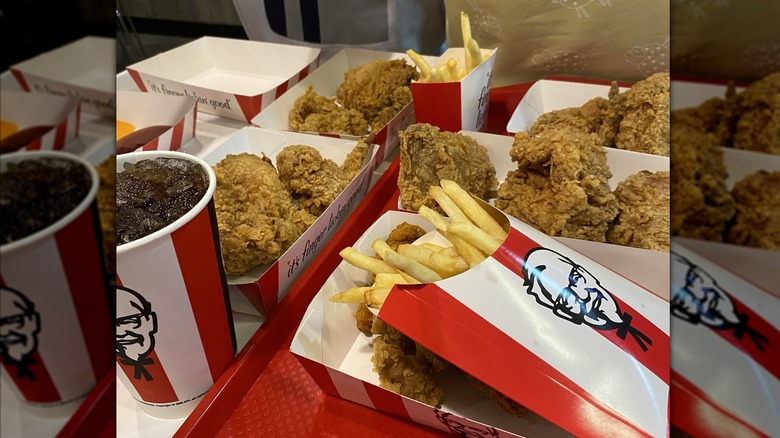
KFC's Original Recipe chicken has been a fast-food staple for generations, thanks to its recognizable seasoning blend and crispy coating. Customers who grew up eating it would recognize the flavor anywhere, which is why any changes to KFC's menu are particularly noticeable. One such change came in 2006, when KFC announced it would replace the partially hydrogenated soybean oil used in its fryers with low-linolenic soybean oil. This adjustment was meant to eliminate trans fats from the fried chicken. The brand promised that the taste wouldn't be affected, but as we learned with McDonald's, the oil used for fried foods can greatly impact the flavor.
Customers have complained that the new chicken isn't as crispy and tastes greasy. This major adjustment is one of the largest reasons diners say KFC doesn't taste the way it used to. Some people attribute the changes to different ownership and higher-ups trying to cut costs by using lower-quality ingredients. When a chain grows as exponentially as some fast-food spots do, it can be hard to maintain the quality that existed when there were just a few shops instead of hundreds nationwide.
Wendy's Burgers
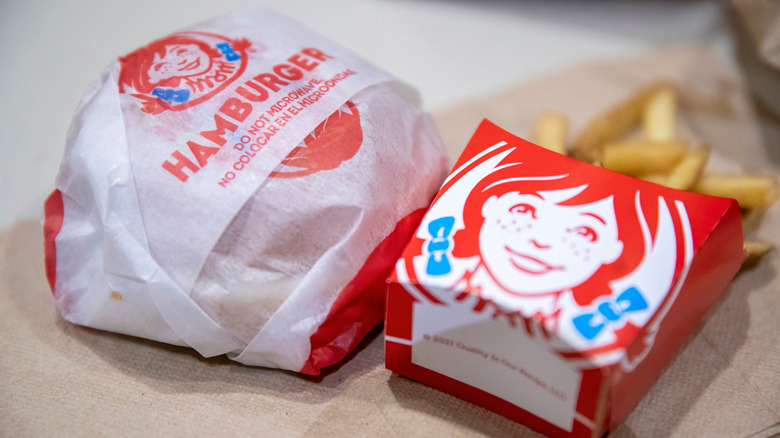
Wendy's built its reputation on fresh, never-frozen beef burgers that were meant to taste a little more substantial than its fast-food competitors. So when customers start saying that Wendy's burgers don't taste as good as they once did, it's easy to pinpoint the changes that could be the direct sources of these complaints. In 2011, Wendy's introduced a new lineup of burgers under its Hot & Juicy promotion. The company explained that the burgers were an upgrade to the classic Wendy's experience, with an emphasis on juicy beef and fresh toppings.
However, instead of an outpouring of support, Wendy's has gotten a steady flood of unsatisfied customers who feel the new Wendy's food just isn't as good. Although Wendy's pitched the menu overhaul as beneficial in both taste and nutrition, many people felt that the old menu was far superior. This happens often in the world of fast food: A company describes a product as improved while longtime customers feel that something they loved has been lost. Wendy's still leans heavily on its fresh-beef value point, but for nostalgic diners, the current burger may not quite match the one they remember ordering years ago.
Burger King Whopper
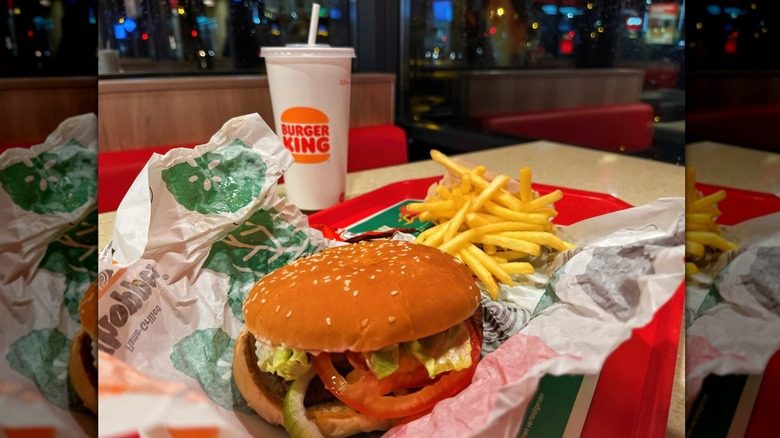
Burger King's Whopper has evolved unlike any other item on a fast-food menu. A signature of the chain since 1957, the burger has been updated and altered over time, though not all changes have been well received. Burger King has worked to remove artificial flavors and preservatives from the burger, as well as streamlining the cooking method. In February 2026, Burger King announced its first major Whopper update in nearly a decade, introducing a more premium bun, creamier mayonnaise, and new packaging.
While fry cooks have always flame-broiled the burgers, the changes to the Whopper's recipe leave customers wanting the version that's been left behind. Some Burger King ex-fans can't even pinpoint exactly what they don't like about the modernized food, just that it tastes "weird." While not all negative feedback can be pinned on one specific change the restaurant has made, there's no doubt BK has changed a lot. What started as a small burger joint has evolved into a worldwide chain, and the recipes had to evolve along with it.
Pizza Hut Pan Pizza
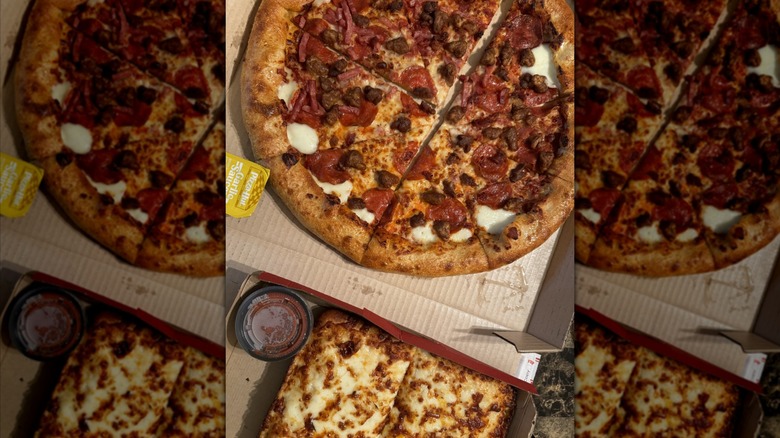
For the boomer generation, and even some of the generations that followed, Pizza Hut is reminiscent of childhood birthday parties and celebratory dinners. For decades, fans grew accustomed to every part of the pizza, from the buttery crust to the sauce to the gooey cheese. In May of 2019, Pizza Hut announced it would reformulate the Original Pan Pizza for the first time in over forty years. The brand adjusted its cheese blend and sauce recipe. While this change-up excited some customers who felt the pizza was old news, not everyone was enthusiastic.
When customers have spent forty years loving something, it's difficult to sell them on a recipe change. Diners note that the food now seems both dry and greasy, saying that the pizza just isn't what it once was. Unfortunately, many Pizza Hut lovers have noticed the flavor decline, and disappointment is rampant online. This is an example of a chain that was hurt more than helped by a so-called recipe "improvement."
Dunkin' Donuts
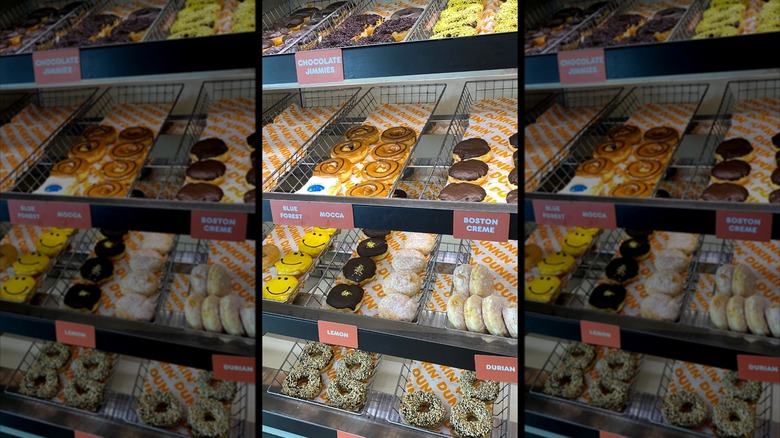
Walking into a Dunkin' Donuts used to mean seeing employees preparing fresh doughnuts in the store and being greeted by that fresh pastry smell. But Dunkin' has gradually moved away from having every location make its own products, with some utilizing local bakeries and some using a new frozen doughnut technology called Iditarod, where doughnuts were produced, frozen, and then transported across the nation to stores. This system was popular among many stores, but locations across the country have the freedom to source their doughnuts. So, there may be variation from location to location.
It's easy to see why customers miss the old days of Dunkin'. When a chain expands so rapidly, workers have to keep up with higher demand and find ways to speed up the cooking process. Dunkin' has had to alter or even remove some of its original items because they are too labor-intensive to keep up with demand. However, industrializing the doughnut-making process leaves customers missing that homemade flavor, pushing them to seek it elsewhere.
Taco Bell Beef
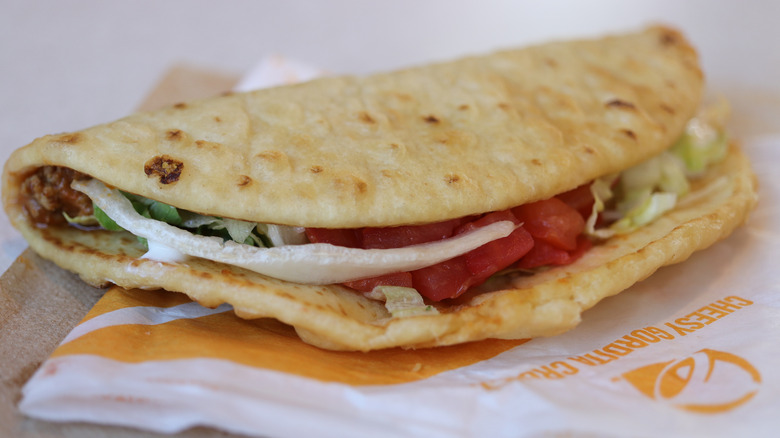
Taco Bell's seasoned beef is at the core of almost everything on the menu, including some of the most memorable items that have come and gone. The distinct seasoning blend gives it a familiar flavor that is the star of many a burrito, taco, and the Crunchwrap Supreme. But some people complain the beef doesn't taste as good as it once did, and our research backs those claims.
One documented adjustment in 2014 involved sodium, when Taco Bell said it used potassium chloride as a salt substitute to reduce the amount of salt in its beef. The company also listed ingredients such as torula yeast, which adds a savory flavor; trehalose, which helps improve taste; and citric acid, which contributes some brightness. Then, in 2015, Taco Bell announced a broader effort to remove artificial flavors and colors from its menu, replacing ingredients like black pepper flavoring with actual black pepper.
Small change after small change occurred, until the seasoned beef was quite different from the original product. In the years following these changes, customers have noticed a definite decline in flavor and texture, with people noting that the meat tastes drier and less flavorful than it used to.