

6 Forgotten Iconic Beers From The 1970s That Deserve A Comeback
We may receive a commission on purchases made from links.
The '70s were a golden age of American beer. You could often buy a six-pack for under a dollar, and beer coolers weren't monopolized by the same few big brands. Regional breweries had loyal followings and expanded their products across the nation, giving people a beer to suit their taste. From Detroit's Goebel to New York's Rheingold, these once-popular brews helped define the American drinking culture of the 1970s. A family might spend an entire generation buying the same beer for a treat after work or a weekend off. People spent years buying the same brands before they suddenly vanished from shelves, and the household had to switch to something different.
Today, many of these beloved brands have faded from the public eye. Even those with strong marketing campaigns or years as household names have become obscure relics of the past. Some brands fell victim to declining sales or couldn't withstand competition from larger brands. Others experienced ownership changes or brewery closures. Each of these beers from the 1970s has a story connected to American brewing, and each one is a brew that someone wishes would make its way back to stores.
Goebel
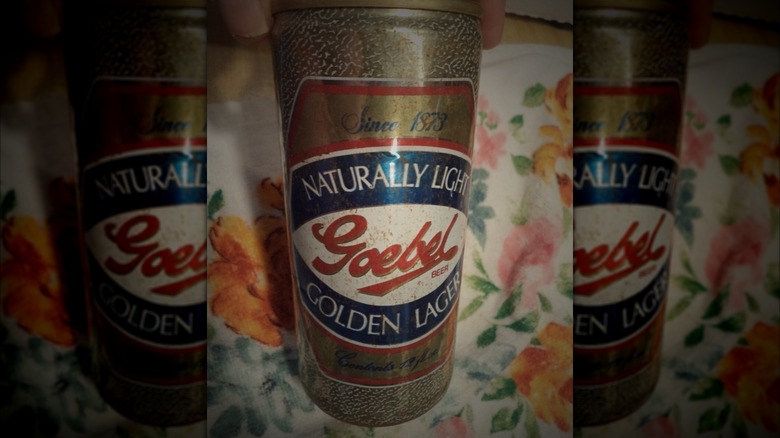
Goebel was an affordable light lager that arguably owed its initial success to working-class drinkers in Detroit. The Goebel Brewing Company opened in the 1870s and built a loyal following among people who wanted a hearty, full-bodied beer without paying the premium many beers carried. Vintage advertisements leaned into Goebel's everyday appeal, emphasizing that it was part of daily life and could be part of anyone's household, not just the wealthier classes.
Many people remember Goebel as something their fathers and uncles drank, and so it was passed down to them. Often, when something is in the house growing up, you gravitate toward it when it's your turn to do the shopping in your own home. So, Goebel's legacy continued until it was removed from shelves in 2005. Goebel and its parent company changed hands a couple times, first sold to its rival, the Stroh Brewery Co., in 1964 and then to the Pabst Brewing Co. in 1999, when the latter acquired Stroh's. Unfortunately, Goebel sales had been on the decline for some time, and the brand was eventually discontinued.
Falstaff
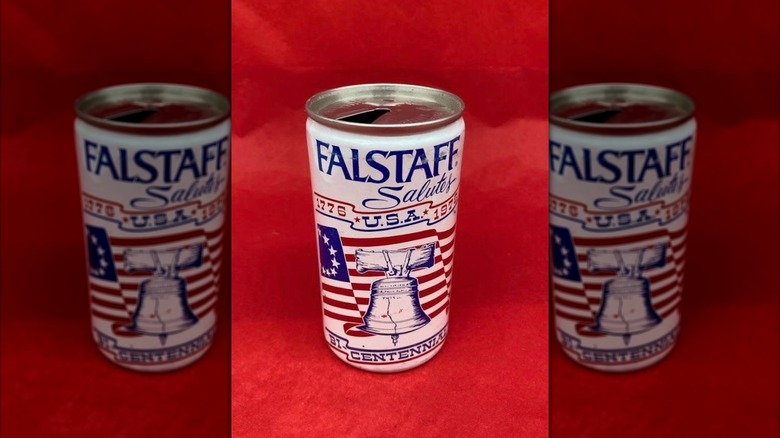
Once upon a time, Falstaff was a heavyweight in American beer. It was served at bars and restaurants and was common to find in household refrigerators. It was a popular brew throughout the sixties, with that popularity carrying over into the next decade. The beer was one of the most well-known American brands of the time, with over seven million barrels brewed a year at its peak. The brand started in St. Louis and steadily grew throughout the Midwest, purchasing other breweries and expanding the brand. The business sprawled across the country, and while this made Falstaff more recognizable, the strategy also brought financial hardships.
As in many other decades, bigger businesses had a leg up on small regional breweries because they had advantages in advertising, distribution, and production costs. Basically, the larger companies had the advantage every step of the way. After Falstaff came under new ownership in 1975, the original St. Louis brewery closed, with other facilities shutting down in the following years. Falstaff's slow decline began in 1990, and it was ultimately discontinued by Pabst in 2005, when sales were no longer viable. A comeback for Falstaff wouldn't require an entire reinvention, only a simple reintroduction of a classic, accessible lager.
Rheingold
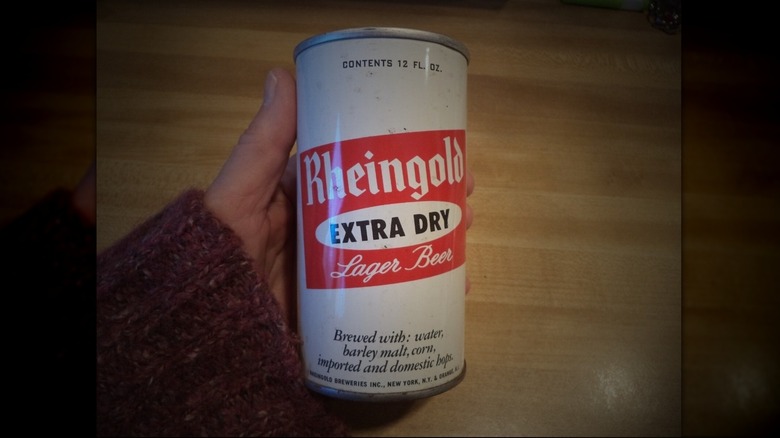
Few beers were as closely tied to New York City's identity as Rheingold. This brand dates all the way back to 1883, when the brewery was founded in Brooklyn. Rheingold's advertising was incredible; the brand held a beauty pageant to find Miss Rheingold and ran several catchy jingles and slogans. Ads also featured celebrities like John Wayne, increasing its appeal to American beer drinkers.
Rheingold beer was crisp and dry, and its unique flavor grasped the New York City market. Tastes shifted, however; drinkers eventually wanted something lighter than Rheingold, and the brand lost its footing. The Liebmann family, who had opened the Brooklyn brewery decades prior, sold the business to a New Jersey-based Pepsi Bottling Company in the mid-1960s. The original brewery closed down about a decade later, and it's said that NYC saw the last Rheingold bottles from this era sold in 1978. Customers who have been wanting a Rheingold comeback may have some luck, though; this beer has seen some revivals by various companies in the decades since, most recently through Brewing Brands, LLC in 2024, following a long hiatus.
Olympia
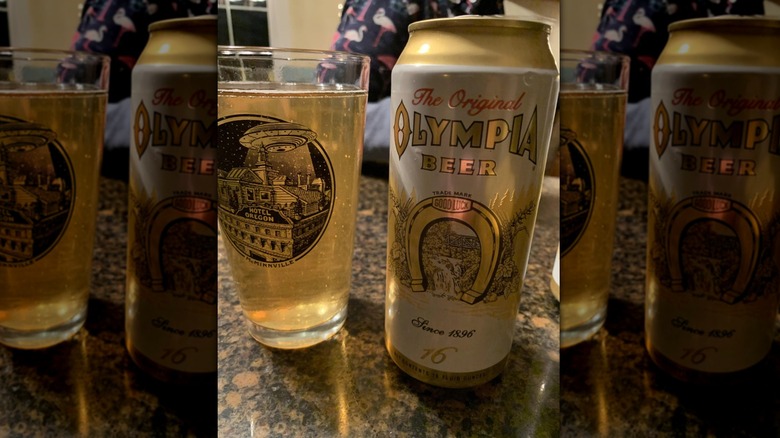
One of the best-known beers that everyone seemed to drink in the '70s was Olympia. Olympia beer was best known for its slogan: "It's the water." First brewed by The Capital Brewing Company in 1896 (later renamed the Olympia Brewing Company in 1902), this Washington state beer became known for the artisan water used at the original brewery, which was believed to enhance the smoothness and taste.
Olympia's approachable, easy brew earned it a loyal following while other breweries competed for national fame. The beer was known as something your dad might come home and drink after a day at work or spent fishing. It became a Pacific Northwest favorite and slowly spread to other states. The regional claim to fame that came from the water gave Olympia a marker that made it stand out from other lagers. The brewery became a big part of Tumwater, Washington's economy, so the drink carried an element of local pride, as well.
Even after the original brewery stopped producing Olympia, the locals associated the drink with the town. This brewery was closed when the Schmidt family (the original owners) sold it to the G. Heileman Brewing Co. in the early '80s. Ownership went through a revolving-door cycle, changing hands from Pabst to Miller in 1999. When the company paused Olympia in 2021, fans hoped production of the generations-old beer would resume, but it never did. You can, however, find the odd can in Canada.
Schlitz
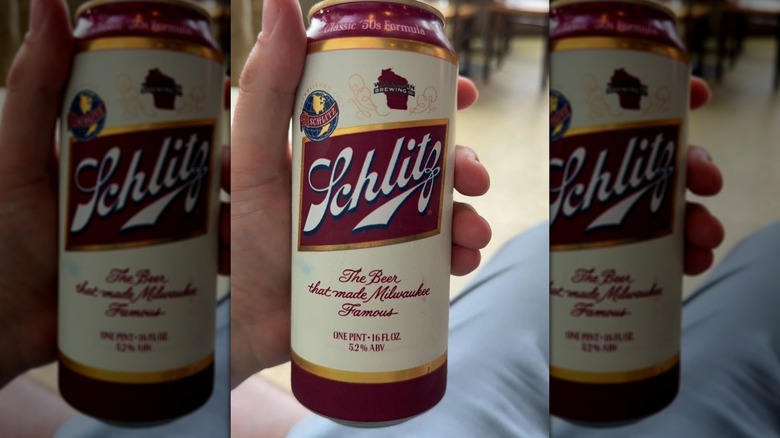
Another beer with a rock-solid marketing campaign, Schlitz was "The beer that made Milwaukee famous." The brand's popularity came from decades of nationwide distribution as well as recognition, as it could be found in bars and homes across the U.S. People who drank Schlitz in their youth remember it as an affordable, easy-to-find beer. Unlike some other beers of the time, Schlitz was not a regional, small-town beer that was obscure to most of the country. It was an established brand, well known for its taste and accessibility to the everyday American beer drinker.
Schlitz's downfall came when the company tried to fix something that wasn't technically broken. In 1967, Schlitz tried to increase profitability by shortening the brewing process. These changes damaged the beer's quality and made the consistency of the beer noticeably worse. The foam was lacking, the flavor was altered, and people who had come to know Schlitz as a reliable, consistent beer reacted negatively. When sales declined during the '70s, the brand ran a semi-threatening advertisement, saying, "If you don't have Schlitz, you don't have gusto."
It didn't take long for brewing in Milwaukee to stop, and in 1982, Stroh's acquired Schlitz. The classic Schlitz formula was retired, although it did have a brief comeback in 2008.
Meister Bräu
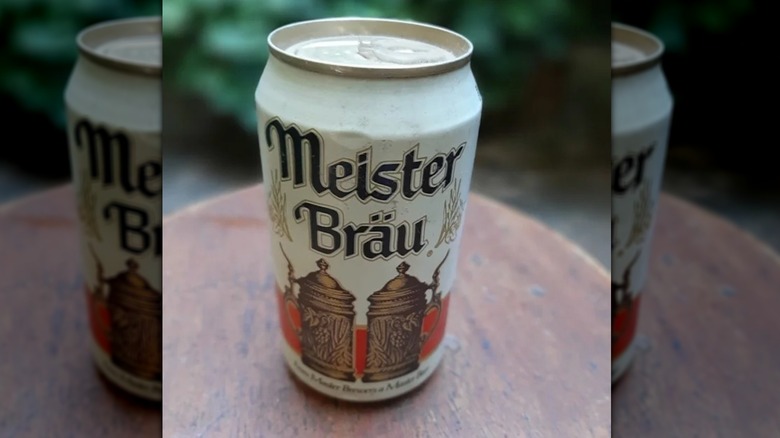
Before Miller Lite became a household name, there was Meister Bräu Lite. With roots in Chicago dating back to 1891, the original Master Bräu was a hometown favorite for generations. Peter Hand opened his brewery on North Avenue, and by the 1960s, the company had grown into one of the country's top 30 beer producers. With over one million barrels made annually at the time, this was certainly not an unknown brew. Meister Bräu relied heavily on local advertising, further cementing its place in Chicago culture. The company sponsored local sports broadcasts and sold promotional items such as coasters, posters, and bottle openers.
In the 1960s and '70s, when Meister Bräu was still extremely popular, lite beers were not commonplace. So, it was an act of innovation when the brand released Meister Bräu Lite, a reduced-calorie formula developed by biochemist Joseph Owades. Once the lite beer fad was in full swing, Miller acquired the brand, eventually turning the concept into Miller Lite. The Meister Bräu label was discontinued in 2005 after decreased sales.
Methodology
To select the forgotten beers that made the most impact while they were still on shelves, I reviewed accounts of popular American beers and news articles about beers that shuttered after the seventies. I also looked at public forums such as Reddit, Facebook, and other sites to see which beers people remembered growing up with. What did their dads drink after they came home from work? What did they notice was always in the house? What did they drink in college that was always on tap at their local bars? Collecting both factual information and anecdotes helped me create a list not only of beers around during this decade, but also of the beers people miss most and wish would make a resurgence today.