

8 Times Coca-Cola Tried And Failed (Miserably)
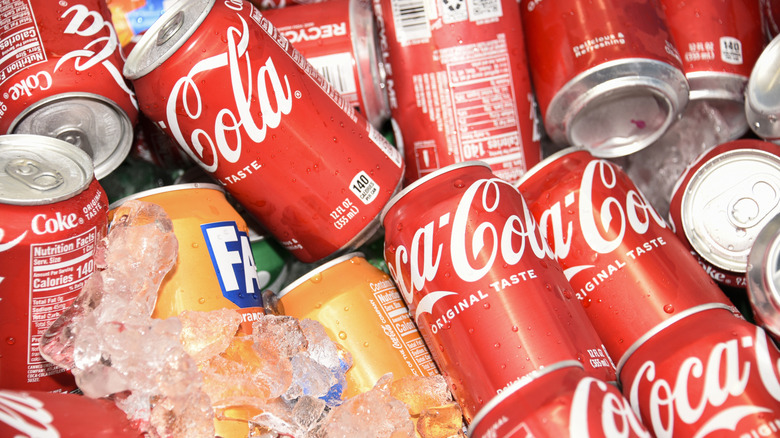
If you head to the soda section of your local grocery store or you're browsing a gas station convenience store on a road trip, you'll see that there are so many different Coca-Cola flavors to choose from. However, the varieties you'll see on shelves today aren't the only flavors Coke has ever had — there are more than a few discontinued Coke products that are no longer available, no matter how much we might want them back. And when you start talking about all of the other drink lines Coca-Cola owns? It just makes sense that the brand would've had several flops in its long history.
We're taking a closer look at some of the attempts Coke has made to roll out new products that have ultimately failed. These aren't necessarily all bad products, but for whatever reason, at the times the brand released them, they just didn't perform well. Maybe you got the chance to taste these drinks while they were still on the market, and perhaps you even hope that Coke will bring some of them back someday. But for now, these are some of Coca-Cola's biggest failures.
OK Soda
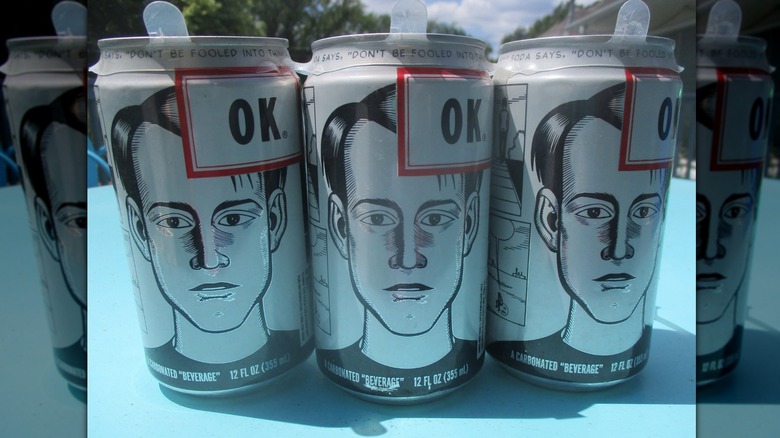
If you look at a photo of OK Soda, the first thing you'll likely recognize is that the packaging is cool, which makes it even more of a shame that the product ultimately failed. Actually, though, that's probably part of the reason why it did fail. Marketers looked at the plight of Gen X individuals, who were mostly young adults when the drink came out, and they recognized that there was distrust and angst toward the system that was making life harder for them than it had been for their parents. The soda's packaging was an attempt to tap into that angst, offering a visual counterpoint to the classic, established, and mass-produced Coke. But perhaps the fact that this supposedly countercultural drink was produced by one of the biggest names in the drink business made it seem less than genuine.
This soda was released in 1993 but was off shelves by 1995, staying on the market for a measly and apparently unsuccessful two years. One Redditor remembered the flavor as being like a mix of other sodas, citing flavors like orange, cola, and Sprite. Others seem to remember it fondly, even if it didn't last long on shelves. A commenter on this original post said they loved the art, which was echoed by the OP, who actually kept some of the opened cans (but had since lost them).
Coca-Cola Blāk
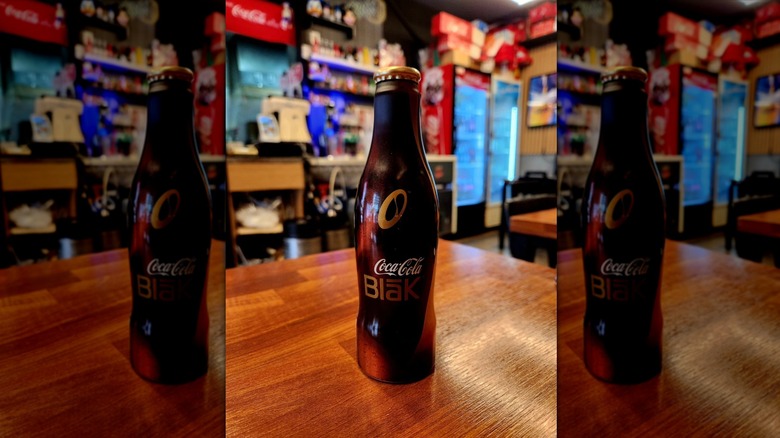
These days, the idea of combining coffee and soda isn't that unusual. But when Coca-Cola Blāk first came out back in 2006, it just wasn't a flavor that customers were into. That's right — Coke had a coffee-flavored soda in its lineup, which seems to make sense. Why not combine two caffeinated products into one? Unfortunately, though, this drink didn't survive for long. In 2008, Coke pulled the product from shelves because people just didn't seem to be that interested in this kind of flavor profile.
Even though it didn't really do that well, there are still drinkers out there who miss it. One Redditor said that they hope the drink makes a comeback. They mix Coke and coffee themselves, but apparently, it doesn't quite taste the same. A commenter on this post, however, wrote that they used to work for Coke when the beverage came out, and they found it deeply unpleasant, going so far as to describe it as "vile." Those who do miss Coca-Cola Blāk, though, might be interested to know that the drink company now sells Coke with Coffee in some markets.
New Coke
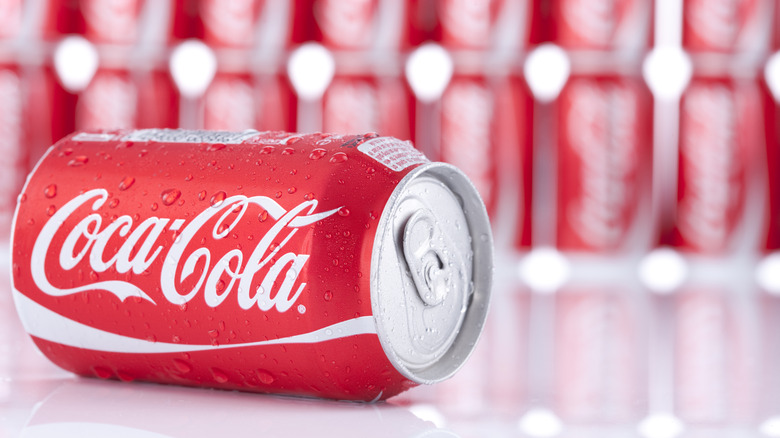
They say that if it's not broken, you shouldn't fix it. Apparently, though, Coca-Cola didn't get the memo, at least when it came to the brand's release of New Coke in 1985. The drink company wasn't simply adding a new flavor to its lineup, though — New Coke was actually intended to replace the old version of the drink. That's why this may just be Coca-Cola's worst flop of all time. There were protests against the company, and some even wrote petitions. It was clear: People didn't like New Coke, and they wanted their old, familiar drink back. And honestly, when it comes to a product as classic as Coke, that sort of makes sense. Most loyal drinkers are going to want to return to that same, familiar flavor, and if they wanted something new, they'd just try a different soda instead.
It was only less than three months after New Coke was released that Coca-Cola backtracked and reintroduced the original version of the drink, which highlights just how disastrous the rollout was. However, once Classic Coke came back onto shelves, sales were actually boosted, ostensibly because so many missed the original version of the drink that had been absent for three months.
Sprite Remix
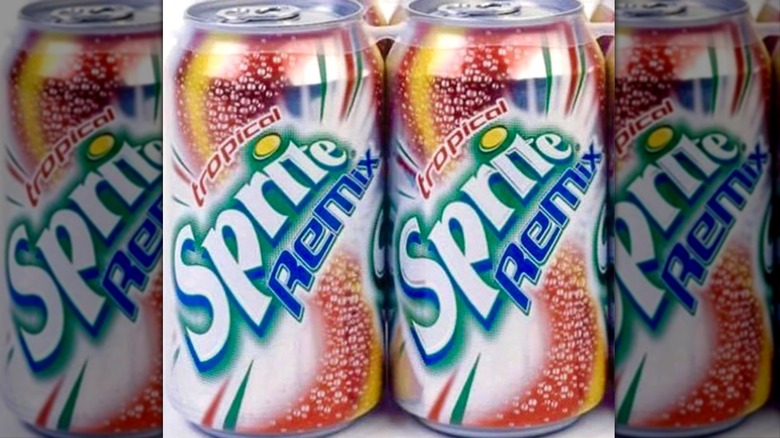
For those who don't know: Yes, Sprite is owned by Coca-Cola. While the original version was put onto the market in 1961, Coca-Cola decided to switch it up and release new flavors back in 2003. There were actually three different Sprite Remix flavors: Tropical, Berryclear, and Aruba Jam. They all leaned toward the fruity end of the spectrum for an arguably more interesting take on the standard lemon-lime flavor for which the original Sprite is known. Just a few years later, though, Sprite Remix was already absent from shelves, relegated to a ghost of Coca-Cola beverages past.
Just because Coca-Cola decided to discontinue the product, though, doesn't mean that everyone thought it was bad. In fact, some Redditors look back on the drink fondly, wishing they could still get their hands on it. One wrote that they loved these flavors when they were a kid, and a commenter said that they think about Sprite Remix every day. Other Reddit threads tap into that same sense of nostalgia over the drink. Ultimately, this line of sodas was a failure because it didn't end up sticking around for the long term. But if you were someone who loved the drink, it's a bummer that it's no longer around.
Vio
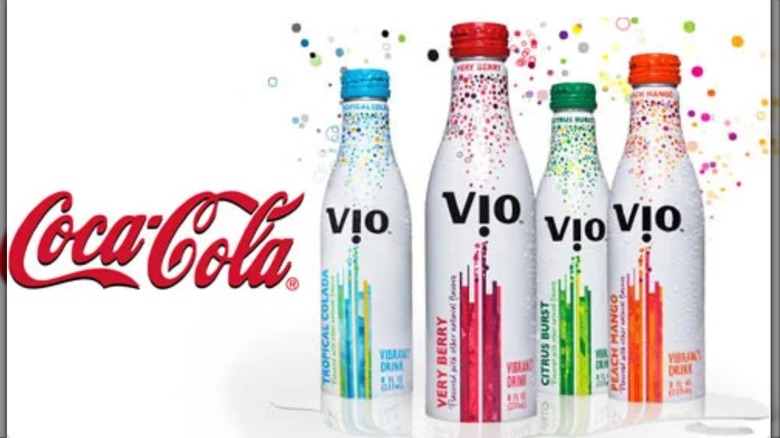
Truthfully, we're not all that surprised that Coca-Cola Vio never really took off like the company may have expected. Why? Because Vio was a milk-based carbonated beverage. Yes, you read that right: If you ever wanted bubbly dairy, then this was apparently the drink for you. It was sort of like milk mixed with sparkling water, and it was infused with fruity flavors. Similar sorts of products can be found in Asia, but it's something that probably seemed unpleasant to most American drinkers when it was released in 2009. In fact, it was such a failure that it was never fully released on the American market.
Look, we love the fact that Coca-Cola tried to do something new and that it apparently took inspiration from global flavors. But honestly, it's sort of shocking that the company even thought this would be a good idea. Who knows, though? It might have actually been pretty good, and we just never got the chance to try it.
Citra
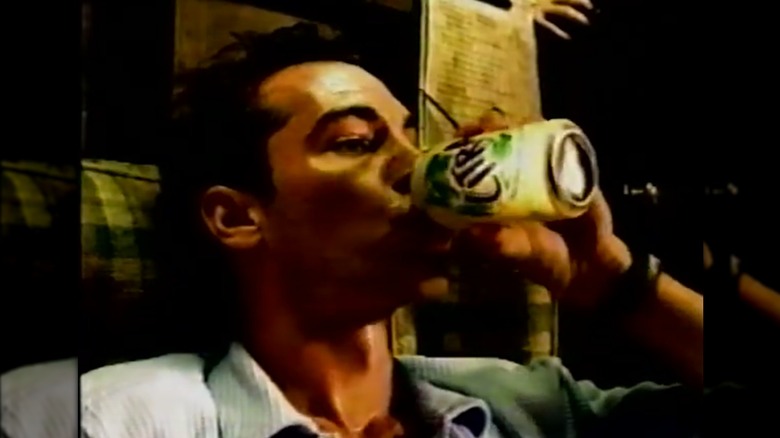
If you tend to like lighter, fresher sodas, then chances are, you would've liked Citra. This grapefruit-flavored, caffeine-free soda was released in 1996. These days, there are plenty of grapefruit sodas on the market, but apparently, at that time in soda history, it just didn't resonate very well with customers. It was eventually removed from Coca-Cola's lineup and was instead dubbed Fanta Citrus.
Even though sales of the soda weren't exactly strong, there are still some fans who think about Citra to this day. A Redditor posted a photo of the drink's can to the r/soda subreddit and asked if anyone remembered it. They described it as "kind of like a grapefruit soda like Squirt, or like if someone made Fresca with high fructose corn syrup instead of artificial sweeteners." Plenty of commenters on the post said they remembered the drink as well, with one saying that they loved it back when they were in school. However, not everyone was such a big fan of Citra. Another commenter wrote, "It was a stupid idea. We don't need a [sugared] Fresca." Maybe they have a point, considering that those who might gravitate toward grapefruit, a notoriously bitter fruit, probably don't want a ton of added sugar in their drink.
Coca-Cola Life
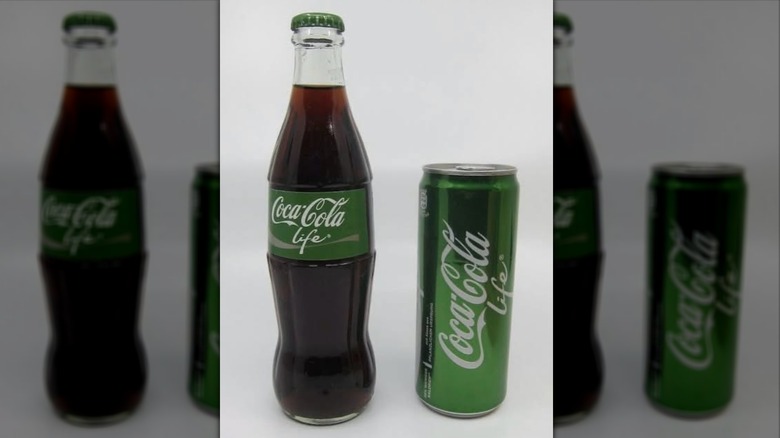
Do you remember those bottles of Coke with the green labels? Yeah, that was Coca-Cola Life, an iteration of the classic beverage that replaced a third of its sugar with Truvia instead, ostensibly making for a healthier-seeming beverage. It was originally rolled out in Argentina back in 2013, and in the next few years, it made its debut on several different markets, finally landing in the United States in 2014. It arguably wasn't Coca-Cola's biggest flop, because it remained on the soda scene until 2020. But critics say it was discontinued because it occupied a strange third soda category that not many consumers seemed to be looking for. Drinkers looking for a sugar-free soda probably preferred plain old Diet Coke, while those who crave real sugar would likely just opt for the standard version of the drink.
On Reddit, a poster asked other users whether they remembered the soda, and a commenter responded that they had worked in retail when it was on store shelves, and they remembered that nobody really purchased it. But there are those who were fans of the drink, with one commenter saying that it was one of the reduced-calorie Coke flavors that tasted closest to the real thing.
Tab Clear
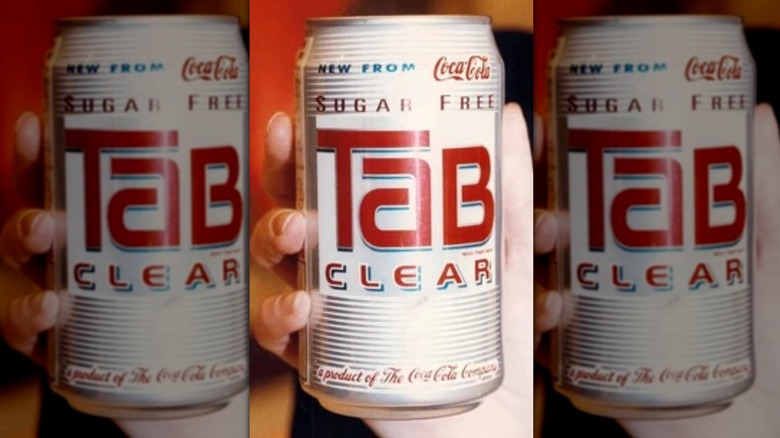
It was all the way back in 1992 that Coca-Cola came out with Tab Clear, a futuristic-looking beverage with no calories or sugar (although an earlier version of the drink was released in 1963). The drink was clear, which was a novelty at the time, and made it a direct competitor to the new-at-the-time Crystal Pepsi. Interestingly, Coca-Cola actually designed the drink to fail — the company hoped that customers would confuse the two drinks and assume that Crystal Pepsi was also a diet-focused drink, even though it wasn't. This, Coca-Cola believed, would take down its competition for a clear beverage. So, it wasn't long before both products flopped.
Since this beverage was around for such a short time, we didn't find too many people discussing it on the internet. However, there is a Redditor who remembered the drink and looked back on it with a sense of nostalgia, saying that it made an impression during their youth and that it tasted just like Coca-Cola. We're glad that this person had some fond memories of the drink, but we have to admit that this is a pretty slimy business tactic. While we can totally understand a business coming up with a similar product to its competitors', making a drink to purposefully make another one fail seems like a sort of predatory business practice.