

10 Frequent Complaints About American Whiskeys
As with many things in life, American whiskey has plenty of fans, but also plenty of detractors. Criticism ranges widely and is usually centered around how the spirit is made, sold, or marketed. If you're interested in American whiskey, you may have heard many of these complaints, but what is the truth behind them? That's what I wanted to look at here. I'm a lover of American whiskey, but I wanted to examine these complaints through an objective lens, especially given that there is at least some validity behind many of them.
American whiskey occupies a different space from Scotch, Irish, and Japanese whisky and has its own production traditions, regulations, flavor profiles, and aging practices. Those differences inevitably influence the expectations drinkers have for it. I used my many years of experience enjoying all types of whiskey to either defend or agree with these frequent complaints, giving you a full and honest picture of the American whiskey landscape.
1. They are too sweet
Firstly, I wanted to address a point of clarity. Not all American whiskey is bourbon, but for the sake of this article, I will mostly be referring to the qualities of bourbon. One quality is its mash bill; bourbon needs to be made from at least 51% corn, with most bourbon being around 70%. This is in stark contrast to single malt whisky, which is made from 100% malted barley. Corn is naturally sweet, especially when compared to other grains like barley, rye, and wheat, which in turn makes corn-heavy bourbon sweet.
This means that American whiskey is usually sweet, which often comes across in the glass as vanilla and caramel. This is further influenced by its maturation in new oak barrels. This can lead to an indulgent, dessert-like character, which is absent from other types of whiskey. Therefore, this shouldn't really be seen as a complaint, but more as a fundamental difference in tasting preferences. Ultimately, sweetness is a defining feature of many American whiskeys, but that doesn't make it a weakness. It's just a fundamental part of bourbon, so if you don't like it, then American whiskey simply isn't for you. That being said, the worst bourbons out there can have a sickly, artificial-tasting sweetness, so those who complain about sweetness should try a good bourbon first, then decide whether it's right for them.
2. Too much alcohol burn

Another frequent complaint about American whiskey is that it can be excessively harsh and leave an alcohol burn. This criticism often stems from a bourbon being high proof, not a lack of craftsmanship. If you're accustomed to drinking Scotch or Irish whisky, you'll be used to drinking bottles that are 80 proof or only a little bit higher. American whiskey, on the other hand, can be upwards of 100 proof and higher. Due to this, I feel this criticism simply comes from a lack of experience with high-proof whiskey. However, younger expressions and poorly balanced releases can certainly be guilty of this.
Higher alcohol content can certainly come across as more aggressive. Yet, once you have experience with these expressions, you get used to them and may find that what you thought was alcohol burn is just a high level of heat. There is a world of difference between the ethanol burn you get from cheap whiskey and the heat delivered by the best high-proof bourbon. Many people also overlook that you can add water to bourbon to make the spirit more manageable. However, bottling at greater strengths can preserve more of the spirit's flavor intensity, mouthfeel, and complexity, which is perfect for anyone who likes bolder whiskey. Thankfully, there are still plenty of low-proof bourbons to enjoy for those who struggle with heat.
3. There's too much oak influence
Here we get to another huge difference between Scotch whisky and American whiskey. Scotch is usually matured in used barrels, whereas bourbon legally has to be aged in new, charred oak barrels. Due to this requirement, bourbon is more likely to pull out flavors from the wood than whisky aged in used barrels. Interestingly, the vast majority of Scotch is aged in ex-bourbon barrels. American producers can age a whiskey in a used barrel; they just won't be allowed to call it bourbon. In short, if you want to make a bourbon, you can't really choose how significant its oak influence is; your hands are more or less tied.
In my opinion, oakiness is one of the best features of bourbon, as many expressions have a beautiful thread of oak running through them. Older expressions can be a lot more oaky, which I love, but I understand why others wouldn't, as it can bring tannic and sometimes bitter characteristics. They can be an acquired taste. Nevertheless, excessive oak influence isn't an issue exclusive to American whiskey, nor is it an inevitable consequence of using new barrels. There are plenty of great American whiskeys out there with minimal oak influence; you just need to search for them. When properly managed, new charred oak provides depth, richness, and complexity, making this flavor a strength of American whiskey rather than a weakness.
4. They lack complexity
Some say that American whiskey lacks depth and complexity. This can be for several reasons, including a couple we have already touched on. If you're not used to sweeter whiskey, this may be all your taste buds will focus on the first time you try it. In reality, there are plenty of flavors behind this sweetness. The minimal maturation time can have an impact as well. If you only associate complexity with extended maturation, you may find American whiskey to be comparatively one-dimensional. There is some justification for this complaint, as extended maturation can introduce additional layers of flavor, with gradual interaction between the spirit, oak, and surrounding environment contributing to greater depth.
Yet, even younger American expressions can develop considerable character without spending decades in the barrel. And there are other ways that an American whiskey can add layers of complexity to a bottle, such as through different mash bills and production methods. I feel this is perhaps the fairest complaint, as a mid-range Scotch will often have more complexity than a mid-range bourbon. But American whiskey in itself is far from simple, and there are plenty of bottles that showcase nuance and depth. It's just about looking in the right place.
5. Bottles can be overpriced
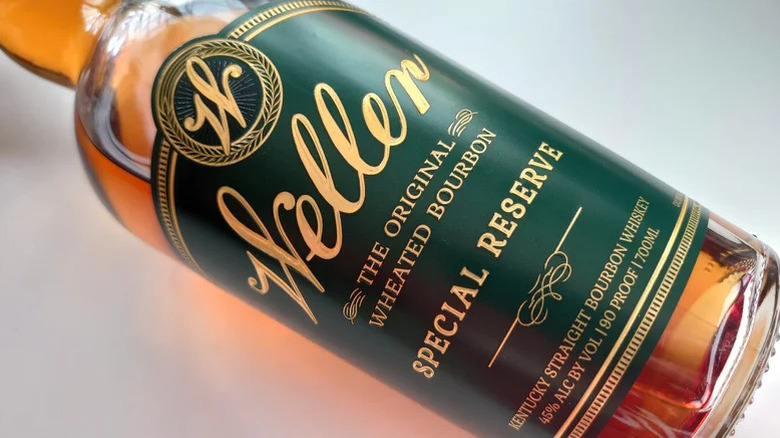
The value proposition of American whiskey can be a little all over the place. Some bottles (even bottom-shelf ones) provide incredible value for money. There are also top-shelf whiskeys that are never going to let you down. Alongside that are bottles with prices that are difficult to justify. This is particularly true with allocated bourbons and limited releases, where strong demand and restricted availability can push prices sky-high. A good example is Weller Special Reserve. It should be a lovely mid-priced bottle, but that's not always been the case. Its recommended retail price is $27.99, but the average cost on secondary markets is over double that.
An obvious problem with whiskey is that a company can't instantly ramp up production as it can with a ready-made product. The years of maturation required means that supply takes a long time to meet demand. Even so, it can be disappointing when you want to try a bourbon and realize that you can't find it at a reasonable price — or at all. It's an understandable criticism, but one that can't be applied to the entire category — only a small subset of it. There are plenty of excellent-value American whiskeys, particularly among widely available bourbons, of which there are many.
6. Some brands can be overhyped
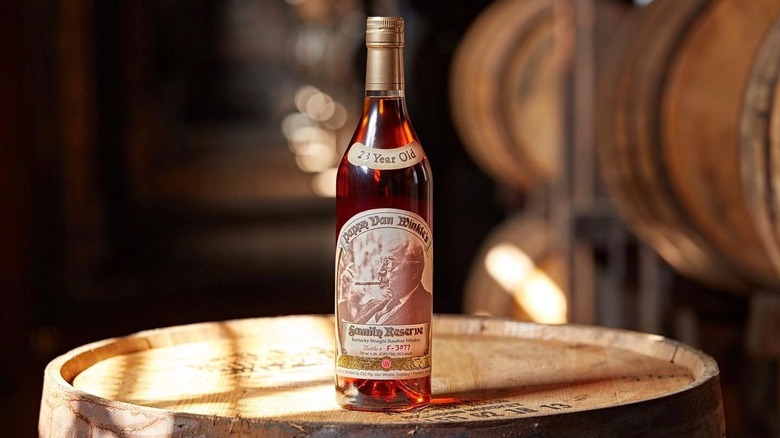
This is tied to the previous point but is a separate complaint. Scarcity can drive up prices, as can reputation and excitement. Some bottles become almost mythical, so much so that they are often dubbed "unicorn bottles." There is one obvious example here, and if you're a long-time bourbon fan, you'll know where I'm going: Pappy Van Winkle, which has racked up a few complaints of its own, few of which are about the whiskey itself. It has an almost legendary reputation among bourbon enthusiasts, but it's still just a bourbon. The bottles command eye-watering prices, and even spotting a bottle behind a bar can be a hugely exciting yet expensive experience.
The anticipation can make it seem like you're going to enjoy the best thing you've ever tasted when, in reality, the prices attached to its bottles can be difficult to justify. Pappy is the best example, but far from the only one. And don't get me wrong: I love Pappy, but my wallet never has. The same criticism can be applied to other heavily hyped releases, where scarcity and brand prestige become almost as important as the whiskey itself. The issue is more about managing expectations, particularly when paying several times the original retail price.
7. Repetitive tasting notes
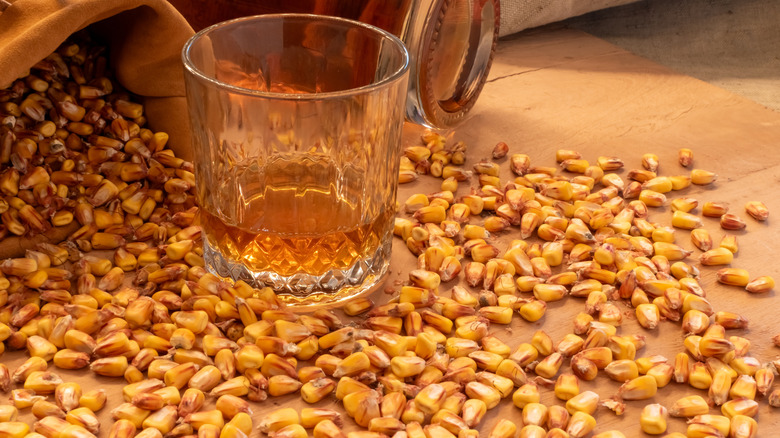
There are a handful of common tasting notes in bourbon. The sweetness can almost always be tasted in the glass as vanilla and caramel. Then, you have the aforementioned oak influence. Along with this, there is a warmth that comes from baking spices. When I write about whiskey, it can sometimes be difficult to write descriptions because I don't want to repeat myself. It's fair to say these tasting notes can be repetitive, but whether this is a weakness is another matter. In other spirits, regional influences, peat, different cask types, and malt characteristics can produce wildly contrasting profiles.
In comparison, American whiskey may appear to have a narrower range of flavors, but I'd say this is an unfair complaint. Mash bills, yeast strains, fermentation techniques, and distillation methods can all affect how these flavors are presented. The best whiskies may have common tasting notes, but those flavors are complemented by unique depth and complexity. Because of this, you could make the case that bourbon is actually more unique than other types of whiskey.
8. Less information about age statements
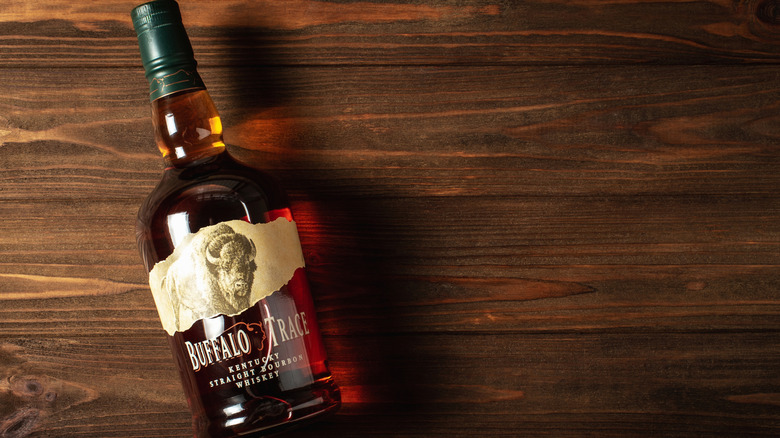
Generally, the older a bourbon is, the better it will be. Yet, the word "generally" is going to do a lot of heavy lifting there, as the reality is incredibly nuanced. One of those nuances is that whiskey in warmer climates matures faster than in cold climates. Therefore, there is huge difference between a barrel in Kentucky warehouse and one aged on the rugged islands off Scotland. It also means that if there were an age statement on bourbon, it might not seem impressive to a casual observer. For example, a 12-year Scotch is at the lower end of the maturity scale, while a 12-year Kentucky bourbon has been more heavily influenced by its cask and climate.
The process is also complicated because an age statement must legally indicate the youngest whiskey in a bottle. So if a 95%, 12-year spirit is blended with 5% 4-year-old spirit, it can only be marketed as a 4-year bottle. In this instance, an age statement could cause confusion rather than clarity.
When speaking about American whiskey, age isn't a reliable measure of quality, especially with American whiskeys matured in hotter climates. In my experience, a well-made six-year-old bourbon can be just as enjoyable as a considerably older Scotch.
9. Sourced bourbon can be misleading
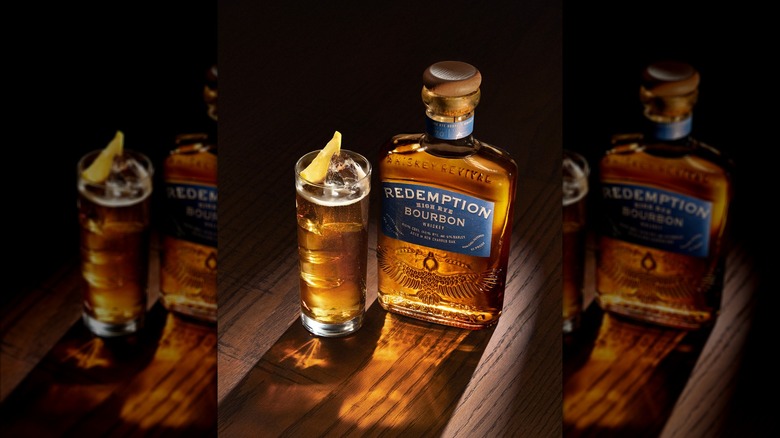
For someone new to the world of bourbon, it would be logical to assume that each brand comes from the distillery that created it. Yet, that's not always true. There are sourced bourbon brands, which purchase the whiskey from another distillery. The issue here can be what happens between buying that whiskey and selling it. There are many good sourced brands out there, such as Redemption, that do a great job of blending, aging, and finishing the whiskey so that it becomes its own unique product.
The issue is that, as a consumer, it's hard to tell the good from the bad. A brand may have put a lot of emphasis on creating and marketing fancy bottles, but put little care into the actual product. There is nothing inherently wrong with sourced bourbon; you just don't want to feel as though you are being lied to. Some give the impression that they are operating their own distilleries. The brands that do this tend to be the ones that sell whiskey that feels generic and uninspired. Therefore, the issue isn't sourcing; it's the lack of transparency. As a consumer, if you're unfamiliar with a bottle, it's always good to check where it was distilled and look at some independent reviews before buying.
10. Lack of transparency with bourbon terms
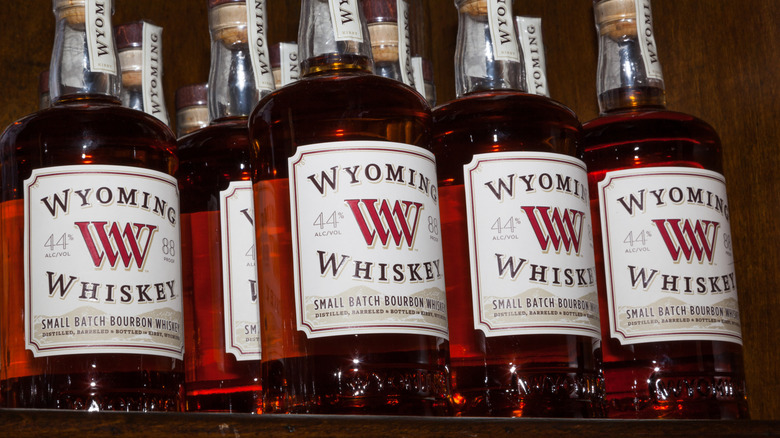
This complaint has a similar impact to sourced bourbon, as it can make you feel misled. There are countless terms used to describe how a whiskey can be distilled, matured, or bottled. Some of these terms are bound by law, whereas others are not. Examples of terms you can trust include "bourbon," which is bound by a specific set of rules, such as being made from 51% corn, and "bottled in bond." The latter has additional rules, requiring that the bourbon be aged four years, bottled at 100 proof, and produced at a single distillery.
There's plenty of other terms with no legal basis, so they can't be authenticated or checked. The best example is "small-batch" bourbon. There is no requirement for how small the batch has to be, how many barrels count, or what you can expect from its tasting notes. There are many great small-batch bourbons out there, but information on the specifics of the batch is often lacking. Other examples include terms such as "handcrafted," "craft," "reserve," "premium," and "limited edition," which can sound impressive but give you zero guarantees as to what you're actually drinking. If you're a casual whiskey drinker, you may pick up a bottle with one of these marketing buzzwords, thinking it meets a certain standard, when there is actually no legal requirement for it to do so.