

14 Common Mistakes You Might Be Making When Buying Beer
If you agree that it's easy to fall into a rut when you're doing your usual grocery run, we're right there with you. We see you, and we also understand that it can extend from the same old for breakfast to the regular dinnertime rotation, and into picking up a case of beer. There are a ton of choices, and it can very easily get to the point of being so overwhelming that you feel as though you're better off sticking with the tried-and-true favorites and calling it a day. That's a shame, because while your next new go-to might be waiting for you, shopping mistakes could be keeping you from finding it.
We wanted to get some insight from the pros and a look at what beer-buying behaviors could be sabotaging your entire experience. It turns out that there are a lot of things that could be driving your choices without you even realizing it, and our experts have provided some fascinating insight into what you might be doing wrong and how to fix things.
The beer world is wide and varied, and you're simply not going to like everything on the shelf. Fortunately, our experts have you covered with some great advice on how to confidently step outside of your comfort zone while avoiding the pitfalls that might be sabotaging your beer game.
Judging a beer by its price tag
It's easy to fall into the mindset that price is an indicator of quality, but that's not always the case when it comes to beer — and it's certainly not an indicator of whether or not you're going to like what's in a particular bottle. Luke Walster is the beer expert over at The Cask Connoisseur, and he told us that gravitating toward pricier bottles can absolutely end in disappointment.
"Price does not automatically reflect a quality pint," he told us. Instead, Walster says that you should be looking at what the beer is. "Whilst it might reflect quality ingredients and care in production, the flavors might not suit you ... If you prefer something crisp and refreshing, then there's no point spending extra on a heavily hopped IPA, just because it's marketed as a premium beer."
Brian Thompson agrees. He's the Director of Beer, THC, and Mixers at ABC Fine Wine & Spirits, and told us he's also seen affordably priced craft beers getting overlooked. "I think a lot of the missing out is on the craft lager side," he told us. "There are a few mainstream craft lagers now that are made exceptionally well, and priced with (or at certain times) below premium lagers."
Starting anywhere but the coolers
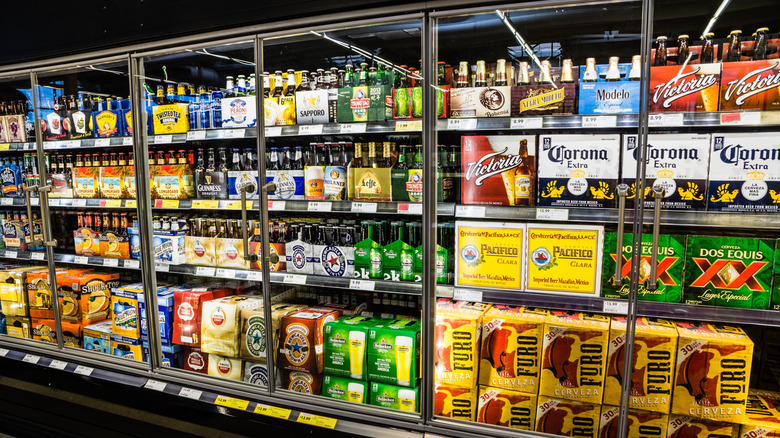
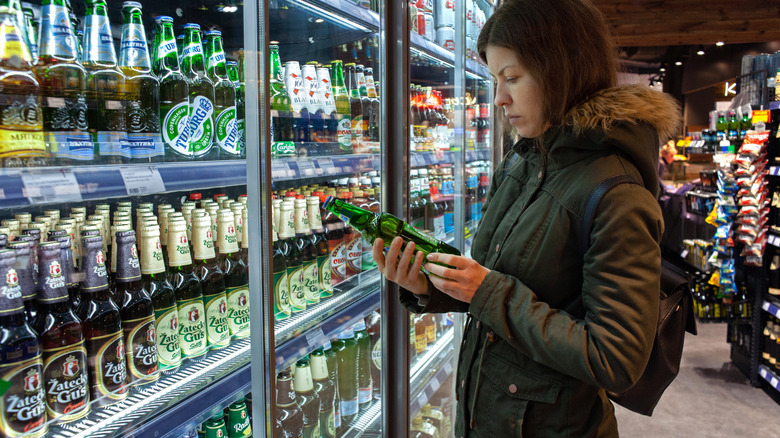
For anyone who's ever headed in to pick up some beer and had their attention captured by those free-standing displays in the center of the store, you're not alone. However, you might want to head for the coolers first. That advice comes from Jared Rouben, founder and brewmaster of Moody Tongue Brewing Company and Moody Tongue Sushi at Hilton West Palm Beach. He told us, "Always start at the beer cooler before venturing into the aisles. Beer is essentially liquid bread, and refrigeration is the best way to ensure your beer is stored with care before you enjoy it."
The impact of temperature on the freshness of beer is so important that it has resulted in industry guidelines like the 3-30-300 rule, which breweries often use as a reference point when storing beer. The general idea is that the colder the temperature, the longer beer can last without a noticeable loss in flavor. That provides some food for thought, especially when you consider there's no way to truly know how long those cases, bottles, or cans have been sitting in that pleasantly warm store.
Overlooking freshness and dates
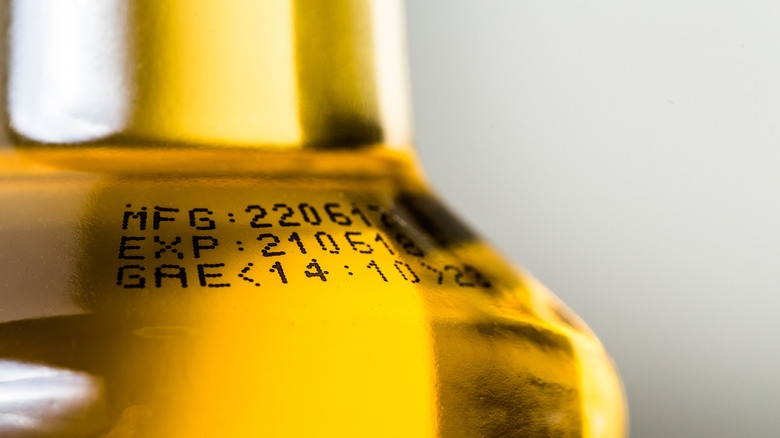
Expiration dates are tricky things. While there are plenty of baking ingredients you can use past their expiration dates, for example, some pantry items will definitely turn flavorless and less-than-fresh faster than you might expect. Surprisingly, beer can degrade pretty quickly, and that's why Luke Walster says ignoring expiration dates on beer is a massive mistake — and it's something that many people overlook.
Even though stores should be keeping an eye on dates and pulling anything that's expired, it's still worth taking a peek at the dates on various packages. Walster recommends getting the date that's the farthest out if you have a choice: "Sounds like an obvious thing, but not many people will check this when buying," he advises.
He says this also applies to your local pub or bar. If you've ever noticed the beer tastes different on certain days, he says that can be down to freshness. Cask beers might only be at their height of flavor for a few days, and sometimes, a fresh cask getting tapped for the weekend is the best time to ask for that pour. Want the inside scoop? Chat with your bartender. He says, "[It's a] great excuse to also get to know your pub owner and enjoy the optimal experience!"
Choosing beers just because you've heard they're popular
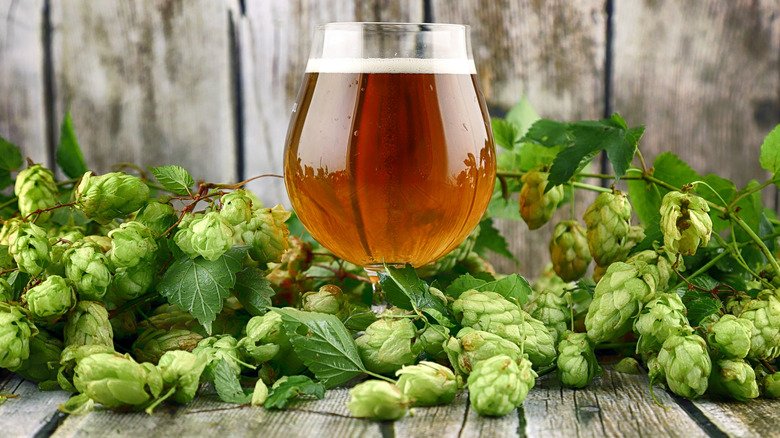
Everyone has an opinion on their favorites, and that's a good thing! However, it's also important to take into account the fact that we live in an era where social media and viral trends can dominate when it comes to shaping our perceptions of what's good, bad, and not worth our attention. When it comes to choosing beer, that can be a huge problem.
That's some advice that comes to us from Sanwar Mal Khokhar, mixologist and Beverage Program Leader at Sanjh Restaurant & Bar. While certain beers and styles might be popular for a reason, that doesn't mean they're going to be in your wheelhouse — and that's fine.
"One mistake I find particularly interesting is that people often buy beer based on the experience they think they are going to have, rather than the flavors they actually enjoy," he told us. "I have seen guests order an IPA because they have heard it is a popular choice only to be surprised by its bitterness." Being open to new experiences is great, but before you jump on the bandwagon of the next viral trend, remind yourself that you shouldn't feel pressured to force yourself to like something just because everyone else does. Be different!
Not exploring the offerings of a brewery you like
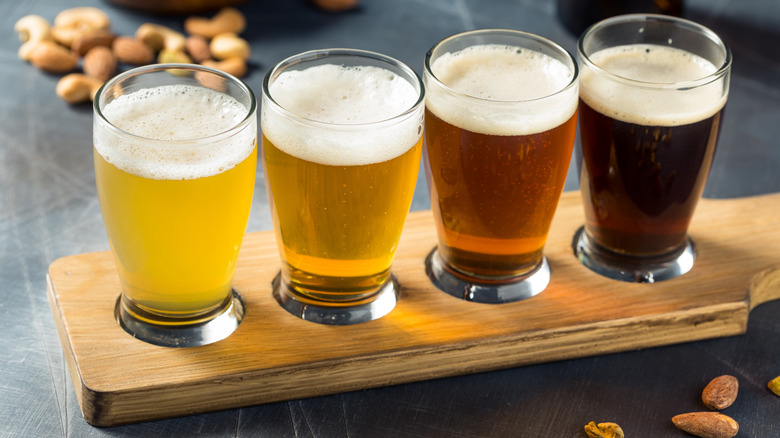
One of the best things about finding your next favorite brand of cookie, chip, or soda is discovering that the same company offers an array of flavors just waiting to be explored. If you're not applying the same sense of adventure to your favorite beer, you could be really missing out.
Paying attention to the product lineup of certain breweries is a must, says Jared Rouben. He told us, "Buy from breweries you love, and explore the styles they create. Even if you have never enjoyed those styles before, more often than not, you will find that your favorite brewers create a variety of beers that work well with your palate."
That's incredibly exciting, especially if you're the type that loves to switch things up and try something new, without taking massive risks. Keep an eye on your go-to spots, jump on limited-time and seasonal offerings, and you never know what you might find yourself discovering.
Not taking seasons into account
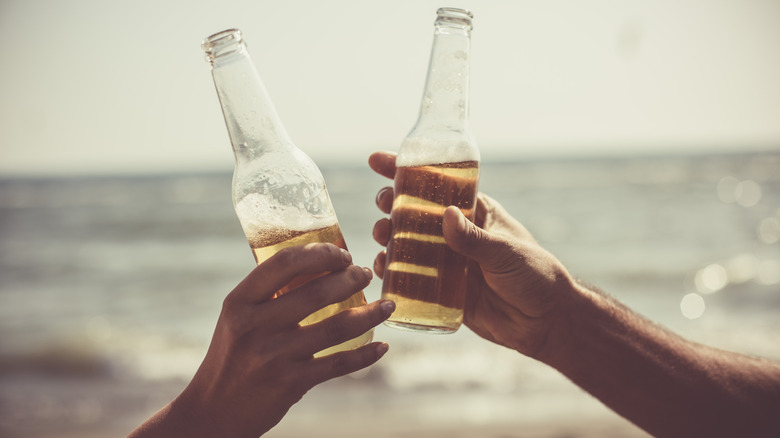
If you tend to stay away from certain styles of beer because you remember trying something some time ago and not liking it, you might be doing yourself a serious disservice. Why? "Beer can be seasonal," Luke Walster says. "The simplest way to explain this, a light lager beer would taste better in summer, but a heavy IPA would taste better in the winter."
Makes sense, right? Kicking back on a hot summer afternoon with an IPA or stout won't have the same impact as a light and refreshing, super-frosty pilsner, so it's entirely possible that your avoidance of a particular style might be rooted in the fact that it just wasn't the right time to hit in a way that would allow you to appreciate what you're drinking.
Switch your beer-buying habits to be in line with the season and surroundings, and you might find yourself with a whole new appreciation for styles you've previously overlooked. Also? That's not the only potential pitfall. Walster adds that any beer might also be changed by the flavors of the meal you just ate, the snacks you're serving, or any other drinks that you may have had recently. Maybe it's time for a fresh look at some new beers.
Assuming all beers of the same style are the same
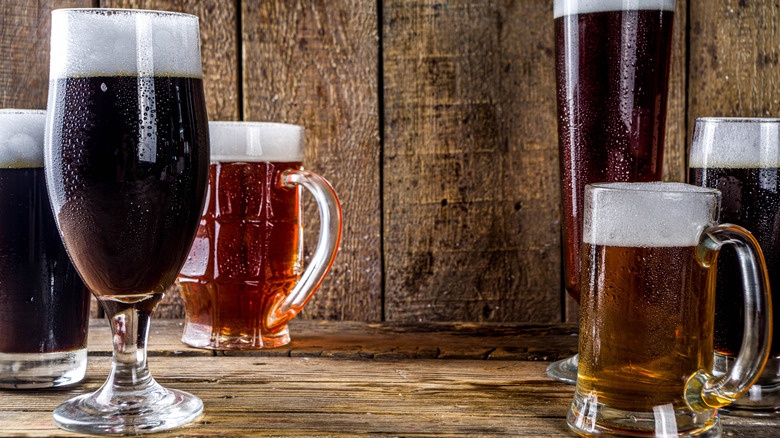
We all know that person, and we might even be that person: the one who tried a stout for the first time and found that it just didn't sit well, or dipped their toe into the world of IPAs and was overwhelmed. Sometimes, it leaves a bad enough taste that said person will just skip over that particular style altogether, and according to Sanwar Mal Khokhar, not trying different beers within a particular style because you assume you won't like them is a huge mistake.
"I think we sometimes forget that beer styles are starting points, not guarantees of flavor," he says. "Two beers labeled IPA can offer completely different experiences, just as two pilsners can differ significantly in bitterness, malt character, and finish."
Take something like Mexican lagers. When we here at Tasting Table ranked popular Mexican lagers from worst to best, our reviewer noted how different beers in this same style ranged from sour, flat, and one-dimensional to bright, citrus-forward, and delightfully grassy. Just because you've been burned once, that shouldn't turn you away from a style in its entirety.
Assuming strength translates to flavor profile and quality
Alcohol by volume — or ABV — is a measure of how strong the beer in question is, and there's a wide range of options. High ABV beers go all the way up to Sam Adams' ultra-rare Utopias beers, which top out at 28%. More mainstream lagers that are on the higher end of things might linger around 8%, and you can see how it would make sense that the higher the ABV, the stronger the beer's flavor profile and the higher the quality. That's absolutely not the case, says Luke Walster, and if you're buying based on that myth, it's time to rethink things.
"Strength isn't a reliable indicator of quality," he told us. "A 4% ABV pale ale can have just as much character as a stronger beer. Equally, a higher-strength beer isn't necessarily going to taste harsher or more alcoholic. My tip here would be to not focus too much on ABV as a measure of quality: Think about the flavors, style, and drinking experience you're looking for." There is, however, a caveat: When you're planning your afternoon, evening, or weekend, taking ABV into account regarding how much you're planning on drinking is crucial.
Not matching your container to your plans

There are a lot of beer myths that have been repeatedly debunked, yet keep circulating. One of those is the idea that bottles are absolutely, always, and unconditionally a better option than cans. However, if you find yourself always going the bottle route, Brian Thompson suggests that you should rethink that and be much more flexible in your choices.
He told us that when it comes to the bottles vs. cans debate, you shouldn't just be thinking about the beer — you should be thinking about your plans and what's going to work better for you. "Personally, I prefer bottles, but I am not going to take them on a boat or drink out of them poolside," he explained. "Cans are much easier to travel with and dispose of. Bottles, for me, are best enjoyed at home, at dinner, bellied up at the bar, or at an event like a gala. Cans are best for all other outdoor events."
Overlooking how beer is being stored
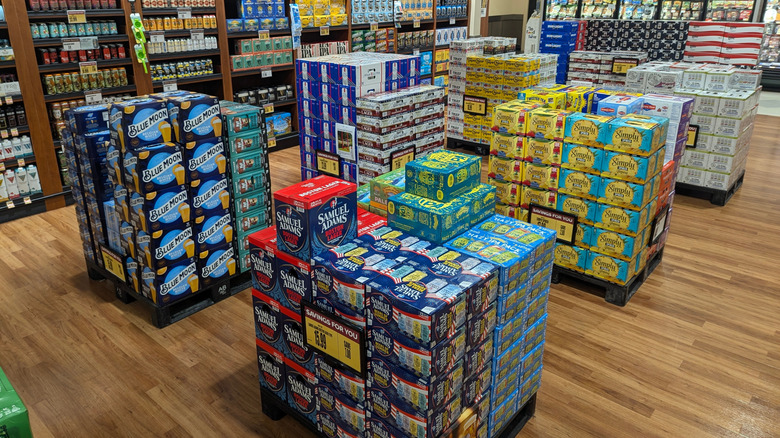
We get that stores need to make the most of the space that they have, but improperly storing beer can lead to a less-than-stellar product. Hauk Cornell is the lead mixologist at Hilton West Palm Beach and told us that for him, ignoring how a beer is packaged, stored, and has been interacting with the environment is a huge mistake — and that includes the color of the glass bottles.
"Intense light can easily quicken the pace at which beer will spoil," he told us. "Lighter colors — clear to green — allow more light in than darker — brown and black — glass. This is [accelerated] even further when beer is stored warm and/or exposed to constant changes in temperature."
Reach for those glass bottles that have been sitting near a window, and you're just asking for problems. In fact, the impact light can have on beer is so great that it's recommended you never buy any you find shelved in direct sunlight. An easy rule to follow, perhaps, but it's also an easy one to overlook.
Not asking yourself the right questions to discover what you like
Everyone knows what they like, right? Yes, but when it comes to beer, how you define your tastes — or aren't defining your tastes — might be severely limiting your experience. When we spoke with Sanwar Mal Khokhar about beer-buying mistakes, he shared a perspective on determining preferred tastes that dips firmly into his background as a mixologist, and just might change the way you think about beer.
"For me, the best way to help someone discover a new beer is to ask what they enjoy about their current favorite, not simply what brand they usually drink," he explained. "Once you understand whether they prefer something crisp, bitter, fruity, malty, or refreshing, you can introduce them to something new without taking away the qualities they already appreciate."
Brilliant, right? If you wander the beer cooler and simply gravitate toward an IPA, an ale, or a lager because that's what you've always had, you're doing yourself a grave injustice. Instead, ask yourself what characteristics stand out in your favorite. Is it the smoothness or the dryness, is it a creamy texture, is it the vibe that brings grassiness, citrus, or yeastiness? Look for similar characteristics in other beers, then don't overlook those beers on your next shopping trip.
Not asking for a sample or chatting with staff about different beers
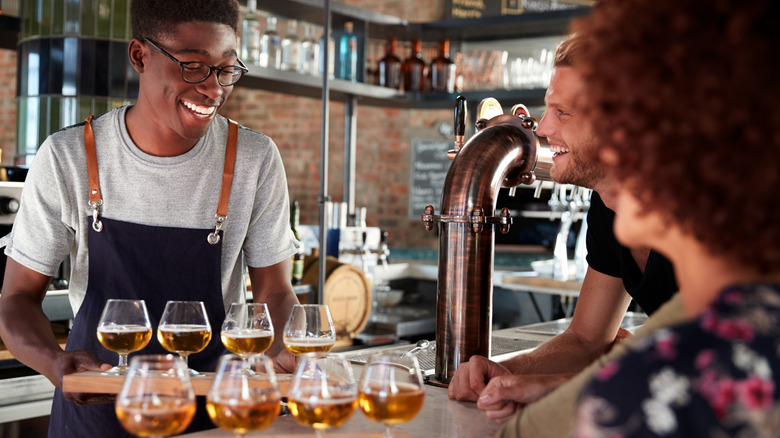
Our 21st-century world is a busy one, and it's all too easy to get caught up in just trying to get things checked off your to-do list. When it comes to buying beer, though, Luke Walster says that not slowing down a bit to chat with the professionals is overlooking an important resource. He says that if you happen to be out at a pub or bar and see something new, ask about it and ask if you can try a sample.
"This is something I do all the time," he says. "If I come across an exciting cask ale, I'll always kindly ask the bartender for a sample to understand why it's been given the name, if it reflects the style, etc. As the saying goes, you should never judge a book by its cover ... A good bartender should be able to explain what a beer tastes like and help you find something that suits your preferences."
We'd also suggest this applies to the employees at your local beer store, too. There are a ton of different options on the market, and taking the time to chat with those behind the counter for their recommendations is a great way to get advice, direction, and inside information that should not be overlooked.
Searching out beers based solely on rarity or complexity

Are there rare beers worth tracking down? Absolutely. Is it a guarantee that just because it's rare and highly sought-after, you're going to love it and feel that it was definitely worth the time, effort, and money you spent? Absolutely not. Sanwar Mal Khokhar told us that getting too wrapped up in chasing the unicorns might mean that you miss something outstanding that's been on the shelves all along.
"Another habit that limits people's experiences is always looking for something stronger, rarer, or more expensive when trying to explore a better beer," he explained. "A beer doesn't need to be high in alcohol or particularly unusual to be exceptional. Sometimes a beautifully balanced, well-made pilsner can teach you more about brewing precision than a beer with 10 different ingredients competing for attention."
There's some food for thought there. Rarity doesn't automatically mean it's incredible or in your wheelhouse, so just embrace and explore what you love.
Reaching for the same thing every time
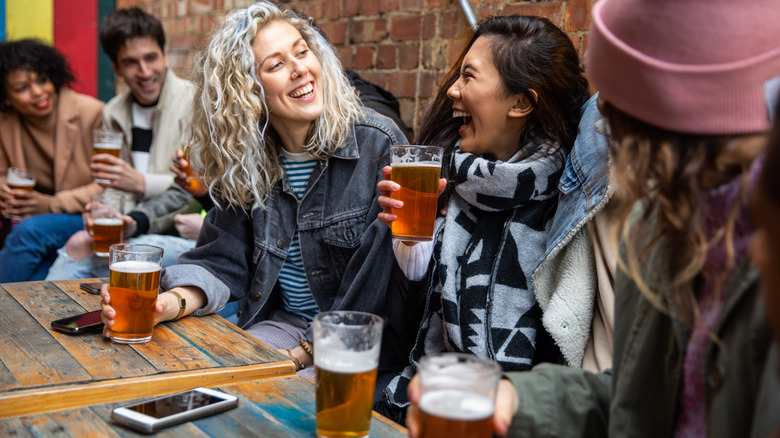
Look, if you find yourself falling into the habit of reaching for the same thing all the time, we get it. We're right there with you. There's a lot of uncertainty in the world today, and when you can reach for the same old dependable favorites and know you're going to pour a pint you love, there's something wonderful about that. However, Luke Walster says that you're actually doing yourself a disservice.
"There's nothing wrong with having a favorite beer, but one of the biggest missed opportunities is never venturing beyond that," he advises. "My favorite beers are cask-conditioned, but one of my favorite beers is actually a bottled beer — and it's not something I would have tried if I had stuck to my preferences," he explained. "It's easy to stick to your favorite beer, but don't be afraid to try something new."
The key is to make a gradual transition, rather than jumping right into something completely different. Float around in the territory of different light, crispy, summertime pilsners and lagers, if that's where you're starting from. Get recommendations on another stout you might like, just as much as you like Guinness. Go from there, experiment, and be happy. He adds: "Remember, variety is the spice of life!"