

12 Mexican Lagers, Ranked Worst To Best
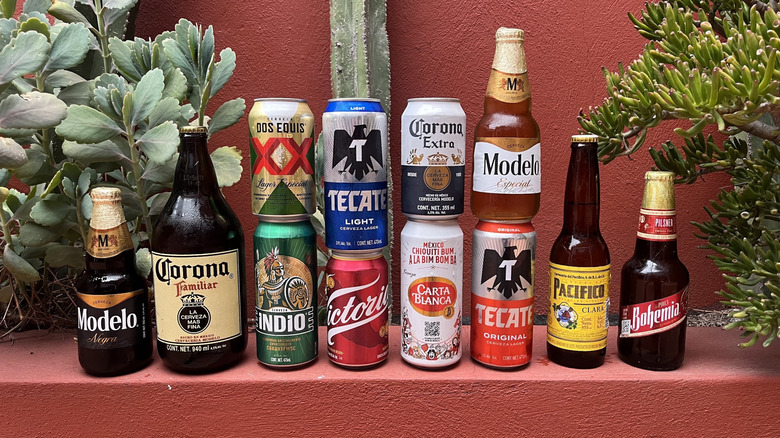
If I'm sitting on a beach in the summer (or imagining myself sitting on a beach in the winter), chances are I'm in the mood for a cold beer. And when I'm looking for the right brew to satisfy that particular craving, I'll often reach for a Mexican lager. The country's lagers encompass a range of flavors but are generally known for being smooth and easy to drink, thanks in part to the addition of ingredients like corn in the brewing process.
But with all the Mexican lagers on the market, how is one to know which one of these crisp brews will best quench a craving for a beer from south of the border? As an amateur beer connoisseur (and a seasoned beer snob), I took it upon myself to taste a wide range of Mexican lagers. I also enlisted the help of a willing group of fellow drinkers to get some extra perspective. I compiled our opinions and ranked these brews based on taste, mouthfeel, and how well they represent the ethos of Mexico's famous beer culture.
12. Indio
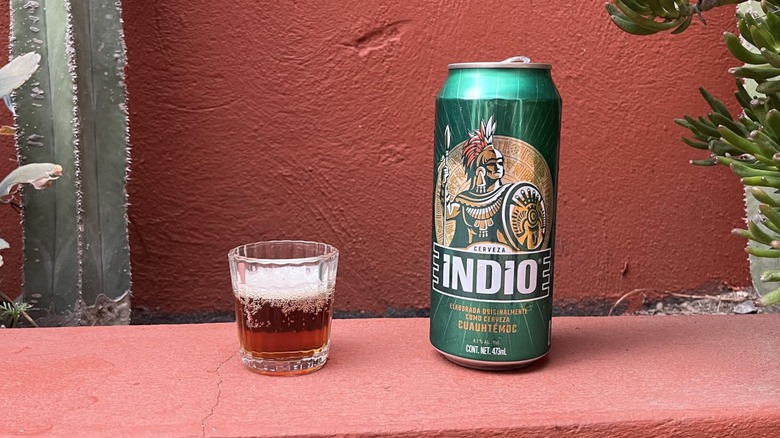
Indio isn't as common as some of the other beers on this list, but after a few sips of this light lager, I realized that's probably a good thing. The head dissipated quickly, which isn't usually a good sign, and in its wake, it left a brew of sour, astringent aromas that stung my nose as I went in for a whiff. The brew's fun, green label hides a world of flat, funky liquid mostly devoid of flavor, save for the taste of old dishwater and gym socks, as one taster astutely commented. It brought to mind similarly lackluster experiences I've had with American beers like Genesee and Miller Lite.
Somehow, this beer managed to be watery and heavy at the same time, with just a tinge of burnt caramel on the finish that turned into an immediately acrid aftertaste. According to some friends I spoke to who are from Mexico, the beer has a bad reputation there, where it's known as one of the cheaper ways to get a buzz rather than a truly enjoyable sip.
11. Tecate
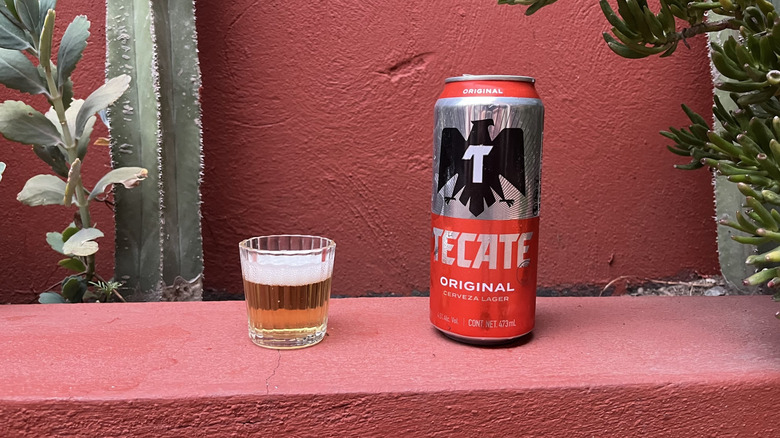
There was a time in my life when a $5 beer and shot special really tickled my fancy, and it often took the form of Tecate and tequila. This was before I had taste (or disposable income), and I developed fond memories of this light lager. As a proper adult, however, I'm grieving the fact that Tecate is not good and has perhaps never been.
When I cracked the signature red can and let the bubbly liquid fall into the glass, I noticed the bubbles were unusually large and disappeared almost immediately. The beer's aroma was pretty neutral, with a faint maltiness. Upon first taste, I was struck by how oddly flat the liquid had become in such a short period of time. The lack of effervescence was compounded by the fact that the beer was sour and watery. It didn't have much taste, but the flavor I could discern was markedly unpleasant and left a bitter taste on my palate.
10. Tecate Light
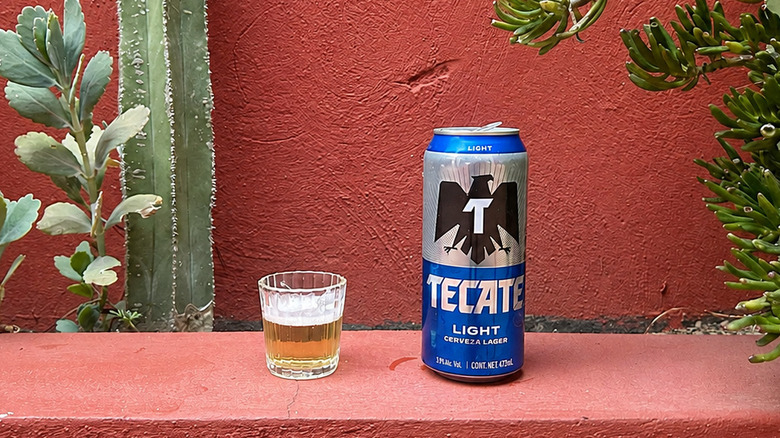
It's not often that I prefer a beer's lighter version to the original. I suppose in this case it's a testament to the fact that the flavor of original Tecate was so unpleasant that I simply preferred less of it, which is what Tecate Light delivered. Similar to its heavier counterpart, this beer had big bubbles that dissipated in a flash, leaving behind a flat, watery, golden liquid.
This light lager's aroma was barely present. The gentlest hint of maltiness hung above the glass when I took a whiff, without enough gusto to make much of an impression. It was a beer marked chiefly by absence — the absence of flavor, smell, or any real defining characteristics. I would've preferred a Topo Chico, as this tasted more like lager-flavored sparkling water than a beer in its own right. If you need something that's easy drinking to the point that it's barely even a lager, then this blue-canned brew might be worth reaching for. If you want to taste beer when you drink beer, stay away.
9. Victoria
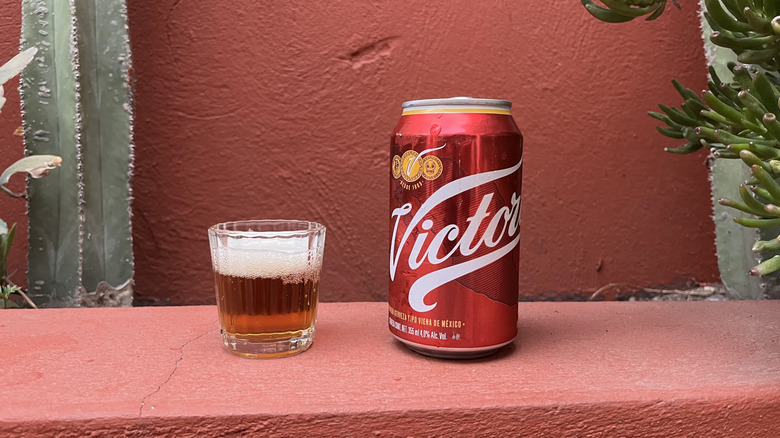
I've always associated Victoria with micheladas, those salty, spicy, sour concoctions that my friends in Mexico swear cure hangovers (I am skeptical). Tasting a Victoria intentionally on its own, I see why it's the perfect beer for a michelada, but it still leaves something to be desired in its own right. To my delight, this brew had a rich, caramel color and a decent head, but the aroma presented strongly alcoholic, which was a sign of things to come.
At only 4% ABV, the alcohol content of Victoria is no higher than other beers on this list, but for whatever reason, it shone through more strongly. While there was some decent malty, caramel flavor, and it had more body than some of the other lighter lagers on the list, it had an unexpectedly sweet finish that felt unnatural, and frankly unwelcome. That said, I see why a fuller body and a slightly sugary finish would make this a great beer for a super-garnished michelada. Victoria's sweetness makes it able to stand up to the bold, salty flavors that constitute the beer cocktail.
8. Corona Familiar
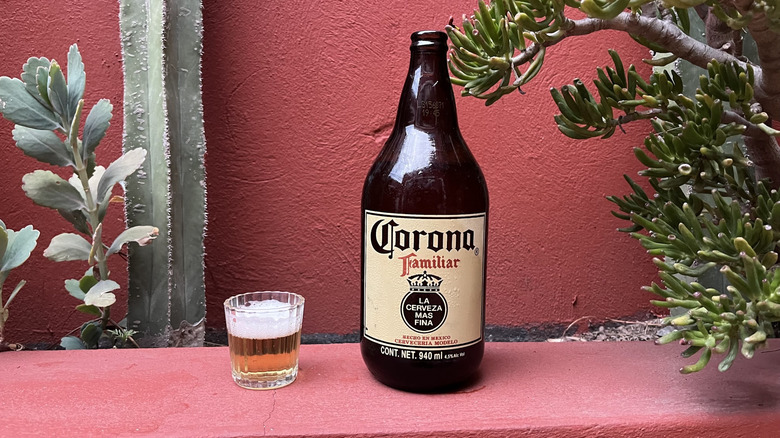
Despite its name, Corona Familiar may be less familiar to many drinkers than the brand's more commonly imbibed Extra variety. The first thing that struck me was the large size of the bottle, followed by the fact that it's brown as opposed to the other types of Corona, which are packaged in clear bottles. In Mexico, the recipe for Corona Familiar appears to be the same as Corona Extra, and both have a 4.5% ABV (however, this amount differs in the States, with Familiar at 4.8% compared to Extra's 4.6%). But the darker bottle blocks UV light, which means Corona Familiar ends up tasting brighter and less funky than its more ubiquitous cousin.
The color that poured from the bottle was a pale yellow, and a head quickly formed that off-gassed a fresh, grassy aroma with a slightly yeasty, bready character. Perhaps because it wasn't hiding behind the Extra's enhanced funk, the alcohol was a little more pronounced on the palate, giving the beer a slightly sharper feel and a less complex profile overall.
Despite the fact that it doesn't look as much like a beach beer with its big, brown bottle, I found this to be one of the brews that would be most well suited to a day lounging in the sun. It also pairs perfectly with a wedge of lime.
7. Carta Blanca
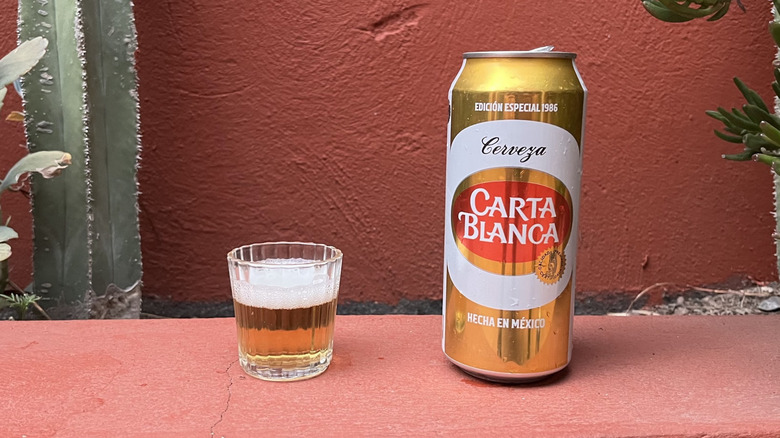
I couldn't have named this beer better myself. Carta Blanca basically means blank card, and this lager's super mild flavor and smooth finish made it one of the easiest sips on this list — a veritable blank slate of flavor. The liquid pours a rich, light gold color, topped with a modest head of larger-than-average bubbles that disappear pretty quickly. This gives way to a warm, malty aroma that one taster said smelled vaguely of peanuts.
The beer is well carbonated, with plenty of bubbles that dance on the tongue as you take a sip. Then, the flavor hits — or doesn't really hit, because it's so mild as to be almost hidden behind the beer's effervescence. The finish is slightly sweet, and there's very little aftertaste, leaving you with a clean palate to approach your next sip. I'd highly recommend this brand as a beach beer, as its light bubbliness would pair perfectly with hot sand and a good book. Given its mild flavor and bubbly mouthfeel, Carta Blanca is also the absolute best beer to use in your batter for fish tacos.
6. Corona Extra
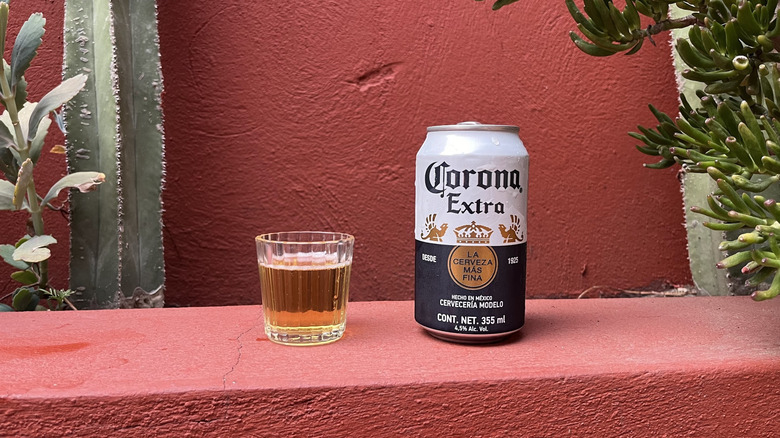
Perhaps the most familiar among the beers on this list, Corona Extra is a lager that's well known among beer drinkers the world over for its pleasantly light flavor. Despite having drunk probably hundreds of Coronas in my life, I'd never intentionally focused on the flavor until I did this tasting. And I'm pleased to report that this lager delivered on its promise of being drinkable and smooth.
When I poured it out, the brew formed a thin, bubbly head that collapsed into a slightly sour, grassy aroma. The carbonation was a little less pronounced than I was expecting, but the lager still boasted a fresh, light flavor that I would've continued drinking (had I not had several other beers to get through). You can find Corona Extra just about anywhere, and it's a reliable option even if it's not remarkable. Corona and limes have a long history, and you'll find a lime wedge ramps up this beer's better qualities (not to mention, it just looks right).
5. Dos Equis
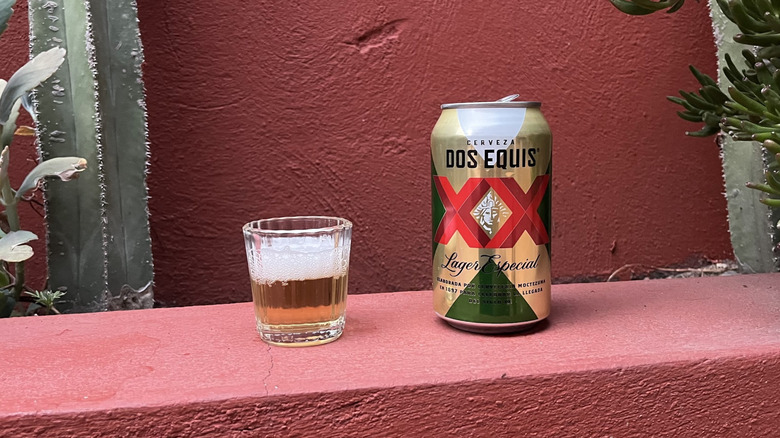
In my mind, Dos Equis doesn't occupy the same category as some of the lighter beers on this list. It's a little bolder than some of the crisper brews that people associate with Mexican lagers. While it fills a glass with a light pilsner-esque hue, you can tell it's different when its copious head dissipates to reveal a markedly spicy aroma.
My favorite aspect of this brew was that it was bold without being too sweet or heavy. It was decently carbonated, which uplifted some of its darker, earthier flavors. Given its bolder profile, I was expecting a sugary aftertaste, but instead, I was warmly welcomed with a dry, almost Champagne-like finish that left my palate feeling crisp and clean. Dos Equis' light maltiness would pair well with the zingy, salty notes in guacamole and chips or the savory crunch of a beer-battered fish taco.
4. Modelo Negra
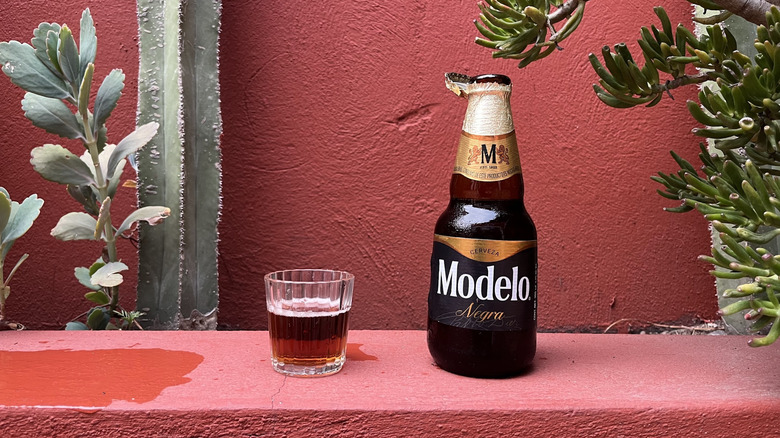
Of all the darker Mexican lagers on this list, Modelo Negra is perhaps the most common. This popular brew is easy to find at grocery and liquor stores in the U.S., making it a solid choice for drinkers looking for a deeper, maltier brew. One of the darker pours on the list, this beer has a rich, brown hue that's crowned by a relatively strong head of off-white bubbles. Its aroma is distinctly malty, with the lightest hint of chocolatey earthiness.
I immediately noticed a heavier-than-average mouthfeel when I took my first sip, which enrobed my tongue in a bubbly, malty liquid with notes of burnt caramel. Though it's solidly a lager, this brew's sweeter side made it taste stout adjacent. If you're used to drinking crisp, pale Mexican lagers, Modelo Negra may take a minute to warm up to. Though it's not exactly what I'd opt for on a hot summer afternoon, its sweet, roasted maltiness and full body give it a distinct appeal, especially if you're eating a hearty, savory meal. It's also one of the best beers for a michelada, given its sweeter, more intense flavor.
3. Bohemia
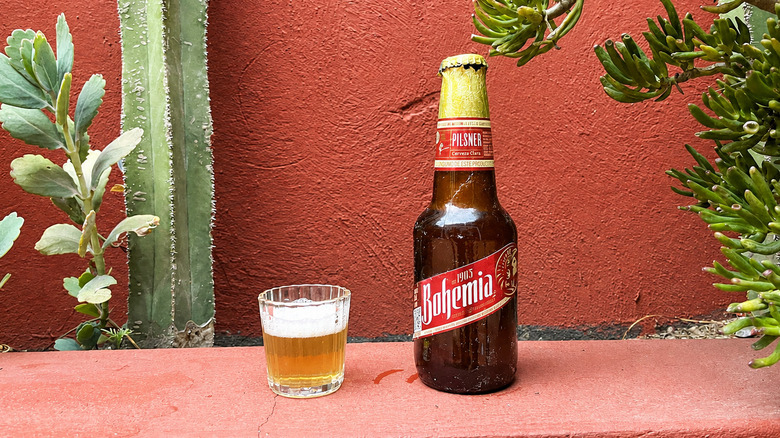
Of all the beers on this list, Bohemia stands out for its classy bottle, which isn't as easy to find at your local grocery store as many other Mexican lagers. But if you do get your hands on one of these malty brews, it'll be worth your while. This is one of the darker lagers on the list, and while it isn't a typical beach beer, it has a deep, complex flavor that makes it feel closer to a craft beer.
As I poured it, the beer produced a thick layer of luscious bubbles that lingered before slowly thinning out and leaving behind a rich, malty aroma. When I took a sip, the amber liquid washed over my tongue in a flurry of pleasant, foamy carbonation. It was the hoppiest beer on the list, with a gentle bitterness balanced out by just a hint of caramelized sweetness. The only thing that put me off was a slightly metallic aftertaste, but it was so subtle as to barely be noticeable. The bolder taste of this lager means it could stand up to the strong, salty flavors of fajitas and carne asada.
2. Modelo Especial
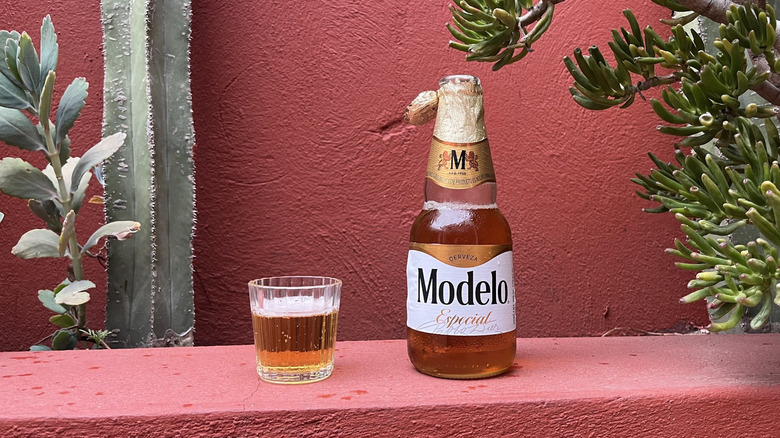
Modelo Especial is the lighter cousin of Modelo Negra, and while these beers clearly share high production quality, they're very different drinking experiences. If you're a fan of a light, crisp beer that leans dry rather than sweet, this could be the one for you. This pale lager comes in a glass bottle with a signature gold foil wrap at the top, portending a premium drinking experience.
The pale, golden liquid that poured from the bottle settled in the glass with an effervescence that crescendoed in a layer of white bubbles, which lingered while I bowed my nose down to take a sniff. The aroma was remarkably yeasty, with notes of freshly baked sourdough bread. These characteristics carried over into the lager's flavor, though the beer tasted lighter than it smelled, delivering a very dry flavor profile that eschewed the maltiness of some of the darker lagers on the list. Seafood is some of the best food to pair with Modelo beer, particularly the Especial variety. The light lager works particularly well with the bright, citrusy flavors in ceviche or fish tacos with a squeeze of lime.
1. Pacifico Clara
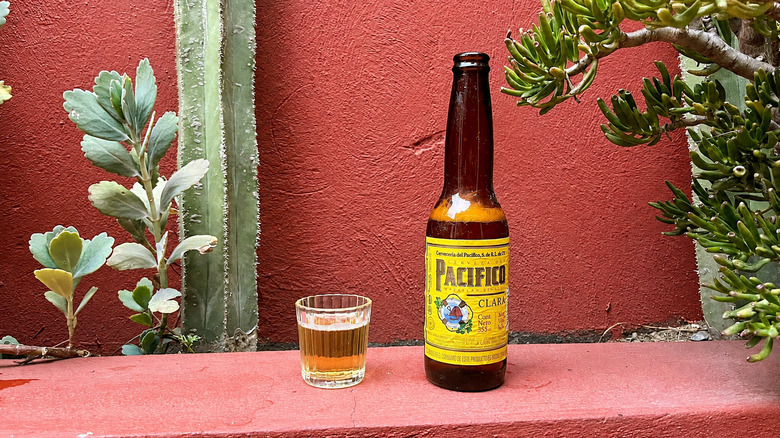
I always knew I liked Pacifico Clara, but it wasn't until it was compared so explicitly to the host of other Mexican lagers on this list that I realized just how superior of a sip this beer provided. The lager is super light, and it showcases the best of what many of us associate with a Mexican lager. Its pale-yellow liquid holds an effervescence that forms a lingering head when poured into a glass.
Its aroma is markedly fresh and grassy, and it has a more pronounced flavor than the other light lagers on the list. The finish is solid, with a gently bready aftertaste. This brew is dry as a bone, avoiding the sweetness that weighs down some of the list's other flavorful beers. It's amply carbonated, which pairs well with the dryness to offer a supremely light, airy experience. For a truly sublime taco and beer pairing, crack open a Pacifico and serve up some tacos full of salty, fatty carnitas or carne asada. It also has a light mineral flavor that goes well with chips served with fresh salsa or guacamole.
Methodology
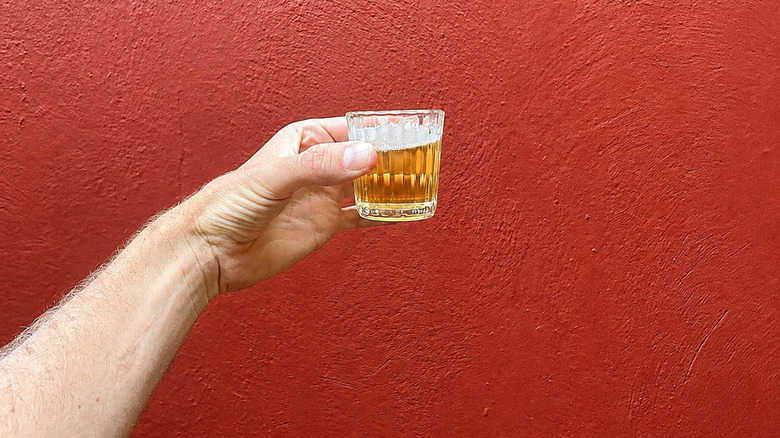
Tasting 12 Mexican lagers in rapid succession is not a task I take lightly. To evaluate the lagers, I placed them in the refrigerator until they reached a desirably chilly temperature. I then cracked them open one by one and poured a sip of each into a small, clean glass. I evaluated the color of the liquid and the way the head formed on the top of the glass, which can speak to a beer's quality. I then put my nose in the glass and inhaled, evaluating the aroma for any unique notes that stung the nostrils.
Finally, my fellow tasters and I tried each lager, paying attention to the way it delivered on its promise of a refreshing beverage. Since some lagers were light and others were dark, I looked for characteristics in each type that spoke to quality in each category. Darker lagers should be maltier and sweeter, while lighter ones should be yeasty and refreshing. I also paid attention to the carbonation, and how well the bubbles complemented a given beer's flavor.