

9 Things Baristas Know That Most Customers Don't
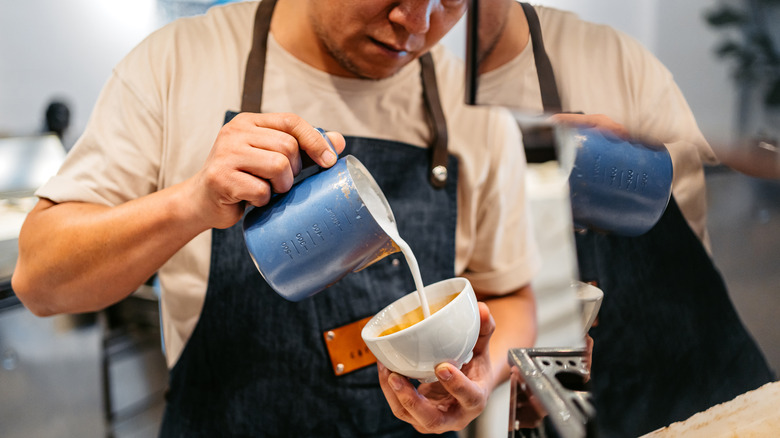
A morning stop at the café for a cup of coffee on the way to work or an afternoon meet-up with friends over lattes is one of life's most cherished rituals. Sure, brewing coffee at home is more economical, but there's really no substitute for the café experience. And let's be real — you're probably not getting crema-laced, rich shots of espresso and perfectly frothed milk at home.
Despite being such an integral part of our communities and a treasured aspect of daily life for so many, most coffee shop customers don't really know what goes on behind the scenes. If you've never had the opportunity to work as a barista, there are probably some misconceptions you have about coffee and what working as a coffee professional entails. There's a good chance you don't even fully understand what all goes into that regular coffee order that you can't start the day without.
I spent over a decade working as a barista and café manager, and in all those years of living and breathing the coffee shop experience, I've come to learn a few things that customers think they know, but don't get quite right. From what the best cup of joe really calls for to the hallmarks of a great café, here are the things every barista knows that most customers don't fully understand.
What espresso really is
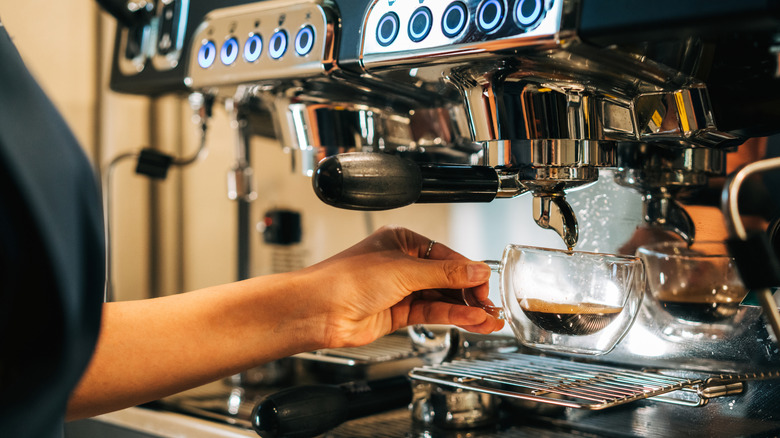
Despite espresso drinks being the main draw of a café experience, I've found that few latte-sippers and cappuccino-enjoyers really know what they're drinking when they take a sip of their espresso drink. The ubiquity of coffee beans labeled "espresso roast" or "espresso beans" would have you believe that espresso is made using a specific type of coffee bean.
What many café customers misunderstand about espresso is that it's not a type of coffee bean at all — it's a brewing method. Any and all coffee beans can be brewed into espresso, granted you have access to a proper machine. Unlike regular black coffee, espresso is brewed via pressure and extra-hot water, giving it its famously robust taste and velvety crema. It's also much more concentrated than drip coffee.
However, there's a reason cafés use bags of coffee labeled "espresso beans." These beans are blends of different varieties from multiple coffee-growing regions created with espresso in mind. Many feature caramel, nut, and/or chocolate notes and sometimes wine, stone fruit, blueberry, or brown sugar. More often than not, espresso blends are roasted medium to medium-dark to enhance the chocolatey flavor and achieve that signature smoky taste. These beans can still brew excellent drip coffee, and coffees intended for pour-over brewing (like light-roasted single origins) can still make delicious espresso in the right hands.
Fresh-brewed coffee is everything
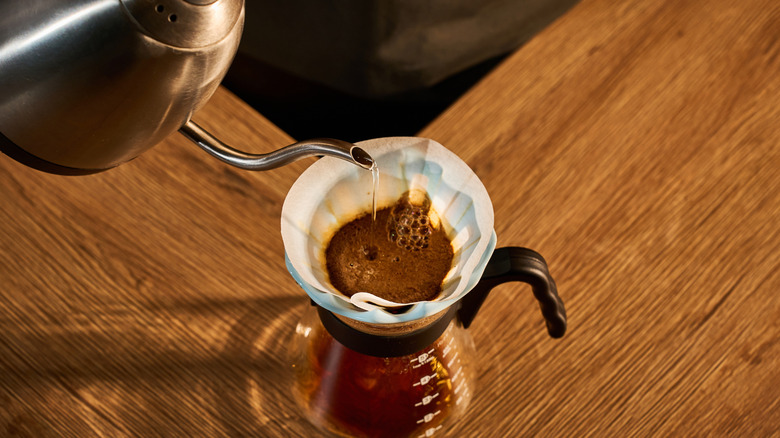
Baristas love to see a café that uses high-quality coffee beans, ground on the spot for each cup. But we know that brewing fresh is even more important than a good bag of beans when it comes to taste and quality. Even the highest-quality specialty coffee will taste stale and burnt if left sitting on a warmer. So when we see that pot of drip coffee staying toasty on a heating coil, we know to opt for espresso, which is always brewed fresh to order.
I've found that coffee shop patrons focus more on roast level, and maybe the origin of the beans in their cup, over whether or not it's fresh. The average café doesn't brew drip coffee to order, which is reasonable; the only way to brew one cup at a time is via pour-over or French press, and that's significantly more time-consuming than brewing a large carafe and calling it a day.
If you want to try a café's drip coffee at its freshest, but notice that notorious pot of dark roast slowly getting burnt on the warmer, all hope isn't lost. Look on the menu or ask the barista if they offer an optional pour-over, French press option, or another coffee-brewing method that produces a fresh cup, as opposed to coffee from a traditional drip brewer.
Adding syrup might be ruining your drink
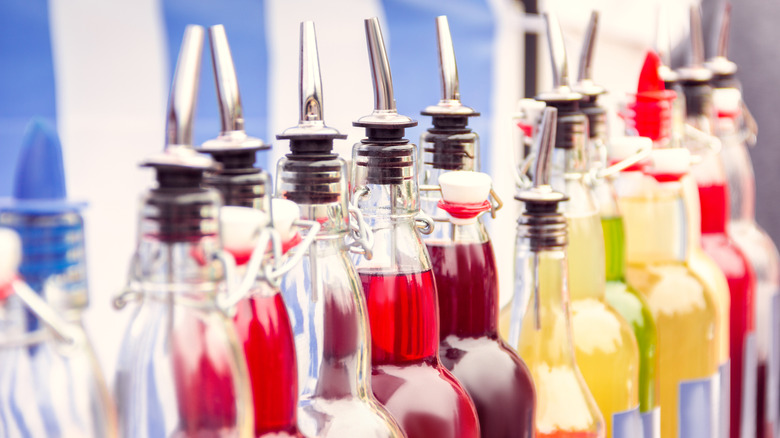
I'd estimate that about 70% of the espresso drinks made at any café contain some kind of flavor syrup — and hey, there's certainly nothing wrong with a sweet cup infused with your favorite flavor. I'm pro-syrup, through and through. However, customers might not realize that they're better off skipping the add-ins in some coffee shops.
Coffee from a high-end café — where beans are roasted on-site or delivered fresh regularly from a specific artisanal roaster — tastes vastly different from what's served at Starbucks or a café of a similar ilk. Baristas know to opt for a plain, straightforward espresso drink or a black drip cup when visiting a café known for exceptional coffee. Syrups will muddle the intricate flavors in a great cup, effectively making it taste not that much different from a chain drink.
You can't go wrong with a straight-up shot of espresso, but that isn't for everyone. When I'm excited to try a new café's storied brew, I often opt for a cortado or a macchiato. A cortado contains equal parts espresso and milk, while a traditional macchiato (not the Starbucks kind with caramel) is simply espresso with a dollop of milk foam on top. The foam makes it so you taste every nuance in the coffee with a hint of mellow cream, plus the frothy mouthfeel allows the flavor to dance around your taste buds.
Sometimes the best coffee comes from a small café that doesn't serve food
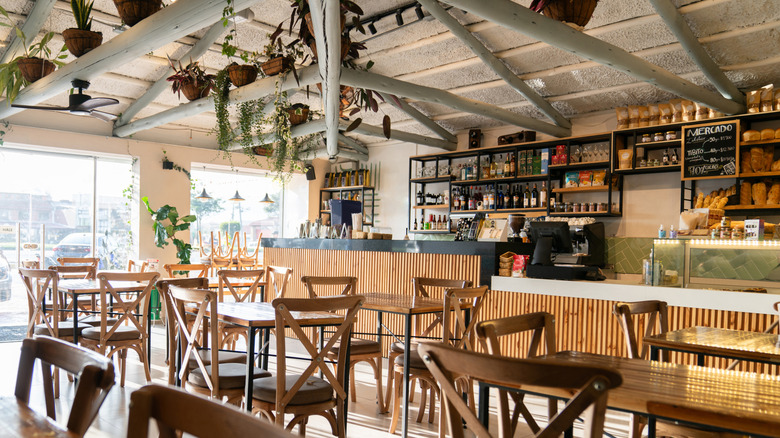
I love spending time in a café that serves food. When a coffee shop has a menu of savory meals and snacks, it makes the space feel so much more like a second home — there's really no incentive to leave when there's food around. As much as I, and many other cafe professionals, love a place to relax all day, sip coffee, and have lunch, sometimes a small café with no food menu is your best bet for a great cup.
A small city café with exceptional coffee is unlikely to serve food, so when you stumble upon a small shop with nothing but a barista or two and a beautiful La Marzocco espresso machine, you're probably in for a treat. Making coffee the right way takes immense time, patience, and skill, especially if a coffee shop has its own roasting operation.
When food isn't a factor, it's likely because coffee is the highlight of the café, and food would just distract from the excellent drinks. I've seen potential customers walk into some of my favorite coffee shops in New York City and turn away when they see there's no kitchen. I always want to call after them and tell them to find lunch and come back for the best cup of coffee they'll ever have — but I usually bite my tongue.
A cappuccino doesn't contain a lot of milk
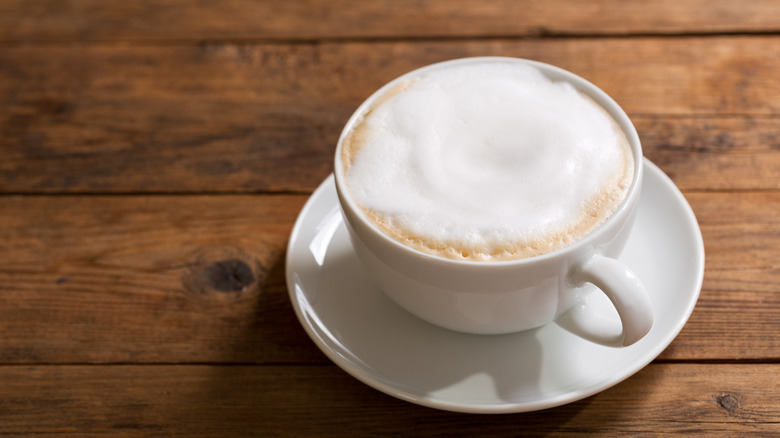
If there's one thing baristas wish more customers knew, this seemingly innocuous detail regarding the difference between lattes and cappuccinos would probably be it. Some customers — particularly those who frequent casual cafés or chains, as opposed to those serving gourmet coffee — order a cappuccino when they really want a latte, and not the other way around. Baristas joke that it's probably due to the fact that "cappuccino" is more fun to say, and it feels a little bougier since it's usually served in a cute round mug. But feeling fancy for a fleeting moment isn't worth not getting the drink you're really craving.
Cappuccinos are for foam lovers. They consist of espresso, some steamed milk, plenty of silky milk foam on top, and oftentimes a dusting of cinnamon for good measure. Lattes, on the other hand, get the same amount of espresso, plenty of steamed milk, and just a light layer of delicate foam on top.
Since many chain coffee shops aren't the best at creating milk foam, or choose to omit it altogether on lattes, that leads some customers to assume that lattes aren't supposed to have foam — and they want some foam, darn it! So, naturally, they opt for a cappuccino to guarantee some froth on top of their drink, only to realize their drink doesn't have nearly the amount of steamed milk they were expecting. Plus, they wanted foam, but not that much. If you're not sure of the name of the drink you want but you know everything that goes in it, there's no shame in describing it to the barista — we probably know what you're after.
Baristas cherish their relationships with regulars
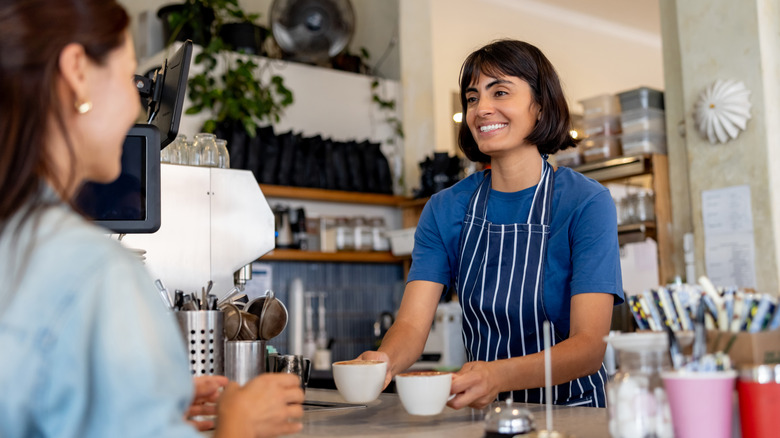
Some customers are none the wiser to the fact that the baristas at their favorite coffee shops look forward to seeing the same friendly faces every day. One of my favorite things about café work — especially a cozy, intimate one in a small locale — is getting the chance to form bonds with the people in town, and feeling like an essential member of the community in doing so.
Knowing a regular's order and getting started on it as soon as they walk through the door isn't just for the benefit of the customer. Some café patrons may not realize, but building that kind of rapport is one of the best things about working in a café — maybe even second to making coffee.
If you frequent the same café and see the same faces behind the coffee bar, don't assume the staff isn't aware that you've been coming back again and again — they're probably just waiting for the right time to casually let you know that they memorized your order. Sure, they do it to streamline their work and maybe earn a heftier tip, but they also enjoy the smile on your face when they see they made you feel like part of the team.
Espresso doesn't always have more caffeine than drip coffee
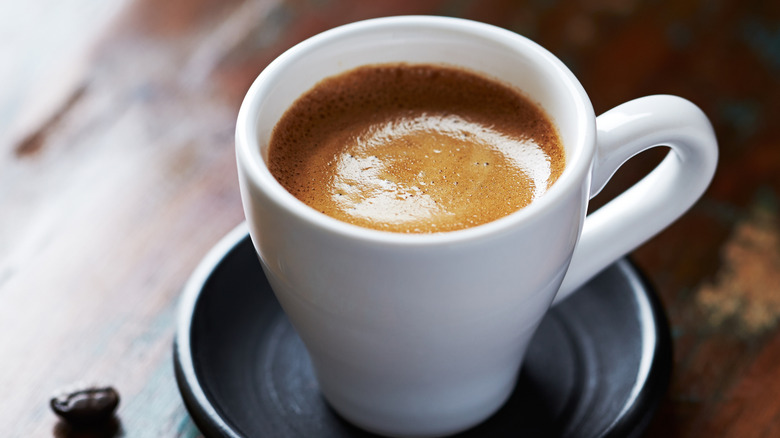
I don't blame those who assume espresso contains more caffeine than plain old drip coffee. Who wouldn't think that a rich, dark shot that nearly resembles motor oil wouldn't offer more of a punch of energy than a milky-brown, watery (by comparison) cup of joe? Actually, espresso does contain much more caffeine than drip coffee — per ounce, that is. Ounce-for-ounce, espresso has drip coffee beat by nearly six-fold. However, most of us aren't consuming a 12-ounce cup of espresso in one go (at least, I hope not), but are likely to have at least that amount in the form of drip coffee.
One shot of espresso is 1 ounce of liquid, and a standard latte, cappuccino, or other espresso beverage contains two shots. Two shots of espresso require roughly the same amount of coffee beans as those in a typical medium-sized coffee to-go. So, the caffeine content works out to be about the same. When customers place their order with a line like, "I'm exhausted today. I'll take a couple shots of espresso this time instead of my usual coffee," those who know coffee in and out can't help but smile to themselves. If that sounds like you, maybe consider asking for a third shot tossed in for an actual caffeine boost.
Baristas favor light roasts when it comes to artisanal coffee
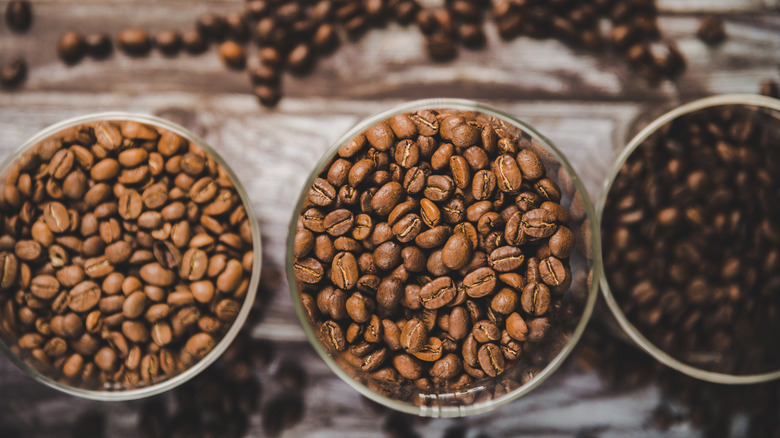
If you're not particularly interested in coffee trends, gourmet products, and unique brewing gear, but you still always enjoy that steamy cup every morning, no one would fault you for always reaching for a dark roast. There's certainly something to be said for stronger, richer coffee with a bold punch — it'll put some hair on your chest, so to speak. Even though so many coffee drinkers like something on the darker side, baristas and coffee professionals in general often shy away from darker brews for one key reason.
Baristas know that roasting dark is a tricky way for less-than-high-quality beans to slip into the market undetected. The darker the roast, the more neutral the flavor profile of the beans becomes. More time spent in the roaster yields that signature smoky, robust taste that we all associate with dark roasts. In fact, all coffee tends to taste kind of the same when it's roasted this way.
When working with artisanal products, baristas seek out lighter roasts to get a real sense of what the coffee is like. Most roasters wouldn't waste, say, a rare Panamanian geisha by leaving it to get crispy in the roaster; it would almost always be roasted light. Knowing this, the next time you visit a new-to-you café and find only light roasts on the menu, don't assume you're in for a watery, bland cup — in fact, you might be about to sip the best coffee you've ever tasted.
The vibe at a café is equally as important as good coffee
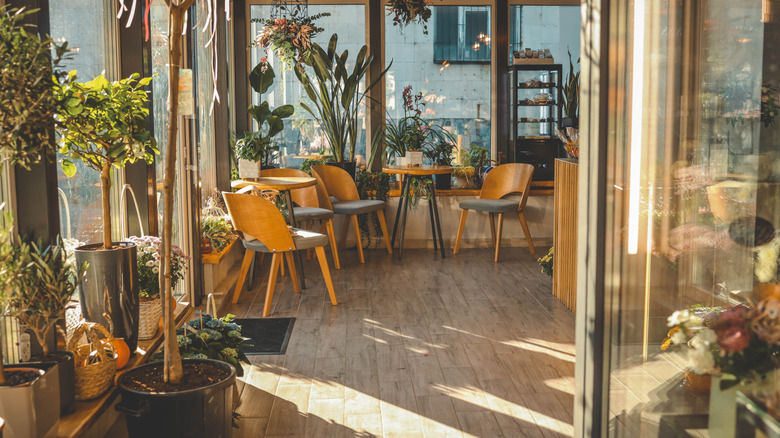
If you find yourself exploring an area, looking for a new café to check out with your barista buddy, you might assume that they'd take you to a spot with a reputation for the best coffee in town. Depending on the intent of the mission, that could be the case. But those who work as café professionals know that a great place to stop for a cup sometimes isn't about the coffee.
Once you learn how to make great coffee and have the technique down pat, working in a café becomes a whole lot more about fostering a great atmosphere than just the espresso shots you're pulling. I know I would much prefer to waste the hours away in a café with comfy seating, warm lighting, and dreamy music than a bright, loud space — even if the latter offers the better brew.
A cozy ambiance that creates that coveted second-home vibe is a telltale sign of a good coffee shop. So many strive for it, but few can pull it off effortlessly. So, when you find a spot with crisp, clean air from live plants everywhere, some genuinely tranquil tunes playing, and (perhaps most importantly) high-speed internet, but the coffee isn't anything particularly noteworthy, cherish it anyway — and know that it's most certainly still barista-approved.