

5 Disadvantages Of Using A Bread Maker That No One Talks About
We may receive a commission on purchases made from links.
There was a time in the 1990s when a bread maker was on every Christmas wish list and wedding registry. This new invention (first released in 1986) managed to automate the complex process of making bread and allowed anyone to become a successful home baker, without even switching on the oven.
Although these appliances aren't as popular as they once were, it's still easy to see the appeal. The smell of freshly baked bread is hard to beat, but few of us have the time or know-how to put a homemade loaf of bread on the table each day. With a bread maker, it's just a matter of adding the ingredients and pressing a button to get a warm loaf of bread within several hours.
If you don't want to (or can't) knead bread by hand, a bread maker can be a real advantage in the kitchen. But the appliance also has some limitations, not all of which R immediately evident. Depending on your reasons for buying a bread maker, these might not be deal breakers, but here are several points to consider before making the investment.
It can be expensive
If your household goes through a lot of bread, then part of the attraction of a bread maker could well be saving money on your grocery bill. And in some cases, home baking does work out to be cheaper than buying bread, but it really depends on the type of bread and how much you spend on a bread maker.
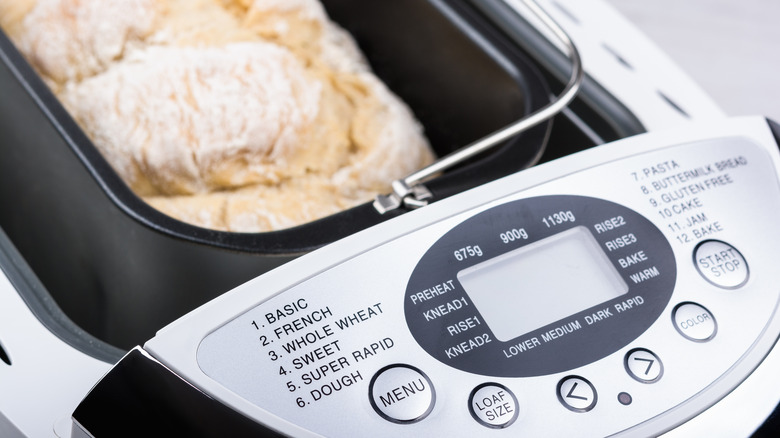
While many calculations weigh the cost of raw ingredients and power versus buying bread, this applies more to making bread by hand. If you want to know if a bread maker is worth it, then the appliance's upfront price needs to figure somewhere in your math. In our list of favorite bread makers, there are budget options (like the $74.99 Elite Gourmet Programmable Bread Maker), but expect to spend upwards of $200 on a model (like the Cuisinart Bread Maker) with more bells and whistles, or more than $450 for a high-end model (such as the Zojirushi Virtuoso Plus).
Of course, the more you use it, the lower the cost per use will be in the end. If you aren't making quite as much bread as you initially intended, you can use a bread maker creatively, including to set jam and even cook meatloaf.
You have limits on the size and shape of the loaf
If all your attempts at making bread by hand have ended up with lopsided or lumpy loaves, then the consistency of a bread maker is going to be a game changer. Your homemade bread should now come out the same day after day — but this can also be something of a downside.
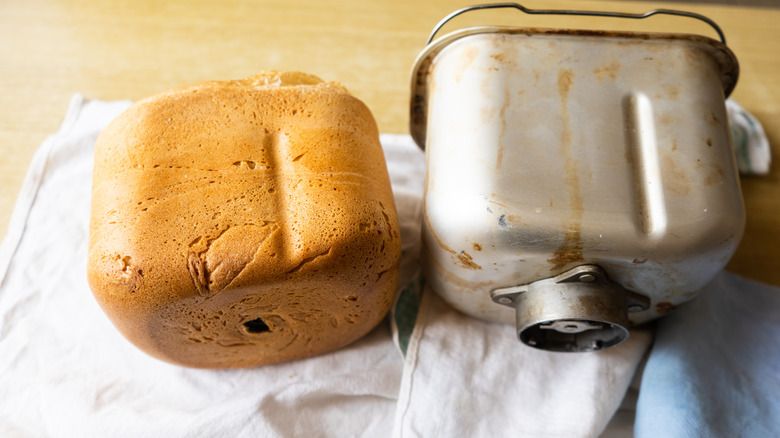
The appliance's baking pan determines the size and shape of the bread, which is a sandwich-style loaf. If that's all you eat, then it's perfect, but if you had hoped to branch out into different types of bread like baguettes or artisanal cobbs, you're out of luck. Unlike bread baked in the oven — where the baker shapes the dough and allows it to rise freely — bread baked in a bread maker takes its shape by filling the entire form.
Some bread makers list baguettes, croissants, and pizza among their recipes. These make use of the bread maker to mix and rise the dough, but they will still need to be shaped by hand and baked in a traditional oven. Even if you're satisfied with the classic shape, check the dimensions of the loaf pan before you buy a bread maker. These loaves can be taller than what you might buy at the supermarket, and in some cases the slices may not fit your toaster.
You can't make adjustments during cooking
When you buy a new bread maker, it comes with a set of recipes already tested and ensured to work with that specific machine and its baking cycles. This is designed to eliminate — or at least limit — human error, but there are instances when baking does need a human touch.
Regardless of how good a recipe is, it can't anticipate variations like humidity or the absorbency of the flour you use. When making bread by hand, you can easily tell if the dough is too wet or if it requires more kneading than usual. In an interview with The Takeout, Nicole Bean of Houston's Pizaro's Pizza Napoletana noted this as one of her key reasons for not using a bread maker: "The biggest [disadvantage] is not being able to actually touch and feel the dough to know how the texture is."
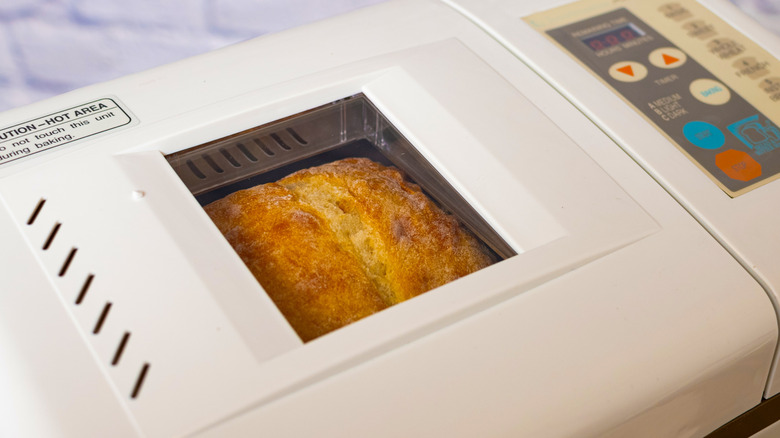
Once you press the button on the bread maker, you can't make changes. The machine will have breaks between different phases such as mixing, rising, and baking, but it won't necessarily alert you. If you pause it at the right time, you might have a chance to reshape the loaf of bread, but if the last phase didn't go as planned and the dough is too dense or not mixed properly, there's not much to do about it.
It's not intended for batch baking
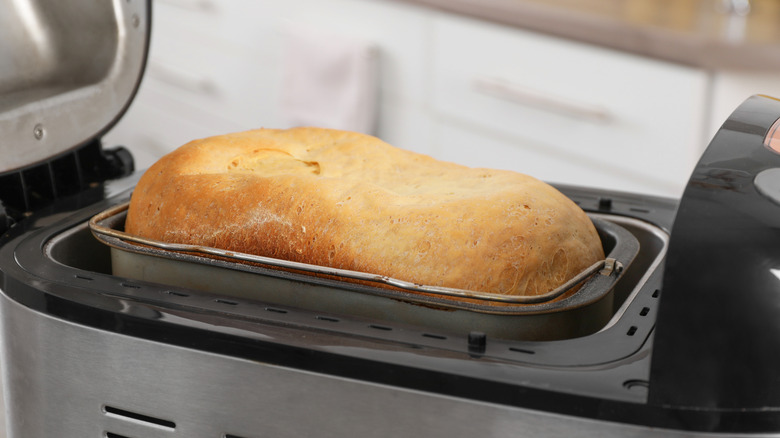
One key difference between oven baking and using a bread maker is the ability to batch cook. Making one loaf at a time with a bread maker is a great way to enjoy fresh bread (which for many is the appliance's main attraction), but if you prefer to bake ahead and fill your freezer for the week, it makes less sense.
In a traditional oven, you not only have space for more than one loaf, but you can add other goods to bake while you're at it, provided they bake at the same temperature. (For example, sourdough requires a hotter oven). And it's not just about the cooking time. With a bread maker, the entire process happens in the appliance, including mixing, rising, and baking — during which time you can't use it for anything else. Making bread by hand, you can have a couple of loaves in the oven while you're kneading or proofing more dough.
Some bread makers can make two loaves at a time, but this isn't necessarily as helpful as it might seem. The twin bread form simply allows you to cook two smaller loaves instead of one large one, and they need to use the same bread recipe.
It's not always convenient
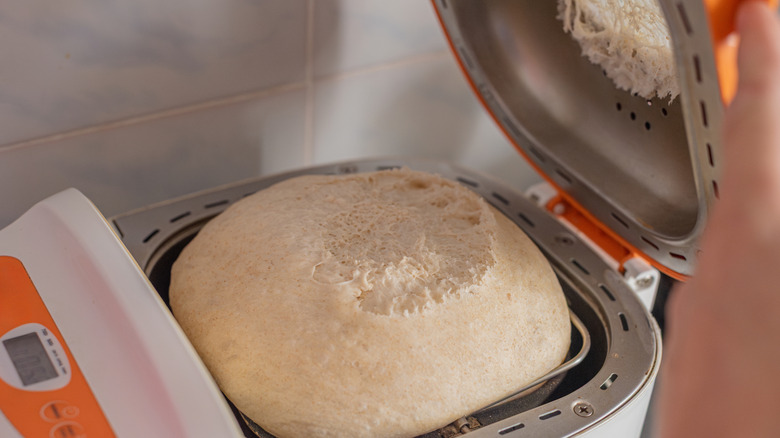
Bread makers are all about convenience: Add the ingredients, push the button, and you don't need to do anything else until the bread is ready. But usually no one mentions just how long it takes. The cycle for a standard loaf can run around three to five hours (maybe a little shorter with rapid-rise yeast), so getting fresh bread on the table isn't something you can do in a flash.
While the cooking process is hands-off, the cleaning most certainly is not. It's true that you won't have a flour-strewn counter to wipe up or a sticky mixing bowl to empty, but you still need to clean a bread maker after every use. This means waiting until the appliance is cool, detaching the paddle and pan, and washing these parts by hand. You'll also need to remove any crumbs and flour from the main baking chamber.
Finally, there's the appliance itself. A bread maker has a fairly large footprint, and if you don't use it daily, you might not find it warrants taking up valuable counter space. For this reason, bread makers are often considered one appliance you don't really need. The alternative is to get it out of a cupboard or pantry before every use, which means considering the weight. A smaller bread maker might weigh as little as 10 pounds, but a premium model like the Zojirushi Virtuoso Plus can weigh in at a hefty 24 pounds.
Static Media owns and operates Tasting Table and The Takeout.