

13 Cheap Cuts Of Meat That Become Amazing When Slow-Cooked
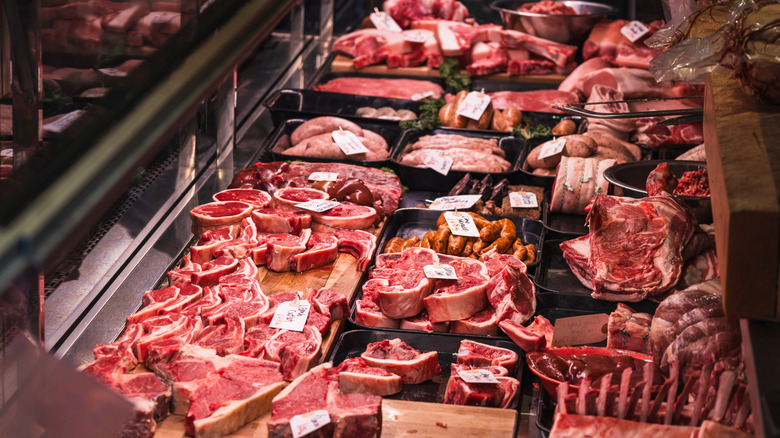
Many people are trying to find cheaper ways to live in this economy. Your wallet can really take a hit when buying meat, even on cuts that were once financially accessible. Buying budget cuts can save you money, but you have to know how to prepare them.
So why is there such a price disparity between different cuts of meat? That's because many cheaper cuts of meat, as opposed to cuts like tenderloin and ribeye, have stronger connective tissues, sinew, and collagen that take time to break down and become soft. Slow-cooking is a tried-and-tested method for breaking down tougher cuts of meat into tender and flavorful meals. They can't be cooked like steaks, as they'll end up rubbery and hard. However, when you give them enough time to cook, plus some liquid to keep them moist while they do, you can easily transform them into melt-in-your-mouth, luxurious meaty stews and braises.
As someone who is culinary-trained and works in food service, I've spent plenty of time cooking all kinds and cuts of meats, including the ones that need some extra love and care to get to a tasty finished product, and I'm a firm believer that being frugal doesn't have to mean eating less deliciously. If you're not sure where to start, look no further. These are some cheap cuts of meat that become amazing when slow-cooked.
1. Beef shin
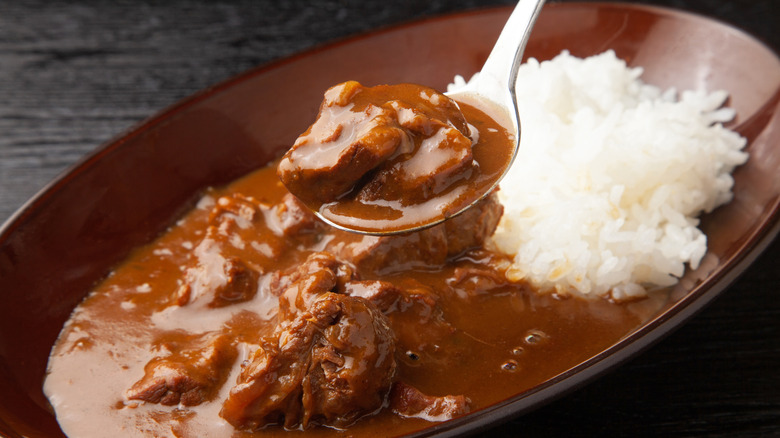
Beef shin is one of the lesser-known cuts of meat, but it's one of my personal favorites. In my experience, you can usually get thick slices of bone-in beef shin or cubed boneless beef shin at a butcher's counter, rather than in the meat aisle. The cut comes from the front shanks of the animal, a strong muscle group that works hard, meaning that the meat is full of tough connective tissue. If you don't slow-cook it, it can come out super hard. You need to give the connective tissue enough time to break down so that it becomes silky and almost gelatinous. The result is soft meat and an uber rich, fatty sauce that coats your mouth as you eat it.
There are countless recipes to make with beef shin, and it works well for most kinds of stews. I like to make a simple beef stew with root veggies on the stovetop, simmering the ingredients in aromatic stock for a few hours. Alternatively, you could try this Asian-inspired boeuf bourguignon-like recipe for aromatic garlic and ginger beef stew for an umami-packed meal. The addition of Chinese five-spice and other warming spices is genius.
2. Beef chuck
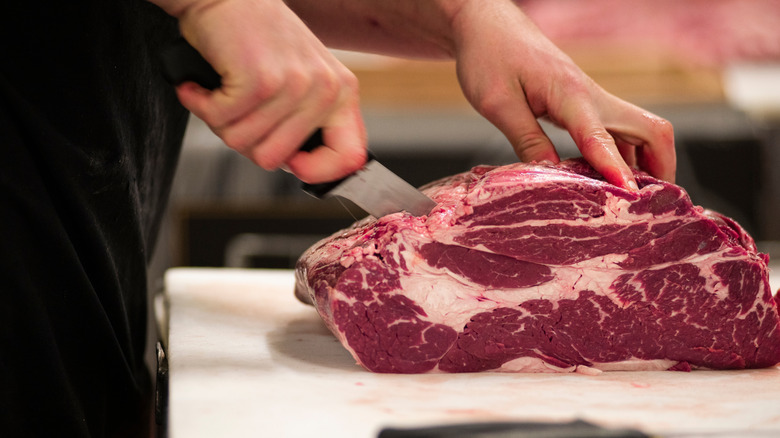
Beef chuck is a popular piece of meat for slow cooking, and you've likely even cooked it before. It's easy to find in most grocery store aisles, and it's a cut that's often recommended for various stew recipes. Beef chuck comes from the shoulder of the animal, including a part of the lower neck and upper arm. This part of the body carries a lot of weight and is used for movement, meaning it's made up of tough, fibrous, and chewy muscle and fat. Usually, a whole chuck is then broken down into smaller pieces for roasts or steaks, or turned into hamburger meat, but if you get some cubed chuck, you can make a mean slow-cooked meal.
Often, cheaper cuts of meat get a reputation for not having a lot of flavor, but with beef chuck, this couldn't be less true. Because of all the connective tissue and fat that runs along the chuck, it's actually one of the most flavorful cuts of beef — you just have to know how to cook it to bring out its best. This means low and slow, like most of the cuts on this list, but the dishes you can make as a result are endless. Everything from making your own birria tacos to a classic boeuf bourguignon, or this cozy cinnamon apple cider beef stew can be made using beef chuck.
3. Lamb shank
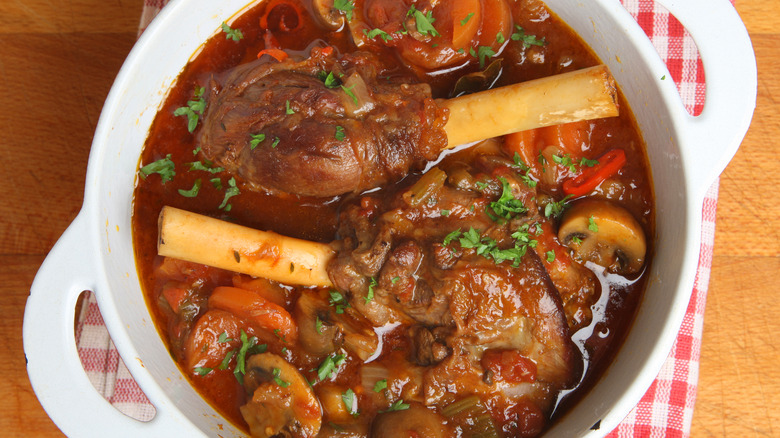
When looking for cheap cuts that are great for slow-cooking, you don't need to stick to beef. Lamb shank, for example, is a great cut that is just begging to be slow-cooked. Lamb shanks are the lower part of the animal's legs and can be sourced from either of the front or hind. It's an incredibly tough cut of meat, but when slow-cooked, it can become buttery soft. It's the perfect cut to braise in some stock, and in my opinion, it doesn't need a whole lot of additions to be flavorful. In fact, I tend to make lamb stock from the water I've used to braise my lamb shanks in. The stock can then be used in other soups and stews.
This Greek-style lamb shank recipe is an easy recipe that will get you familiar with this cut. It calls for tomatoes, olives, garlic, lemon, and other delicious flavorings, all cooked together in one pot until the lamb is fork-tender and falling off the bone. This vibrant broth balances the richness of the lamb, leaving you with the perfect meal to serve at a dinner party or for Sunday lunch.
4. Pork shoulder
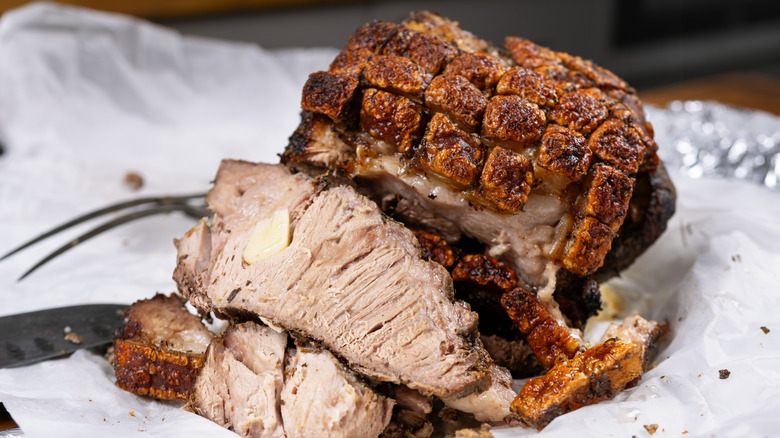
Few cuts of pork can be used for slow-cooking. The shoulder is one that immediately comes to mind. The whole shoulder is considered a primal cut, meaning one of the larger cuts of the animal that then gets broken down into smaller pieces. Often, it gets divided into the butt, which is the upper part of the shoulder, and the picnic cut, the lower part that meets the leg. Both of these cuts are good for slow-cooking.
Still, it can be helpful to know the subtle differences between them. The butt tends to be the best cut to use for something like pulled pork and barbecue. That's because it has a good amount of marbling that melts into the meat as it cooks, making it super flavorful and juicy. It's a more forgiving cut, which is good if you're worried about overcooking it.
The picnic shoulder has many of the same qualities as the butt but is usually sold bone-in and skin-on. This means it's harder to cut into pieces for a stew than a butt, but if you're cooking it whole, the bone helps insulate it and helps retain moisture. The skin can get nice and crispy, too. While both pieces are good options for slow cooking, if you want a whole roast with some crackling to go with it, opt for the picnic shoulder.
5. Beef brisket
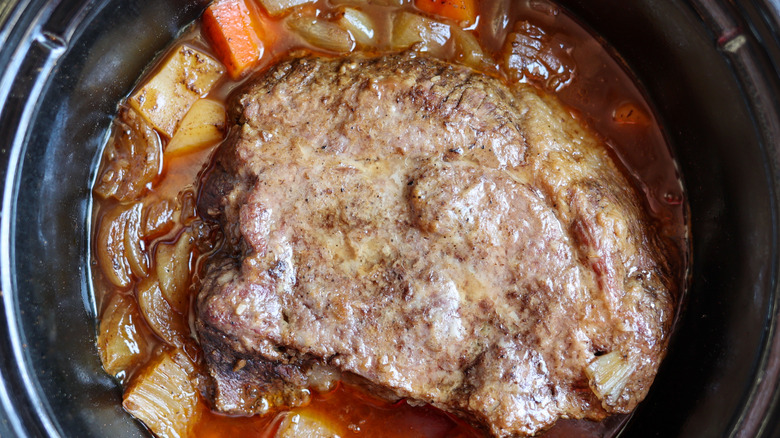
Brisket is an old faithful cut for slow-braising that comes from the breast of the animal, underneath the upper ribs. It's a large, boneless cut of meat that's often broken down into two smaller pieces: flat cut and point cut. The point cut has more fat running through it and is better for shredding, while the flat cut has a fat layer on one side and is better for slicing into larger pieces. Though these differences will alter how they cook, both generally need long cook times and are really delicious, so it's hard to go wrong with either.
In my experience, the best thing about brisket is that it gets even tastier the next day, so it's perfect for a recipe you want to make ahead of time. Keep it stored in the refrigerator in its braising liquid so that it stays moist until it's time to eat. A simple brisket pot roast is an easy way to use this cut.
6. Oxtail
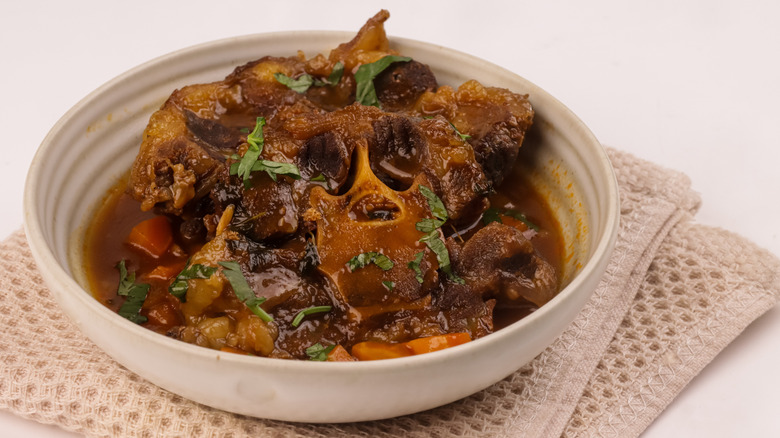
If you've never had oxtail, it may sound strange to you, but you're definitely missing out. Yes, it is, in fact, the tail part of the cow or ox. It is bony, but also fatty, meaty, and gelatinous. When slow-cooked in liquid, oxtail becomes a velvety and rich cut and releases immense savory flavor into the cooking liquid. It may not be as well known stateside, but it's a popular cut all over the world — everywhere in China, the Caribbean, Britain, and many parts of Africa. It's certainly one to try if you haven't yet. And while the meat will fall off the bone if you cook it for long enough, the bone will have tasty bits of meat and collagen in the tiny nooks and crannies. Pick it up with your hands and get sucking when nobody is watching!
It is the perfect cut for making soups, stews, and curries, and this slow-braised oxtail stew recipe will help you make an amazing one-pot meal. It entails browning the oxtail first to get a caramelized flavor, then removing it from the pan while cooking down the veggies, before assembling everything back into the pan along with wine and the rest of your braising liquid.
7. Pork belly
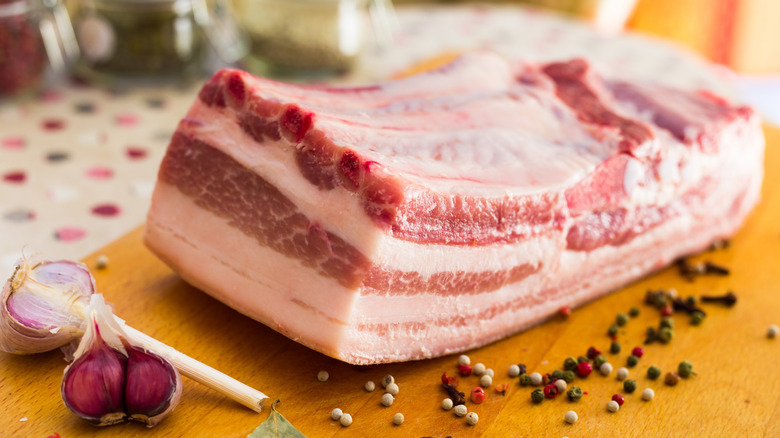
The name pork belly will clearly tell you what part of the animal it's from — no tricks here! It's the belly, the underside of the pig that's left when the ribs and the loins are removed. It's boneless and has thick layers of fat. Because of these fat layers, there are many ways to cook it, and here, "slow-cooking" doesn't only refer to braising and stewing. The fat layer can take ages to render down and melt into the meat, so it's a good cut for slow-roasting, smoking, grilling, and, of course, braising.
What's nice about roasting a piece of pork belly is that you can crisp up the skin and fat to make it crunchy. When you opt for a wetter method like braising, that fat layer will reduce in the sauce and make it incredibly flavorful, while also becoming a gelatinous layer in itself that will melt in your mouth. It's a versatile piece of meat and a win-win in my eyes, no matter how you choose to cook it; it just depends on your personal preference for texture and mouthfeel.
8. Lamb shoulder
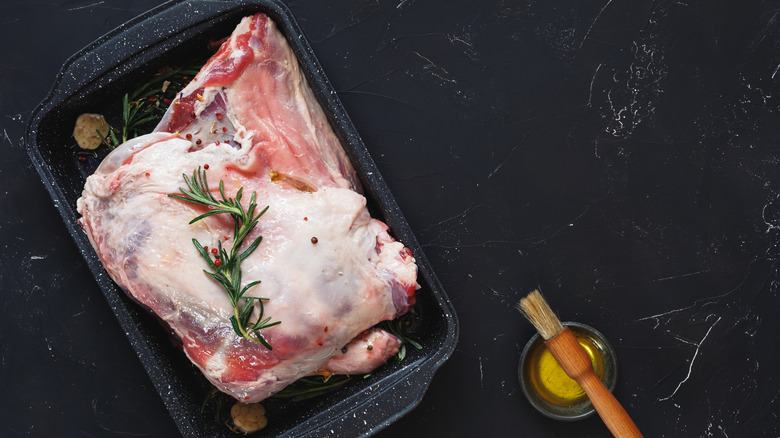
In the sphere of all things lamb, the leg often gets the most attention. Because of this, the leg often costs a pretty penny. The part that isn't as well-known is the shoulder, and you'll be glad to know, it's equally delicious as (arguably even better than) the leg. It's also usually more affordable, so if you learn how to work with it, you'll always have a secret weapon to whip out for Sunday lunch or a fancy dinner party.
Lamb shoulder is a well-worked muscle in the animal, so it's full of connective tissue and a generous amount of marbling. This requires longer cooking times to break down, but when you do, you're left with tender meat that's packed full of gamey lamb flavor. It's ideal for braising and slow-roasting, and in my opinion, works best in Middle Eastern and Greek lamb dishes which involve warming spices and robust flavors that can match the lamb. Cook it on the bone for maximum flavor, and watch the meat become fork-tender and flaky when cooked.
9. Beef cheeks
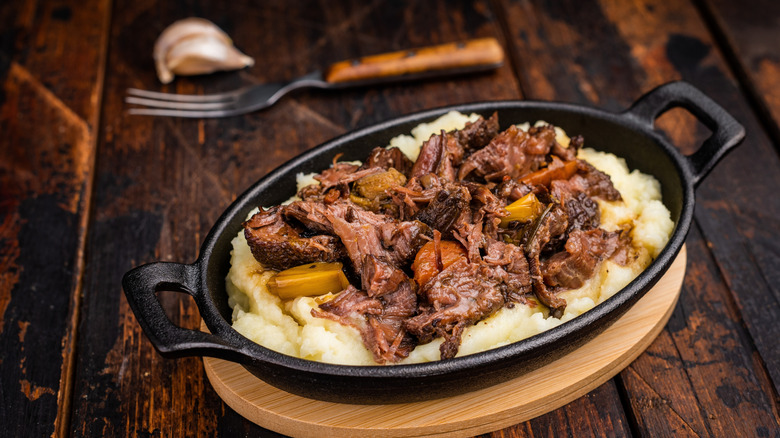
I've had clients before who thought beef cheeks referred to the cow's behind. When I told them they are actually mouth cheeks, they found it even more funny than their original assumption. Jokes aside, beef cheeks are actually a hugely underrated and budget-friendly piece of meat, and become incredibly silky when slow-cooked.
These hard-working facial muscles are full of connective tissue and collagen, making them a nightmare to cook with any other way besides slow. Stick them in any long-simmering soup or stew, or braise them in a Dutch oven over a few hours, and they'll become some of the most tender and juicy pieces of meat you could ever have. My favorite method is to cook them in red wine, along with some star anise and cloves to balance their richness.
10. Pork trotters
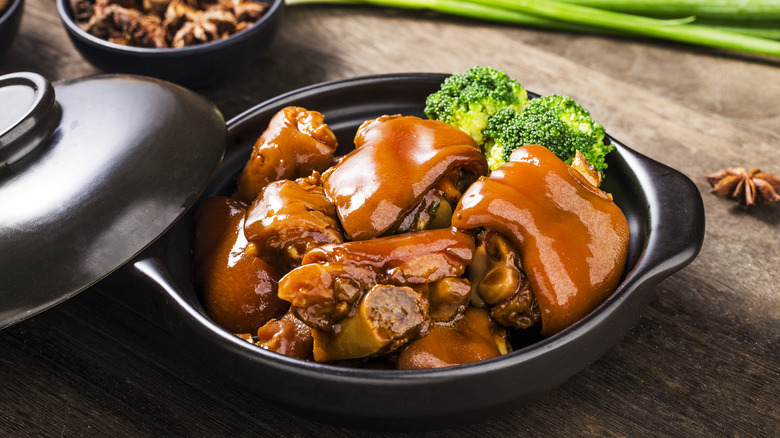
Pork trotters may be more on the adventurous side for some foodies, but for those (like me) that grew up eating them, they are as close to a delicacy as pork can get. Calling them trotters may help them sound a little fancier, but their other name, "pigs' feet," gives you a better picture of what you're eating. This cut, taken from below the ankle of the pig, is made for slow-cooking. They're meaty and gelatinous, so they need time to cook and become tender, but once they are, you'll find that the meat is soft and packed with fatty pork flavor.
If you simmer pork trotters in water, they'll create a deep and flavor-packed stock you can use for other soups and stews. Or let everything braise together in one pot and serve it as a rich, savory stew. My favorite thing to do is to let the trotters cook slowly until they're tender, then I take them out of the liquid and broil them in the oven to get them brown and crispy. This creates amazing textural contrast, and they're so fun to hold with your hands and nibble. Don't knock them until you've tried them.
11. Beef short ribs
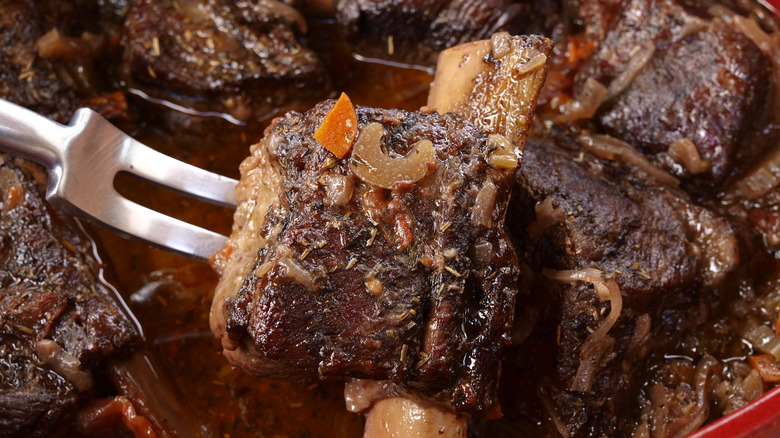
Now back to something you've probably eaten before. Beef short ribs are a no-brainer for slow-cooking, and are also a hit with most people who eat meat. They're a versatile cut of meat, and you can find recipes for short ribs in numerous cultures, so there's certainly something for everyone. Unlike some of the cuts on this list, you don't have to slow-cook short ribs for them to be delicious, but they're amazing when you do. They're often sold bone-in and are sourced from the lower rib section of the animal. When you take your time with cooking them, the super fatty meat tenderizes magnificently and falls right off the bone.
Barbecued short ribs can be great, but braising is my favorite way to cook them because I find their flavor develops with a longer cook. As the fat melts into the meat, it moistens and flavors it. Plus, the drippings dissolve into the braising liquid and create a delectable sauce. Braised short ribs, served over some fluffy white rice or with creamy polenta, will have you salivating.
12. Venison shoulder
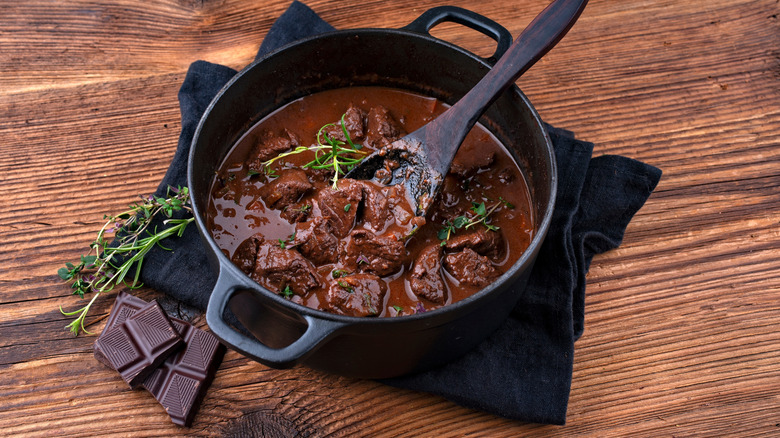
Venison can be a daunting meat to cook if you have no experience with it. It can also be quite lean and tough, but slow-cooking is a great way to tenderize it and enjoy it to its full potential. Venison shoulder can be just the cut you need to try if you're new to game meat because it doesn't need much preparation. You can braise it whole or cut it into pieces, with some wine (beer, ale, and cider work great too), spices, herbs, and other aromatics, and let your oven or stovetop do all the heavy lifting for you.
Whether it's from elk, moose, or antelope (all members of the deer family), the shoulder is full of connective tissue that cooks down into the meat, enriching it and giving it heaps of flavor. When cooked on the bone, the meat should flake right off if you've let it slow-cook on low heat for long enough. The secret is to have patience, as in my experience, it can take up to four hours to get there. Don't rush it, and you'll have a thing of beauty at the end.
13. Beef silverside
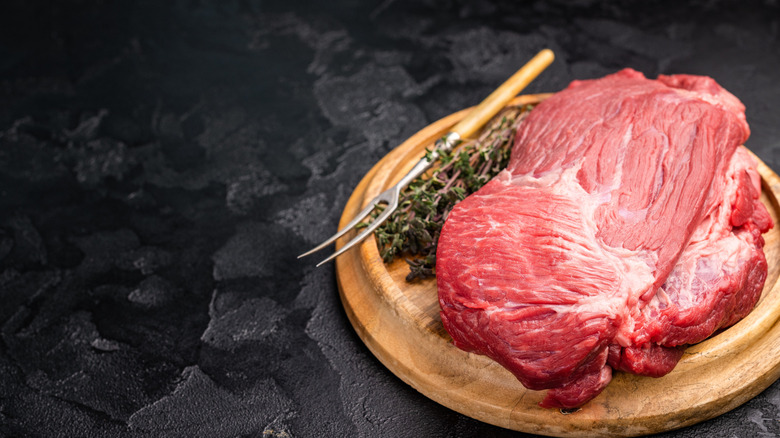
Silverside comes from the rear of the cow, and is generally a boneless and lean cut of meat, making it a good option for people looking for a lower-fat cut. It's often used for making roast beef, but there are other ways to prepare it too. Its leanness can mean that it's a little on the dry or chewier side. It benefits from slow-cooking, which helps keep it moist and soft.
As it's a little easier on the wallet than other cuts of meat, it's a good cut to get for a family meal. Turning it into a pot roast or braising it can really bring out its best. If you buy a whole piece, you can sear it on all sides in a hot pan, then transfer it into a roasting pan or a Dutch oven with your seasonings (and braising liquid), and cook it low and slow.
It can take a long time, potentially upwards of 10 hours, to make it tender, so this is not a cut to cook last-minute. But with preparation and enough patience, this cut will reward you with tenderness and flavor.