

15 Fruits, Vegetables, And Herbs You Can Still Plant In September And October
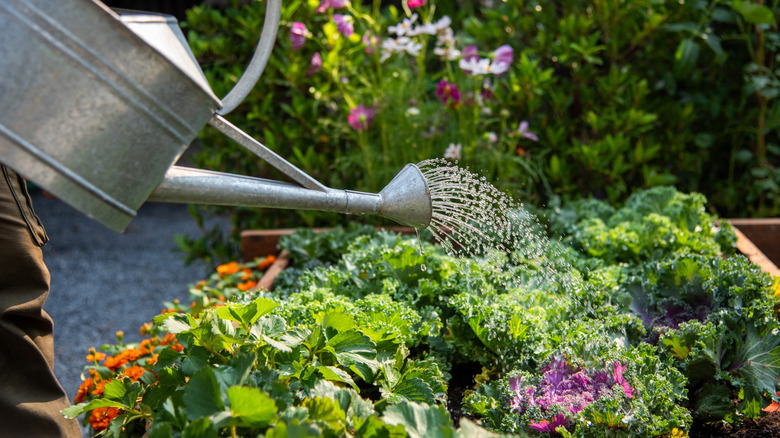
Do you feel that in the air? There's a crisp coolness nipping at your nose, a white shimmer in the sunlight that wasn't there before. Fall is here! And while you may be desperately reaching for those last peaches of summer or gearing up to hunker down with root vegetables and cozy fall soup, we've got a happy medium for you. There are actually tons of fruit, vegetable, and herb plants that thrive when they are planted in the early fall. Fall gardening is gardening at its best: fewer bugs and cooler temperatures, but still plenty of sunshine and fertile soil to take advantage of.
The produce here made our list of fruits and veggies you should grow in your fall garden for one of two reasons; either they grow fast and you'll have a bounty by early November if you plant them now, or they're hardy perennials that thrive best when planted in the fall and given time to root and grow before they bear fruit in the spring.
Cabbage
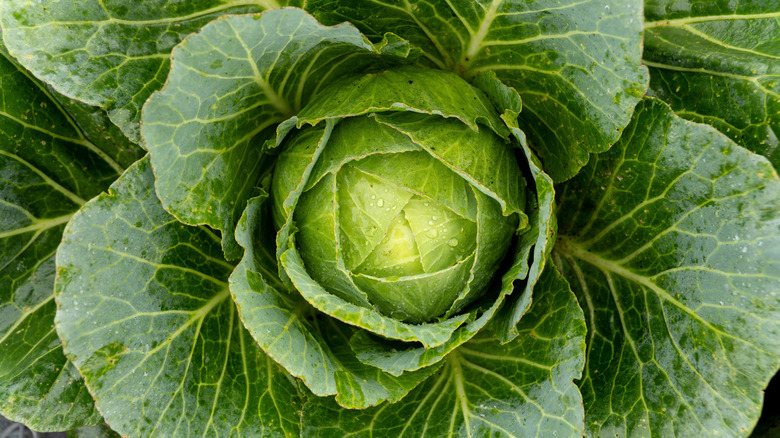
It will come as a surprise to no one that cabbage is a very hardy vegetable. Whatever variety you choose to plant, it will handle the cooler temperatures like a champ. You ideally want to plant it when outside temperatures are between 45 and 75 degrees Fahrenheit, aka now. What are you doing still reading this? Go plant some cabbage!
Figs
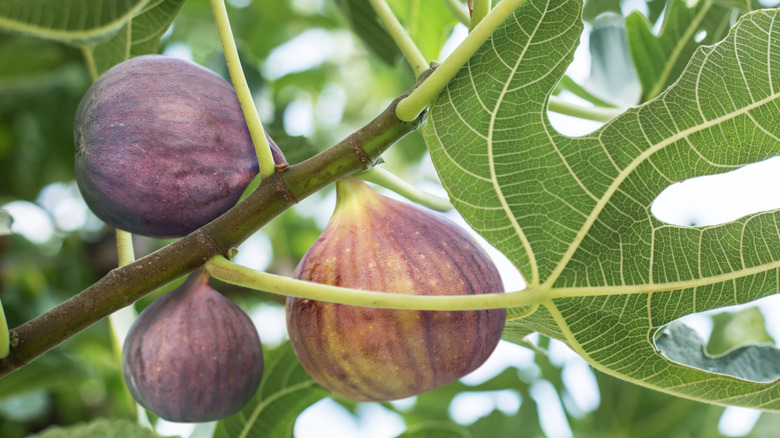
Figs are a perfect addition to your fall salads, toasts, desserts, and even cocktails. This is one of those trees that's best to plant with your eye on the future. Depending on the type of fig tree you plant, it may not bear fruit for a year or two. But once your fig tree is well-established, you can count on a bounty that will be ready to harvest each spring and fall.
Mulberries
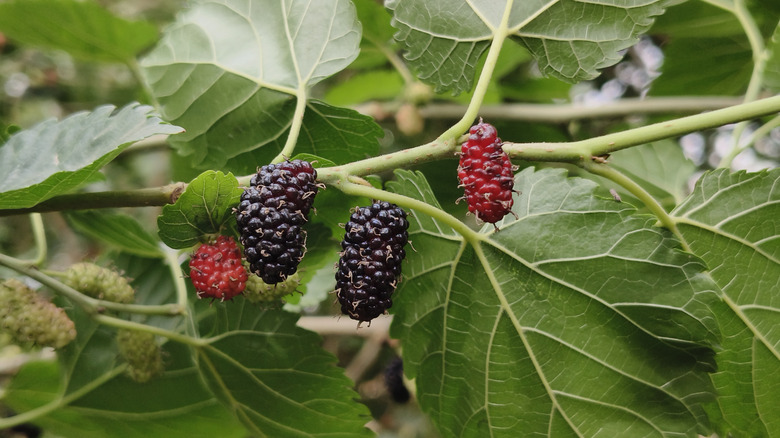
Mulberries resemble blackberries, but while the prime blackberry-growing season is spring, mulberries (the everbearing cultivar specifically) are a perfect fall fruit because of their long harvest season. Not to mention, they're self-pollinating and easy to grow and harvest, making them the perfect choice for a last-minute home garden.
Lettuce
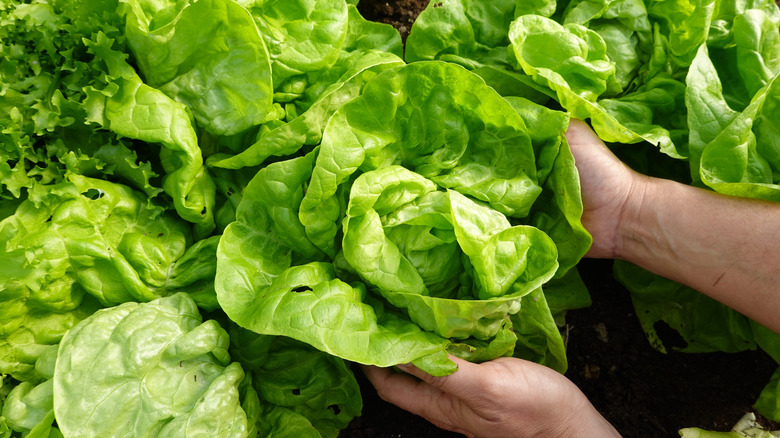
Lettuce grows very fast compared to lots of other veggies; you may be able to pick and eat your lettuce in a month after planting the seeds. It also tends to fare pretty well in slightly cooler temperatures, making it a fantastic option for your early fall garden. In fact, if you plant your lettuce in the summer when temperatures are still really high, your lettuce leaves can easily become bitter. For the best results, make sure you plant your lettuce approximately two months before the first frost.
Kale
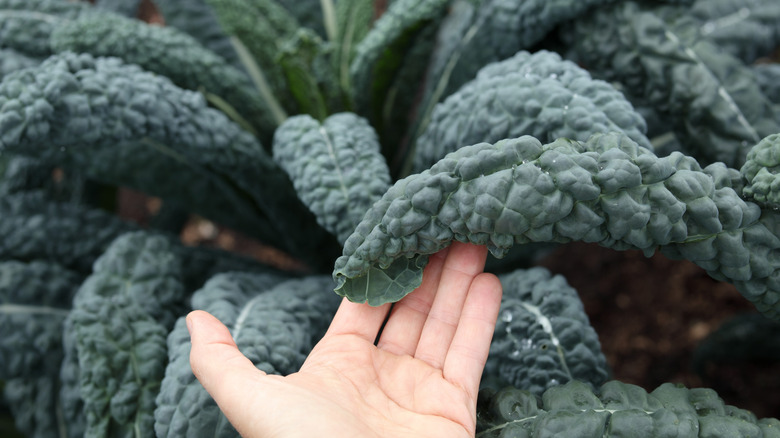
If your fall salad doesn't have kale in it, is it even a fall salad? Like lettuce, kale grown in hotter temperatures may end up with a bitter taste, which means the fall is actually the optimal time to plant this relative of the cabbage. Kale also grows fairly quickly, in about 50 to 70 days, so if you plant the seeds at the beginning of September, you'll have plenty of crunchy leaves to eat by November.
Carrots
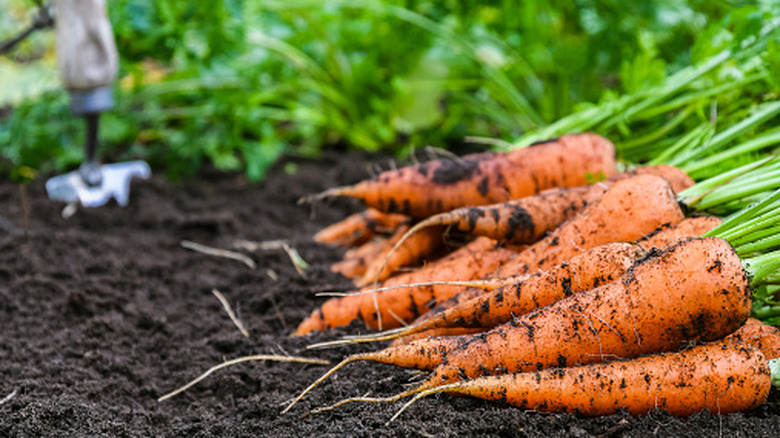
Carrots grow quickly; fast-maturing varieties can be plump and ready to harvest 60 days after planting the seeds. So you can have a whole bunch ready for your Thanksgiving side-dish dreams, like, for example, these three-ingredient maple pecan glazed carrots or roasted curry carrots and mint vinaigrette. (Incidentally, mint is great to grow in the fall as well!)
Radishes
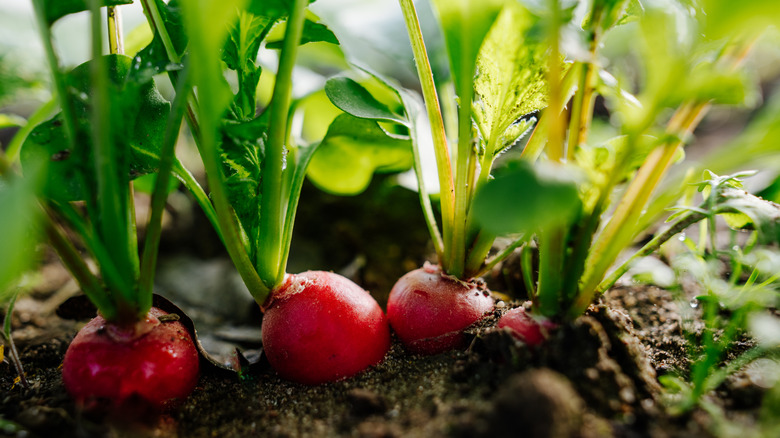
Radishes grow extremely fast and well in the fall. The best way to plant them is to plant seeds every two weeks throughout the early fall. Because they can be ready to pick and eat in three weeks (yes, we actually mean three weeks), sowing a crop of seeds every two weeks ensures that you'll have tasty, crunchy radishes to snack on (preferably with butter, crusty bread, and flakes of salt) all fall long.
Garlic
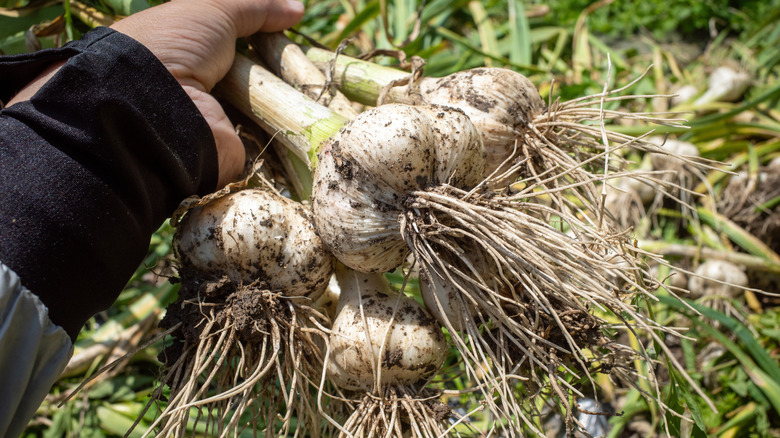
Depending on what growing zone you're in, you'll want to plant garlic in either early September or late October. Garlic thrives in cool temperatures, so if you live in a warmer zone, you'll want to wait until further into fall when temperatures start to fall a little bit. With garlic, you're thinking ahead, as whatever you plant this fall won't be ready to harvest until next summer. But your own home-grown garlic? Totally worth the wait.
Parsley
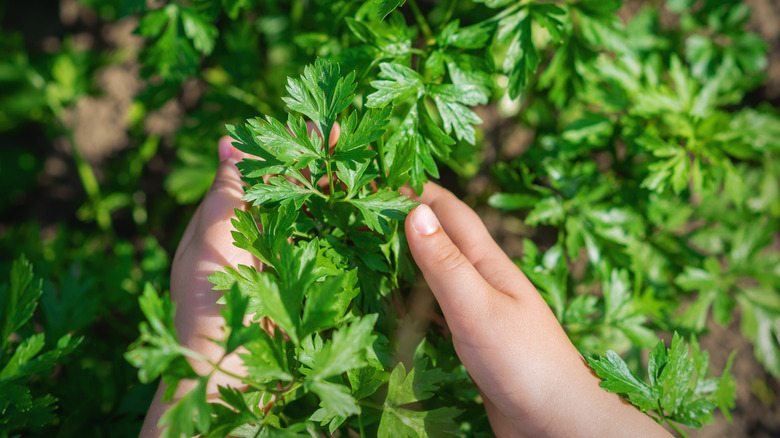
Because of its fresh taste and ubiquitousness through lots of summery dishes, you may assume that parsley is a warm weather herb, but that's not actually the case. Parsley is in the carrot family, and it's a lot hardier than you might think. Plant your parsley seeds when temperatures range from between 40 to 75 degrees Fahrenheit. If you live in a mild climate, your parsley plant can survive throughout the winter and even into spring.
Sage
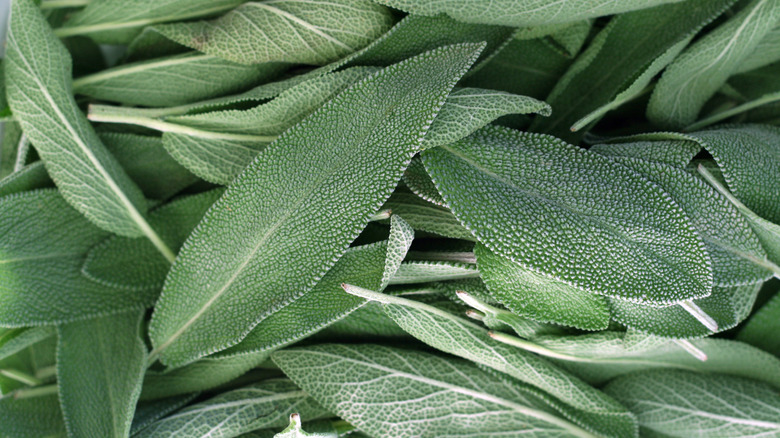
Sage elevates any fall dish it's in, it can survive through cool temperatures, and its fuzzy leaves are a unique visual addition to your garden, making it a perfect herb to grow in the autumn. The great thing about growing herbs like sage is that you can use it fresh throughout the fall and then dry the rest to use in the deep winter for recipes like this extremely cozy smoked sausage and squash pasta with sage brown butter.
Rosemary
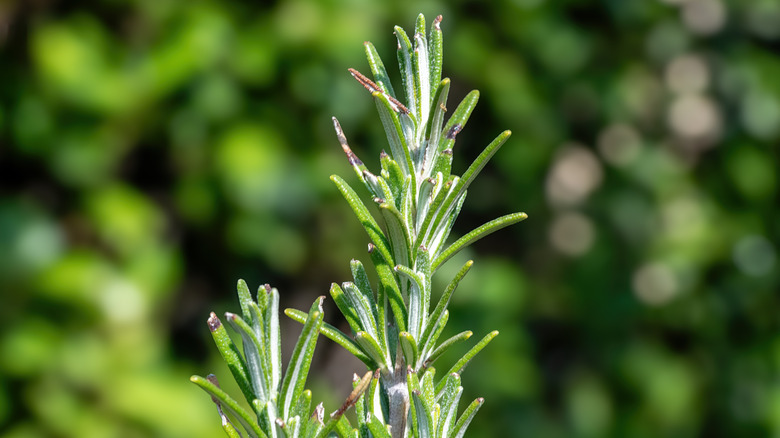
Rosemary is a versatile and hardy herb that does well in both warm and cold climates. It's even able to withstand frost and can live through cold temperatures as low as 10 degrees Fahrenheit. Plus, it's pretty much a staple in every Thanksgiving dish, so it's a no-brainer to add to your garden this fall.
Thyme
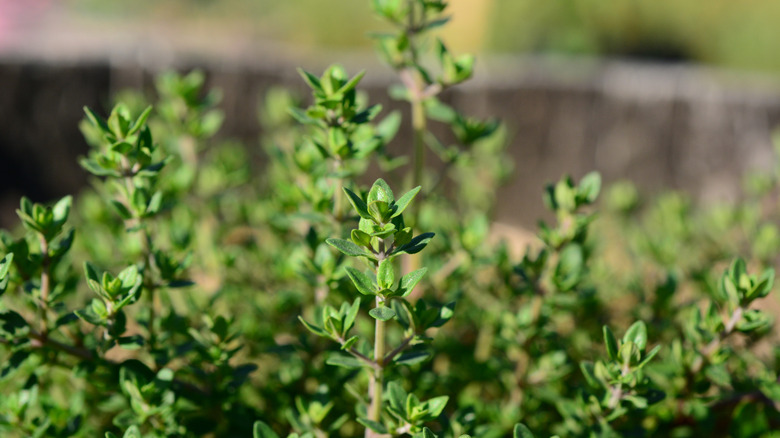
Parsley, sage, rosemary, and thyme! A songful's worth of herbs that all make great additions to your fall garden. Thyme is one of those herbs that you can grow very easily at almost any time of year, and it lends a deep, earthy flavor to your turkey, stuffing, soups, and roasted veggies.
Persimmons
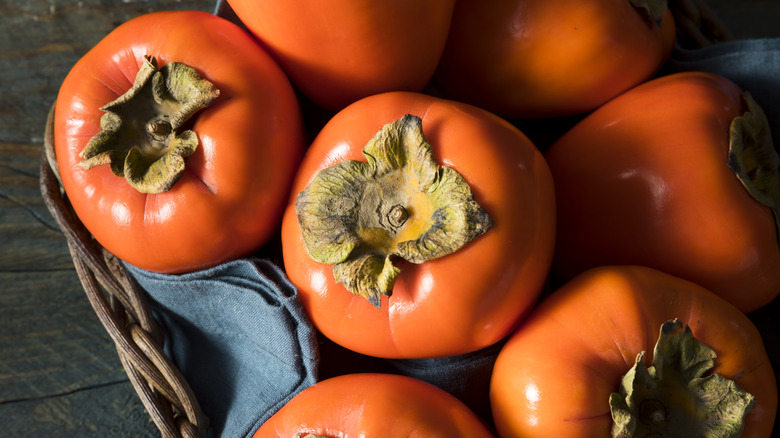
We're just going to say it: persimmons are some of the classiest fruits out there. Planting a persimmon tree is one of the best ways to take your backyard garden and fall cooking from basic to beyond impressive. The bright orange color and mild sweetness of the fuyu persimmon makes it extremely versatile in both sweet and savory settings, from jams to salads to cakes to cheese plates. Planting a persimmon tree is a commitment, though. They require a warm climate and are fairly low maintenance, but it can be five years before they start bearing fruit in an abundant way.
Currants
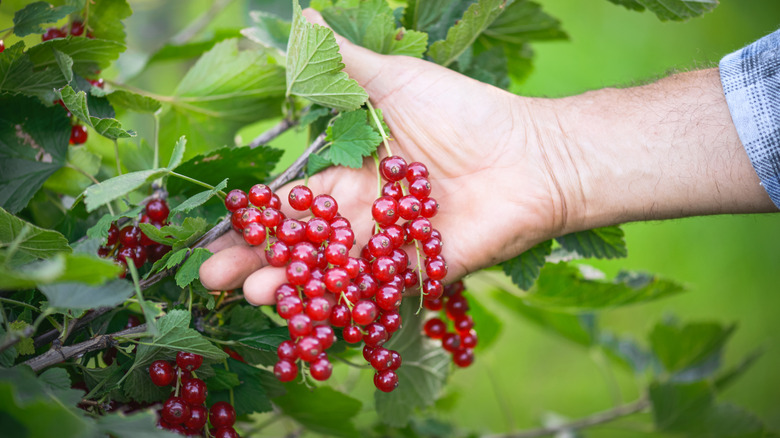
Plump, juicy currants are among the easiest fruits to grow in a home garden, can be used to add a tangy kick to lots of dishes and drinks, and thrive best when planted in the fall. This applies to both red and black currants, so it's totally up to you which variety you prefer to plant.
Rhubarb
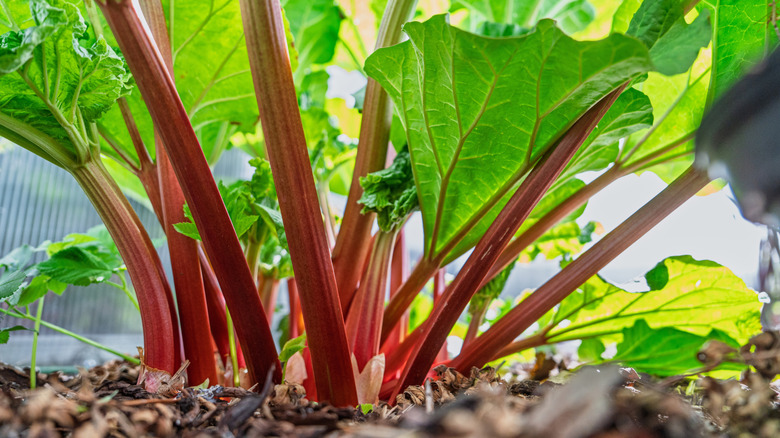
Plant rhubarb in the fall, but don't harvest it during the first year of growth. If you do, you risk the plant dying since it won't have had the chance for the roots to develop fully. In year two, you can harvest some, but keep it to fewer than six stalks total. The gorgeous red-stemmed leaf may look ready to pick, but it takes so long for rhubarb to root that you have to give it several years to really take hold and thrive. If you're patient, though, you'll have rhubarb for years.