

5 Disadvantages Of Using An Induction Stovetop
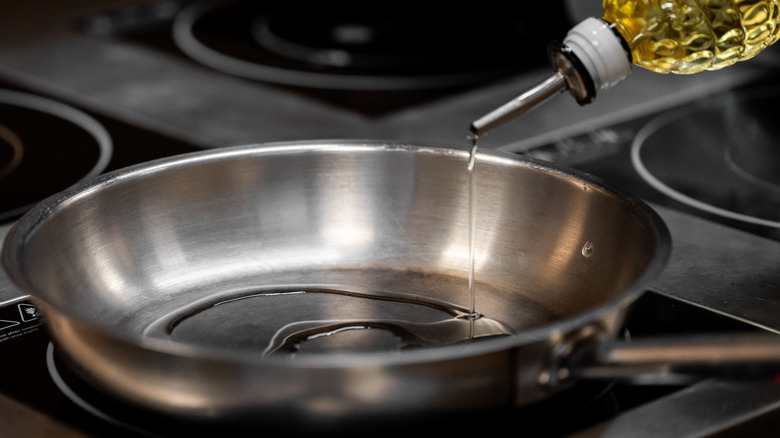
Induction stovetops have become a buzzy addition to upgraded kitchens, but not every buyer is thrilled with the purchase. When deciding whether to get an induction stove, there are a few issues you'll want to be aware of before you sign any dotted line. The upgrade isn't always a seamless insert to an existing kitchen setup, and unexpected costs and learning curves can mean surprises for cooks.
Before you browse models and decide to replace a gas or electric range with an induction stovetop, you'll want to be aware of potential unexpected complications. Sure, induction stoves can boil water quickly and respond rapidly to temperature changes, but the perks of quick heat may not be enough to outweigh costs and annoyances for every homeowner. Ultimately, the choice is up to you, but you should understand that upgrades to accommodate the new stovetop may also include additional purchases, such as cookware and electrical fittings. Here are some of the biggest disadvantages of induction stoves to keep in mind.
Not all cookware is induction-compatible
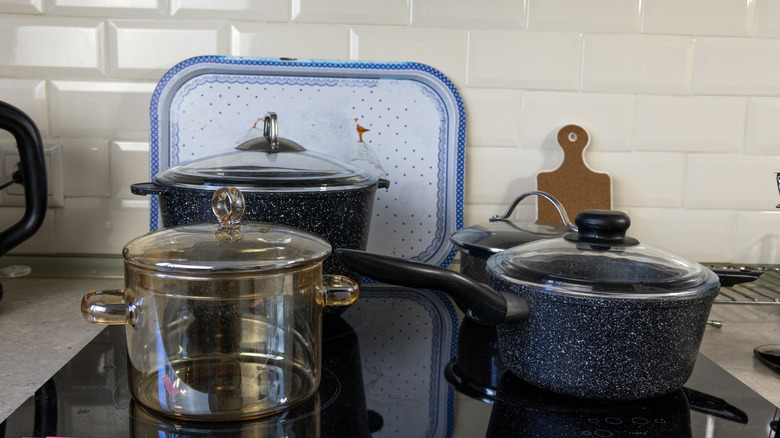
Not all cookware works on induction stovetops. Upgrading existing kitchen items can become pricey fast, particularly if you already have an assortment of pots and pans you've carefully collected. Induction cooktops only heat cookware that is magnetic. That means any glass, copper, aluminum, and even some stainless-steel pieces won't get hot on induction surfaces unless there is a magnetic layer already built into the base.
Holding magnets near the bottom of a pan is a quick way to see if cookware is compatible with an induction stovetop. Certain higher-end stainless-steel pans will usually work, as well as cast iron, carbon steel, and porcelain-enamel-on-metal pieces. If you do find that your cookware will need to be replaced to accommodate the new induction surface, the extra cost can quickly build up.
Induction stoves come with a learning curve
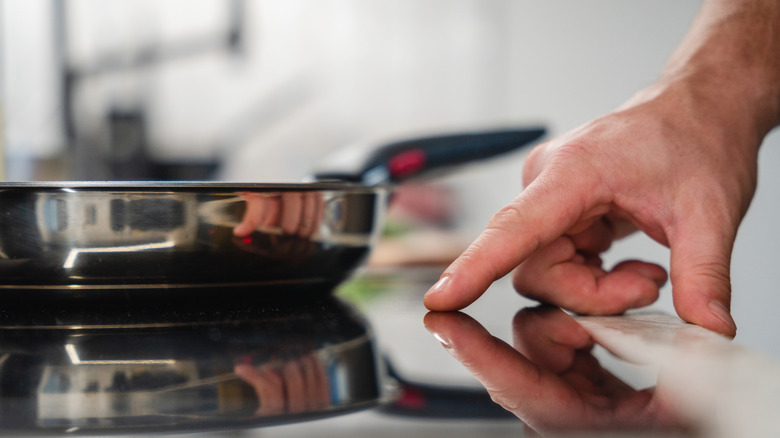
Some homeowners wish they knew more about the cooking process before switching to an induction stove. The adjustment period from working with a gas or electric stove to an induction can take some time to master. With no visible flame, cooks who rely on the usual senses while hurrying to get dinner on the table have to develop new methods to replicate favorite recipes. In addition to familiarizing themselves with the digital touch panel on an induction stovetop, the speed at which the surface heats can change the way cooks move about the kitchen.
Since induction responds quickly to temperature changes and heats cookware quickly, recipes can shift from simmering to smoldering without warning. One person on Reddit suggested starting with a low temperature and gradually increasing it. "Took me a while to adjust to how fast water boils too," said another. Additionally, the touch-sensitive surface can change the way people cook. "The touch buttons never respond right if they respond at all. Especially if my hands are wet, which, if you're cooking, is all of the time," wrote one Reddit user. Others on the thread added that pans slide around, and ingredients don't caramelize the same as when cooked on a gas stove.
An induction stove can produce strange sounds
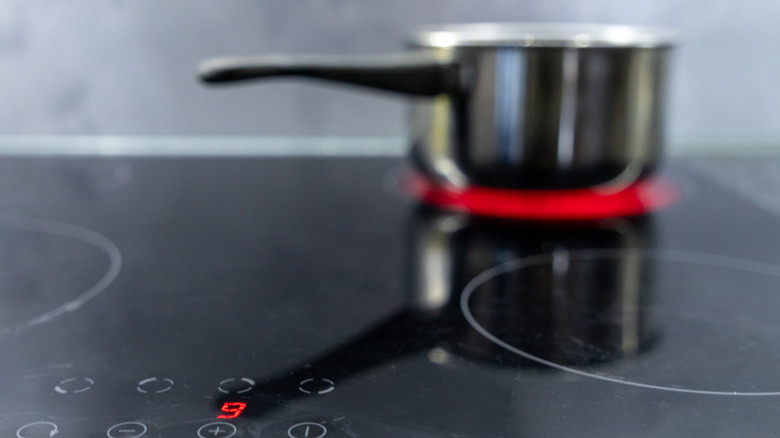
Though you might be used to whistles and hissing in the kitchen, induction stoves can be noisy, and the humming can be unsettling to some. Cooks used to listening for noises while cooking with a gas stove will have to recalibrate. Some users have noted that the noise can become more noticeable at higher settings, while others tie the sound to specific types of cookware. The quirk can throw buyers off guard, especially if they are used to whipping up eggs in a quiet house on a Sunday morning.
"Industrial noisecore concert right in your kitchen," commented one user on a YouTube video about the sounds an induction cooktop makes. Others have stated that the sound can also be heard when the stovetop is turned off. Some people also report the fans in the appliance being noticeably loud. In addition to the fan and buzzing, some cooks have noticed clicking sounds, which can be the result of relay switches. While not everyone can hear or will pay attention to these various noises, they're worth considering before you invest in an induction stove.
Induction stoves can interfere with electronics and metal kitchen tools
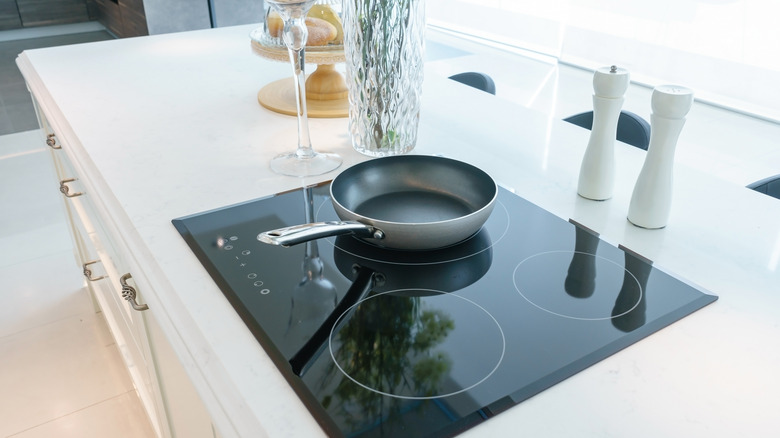
A potential mistake homeowners face when using an induction cooktop is not understanding the interplay between an induction stove's electromagnetic field and digital devices. A metal meat or candy thermometer, for example, may not work correctly when placed in a pot that's on an induction stove. Even an instant read thermometer can give an incorrect reading if it comes into contact with the cookware or induction surface.
Additionally, cooks who prefer to listen to a curated set of tunes on headphones while cooking meals may hear static or buzzing in their earbuds when standing by the induction stove. Finally, people with pacemakers have been cautioned to stay at least 2 feet away from induction stoves, though no interference issues have ever been reported.
The upfront cost of an induction stove can be high
In addition to purchasing the actual stove, upfront costs, including wiring, setup, and installation, need to be factored into the overall equation. Even if induction stoves can be more energy efficient than electric ones, a high-end installation can cost several thousand dollars.
Rebates can make these purchases more digestible, but calculating the potential costs before getting the equipment into your home is a must. Induction stovetops require specific electrical setups, and some homes may not be equipped to accommodate the wiring and outlets needed. In addition to the electrical adjustments, kitchen countertops may need to be modified to fit the new induction surface, and stone or trim may need to be cut or refitted. Not only do homeowners need to think about the stove itself, but ventilation also needs to meet building codes and requirements. With the full picture in mind, the actual project of bringing an induction stove into your kitchen can take a significant chunk out of your savings.