

11 Things To Know For Your First Time At A Butcher Shop
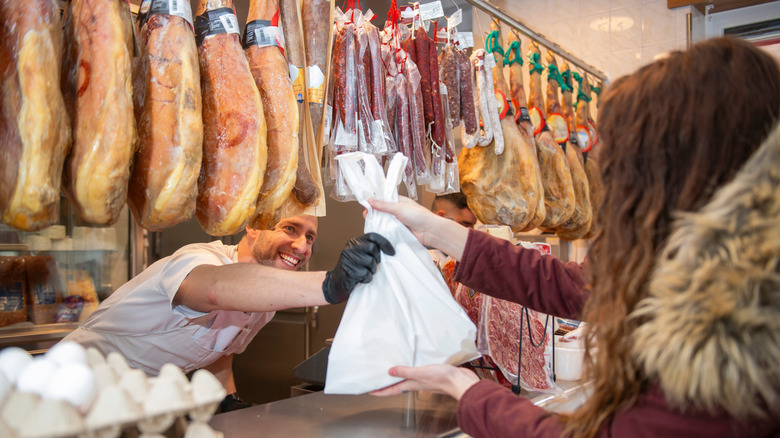
We get it: a butcher shop can be intimidating. It's more involved than perusing the packaged cuts at the supermarket to see what catches your attention. While there's nothing wrong with engaging in small talk with the cashier at your local grocery store, speaking with your neighborhood butcher gives you the chance to learn more about your food and where it comes from. And though you might feel overwhelmed at first, visiting a butcher shop can be a fun trip that yields great rewards.
Although many butcher shops only sell raw meat, others also feature deli or sandwich counters, an attached barbecue joint, or even a small grocery section. Some offer everything from fresh and frozen cuts of meat to pantry staples like spices, rubs, and house-made condiments, and some even sell house-made pet food and dog treats. The variety can be surprising, especially if your only experience with buying meat has been at a supermarket.
If you happen to live near the best butcher shop in your state, that's certainly a great place to start, but even a small neighborhood butcher can offer excellent products, expert advice, and genuinely good service. Most butchers are in the business because they care deeply about quality food and the people they feed, and knowing a few basics before your first visit can help you get the most out of the experience.
Not all butcher shops carry the same cuts of meat
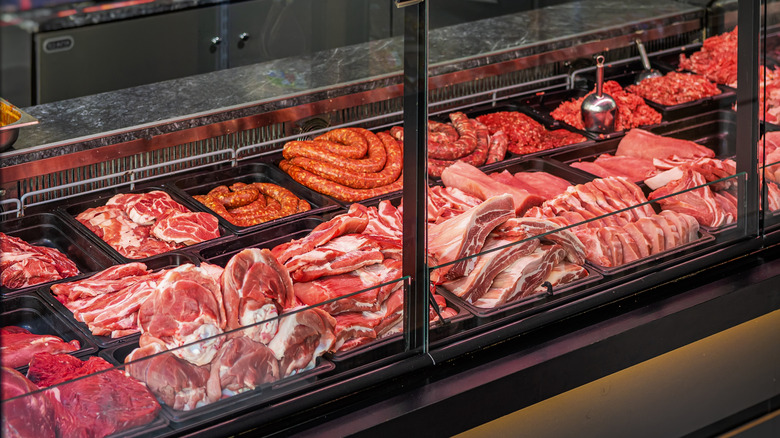
The variety of meat available at a butcher shop largely depends on its location. Those surrounded by farms or ranches typically source meat locally to provide the freshest meat possible. The drawback is that stock may be limited to what the nearby farms are raising. Having visited dozens of butcher shops in multiple states, I've never seen one that didn't carry beef and pork. However, the availability of poultry, rabbit, venison, and lamb has varied depending on the size of the shop and whether it was in a rural or suburban area.
And while you might assume that the majority of butchers would sell the most popular cuts of beef, this isn't actually the case. You'll always see the likes of ground beef and chuck roast, but you won't necessarily find less common cuts, such as hanger steak or coulotte. This is often because they're sold out — grocery stores typically source beef from far and wide and order more of these cuts to meet demand. Meanwhile, a butcher sourcing meat from a local cattle farm is only buying what they can process, store, and sell.
The meat may not be locally sourced
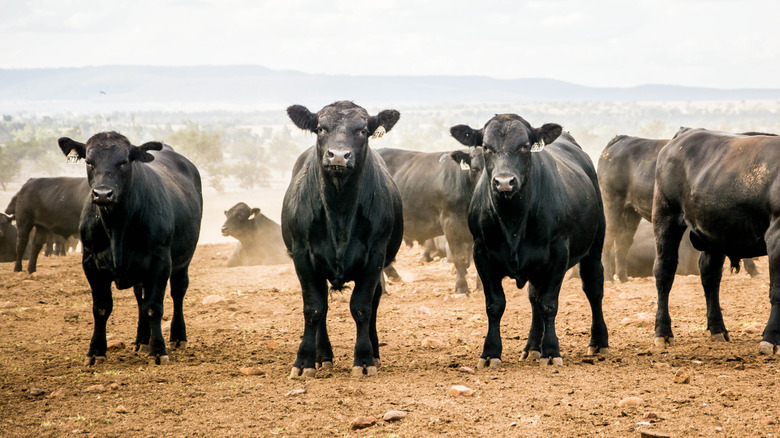
It's understandable to think your local butcher shop must be selling locally raised beef and pork, but that's not always the case. Some butcher shops are located on or near a farm and sell meat raised nearby, while others are smack dab in the middle of the concrete forest and source meat from farms across multiple states.
Beef and pork sold in the supermarket can come from just about anywhere in the world. Neither is required to be labeled with a country of origin, though companies can voluntarily make U.S.-origin claims on their labels. A butcher shop that gets beef from a few states over will often proudly promote the farm and its product. Butcher shops are also among the best places to shop for ethical meat because they often highlight the farms they source from and are usually happy to talk about anything meat-related. That kind of transparency helps build relationships, and it's one of the biggest advantages of buying from a butcher instead of a supermarket.
Many cuts may be frozen
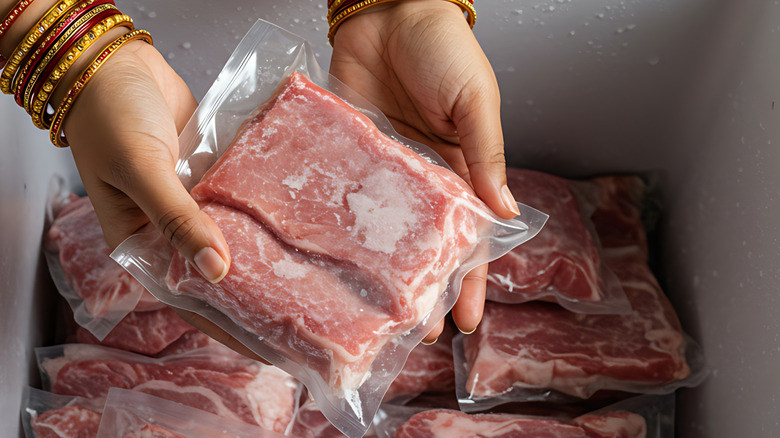
When you think of a butcher shop, you probably envision fresh cuts of raw meat laid out inside a glass display case. But not every butcher shop is set up the same way. Some stock mostly frozen, vacuum-sealed cuts, while others have plenty of thawed meat ready to cook that night. So if you're heading to your local butcher expecting to grab grill-ready steaks or burgers, you may want to research its offerings beforehand.
Whether a butcher shop predominantly carries frozen meat typically comes down to its location. A busy shop located close to its meat source may be less likely to sell frozen items, but they're not all lucky enough to be situated near a cattle ranch or poultry farm. In order to get you the best cuts possible, some shops order frozen, vacuum-sealed meat.
And if you have the time to thaw your meat before cooking it, it's worth remembering that fresh meat is generally considered to be meat that hasn't been processed, smoked, or cured. While freezing meat can affect its texture and other qualities, it can still technically be considered fresh, and frozen meat from a reputable butcher may be fresher than unfrozen meat that's been sitting in a supermarket refrigerator for a few days.
You might be able to place a custom order
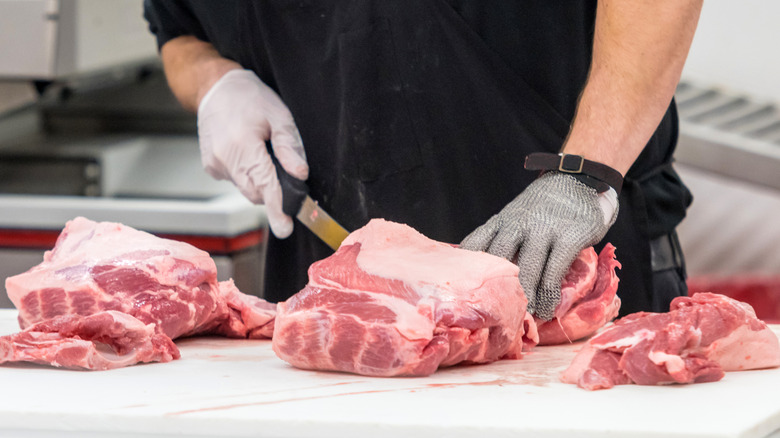
One of the biggest advantages of shopping at a butcher shop is that you may be able to place a custom order. Many butcher shops thrive on creating burger blends, spatchcock chicken, and cut-to-order steaks, and some will even make sausages with your choice of seasonings. Orders for later pickup are especially common because they give the butcher time to prepare exactly what you want. Many butchers are excellent cooks themselves and are happy to help you plan a menu, do some of the prep work, and offer advice on the best way to cook your meat.
That said, not every butcher shop can take a custom order, either immediately or for later pickup. What you see behind the counter and in the refrigerated cases may be all there is. Some smaller operations simply don't have the space or equipment for a separate butchery area, while others stock mostly frozen cuts and have limited freezer capacity. In those cases, the shop may not be able to offer proteins or cuts that aren't already in stock. Either way, there's no harm in asking.
Ground beef is usually 80/20
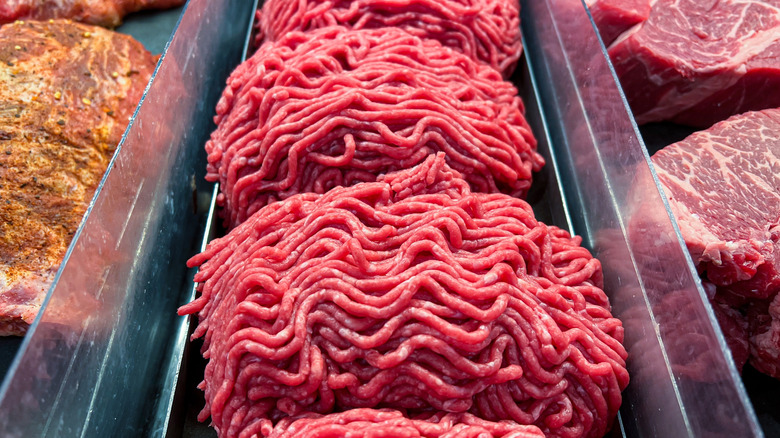
Most butcher-ground beef comes from the chuck, giving it an 80/20 meat-to-fat ratio. Chefs and butchers tend to prefer it that way because it makes for the juiciest, most flavorful burgers. So while you'll often find leaner ground beef for sale at the grocery store, a butcher shop will likely only have 80/20 available.
That said, some butchers may offer pre-ground beef made from a leaner cut, like sirloin, and depending on the shop, you may be able to request a lean cut ground to order. However, bear in mind that it will probably cost more than the pre-ground beef that's ready to go. If your butcher offers custom grinding, it's also worth remembering that you're not limited to beef. Some recipes benefit from a specific type of ground meat, so you can always ask about the best cuts for mincing based on your dinner plans.
Many butcher shops offer butcher boxes
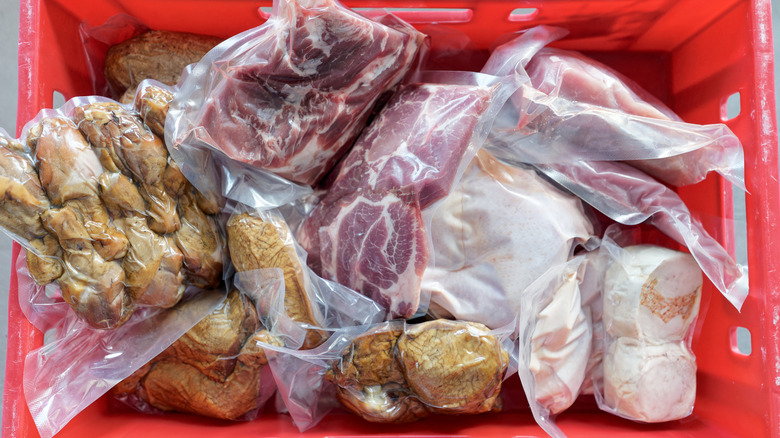
A butcher box is a bundled assortment of meats and cuts sold together, and it's often cheaper than if you were to buy everything individually. I've yet to visit a butcher shop that didn't offer some version of one, whether it was a small hole-in-the-wall or a large establishment. Most offer both pre-selected boxes and custom boxes that let you choose exactly what's included.
Pre-selected boxes are often given names that indicate their contents, such as steakhouse, farmhouse, grill master, BBQ, or keto. However, if you're new to a shop, you might want to start with a couple of test cuts before committing to a 5-pound crate of meat. Custom butcher boxes typically have to be ordered in advance, but if you've heard great things about your local shop and trust the quality, you might as well call up to inquire about making a bulk order — it will save you from making multiple visits. Just don't forget to bring a large cooler with ice to keep everything cold on the way home.
You may be able to buy a half or whole cow or hog
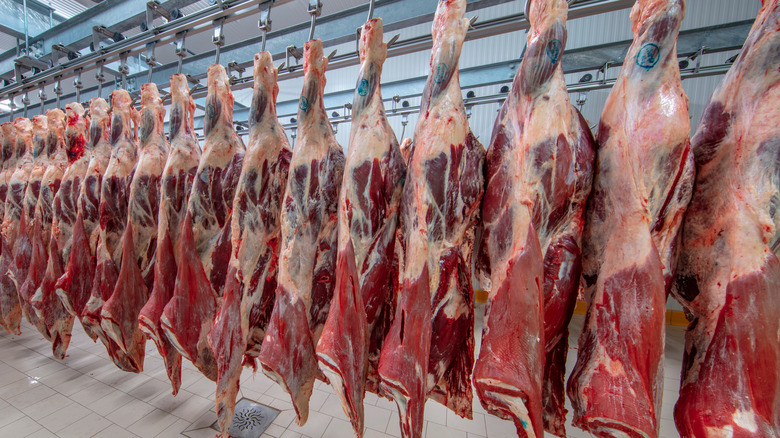
If you're considering buying a half or whole cow or hog, it's worth finding out whether your local butcher offers this service before making the trip, as this isn't always something it can provide. It tends to come down to how closely the butcher works with its suppliers, and whether the shop processes a large amount of meat on-site or has to order it in specifically. In many cases, a shop can find what you want, including a whole animal, but it's worth checking before you commit.
When you order a half or whole animal, the butcher will generally break it down into individual cuts such as steaks, roasts, chops, and ground meat rather than sending you home with a portion of the carcass. Some shops do their own processing, while others work with a separate processor, which may affect costs and delivery times — butchering the animal yourself at home will likely be the cheapest option, but not everybody has the tools, skill, or experience for that.
The shop will likely have an order sheet for you to fill out and require at least a deposit, if not the entire payment, and you may be able to specify how you want the animal cut and packaged. And while ordering in bulk can be one of the best ways to save money at the butcher shop, make sure you can trust the quality first.
Good butchers love to answer questions
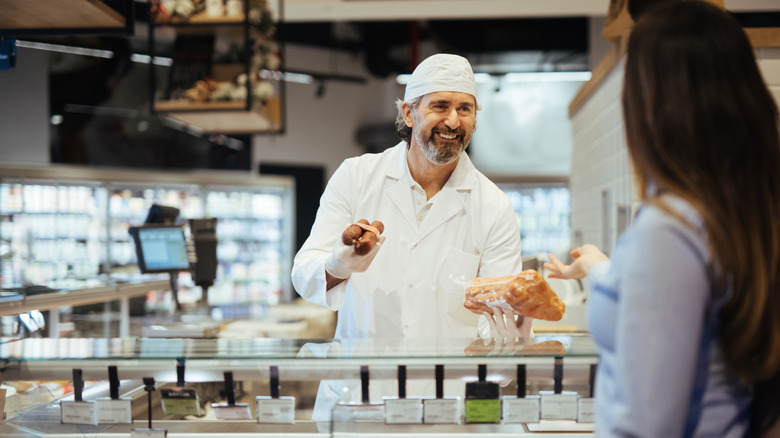
I've yet to encounter a butcher who didn't want their customers to ask questions. And honestly, if you find one who refuses to talk about their meat and where they source it from, you should take your business elsewhere. Most butchers are passionate about what they do and love to talk about their craft. Plus, independently owned butcher shops rely on repeat business, and demonstrating transparency and professionalism is a great way to keep people coming back.
If you're unfamiliar with the ins-and-outs of meat, talking to a butcher may seem intimidating at first, but there's no secret handshake or code. You can start with some simple questions, such as which cuts they recommend based on your cooking plans — if your butcher is an experienced cook, they might even be able to recommend a recipe and give you some handy prep tips. You can also ask about where the meat is sourced, and what the animals eat. However, if you have a million questions, it may be best to visit outside of peak hours when the shop isn't as busy, as the butcher will have more time to answer in-depth.
Some butcher shops sell prepared food
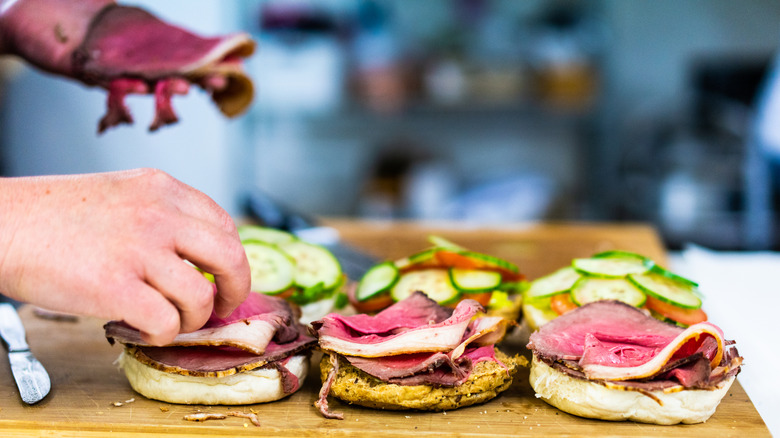
Some butcher shops sell prepared food in addition to raw meat, whether it's to eat on-site or take home. You might find a deli or sandwich counter, or even an in-house barbecue joint with tables available to enjoy hot food. Ordering a meaty sub or barbecue plate is a great way to taste-test the meat the butcher shop carries.
Not all shops have the space for an extra eatery, but if you stumble across a butcher shop with a smoker outside or its own kitchen, it's one of the best ways to get a sense of the shop's meat quality. Some even offer specialty burgers and other hot specials like chicken parmesan, smoked turkey legs, chili, or pulled pork.
Prepared food can also mean take-home sides and sweet treats. Some butcher shops might carry pasta or potato salads, cornbread, baked beans, or desserts like freshly made pies or pastries. These extras can make a butcher shop far more useful than simply being a source of raw meat, particularly if you're looking to put together a meal without having to do all of the cooking yourself. Of course, the selection varies from shop to shop, so if you're specifically looking to eat on-site or pick up prepared food, it's worth finding out what's available before you visit.
You never know what you might find
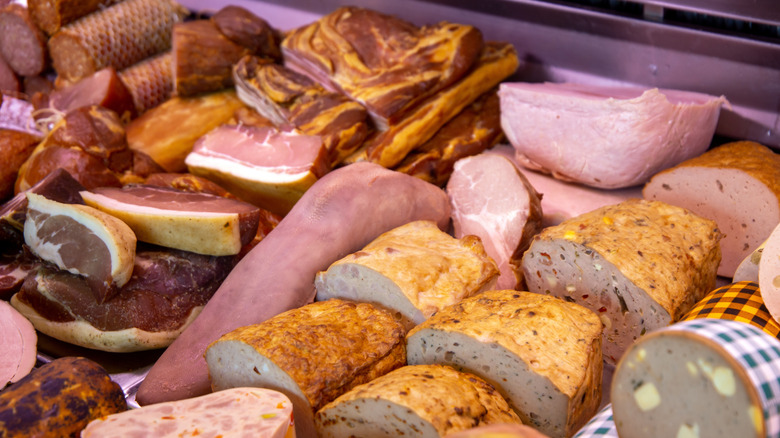
Your first visit to a butcher shop is the perfect time to walk around and soak it all in. Give yourself time to browse everything that's on offer, and you'll likely see items that you just won't find anywhere else. That could be house-made barbecue sauces, rubs, spices, and condiments, grilling accessories, or private-label wines. Some butcher shops even sell homemade goods like candles and other trinkets, or topical products made from tallow rendered in-house, like lotions, soap, and skin care products.
Since butcher shops aren't usually set up like supermarkets, the best items could be hidden on a bottom shelf or tucked away in an unassuming corner. You might find specialty cheeses at the back of the shop, unique spice blends hanging out with common condiments, or even packs of frog legs and chicken feet stuffed in between the calf liver and whole duck in the refrigerator. The point is — a butcher shop can be full of surprises, and the most interesting thing you leave with might not be the cut of meat you came in for.
Many butchers also sell seafood
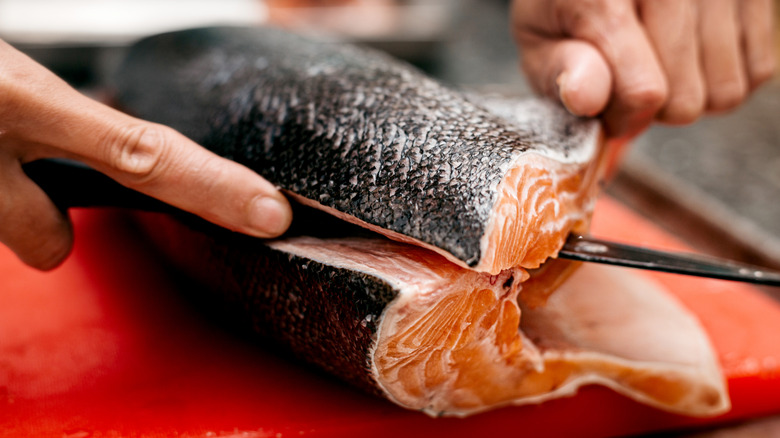
Butcher shops don't just carry beef, pork, and poultry; many also sell seafood. As you can imagine, what's available depends on the shop's location and its suppliers. Butcher shops on the coast, especially in areas known for their seafood, often carry local fish and shellfish. Unless you've wandered into a butcher shop that specializes in seafood, however, you'll usually find much of it frozen. Frozen doesn't necessarily mean lower quality, as freshly caught seafood is often flash-frozen soon after harvest; it's easier to stock, more convenient for customers, and can preserve seafood exceptionally well.
Sometimes, a butcher shop's offering will be no different from what you'd find at a local grocery store. Other times, particularly along the East Coast, you might find butcher shops carrying locally caught seafood such as cod, haddock, lobster, and scallops. Depending on the location, the seafood may even come from nearby waters, sourced directly from local fishing boats.