

Why An Old-School Drip Coffee Maker Is Just Better Than A Keurig
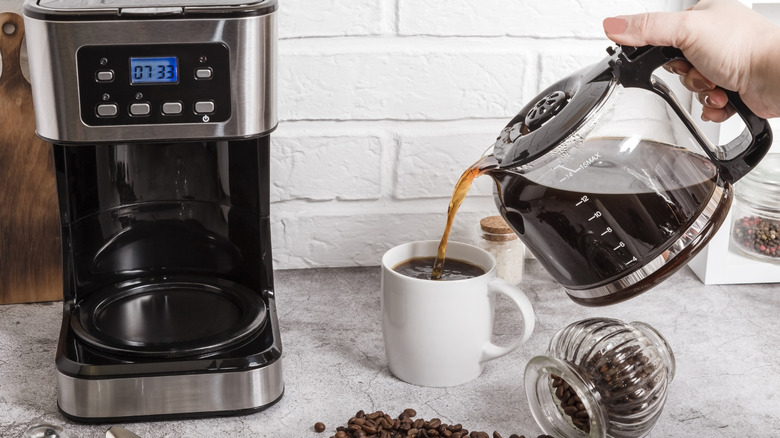
Keurig machines took up residence on kitchen countertops seemingly overnight, supplanting the steadfast drip machines that had been brewing perfectly fine java for decades. With them came K-Cups, which showed up on the scene with all the glitz and glamour of disposable novelty — to the degree that people didn't notice what came out of those slick, plastic pods was a consistently mediocre-to-bad cup of joe.
I am decidedly not a coffee snob. I know my way around different types of coffee beans, and I do value a strong cup in the morning, but I am not the type to, say, hand-grind my beans fresh each day or use water that is heated to just below boiling. These minutiae don't make much of a difference for me, and they certainly don't for anyone considering a cup of coffee from a Keurig machine either. The trouble with these single-serving coffee makers is that, as a user, you have almost no control.
While you can buy different K-Cups, until you load in the first pod from that overpriced 12-pack, you have no idea if you'll like them. If the coffee comes out too weak, as it often does, there's no real fix. If nothing else, drip coffeemakers produce a better cup than Keurig machines because you have control. Beyond that, standard coffee makers are more affordable than Keurig machines — and they produce larger batches using much less garbage.
Unless you're really trying to cultivate the vibe of an auto shop waiting room or mid-level business hotel, you're better off skipping the Keurig and sticking with a tried-and-true drip machine. Even if you don't have the space for one, there are other ways to make coffee that beat using a Keurig machine and those dreaded plastic pods.
All of the better ways to make coffee than a Keurig machine
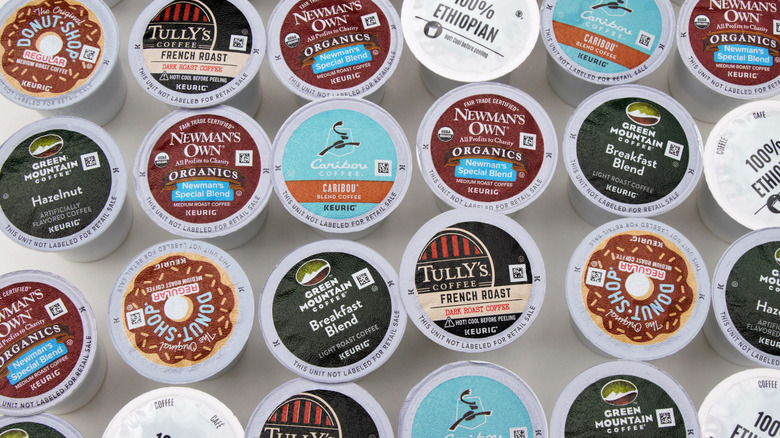
Keurig machines may offer convenience, but if you're willing to put even the slightest amount of effort toward your coffee, a pour-over setup and an electric kettle are almost as easy. Just plop the pour-over cone on top of your favorite mug while the water is boiling, add a filter and a few spoonfuls of coffee grounds, and then pour the golden ratio of coffee-to-water over. It's almost as simple, almost as fast, and produces a much better cup of coffee. Plus, you were probably just going to stand there and watch your coffee brew anyway — you might as well do it yourself.
Personally, I use a Moka pot to prepare my coffee most mornings. This, too, is a better way to make coffee, allowing me to whip up a small pot of almost-espresso with minimal effort in just a few minutes. There are pros and cons to every coffee-brewing method, of course, but none carry so many cons and so few pros as a Keurig does. Honestly, even a decent brand of instant coffee gives you more freedom than a K-Cup. It's tough to come up with a worse combination than coffee that is somehow expensive, bad, and trash-heavy all at once.
An old-school drip coffee maker will certainly do the job of making your coffee in the morning. But whether you're talking about percolators, pour-overs, or pots, most coffee brewing methods easily outshine those soulless plastic pods that go hand in hand with Keurig machines.