

5 Disadvantages Of Cooking In A Slow Cooker
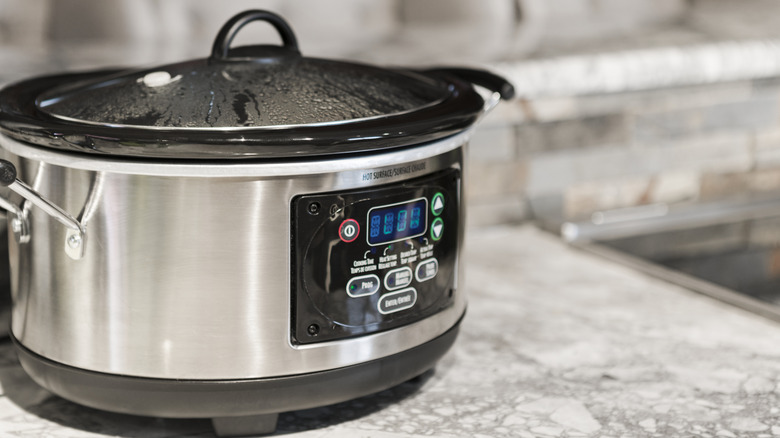
A slow cooker is convenient because it makes it easy to set and forget multi-ingredient meals like soups and stews, and keep dishes warm during parties. It also cooks meat low and slow, which tenderizes tougher cuts. However, it shouldn't be used for every meal, and this appliance still requires extensive food prep before you put ingredients into the pot. For instance, many recipes direct you to sear or brown meat, build sauces, and chop vegetables outside of the slow cooker.
Even the most reliable slow cookers typically only have two or three settings: high, low, and warm. This means that the pot may not get hot enough (or stay at a consistent temperature long enough) to cook certain foods safely. It also isn't necessarily the best cooking method for every dish. Many people also say that the food cooked in them doesn't taste as good or look as appealing, as it comes out mushy and homogenous.
It can also be a tricky appliance to wash. Not all models have dishwasher-safe parts, and the heavy ceramic pot insert can require soaking and scrubbing. And though it's appealing to start the pot in the morning, leave the appliance on all day, and return to a fully-cooked meal at night, it may not always be safe to keep a slow cooker unattended. If you're about to buy your first slow cooker, read on to learn more about five key disadvantages of this small cooking appliance.
The slow cooker may not ever reach the desired cooking temperature
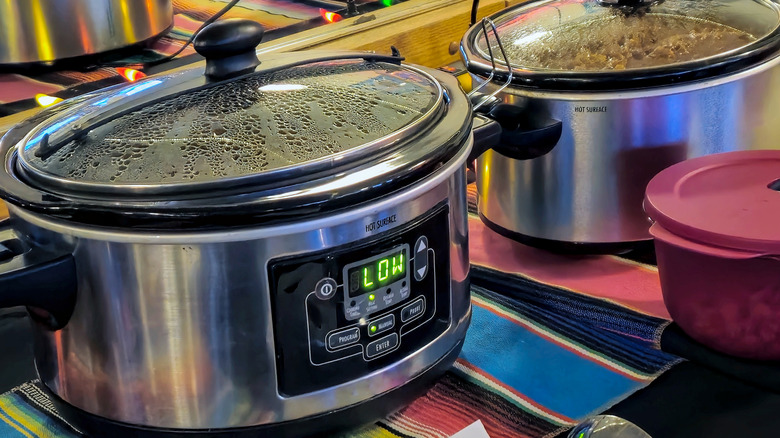
Many recipes require you to keep ingredients, particularly meat, at a consistent temperature for an extended period of time. As mentioned above, slow cookers don't allow much control over temperature. Additionally, depending on the model you use, it may not keep the food at the desired temperature throughout the entire cooking process. As heat escapes via steam through the hole on the lid, the interior temperature can fluctuate. This means that some ingredients may not cook at a high enough heat to develop the key flavors needed.
Another issue is the way that a slow cooker heats food. Dutch ovens absorb heat from the bottom while on the stovetop, or all sides if in the oven, and then radiate heat so that all parts of a dish stay consistently hot. They also typically reach much higher temperatures than a slow cooker can. A slow cooker's heating element is in the bottom, and the heat must penetrate the thick ceramic pot, but the insert won't necessarily absorb and radiate that heat in a uniform way. This means you don't have as much control over cooking temperature, and that can end up having a huge effect on the overall appearance, taste, and quality of your meal. Another concern is that slow cooker hot spots from burning food can also affect quality and taste. If something goes wrong while you aren't home to notice, your food may end up inedible.
Slow cookers can't sear or brown meat
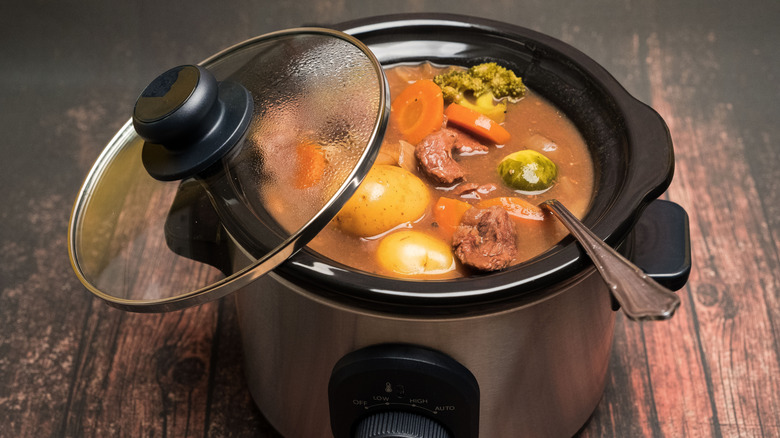
Another disadvantage of using a slow cooker is that you can't brown meat in the pot. If you're making a dish like pot roast or brisket, you'll have to sear the meat in a different pot before transferring it to the slow cooker. That means you're dirtying multiple cooking vessels for no real reason, as those meals can be made in a Dutch oven just as easily. Ingredients in a slow cooker will never undergo the Maillard Reaction, the chain of cooking processes that occur at temperatures over 280 degrees Fahrenheit when the amino acids and sugars break down, reduce, and develop complex flavors and aromas. The process also causes that rich, golden brown crust to develop on meat, bread, onions, and other dishes.
Because you can't achieve that in a slow cooker, you need to either start your ingredients in another piece of cookware or forego the deep, complex flavors that are the trademark of certain dishes. If you do decide to brown and sear ingredients outside of the slow cooker pot, you will need to deglaze the pan and create a sauce or gravy that can be transferred to the slow cooker. Otherwise, you won't end up with a thick, flavorful sauce. In the end, you may want to resist the temptation to slow-cook pot roast and other dishes that rely on the Maillard Reaction or a rich sauce or gravy.
Slow cookers are not as versatile, predictable, or simple to use as you might think
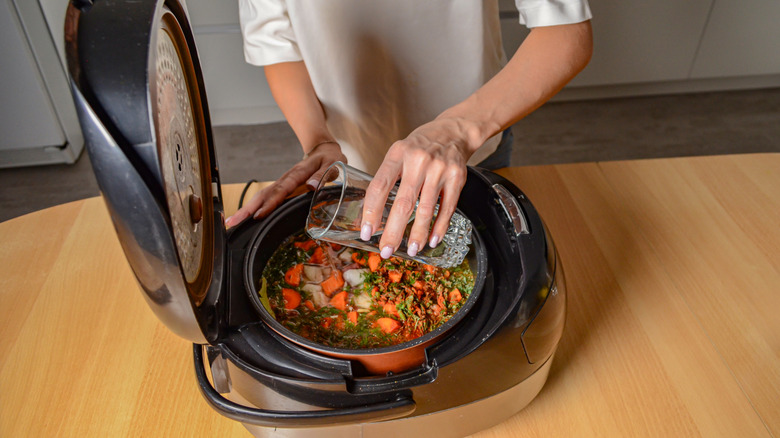
One of the biggest draws of the slow cooker is the promise that you can dump in your ingredients, flip a switch, and walk away for six to eight hours. It's meant to be a pretty hands-off process. But it isn't as foolproof as it may seem, and there are many common slow cooker mistakes that everyone makes, no matter how experienced or prepared. If you want a meal that tastes as good as it looks, you may end up investing a lot of time in prep work and babysitting the slow cooker to achieve this. This means you'll have to plan ahead, making sure you have the ingredients on hand the day before and that any chopping, searing, and sauce-making is done beforehand. You don't want to put raw meat directly in the slow cooker, as it may not reach high enough temperatures quickly enough to kill bacteria, and it also won't undergo the Maillard Reaction, as mentioned before. You'll also have to ensure you actually have enough time to let the slow cooker run for as long as needed to cook the dish properly.
Yet even with extensive preparation prior to cooking, there are still many foods that aren't meant for slow cooking, and recipes that won't be as successful if you try to make them in a slow cooker. This means the appliance just isn't as versatile as it may initially seem. For instance, most popular pot roast recipes, like Rae Drummond's and Ina Garten's, recommend that you use a Dutch oven, while others combine both stovetop and oven cooking for the best results.
Slow cookers could pose health and safety issues if not used properly
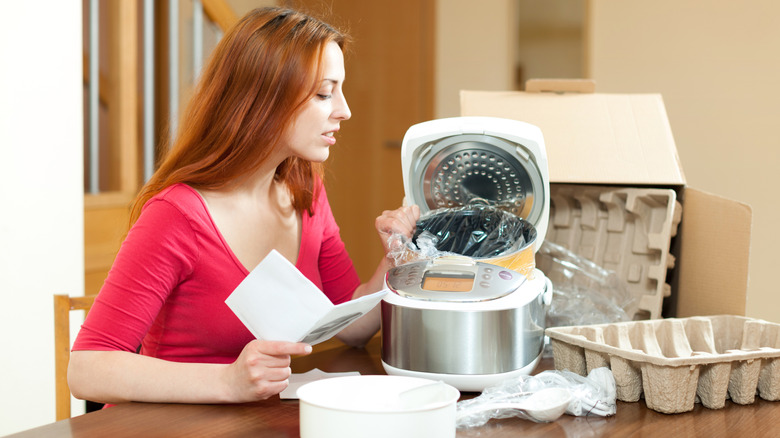
While slow cookers are generally safe when used properly, it still isn't necessarily safe to leave one unattended for hours. One of the kitchen safety rules that every home chef should know is to never leave anything cooking on the stove or in the oven if you're not home to monitor it. In fact, the National Fire Protection Association found that 25% of home cooking fires and 50% of related deaths involved unattended cooking equipment.
However, the agency has also stated that it is very rare for a slow cooker to result in a serious house fire. If your slow cooker is modern, well-maintained, and used properly, there is a very low risk of fire. To be on the safe side, read the manual before using the appliance to make sure you're using and cleaning it properly.
You should also be aware of possible food safety risks. Never put frozen meat or veggies in a slow cooker, or use it to reheat leftovers, as it may not ever reach a high enough temperature to kill dangerous bacteria. Overfilling your slow cooker could lead to some ingredients being undercooked. Leaving food in the pot too long when it's not on, or using the wrong settings, such as leaving the appliance on the warm setting for too long, could also pose a health hazard.
Slow cookers can be difficult to clean and store
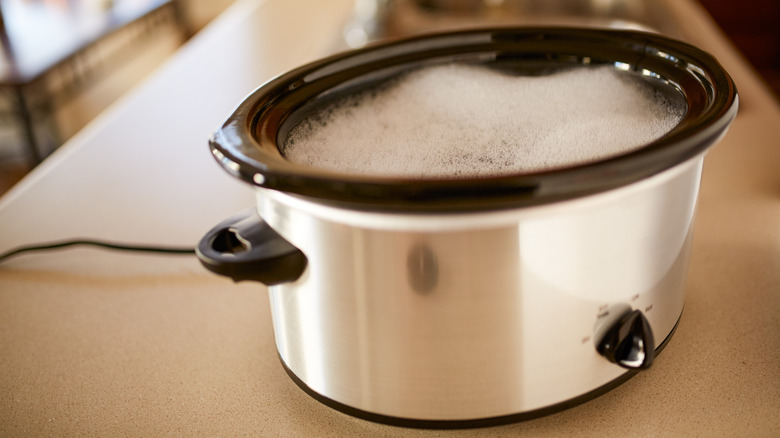
This is probably the least serious issue with slow cookers, but many people find them cumbersome to clean, particularly because older appliances may not have dishwasher-safe parts. It can also be time-consuming to remove baked-on grease and grime from the slow cooker. Plus, the ceramic insert is large, heavy, and hard to handle, especially when it's wet and soapy. If it breaks, you'll have to toss it and buy a new one. In the end, a slow cooker may end up being just as time- and labor-intensive as every other cooking method. Modern models may also have more removable parts that need to be cleaned, such as steamer baskets or split inserts. If you don't mind cleaning or know the components are parts dishwasher-safe, this issue may not be a big deterrent.
If you have a small kitchen, you may also run into storage issues, especially if you don't want to leave it out on the kitchen counter. This means you have to get creative with storage solutions, and you may end up putting it in an inconvenient, out-of-the-way spot. When it's time to use it, the hassle of getting it out of storage may discourage you. Though this may not be a dealbreaker, when you consider all of the other drawbacks, it may be time to say goodbye to your slow cooker and use a Dutch oven instead.