

15 Best Single Malt Whiskeys For Beginners
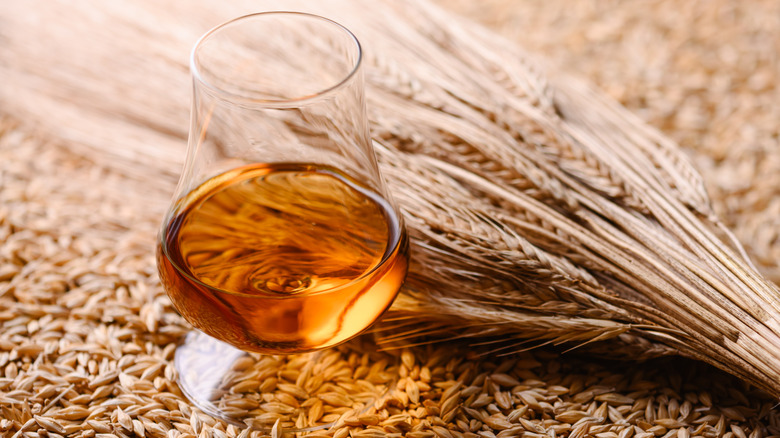
What makes a great single malt for beginners? That's the key question I asked before curating this list. The answer is not the best single malts in the world because it's hard to appreciate the nuances of a great whiskey until you've had some experience. It's not the most expensive either for a similar reason, as this can be a waste of money. Instead, I focused on affordable and widely available bottles, allowing you to easily pick one up to start your tasting journey. I also focused on single malts that have a smooth, approachable character without overwhelming intensity or a sky-high alcohol percentage.
While that's true, I always wanted to give the list a little variety with bottles that can each tell you a little about different styles, regions, and maturation. As someone who has been drinking single malt whisky (which is not the same as single barrel) for the best part of two decades, I'm always passionate about getting beginners interested in this storied spirit. I've tried all of these single malts, and if you complete this list, or at least part of it, I believe you'll have developed a great foundational understanding of this type of whiskey. And importantly, once you've tried these whiskies, you can stop thinking of yourself as a beginner.
1. The Glenlivet Founder's Reserve

It's hard for me to think of beginner whisky without my thoughts automatically jumping to Speyside. That's why the first four single malts on this list are from the area. Speyside is a subregion of the Scottish Highlands that surrounds the River Spey and is renowned for producing soft, elegant single malts. In terms of enjoying an entry-level bottle, The Glenlivet Founder's Reserve is a fantastic choice that showcases just how approachable Speyside single malts can be.
On the nose, you'll enjoy its fruity nature with aromas of pears and citrus. Those fruits come through beautifully to the palate and are joined by a juicy orange. You also get sumptuous vanilla cream and even a faint hint of chocolate. With a little toffee and spice, you get some depth here despite it being more of an affordable single malt. The Scotch remains clean and light all the way through to the finish, leaving you with a pleasant sweetness. If you're buying your first bottle of single malt Scotch, this gives you a low-cost introduction while still being excellent quality.
2. Aberlour 12 Year
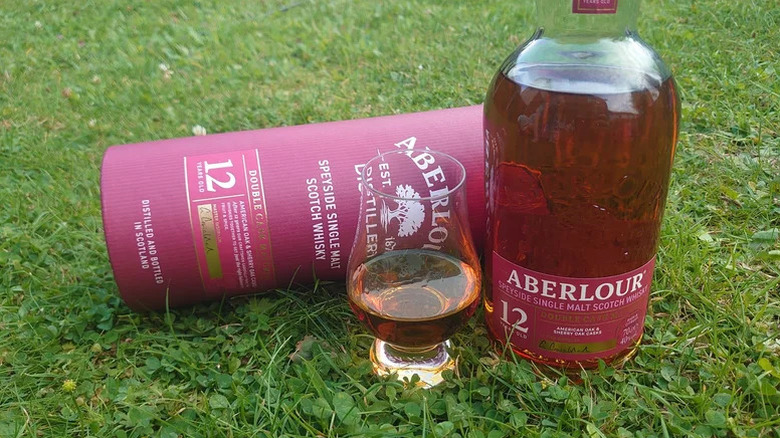
It would be easy to fill this list with just the great 12-year-old single malts from Speyside. While the competition is vast, Aberlour 12 Year is my favorite as it's elegantly approachable but introduces you to a tasting experience with a little more character and nuance. It's double cask matured in both traditional oak and sherry casks to give it a bright mix of flavors. There is some lovely fruit on the nose, mainly in the form of apple. This is joined by a rich honey along with some classical earthy notes.
On your first sip, you'll immediately notice its smooth mouthfeel that carries the honey from the nose onto a beautiful palate. However, the sweetness evolves into more of a deep caramel, supported by some toffee, raisin, and cinnamon. The result is a great whisky that feels complex enough to be interesting while remaining smooth and approachable. The soft yet warm finish confirms this as a whisky that offers impressive depth for its price. In truth, it's hard to go wrong with a 12-year-old Speyside single malt. Yet, I don't think you can go more right than with this bottle of Aberlour.
3. The Balvenie DoubleWood
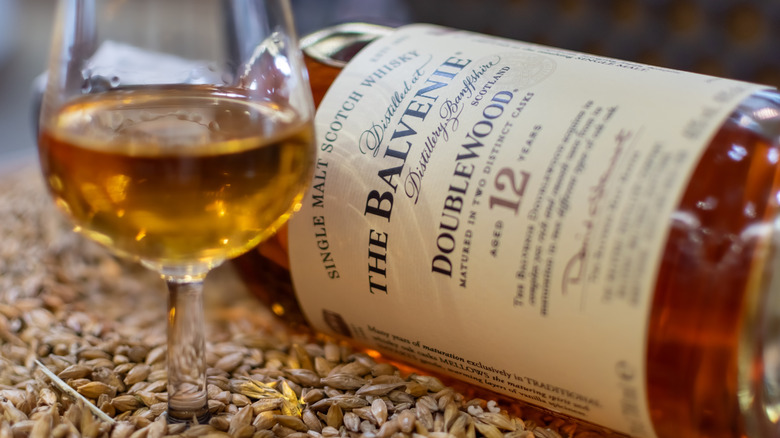
As we've just seen, and as we'll see with the following bottle, finishing a Speyside malt in sherry casks is quite common. That's because it helps introduce a little more fruit and sweetness into the final product. The Balvenie DoubleWood 12 Year is another Speyside single malt that uses this maturation technique to great effect, delivering both a rich and approachable flavor. On the nose, you'll be greeted with a range of inviting sweet aromas, with the richest note being honey.
That sweetness continues to the palate, where the honey is joined by vanilla and toffee. There is fruitiness in the form of raisins and orange peel, contrasted with more earthy flavors of almonds and cinnamon. All these flavors are supported by a creamy, mellow texture, with the sherry cask finish helping add depth and richness. You then get to an impressively long finish that is gently spicy without being too harsh. It's a complex whisky, but its balance and smoothness allow beginners to appreciate its layers of flavor.
4. Glenfiddich 15 Year
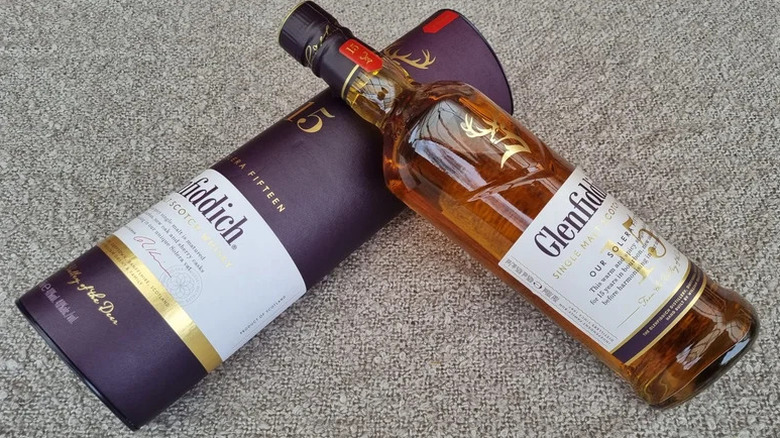
For those ready to take the step up from 12 to 15-year-old single malts, this is an excellent starting point. Averaging a touch under $80 per 750 milliliters, the Glenfiddich 15 Year is worth the extra cost for beginners who have tried a few single malts and want to understand the benefits of a longer-aged whisky. A unique three-barrel maturation process is used here: bourbon, sherry, and new oak. Once completed, it is blended in a large solera vat, which is always kept at least half full.
The result is a range of influences that can be tasted in the bottle and a rich, smooth mouthfeel. Toffee is delectably showcased on the palate, joined by some bright orchard fruits. There is some warming spice here without too much heat, with ginger and cinnamon warming the soul. Raisins, soft oak, and almonds continue to add layers of depth with each sip. It's a brilliant whisky and an excellent learning curve for beginners to taste how different cask types can add character to the final product.
5. Glenmorangie 12 Year
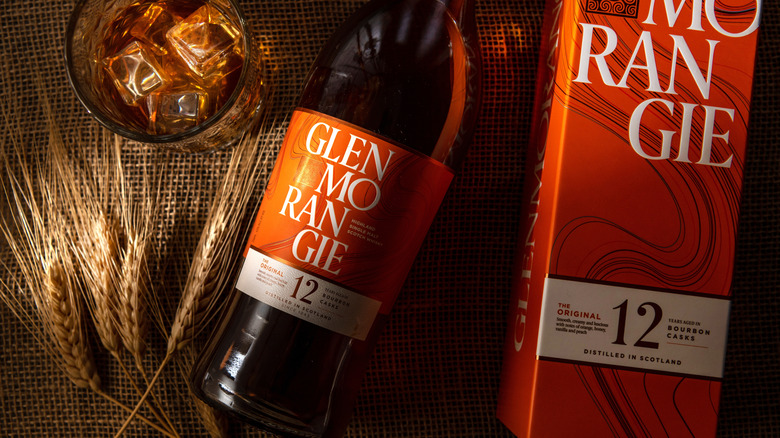
While a Highland single malt, Glenmorangie 12 Year shares many of the qualities we've already looked at with the bottles from around the River Spey. Yet, it still has its own unique identity. As with the top four, it's both smooth and approachable with an excellent balance of sweet and fruity flavors. This showcases the lighter side of whisky before we get into more intense bottles. In that sense, the Glenmorangie 12 Year is one of the least intimidating whiskies you could ever drink.
You'll get a sense of this in the aroma of bright peach and citrus, along with a lovely vanilla. The palate continues these notes with some creamy toffee and ripe apricots. There are a few earthy notes here of soft almonds and a gentle oak spice, but they sit nicely in the background. The finish is mellow, allowing you to appreciate the whisky and continue to pick out its flavors. If you are interested in approachable Highland single malts, there's no better starting point.
6. Laphroaig Select
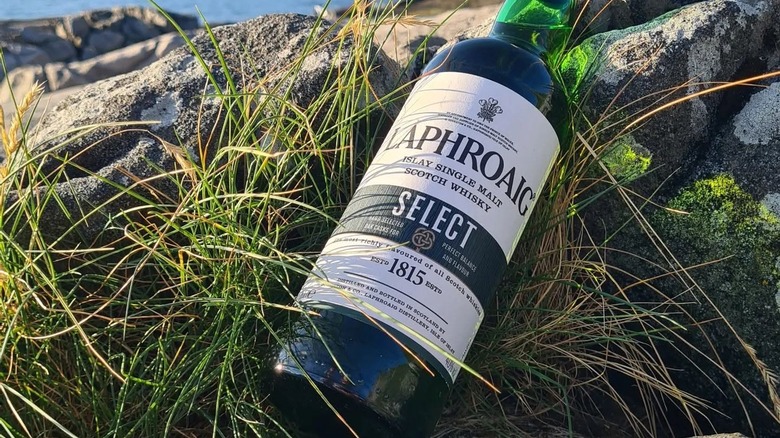
I mulled over whether to choose this bottle because Laphroaig single malt whiskies have legendary intensity, which is due to the use of peat. Peated whisky gets its distinct smoky flavor from the barley being dried over a peat-fueled fire. Some love it, some hate it. While Laphroaig is known for its use of peat, this isn't one of its more intense expressions. I could have easily included the iconic Laphroaig 10 Year Single Malt, but I chose this one as it's a little softer and therefore a gentler introduction.
You'll still get that campfire smoke and a touch of sea salt on the nose thanks to the distillery's coastal setting on the Scottish Isle of Islay. You may immediately feel a little overwhelmed by the earthy peat smoke on your first sip, but you'll quickly get used to it. Once you get past it, you'll find some creamy sweetness in the form of honey and caramel. With a gentle spice, it's a fairly balanced whisky that doesn't quite have the raw unabated power of some Islay malts. It's an excellent insight into how peat can complement a whisky, while still showcasing its smoky influence. I remember Laphroaig being my introduction to peated whiskies, and I fell in love with them. After drinking this, you may well do the same.
7. Old Pulteney 12 Year

One of the reasons I was unsure about including Laphroaig is that other bottles offer a gentler introduction to unique single malt flavors. Old Pulteney 12 Year is an example, except there is no peat here. Instead, Old Pulteney gets some of its unique tasting notes due to the distillery's coastal location in Wick, near the very tip of Scotland. That gives it some maritime flavors, especially in the form of salt. That comes through to the nose, but as do some lovely notes including apple, honey and vanilla.
If a salty whisky sounds unpleasant, it's important to know that it far from dominates the palate. Instead, it sits nicely in the background with other flavors such as baking spice and a light oak. On top of this, you get a fruity sweetness with orchard fruits like apples and lemons, along with toffee and vanilla. The finish is clean with a little honey and spice lingering on your tongue. It's a fantastic introduction to coastal whisky but without the heavy smoke or medicinal notes that can be a little intimidating.
8. Deanston Virgin Oak
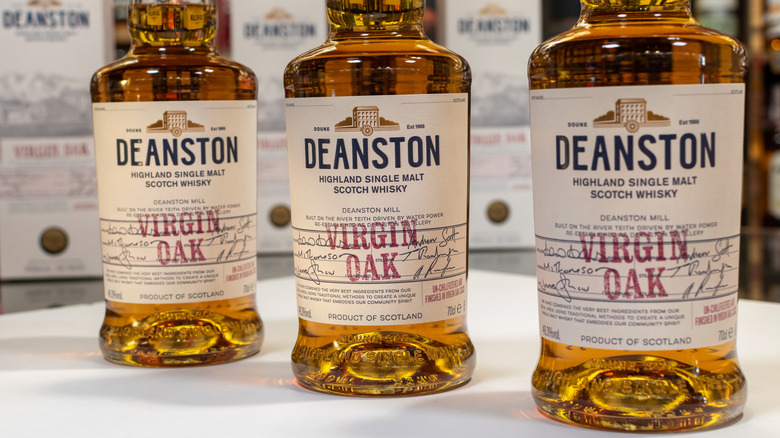
To be called Scotch, the whisky needs to be matured in oak casks, with the majority of Scotch using ex-bourbon barrels. As we've seen a few times here, distilleries often transfer the spirit to another used cask, such as those that have matured sherry. With this bottle of Deanston Virgin Oak, a different approach is hinted at in the name. Instead of going into used barrels, the whisky is finished in fresh American oak casks. This means that rather than getting influence from what was previously in a cask, this expression acquires the influence from the cask itself.
The nose is lovely and gives you a full range of sweet flavors, such as honey, vanilla, and caramel. These come through to the palate, joined by toffee, some malted biscuits, and toasted oak. You sense the virgin oak casks help to give it some extra sweetness and gentle spice. That leads to a well-rounded whisky with a smooth and warming finish. The flavors aren't too deep or fruity here, but its unique maturation gives you deeply enjoyable rich vanilla and oak characteristics.
9. Bowmore 12 Year
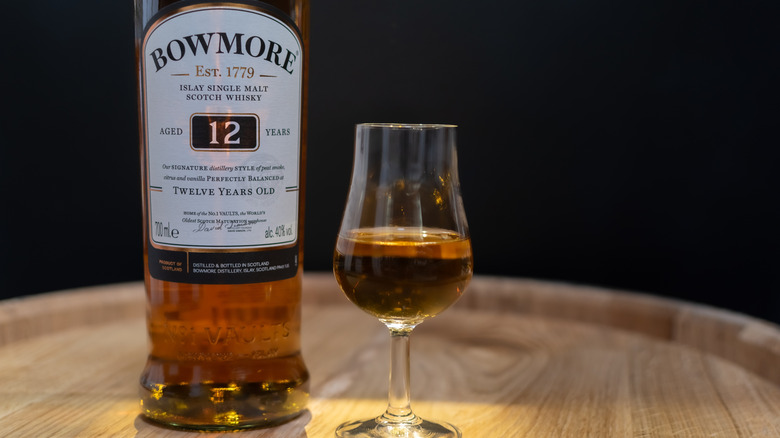
If you are a little bit scared about the peat in the Laphroaig bottle but are still intrigued by it, Bowmore 12 Year could be the single malt for you. That's because it's produced on the same island but is one of Islay's more balanced distilleries. Bowmore combines gentle peat smoke with sweet fruit and subtle coastal notes, creating a whisky that is both distinctive and approachable. This makes it a good stepping stone into smoky Scotch without taking a giant leap of faith.
Once you bring it to your nose, you'll notice these qualities as it offers only a light campfire smoke, along with honey, citrus, and vanilla. There is also a touch of sea salt, which carries onto the palate with those sweet notes. As you take your sips, you'll notice some unique flavors such as lemon zest, dark chocolate, and heather. There is a soft peat and oak influence, but it doesn't dominate. It can be seen as a gateway to heavily peated whisky, but that is almost doing it a disservice. It's a brilliant single malt in its own right.
10. Kilchoman Machir Bay
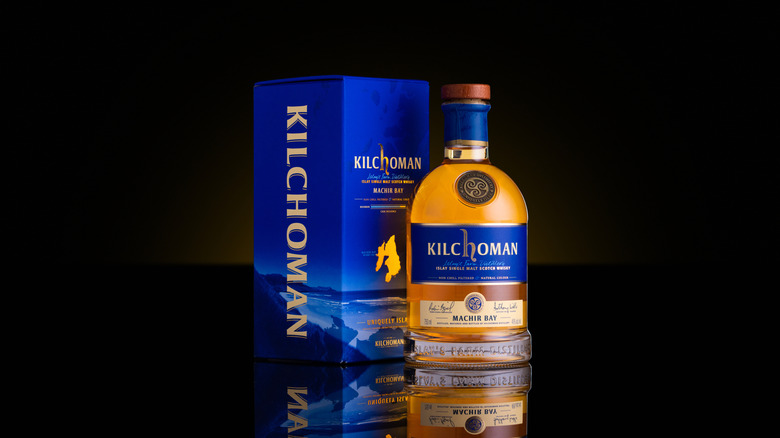
Kilchoman Machir Bay is an outstanding single malt for beginners who want to experience a Scottish single malt with a little more complexity. That's because there is an interesting array of flavors here, but it doesn't require an expert palate to pick them out. It's peated Islay whisky but without the wall of smoke that you can get with some other bottles from the island. Yet, there's a little more smoke here than with the Bowmore we've just looked at. Its overall balance is reinforced by plenty of bright flavors to enjoy.
The smoke here has a barbecue quality to it, and on top of that you'll find a range of deep sweet notes including honey, butterscotch and vanilla. After a couple of sips, you'll start to explore its deeper flavors such as black pepper, a touch of salinity, and toasted oak. It's a remarkable single malt for its ability to balance smoke and freshness. It allows any beginner to appreciate the complexity of the best peated Scotch whiskies while still having enough sweetness to make it easily drinkable.
11. Penderyn Legend
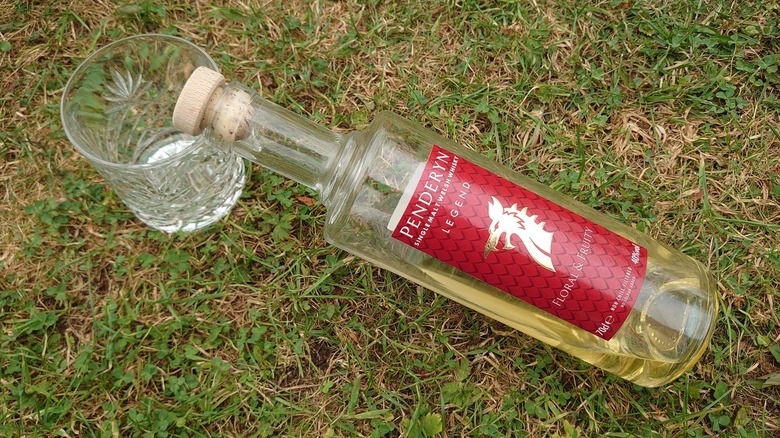
For the last five selections here, I've looked at the best beginner single malts from beyond Scotland. That journey starts with a short trip to nearby Wales and the impressive Penderyn Legend. If you've already enjoyed a few different whiskies and prefer those with a fruitier side, Penderyn is what you're looking for. Finished in Madeira wine casks, it delivers a distinctive sweetness that sets it apart from many Scotch whiskies while remaining easy to enjoy.
Its gentle character and well-balanced flavors start with vanilla and honey before you get to its rich range of fruits. These include bright citrus, along with other orchard fruits of pears and apples. Raisins help give it further depth, with that fruit contrasted by some gentle spice. Its light-bodied style and smooth nature make it easy to drink neat, and it is an excellent choice for beginners looking to explore something different.
12. Paul John Nirvana
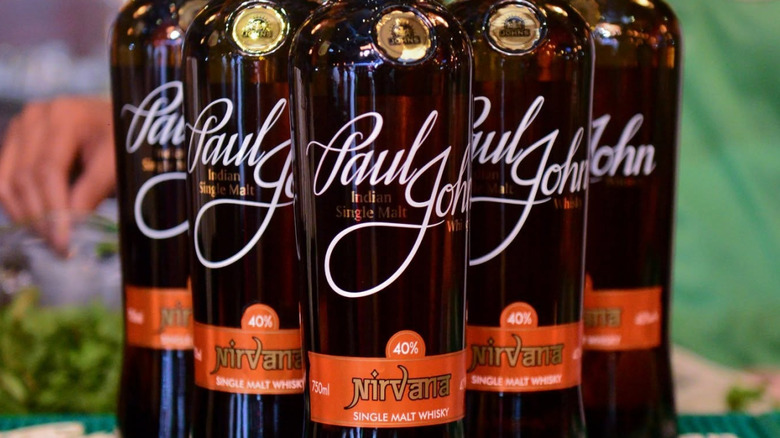
A barrier for beginners wanting to try more unique single malts can often be cost. However, Paul John Nirvana very much goes against this by being an excellent entry-level Indian single malt with an average price around $30 to $40 per 750 milliliters. It's ideal for beginners curious about whiskies from outside the British Isles because it offers a smooth, flavorful introduction to Indian whisky with an approachable style.
The nose is filled with classic whisky sweetness but also showcases tropical fruit and subtle hints of toasted oak and malt. As you move on to the taste, you'll discover flavors of creamy toffee, ripe banana, soft spice, and gentle oak. This all sits upon a rich mouthfeel aided by the faster maturation that happens in a warmer climate. For those looking to branch out beyond single malt Scotch, the tropical fruit influence here offers something a little different while still being easy to sip on.
13. Amrut Fusion
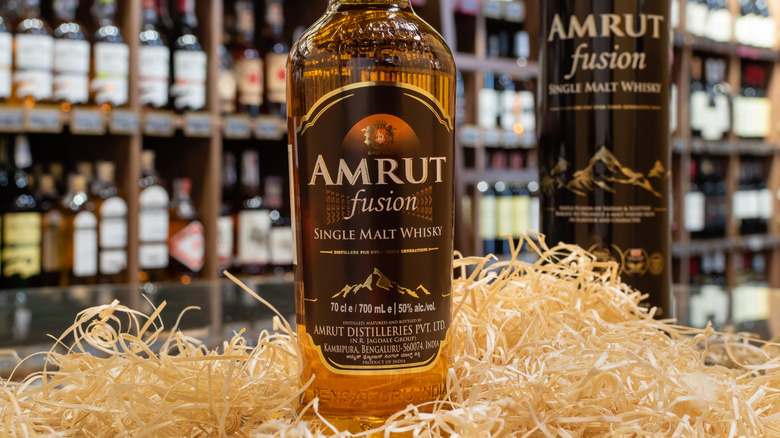
Packed with great flavor, Amrut Fusion is another of the best Indian whiskies you can buy. This is ideal for those who have perhaps enjoyed a few basic whiskies and want to start understanding others with greater depth and complexity. The "fusion" in the name refers to the fact that both Himalayan and peated Scottish barley are used in the spirit. The barleys are matured separately before being blended. It's still a single malt as only barley is used, but it's a unique way of crafting the whisky.
Importantly, it works. Amrut Fusion delivers a unique flavor profile that remains remarkably well balanced. While it offers more intensity than many beginner bottles, its smooth character still makes it easy to drink. With this whisky, you'll enjoy layers of ripe mango, caramel, malt, cocoa, baking spices, and gentle oak, all complemented by a touch of earthy smoke. The flavors are well integrated, creating a whisky that feels rich but not overwhelming. It's a great insight into Indian whisky and single malts created in a non-traditional way.
14. Bushmills 10 Year
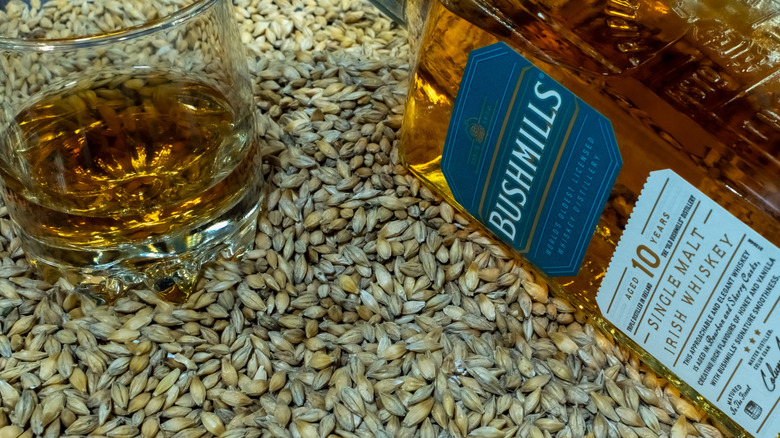
Single malt whisky isn't something you automatically associate with Ireland, as the country produces a lot of blended, single grain, and single pot still bottles. That being said, there are still many brilliant single malt whiskies from Ireland, with Bushmills at the forefront. This 10-year bottle is ideal for beginners as you'll enjoy its softness and smooth character while getting to know the approachable nature of Irish single malts.
Triple distillation helps create a lighter and cleaner spirit than many others. That comes with a nose that isn't too strong but has lovely aromas of honey and orchard fruits. Upon tasting, you'll love the creamy vanilla and beautiful caramel. Then you get some gentle fruitiness, including that of ripe pear. A touch of chocolate and spice gives it a warming depth, along with soft oak notes. It's effortlessly drinkable and ideal for those looking for an elegant dram and an introduction to Irish single malts.
15. Nikka Yoichi
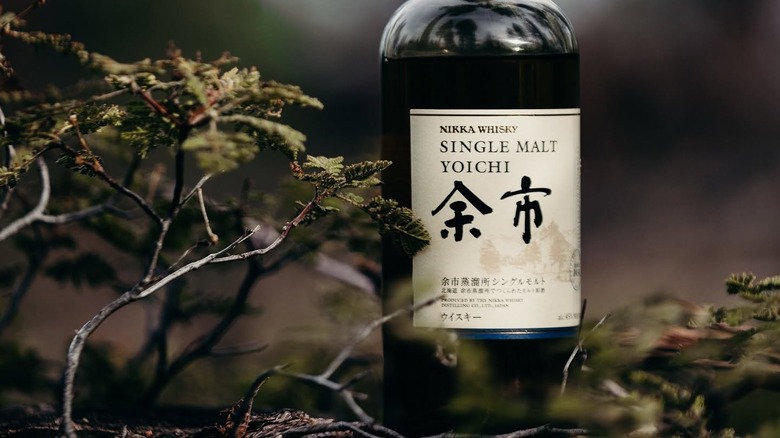
The final bottle here is the most expensive on the list. I view Japanese whisky as usually having an excellent profile for beginners, but cost is often a barrier. There are cheaper blends out there, but if you want a single malt, you'll have to spend a little more than you would for a good Scotch. If you do that with Nikka Yoichi, you'll get insight into the refined, elegant style many Japanese whiskies offer. The nose is inviting here with a slight whiff of peat smoke, fresh malt, and some lovely fruits.
Those fruits open up on the palate and develop into beautiful tastes of pear, orange, and apricot. You'll enjoy delicate sweetness from honey and caramel, along with earthier notes of roasted nuts, black pepper, and a little smoke. It makes the whisky both warm and elegant. It's an excellent liquor for beginners to understand the nuance of a single malt. If you're happy to spend a little more, it's a rewarding gateway into the best Japanese whiskies.
Methodology
I have been enjoying single malt whisky for nearly two decades, and in that time I've studied and written on this fine spirit extensively. This experience has given me expert insight into what makes a great single malt for beginners, which, for me, starts with whisky that is easy to drink and offers a smooth, approachable flavor. Those flavors should be well-balanced while still offering enough complexity to showcase the single malt's qualities.
In addition, you want a beginner whisky to be affordable and widely available. Finally, I wanted to showcase a variety of whisky styles that highlight different characteristics while still being easy to drink. The result is 15 whiskies that tick all these boxes.