

Here Are 5 Kitchen Appliances You Should Never Buy Used

We may receive a commission on purchases made from links.
Here at Tasting Table, we try to stay away from generalizations. What works for one person may not work for another, and so there is always nuance to consider. When talking about secondhand kitchen appliances, the pros and cons often depend on the individual seller, the age of the appliance, and how used it was during its first ownership. And yet, there are five specific appliances for which we can confidently say that purchasing a new model is a better investment. Most opt for used models to save money, but a secondhand blender, coffee maker, fridge, air fryer, or dishwasher will likely end up costing you a lot more in the long run.
Each of these five appliances has unique issues that can arise in used models, but there are some downsides they all share. The most obvious one is the lack of a warranty that comes with a new purchase. Even if the appliance is still under its original warranty when resold, that coverage is usually not transferrable to the second owner. When resellers do offer warranties, they are notably shorter, only covering a few weeks or months at best.
It's also worth noting that kitchen appliances generally have a lifespan, with large appliances ideally lasting over a decade and smaller gadgets between six and eight years. When you buy secondhand, you may find yourself with an appliance that's already on its way out. It's likely that you will have to replace it sooner than you would a new one, effectively spending more money altogether. Now, here are the more detailed reasons why these five appliances shouldn't be purchased secondhand.
Blender
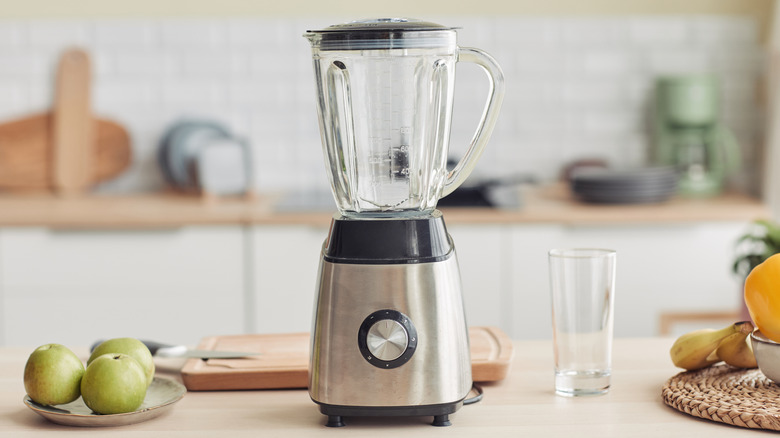
A $15 blender you spot at the thrift store is hard to resist, especially if you've recently peeked at brands like Vitamix, which tend to run upwards of $400. You may only be planning to use the blender for an occasional smoothie, so what's the harm in purchasing a cheap one? Every time a blender gets used, the blades lose some of their sharpness. After a while, they become dull, which means they won't be as effective at cutting the food, resulting in a smoothie full of unappetizing banana chunks.
But, you might say, why not simply sharpen the blades? Unlike knives, which have a straight blade and are therefore fairly easy to sharpen, blenders come with curved blades. Often, they face in two opposing directions, up and down, which makes the sharpening more challenging. Another issue is the questionable cleanliness of secondhand blenders.
Unless you're able to completely disassemble it before the purchase, you're unlikely to know how clean the blender actually is. If the previous owner didn't clean it after every use, the blender could be hiding mold and bacteria under the rubber sealing. It's much easier (and a whole lot safer) to just buy a new blender. Aside from the few premium brands, new models are actually quite affordable. For example, the Black + Decker Crush Master Blender comes highly rated and only costs $30.
Coffee maker
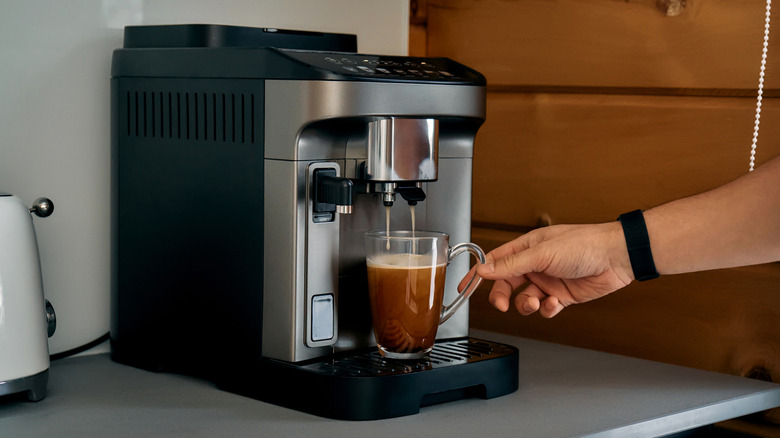
Coffee makers have a short lifespan. If you're buying one that's brand new, you're looking at about six years with proper maintenance. This alone could be enough to sway you away from a used model, unless you want to be shopping for one again in the near future.
There are a lot of things that can shorten a coffee maker's (already short) lifespan. The biggest issue is the hardness of the water that the previous owners were using in the machine. As a buyer, you usually have no way of knowing how hard the seller's water is. Thus, you can't gauge whether the coffee maker is nearing its end. These machines also need regular descaling to keep them in top condition, which is yet another thing you'll have to take the seller's word for.
As with the blender, hygiene is another concern. Letting used grounds sit in the coffee maker is a big no-no, as it's a recipe for germs to multiply — but some still do it. As the bacteria are not visible with the naked eye, you can't discern how sanitary the used coffee maker is before you buy. According to CBS News, household coffee makers have been found to harbor multiple bacteria strains, including E. coli. Do yourself (and your immune system) a favor and pick up a new model instead. A sleek Keurig K-Express Single Serve K-Cup Pod Coffee Maker is currently retailing for $70 on Amazon.
Refrigerator
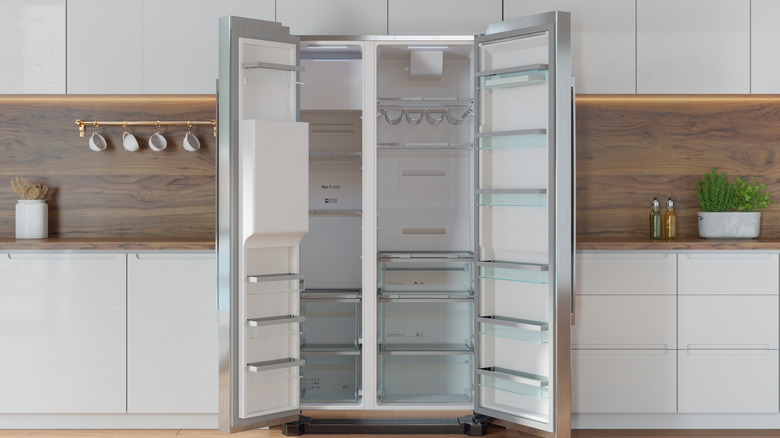
The long-term vs. short-term cost is often the most obvious with large kitchen appliances. A new fridge asks for a bigger investment upfront, but it can end up saving you more overall. First, there's the question of energy efficiency. Purchasing a cheap fridge can result in your utility bill getting significantly higher. Older appliances are worth upgrading before any other appliance in your kitchen due to the amount of energy they use. Energy efficiency is becoming an ever more important piece of the purchasing puzzle, as the cost of electricity continues to rise.
Additionally, consider the potential malfunctions you'll inherit with a used fridge. Not only will fixing those issues cost money, but some problems can have food safety implications. A faulty compressor, fan or the thermostat are problems that affect the fridge's ability to keep food cold. These parts are far more likely to malfunction with age, and it can take some time before you even notice that your food is consistently spoiling. For peace of mind, a new fridge is simply the better choice.
It's worth noting, however, that there is a difference between used and refurbished kitchen appliances. While a refurbished fridge was still pre-owned, they have been inspected by experts, meticulously cleaned, and fully repaired before being put up for sale again. Most refurbished refrigerators also come with a solid warranty, so they're a great way to save money on kitchen appliances.
Air fryer
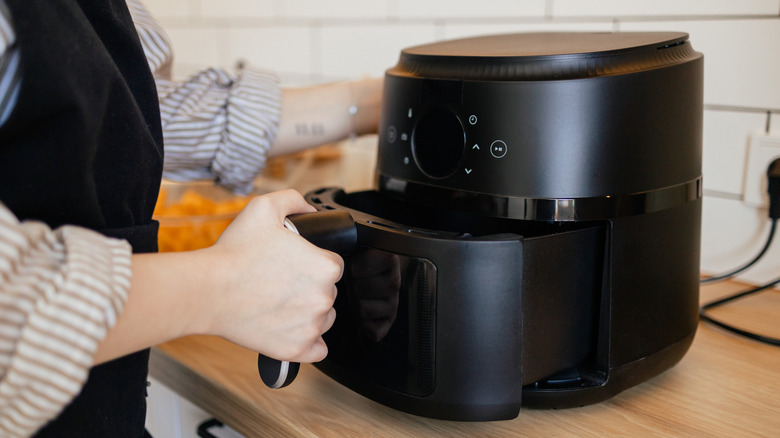
Once a curious novelty, air fryers are now in most American kitchens. Unfortunately, they have a big problem with overheating, which can make them a fire hazard. While this problem applies to brand-new air fryers just as well, the risk is higher in a used appliance. There are many parts inside the air fryer that must all work properly, and it's unlikely that you can check them before buying a used model.
The heating element needs to be clean and undamaged, the fan shouldn't be making odd noises, the integrated safety features should all be working, and the chords must be in top condition. These standards are the bare minimum when you're purchasing a new model, but they can become quite the treasure hunt when buying secondhand. Unless you know the seller, it's best to mark and avoid.
Because air friers cook at high temperatures, they have also been known to build up grease, which is difficult to clean once burnt onto the basket. Then there's the potential toxicity of the non-stick coating, which could be chipped or deteriorated in a used model and is therefore unsafe to cook on. The potential safety headaches of a used air fryer just aren't worth it, especially since new ones can retail for under $50, like the Chefman Mini Air Fryer.
Dishwasher
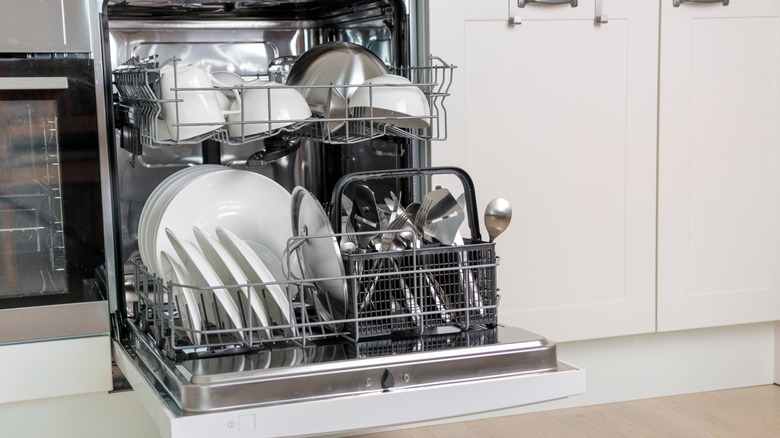
The dishwasher is another large appliance where energy efficiency makes all the difference. Not only does it use electricity, but it also affects water consumption — there can be a few gallons of difference in water use between an efficient and non-efficient dishwasher. Needless to say, this difference will show up on your utility bill.
Secondhand dishwashers can come with questionable cleaning efficiency, too. Over time, an appliance constantly in contact with water builds up limescale inside the spray nozzles, which then need to be either cleaned or replaced. It could also come with a poorly performing filter or even worse, a damaged impeller — both issues will cause the dishwasher to leak all over your kitchen floor.
Much like with a secondhand fridge, the problem with a used dishwasher is that many of its malfunctions are silent. It may take you a few cycles on different settings to realize that the machine is simply not washing well enough or that the dishes are coming out with a weird smell. These problems can usually be fixed, of course, but the repair will still put you out of a few hundred dollars. If you add the repair costs to the original low price of the used dishwasher, you'll find that the total is really not that far off from a brand new, warranty-covered model.