

10 Grocery Brands Shoppers Say Aren't Worth The Hype
If you've ever scrolled through FoodTok, you must've come across some of the viral grocery aisle picks everyone's raving about. A can packed in gym-bro branding, a soda promising gut health, a bottle of hot sauce that you saw on a famous celebrity's channel. These are grocery aisle items built less on decades of recipe testing and more on viral pop culture moments. Or they feature a celebrity founder, or an influencer partnership that dropped in the right place at the right. That kind of momentum propels a startup into a household name within months, but sometimes the reality of the product catches up before the vanity wears off.
This kind of hype rarely holds up long term. Once the initial curiosity wanes, shoppers begin reading the labels, comparing prices per ounce, checking other offerings that aren't as internet hyped, and even swapping notes on social media platforms. The cumulative events paint a very different picture compared to when the brand launched. Some of the brands on this list ran into regulators and class action attorneys. Others watched sales dwindle, or quietly rewrote recipes to fix what the critics were affirming. A few never had much of a product problem at all, it was the price tag that bothered most consumers, questioning whether the product is worth the contents or just a result of a marketing halo. Below, we list 10 such grocery store items and why customers claim they aren't worth your money.
Poppi
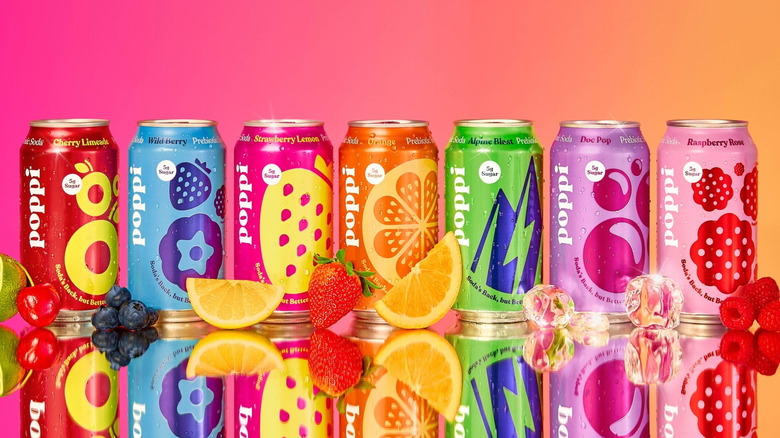
Launched in 2018, Poppi became one of the first prebiotic soda brands in the market, riding the wave to approximately a nine-figure valuation by 2020. A Pepsi acquisition and a Super Bowl ad only fueled the brand's claim to being one of the most popular gut-supporting sodas in the market. But the problem arose when people actually started reading the fine print. Each can contains just 3 grams of prebiotic fiber, an amount nutrition experts find negligible for daily gut support. Cleveland Clinic's breakdown of the prebiotic soda category makes the same argument, adding that the flavors can feel like a treat but should not be treated as a primary source of fiber.
This gap in the marketing and actuality didn't sit right with most consumers. A 2020 class action lawsuit accused Poppi of misleading consumers about its gut-health benefits, and the brand had to ultimately settle for $8.9 million. The brand identity began to dilute, and shoppers eventually picked up on the disconnect once the lawsuit made headlines. A Reddit thread asking what the actual appeal of Poppi is got flooded with comments that dismissed the hype, calling it overpriced. One commenter even claimed that they don't drink it for the gut benefits, just the taste. The worst flavor, according to Tasting Table, is watered down beyond recognition. Another social media platform compared Poppi with its closest competitor, Olipop, featuring mixed reviews for both. The skepticism for prebiotic soda remained, while some said they liked the flavor of the latter better.
AG1 by Athletic Greens
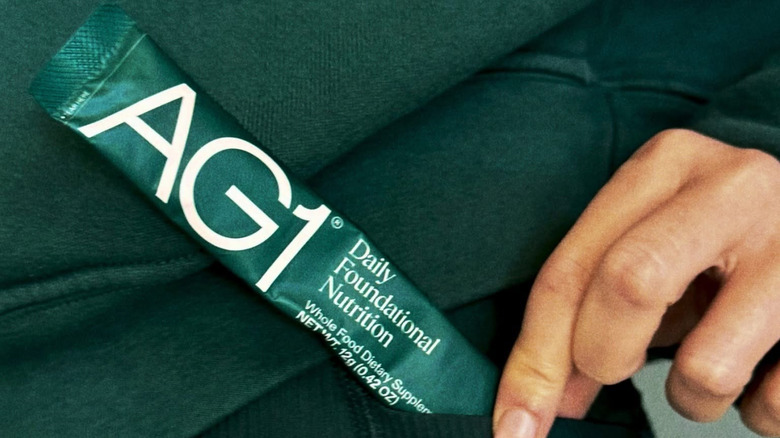
Would you pay $79 for green powder? If you were fans of Joe Rogan and Andrew Huberman, you probably would. Or at least that's what the psychology behind celebrity marketing says. Since its launch in 2010, AG1 has climbed the ladder of the modern wellness routine quite successfully. The problem, according to Forbes, is that a similar ingredient list can be created for approximately a quarter of the premium price tag. The review also mentioned that the vitamin and mineral blend most likely wouldn't outperform a basic multivitamin, despite the health claims.
Endurance athletes, the exact customer base AG1 has spent decades marketing to, have not been kind when reviewing the product. A TrainerRoad discussion thread dedicated to the benefits of athletic greens turns into a long back-and-forth about whether the price tag for AG1 matches the viral claims. Many participants dismiss the claim, suggesting other ways to get in their source of nutritional greens in their diet. Another discussion on a ultramarathon-focused reddit thread questioning whether AG1 lives to the hype collects a string of runners comparing notes on cheaper alternatives, with the same, if not better benefits without the premium packaging.
AG1's main source of marketing has been podcast-sponsorship deals, tapping into the wellness audience that believes in holistic health. That strategy built trust entirely too quickly. But, again, the brand's credibility started getting questioned once nutrition-focused corners of the internet started fact-checking its health claims. The skepticism spread entirely too quickly, as well.
David Protein Bar
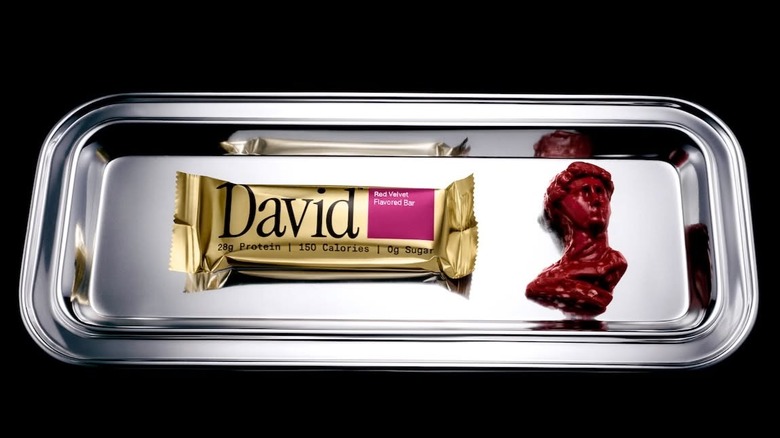
In the summer of 2024, David Protein Bar, an upcoming brand teased a launch that shot a frenzy through the health and wellness internet community. The result? Before its launch, the brand had 100K+ on the waitlist. The virality was fueled by its claim on macros: 150 calories and 28 grams of protein per bar. Once the novelty wore off, the audience reaction was mixed at best. A reddit thread posted a lengthy review of the protein bar, describing the bar as tasting more like flavored protein powder pressed into a solid rectangle with an oily, fatty outer coating, and chunks of white substance in the wrapper. Another commenter said they quit eating the protein bar after the brand changed its original recipe to replace natural sweeteners with artificial ones instead.
Further, Women's Health examines a class action lawsuit against the brand which claims the bar's fat and calorie content is significantly higher than what the packaging claims. The lawsuit garnered mixed reactions, with some claiming that the testing process was flawed. The use of EPG in the ingredients could've thwarted the test results. Nevertheless, at roughly $4 a bar, the trade off between protein content for taste hasn't been rewarding. The viral appeal stood tall thanks to the numbers on the wrapper, but reviewers weren't entirely convinced with the eating experience. Plus, there are other alternatives in the market, including this one that tastes like candy.
Liquid Death
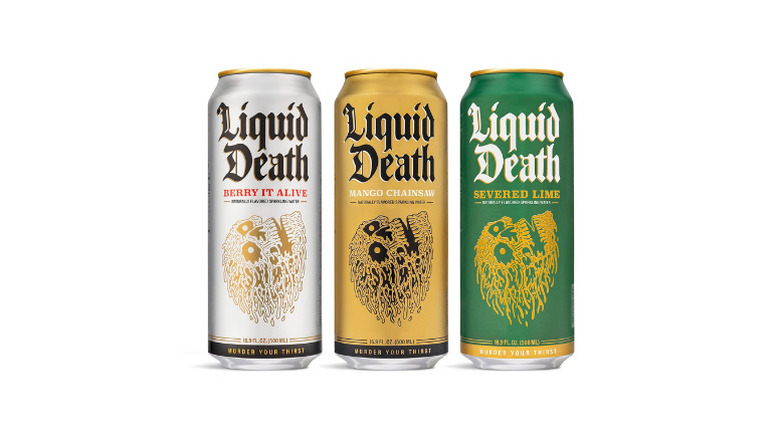
Liquid Death is one of the most relevant case studies in today's time for marketing over product. It's canned water, dressed in heavy metal clothing and sold in grocery aisles full of energy drinks and sweet sodas. Even people who respect the marketing concede to the obvious, as illustrated in this reddit thread. Ironically, a trademark infringement lawsuit filed by Death Wish Coffee claims Liquid Death's visual identity; the skull, the tattoo-like designs, the "death" themes overlap with the former's. But once you get past the artistic packaging, it's just water for almost $6. Even the flavored ones aren't that great. The hot fudge sundae flavor tastes like lip balm, according to one of the TT reviews.
Some in the comments of the reddit thread do argue that it's primarily meant for people who are recovering alcoholics. It's built for them to mimic the experience of having a beer by drinking a sparkling soda from a can that looks akin to an alcoholic one.
But the question still remains: what are people paying extra for when the product inside the can is essentially tap water? MMR Research digs deeper into the thought, noting that the disconnect between the marketing and the actual sales for the brand is exponential. The value provided isn't enough to generate sales. The Washington Post also did a piece on the brand, calling it "an identity statement disguised as water". But at the end of the day, water is just water, however it is packaged.
Prime
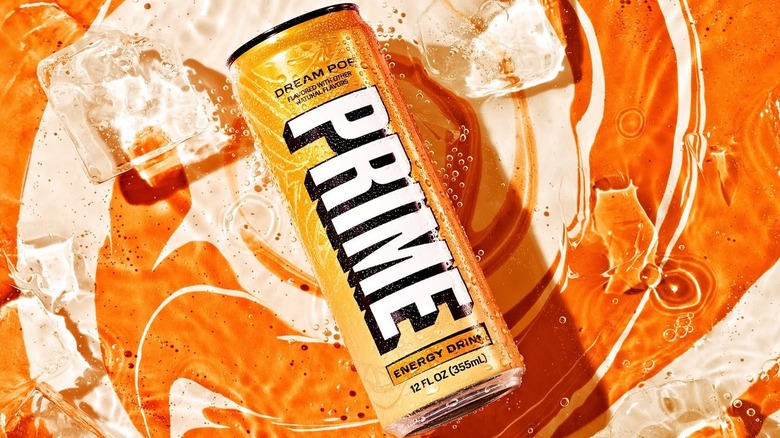
A sports drink brand created by YouTubers Logan Paul and KSI, Prime became one of the internet's most viral phenomena when it launched. But the attention was two-fold: they did get eyeballs, both good and bad. The brand is currently facing multiple lawsuits, including one alleging its grape flavors has PFAS "forever chemicals" at levels that are unsafe for long-term consumption. It didn't even make our list of 13 Prime flavors, ranked worst to best. And another lawsuit alleges that the energy drink line, Prime Energy, has more caffeine than what is printed on the label. The former was dismissed with insufficient proof from the plaintiff but consumer sentiment splintered and never fully recovered in terms of sales.
A reddit thread discussing the downfall of the brand actually features former fans claiming how they'd collect the bottles, but in the end, threw them away, finding them worthless. Another comment mentioned this as a classic case of when hype wears off. But the worst response was when parents started rejecting a brand whose primary audience was kids. That's when things got tough. Another reddit thread discussing everything wrong with the brand dissected the composition of the product, calling it a hydration drink that's not really hydrating. So, what started as a scarcity-driven collectible craze quickly curdled into one of the most scrutinized drink brands on grocery shelves.
Feastables
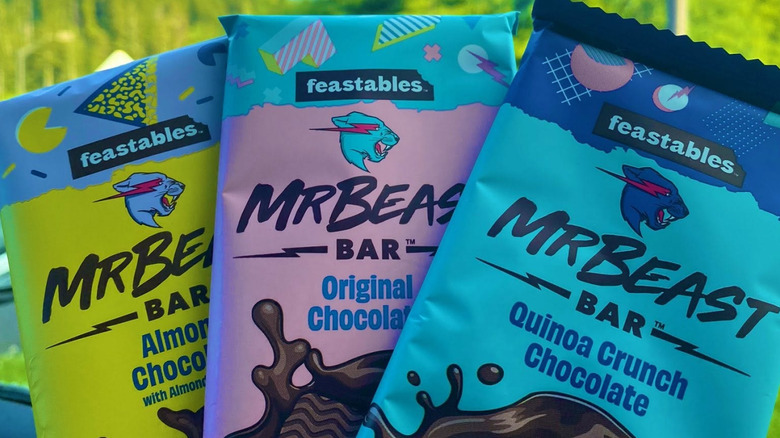
Another YouTuber, the famous MrBeast, decided to launch a chocolate brand in 2022, built entirely on his massive built-in audience. And as predicted, the internet ate it up, quite literally. It managed to become one of the fastest growing chocolate brands in the United States with $100 million in sales in the very first year. It also positioned itself as a better-for-you chocolate brand, and promoted the products through heavily gamified marketing campaigns. But the reality and science eventually came knocking at the door. Independent testing found Feastables' milk chocolate bar featured the highest cadmium level of any milk chocolate bar tested by Consumer Reports, 80% of the CR limit in a single serving.
The taste didn't make it any better. TrustPilot reviews called it "literally the worst chocolate bar", with commenters calling the quality mediocre compared to the price they were paying. Some compared it to European chocolate standards, giving the chocolate a 1-star rating. It even ranked at #12 on a list of grocery store dark chocolate brands, ranked from worst to best. Reddit thread discussing MrBeast featured several side-by-side comparisons to other brands, cheaper alternatives and established icons, confessing the after taste doesn't have the premium feel a chocolate should. Several commenters agreed noting the taste of the chocolate doesn't measure up to what's already sitting on the same shelf for less money. One comment summarised the phenomena perfectly, saying people were paying for the brand, not the product.
Beyond Meat
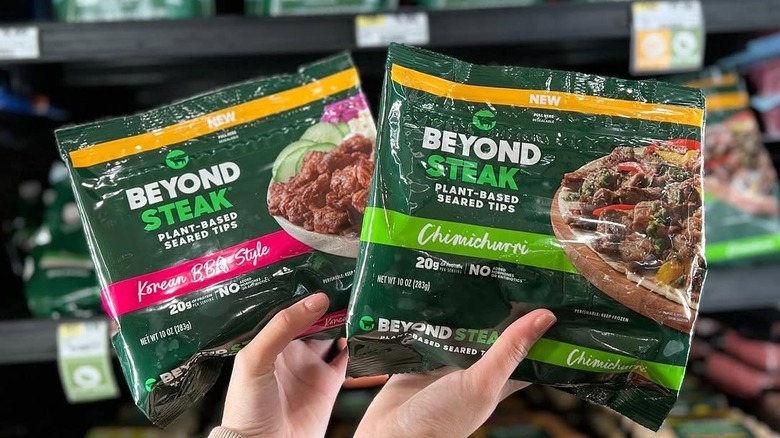
When Beyond Meat launched in 2009, it was one of the most talked about food-tech stories that took the industry by storm. Then, within a decade, the company's stock crashed to below $1 territory, and turned the brand into a cautionary tale illustrating the gap between hype and staying power. Several factors contributed to the undoing of the brand's popularity, including a decline in demand for plant-based meat, the higher price point at which they were selling, and the establishment of several competitors, which ultimately resulted in continued losses, and delisting warnings. This pricing problem led to Beyond Meat disappearing from shelves.
Add to it several class action lawsuits, including one that alleged that the brand overstated the amount of protein in its product. The brand ended up settling for $7.5 million. Shoppers discussing the decline of the brand, mention how the price was actually more expensive than conventional meat, despite beef prices periodically climbing. Comments also listed several alternatives to Beyond Meat, at a fraction of the price. Other threads have discussed the value based proposition, saying, while the product itself may be good, it's not suitable for everyday consumption, since it's highly processed. The value proposition of plant based being healthier beats the purpose when it's loaded with preservatives. Plus, there are also other plant-based meat alternatives like soy that are healthier and cheaper.
Halo Top
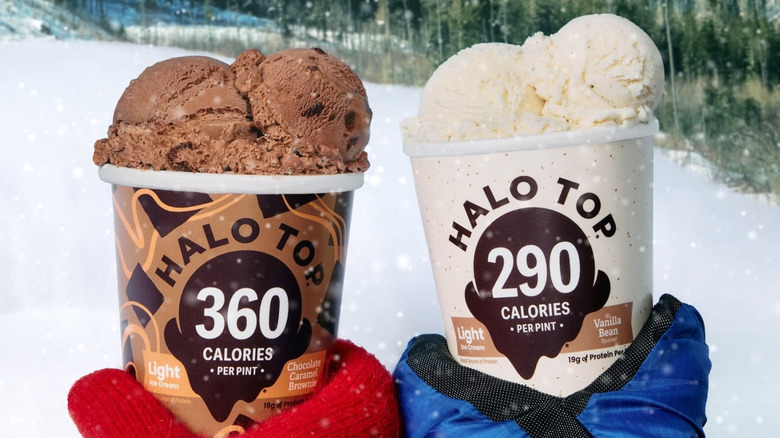
From launching in a humble Los Angeles garage to becoming the best-selling pint in the US, Halo Top achieved all of it within five years of its launch. But the sales slump the company saw post reaching the top in 2017 was just as astronomical. Between 2017 and 2021, the sales dropped 43%, with the management citing strict competition as one of the reasons. Amidst this, consumers actually started to dissect the label and the marketing claims made by the brand, with most concluding that, though it was a low-calorie alternative to ice cream, Halo Top shouldn't be considered as a healthy treat. A class action lawsuit in 2018 even alleged that the company underfills its pints, leaving consumers unsure of how much they're getting for the premium price.
Flavor-wise, this reddit thread notes that the ice cream is unremarkable and bland, and the texture is something most people cannot get through. Here's why the cookies and cream flavor is completely skippable. Furthermore, the low fat formula forces the company to include more chemicals to create an ice cream-like mouthfeel, making consumers question whether it's truly a healthy choice. The marketing actually encourages consumers to "eat the whole pint", but critics argue that this could promote unhealthy eating habits under the guise of guilt-free eating. The brand did reformulate its recipe, eventually switching to ultra-filtered milk to fix the texture complaint but the gap between the original reputation and what it is today, is what makes Halo Top part of this particular conversation.
Vitaminwater
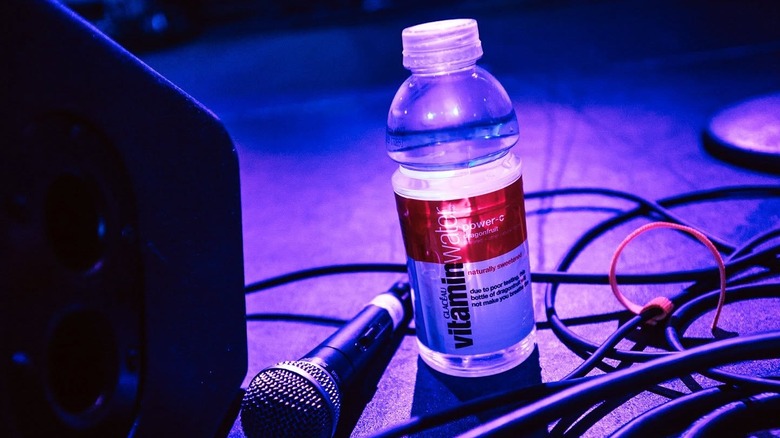
Launched in 1996 by businessman J. Darius Bikoff, Vitaminwater's name does most of its marketing. But whether the ingredient list backs the claims or not, that's up for debate. In 2019, The Center of Science in the Public Interest along with two other law firms sued Coca-Cola over Vitaminwater. The judgement was passed to remove any misleading labeling from the packaging and marketing, including statements like "vitamins + water = all you need". The brand also opted for using the words "with sweeteners" since the bottle contains roughly 32g of sugar, comparable to a can of Coke. Heathline also mentions that the high sugar content can, eventually, be fattening, beating the health purpose of the product.
From a consumer perspective, many have called out the brand as a marketing gimmick. A discussion on this Facebook page argues that they'd rather take the vitamins as is instead of investing in vitamin-infused water. Many share the same sentiment, claiming that the concept in unnecessary. Coca-Cola's own defense in court questioned how a reasonable consumer could consider Vitaminwater as a healthy drink. On the other hand, some argue that Vitamin Zero is a considerably healthier alternative. Tasting Table found this the absolute worst Vitaminwater flavor.
The internet still remains polarized, questioning whether Vitaminwater can be considered a classic example of the health-halo advertising gone wrong. Especially since the debate is still rife more than a decade after the original lawsuit was filed.
Truff Hot Sauce
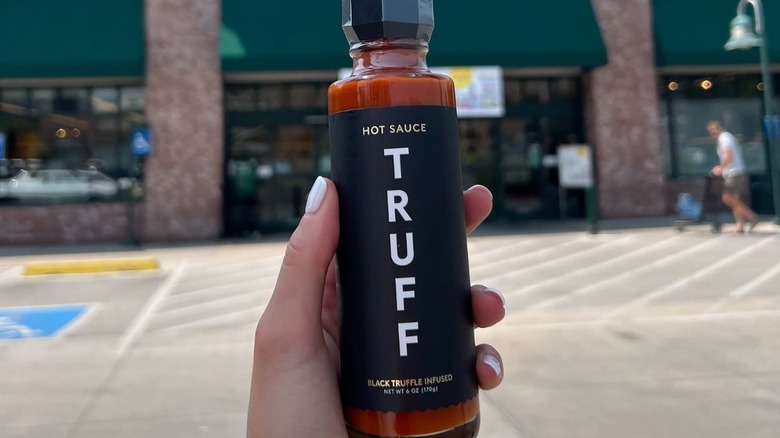
Another polarizing brand, Truff Hot Sauce has the internet in shambles, with most either loving or hating it, there's no in-between. Truff did what no one else was doing, they took truffles and hot sauce and created a whole new category out of it. In 2018, the brand featured on Oprah's Favorite Things list and blew up post that. Celebrities, chefs and foodies were quick to hop on the bandwagon, promoting the hot sauce brand. But the claim the brand is built on is what encourages the most consumer pushback: the truffle flavor comes from truffle-infused oil, something that chefs and food writers have condemned with a passion. If you're not convinced, here's a list of all the Truff hot sauces, ranked worst to best.
A review from Sawce details the culinary experience of Truff sauce, describing the first impressions as synthetic and unappealing. Flavor-wise, especially keeping the premium price in mind, the sauce did not live up to their expectations. This thread is a great example of how divisive the internet actually is. A comment in another thread dissects what you're actually getting in the name of truffle, highlighting one of the main concerns of consumers. Moreover, some have even questioned the heat of the hot sauce. Enthusiasts have claimed that Truff isn't hot enough, and whether consumers are actually paying for flavor or for the luxury association that the condiment label, as well as celeb endorsement, carries.
Methodology
For this list, we looked past one-off complaints and a handful of disagreeable social media posts to find brands with real, documented patterns of backlash: lawsuits and settlements, measurable sales or stock declines, forced reformulations, or company admissions that critics have merit. We also scoured social media platforms and discussions to gauge the polarizing opinions of consumers. Some of these brands leaned heavily on the marketing of health and wellness but ended up offering nothing substantial. Others simply rode a viral high, not being able to out-market its own price tag once shoppers started dissecting what was actually inside the packaging.