

15 Tools You'd Find In A Real American West Pioneer Kitchen
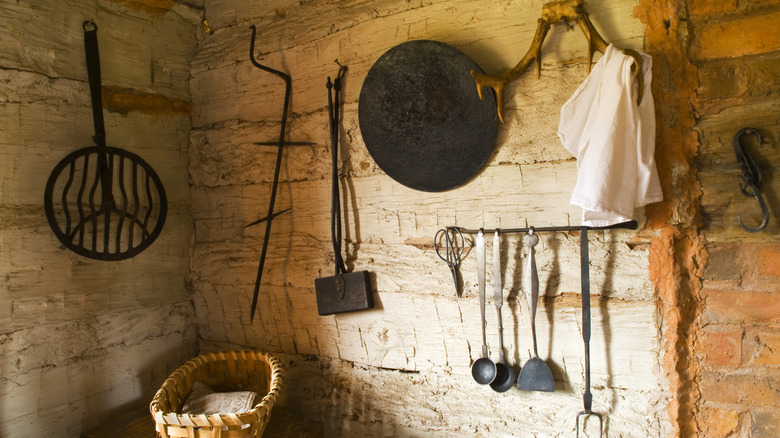
Home on the range looked different than the homes and kitchens of today. Before appliances and electric mixers filled countertops, pioneer cooks in the American West made a limited assortment of tools work. When life moved in wagons and meals were made from scratch on homesteads, families in the 1850s through the early 1900s counted on resources and grit to make a living. Americans were thrifty and hardworking, and their kitchens were outfitted in a way that reflected the era.
Made from tin, cast iron, and wood, kitchen items were sturdy and well-equipped to handle travel, weather, and heat. From Dutch and reflector ovens to hash knives, meals were cooked slowly, and meats and veggies were prepared for hearty appetites. While some of the kitchen gadgets used then can still be found today, others have faded with time, relegated to a list of vintage kitchen tools no longer in use. To offer a glimpse of what life might have looked like as a cook in the great American West, we've compiled over a dozen different appliances and devices. Some may look familiar. Others may be simple reminders that kitchens change with the times.
Coffee pot
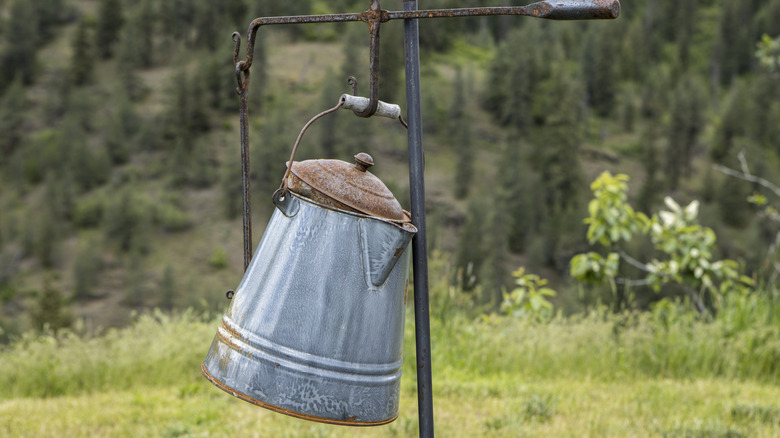
Then and now, coffee has remained a necessity, but on the frontier, rugged, cowboy-style coffee was the first item on and the last item off a fire. The grounds were boiled in the pot, and then left to settle at the bottom before cups were poured. Brews were bitter but could be sweetened, and the energizing effect was equally appreciated.
Cast iron pan
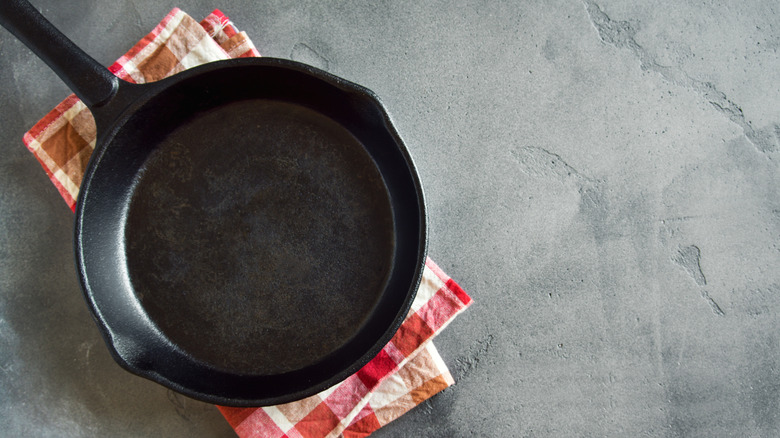
The versatility of a perfectly seasoned cast-iron pan has helped this tool withstand the test of time. Pioneer cooks fried salt pork, made cornbread, and scrambled eggs over open flames and wood-burning stoves. Many skillets have been passed down through generations, and it is easy to see why. With so many recipes that can be whipped up in one of these pans, they earn their keep.
Hash knife
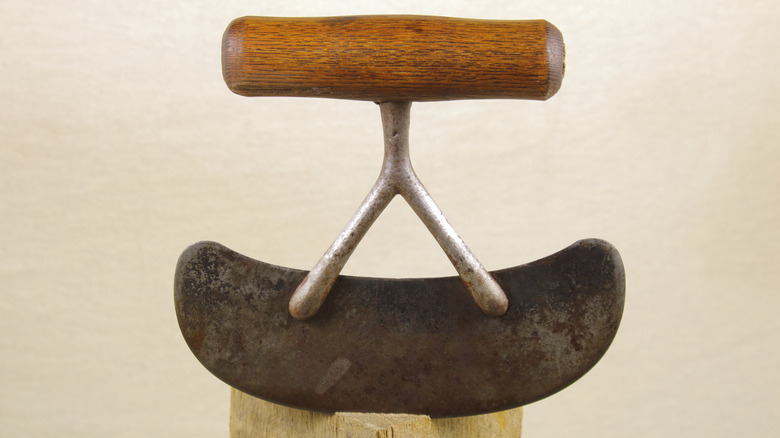
Large-bladed choppers, known as hash knives, featured a curved edge designed for quick work. The rocking motion used to cut ingredients meant meals could be prepared efficiently, which was particularly helpful when feeding a camp. The tool can also be used as a spatula to flip or scrape off ingredients from surfaces.
Dutch oven
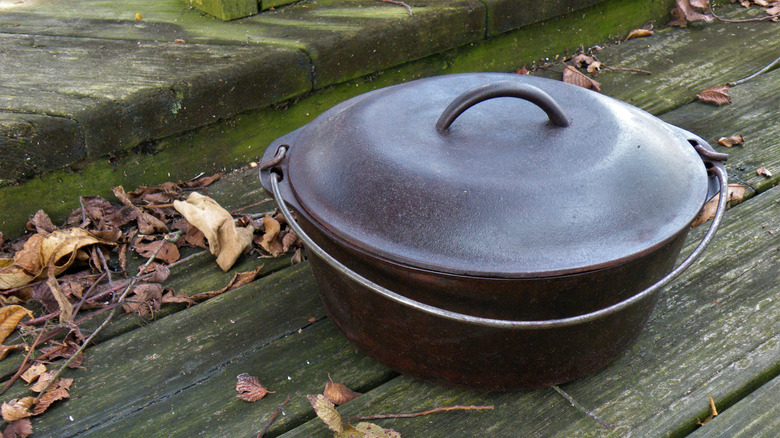
Heavy-lidded cast-iron pots are responsible for many delicious Dutch oven recipes. Whether coals are shoveled atop the lid or the pot is hung from hooks, heat can reach food from all sides, resulting in dishes like bread, cake, cobblers, and biscuits out on the trails. The Dutch oven is an easy contender for MVP of the pioneer kitchen.
Flour sifter
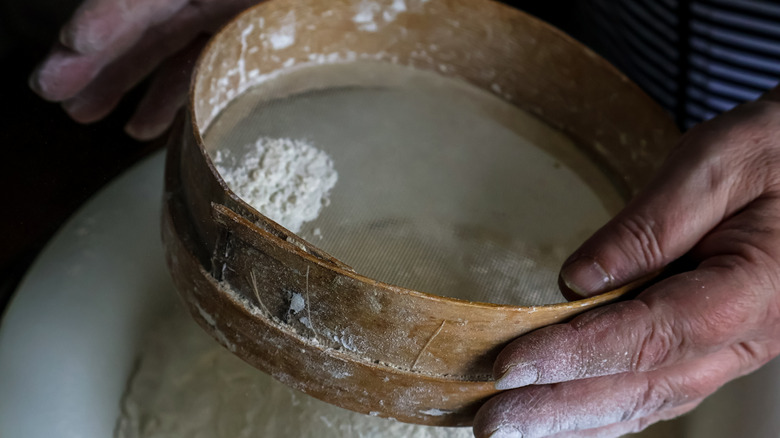
To keep flour from clumping and to eliminate pests prior to cooking, sifting flour was a key step for pioneer cooks. Flour sifters helped aerate the baking ingredient before biscuits and cornbread were cooked. Though some debate whether the step is necessary today, sifters help create even texture in finely grained, powdery ingredients.
Hand crank grinder and food mill
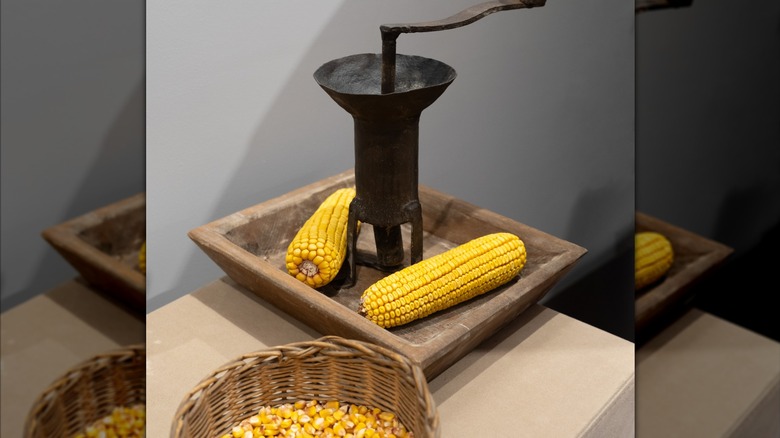
Before food processors made grinding easy, pioneer cooks used hand-crank grinders and food mills to process grains and dried ingredients. Hand crank devices were also used to break down coffee beans. These tools could be fixed to the edge of a table or held over a bowl to catch the processed foods.
Mortar and pestle
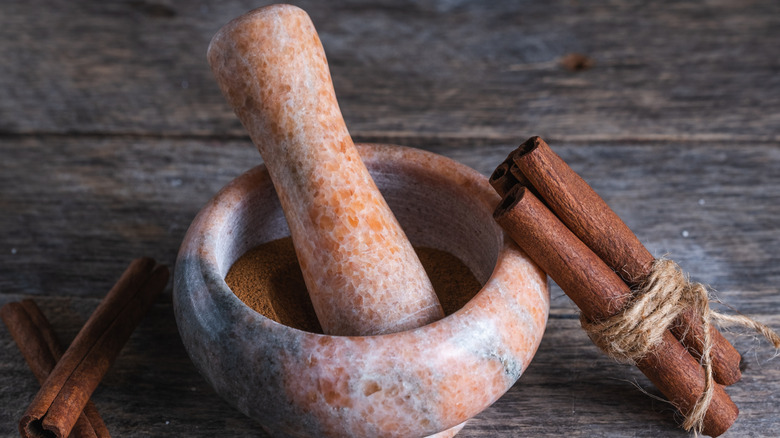
Once a staple of apothecaries and pharmacies, mortars and pestles have long been used to crush ingredients like herbs and spices. In pioneer kitchens, the ability to pound seeds and flavorings quickly meant that foods could be made tastier no matter where a meal was made. A mortar and pestle could be fashioned from wood, cast iron, or stone for easy transport and durability.
Tin canisters
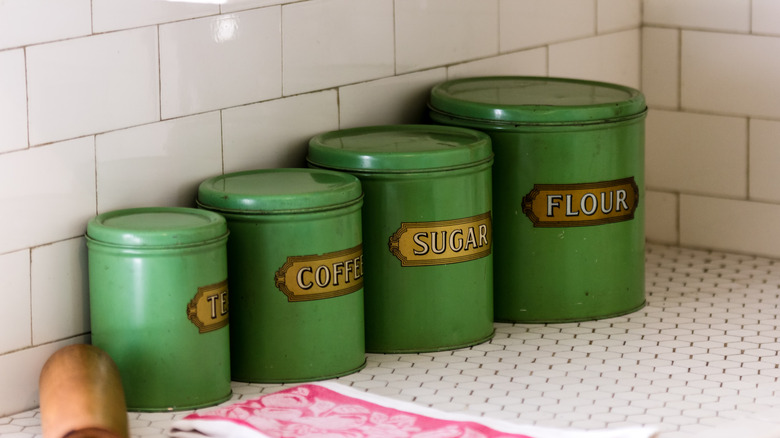
Keeping dry goods protected from pests and moisture was a common struggle in the Great West. Tin canisters were part of that defensive arsenal. Whether filled with flour, salt, sugar, or dried beans, tins can be reused and sometimes even stacked, making these containers a key element of an organized kitchen setup. Those holding precious spices were often locked to keep the valuable contents safe.
Cherry pitter
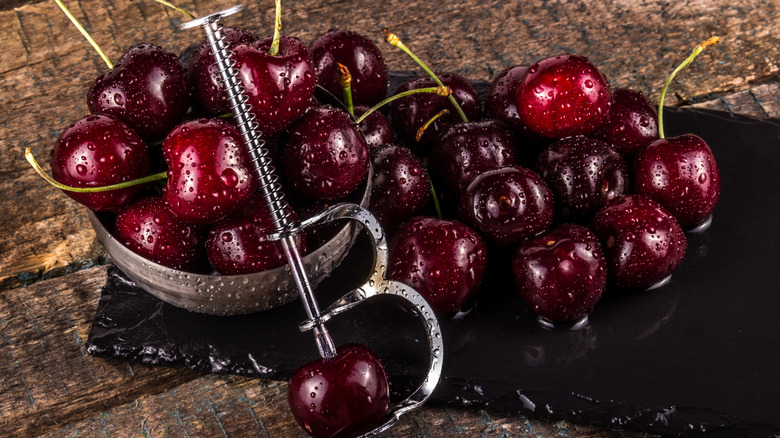
Preserving fruit was a key component of pioneer cooking, and cherries were a common ingredient for making jams and pies. Hand-operated cherry pitters were designed to remove pits quickly. Some used a ribbed metal wheel to separate the cherries from their pits, while others used a cast-iron rod to pierce the fruit. These tools could be held by hand or attached to a table to make shorter work out of seasonal harvests.
Butter mold
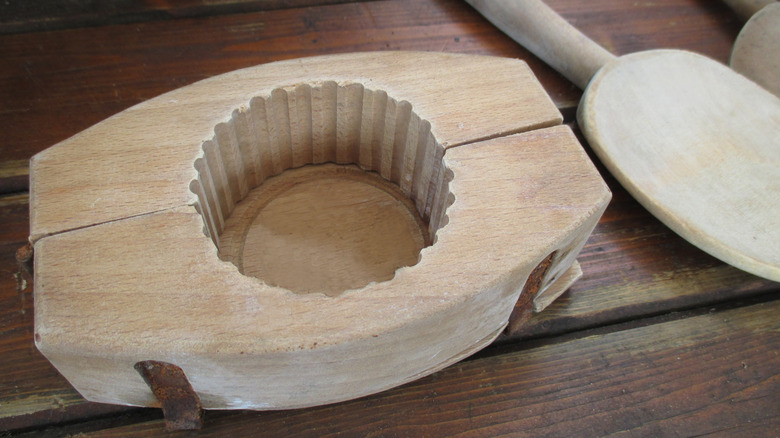
Those with cows made their own milk, and butter molds helped give their butter a fancy look. The upgraded appearance could spruce up a spread or ready products that could be sold in markets. Carved wooden molds were used to press butter to create shapes, and more intricate details like flowers or cows could help identify different makers and the butter from their farms.
Reflector oven
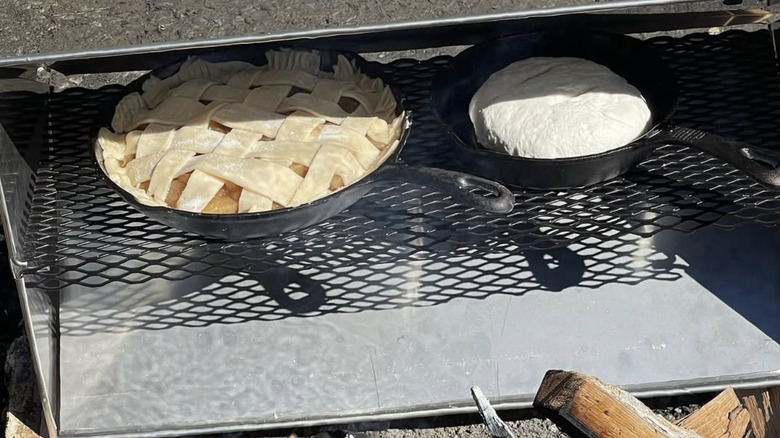
To this day, those interested in wood-fired outdoor cooking appreciate reflector ovens. These inventive, open-front tin contraptions rely on angled reflective surfaces to direct the fire's heat towards foods. Without an enclosed oven chamber, pies, roasts, and pizzas can be perfectly cooked, and some of these contraptions can be collapsed and carried for convenient cooking on the go.
Tinned grater
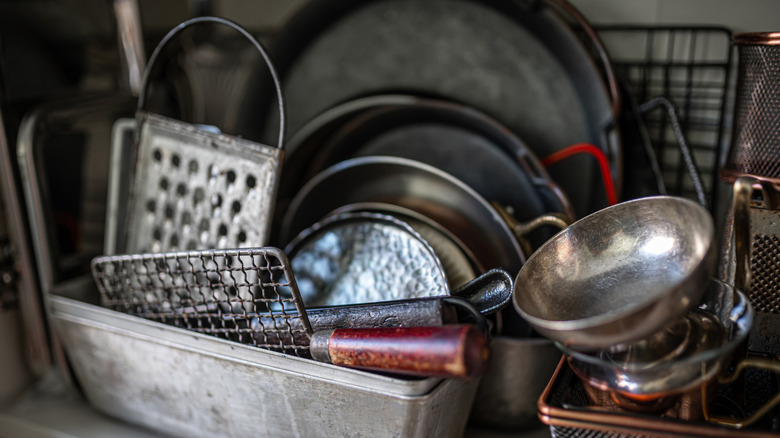
Flat and box tin graters have a series of punched holes that can grate potatoes for hash browns, turn dried bread into crumbs, and shred ingredients like hard cheese, root veggies, and nutmeg. The design hasn't changed much over the years, and these affordable tools continue to remain valuable in modern-day kitchens.
Hand crank egg beater
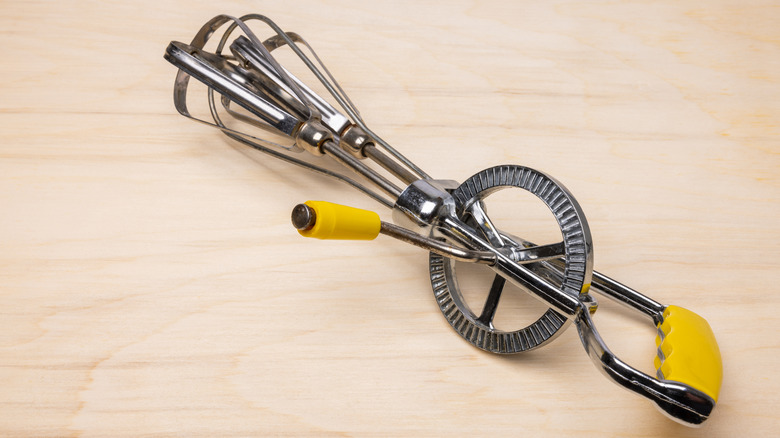
The vintage egg beater helped whisk eggs into shape before stand mixers occupied countertop space. Instead of relying on a fork or whisk, a hand crank made work faster. As a cook rotated the handle, the two metal beaters spun quickly to whip cream or eggs without the workout.
Masa roller
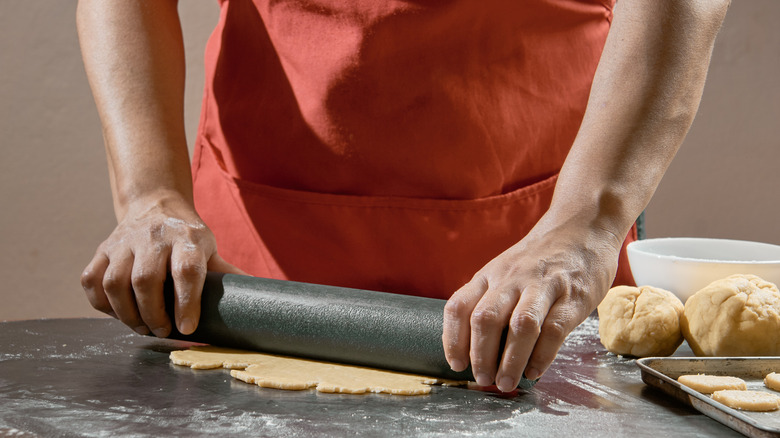
In the Southwest and along the Mexican border, pioneer cooks would roll masa. A masa roller was used to roll out tamales with ease, and the smooth wooden surface helped flatten nixtamalized corn dough into tortillas and flatbreads. These portable, helpful tools still hold their own in the kitchen and can be found in many households.
Meat grinder
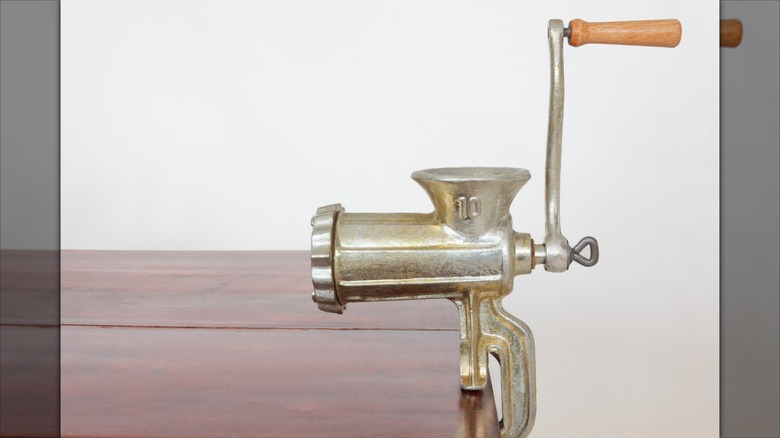
Meat grinders were once found in kitchens everywhere, as preserving meat to make the most out of every morsel mattered. A hand-crank meat grinder helped process various cuts (including trimmings) into sausage and minced preparations that could hold families over for several meals. The grinder was often clamped to a work surface as larger cuts were converted into something more usable, either on the trail or at home.