

13 Foods The East Coast Simply Does Best
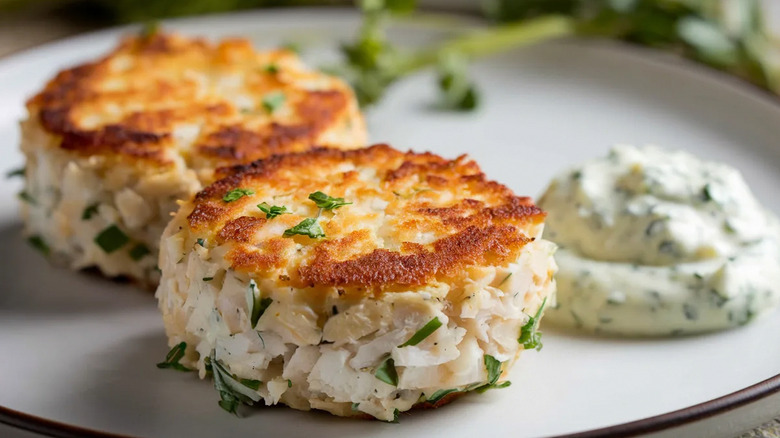
After eating around many corners of the country, I can safely say that every region has its culinary gems. The West Coast? It's where to go if you're looking for super-fresh, veggie-focused foods and a variety of seafood favorites. The Midwest? Ideal for casseroles and other hearty comfort foods. And the South's food scene is legendary, from seafood boils to hush puppies. But it's just the truth that there are some foods that the East Coast absolutely does better than any other region. This may be due to the culture, the region's natural bounty, or a combination of both.
I'm taking a closer look at these foods and digging into why the East Coast does them better. You'll see plenty of seafood dishes here, as this region of the country is known for its incredible fresh seafood, from lobster to clams. There are also some incredible sandwiches here, from breakfast favorites to greasy, meaty numbers that taste particularly good during the cold northern East Coast winters. And, of course, I'm highlighting some desserts as well, considering that this part of the country has some of the best sweet treats around. Whether you're a born-and-raised East Coaster or you call a different part of the country home, these are the foods you have to eat when you find yourself on the East Coast.
Oysters
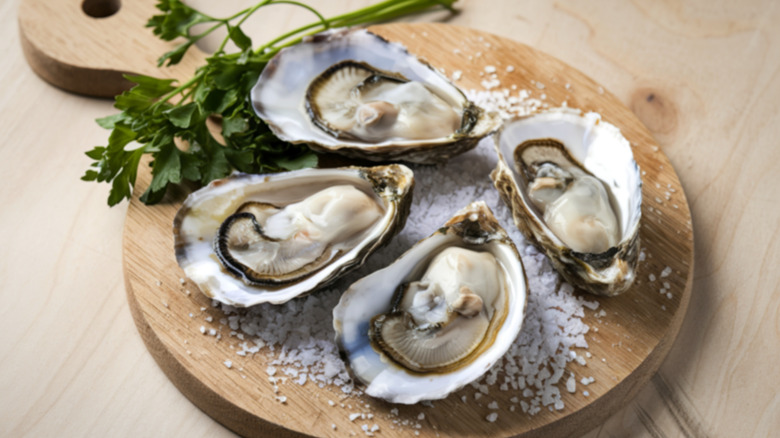
Now, I know this one isn't as clear-cut as some of the others on this list. There's a real rivalry between East Coast and West Coast oyster lovers, and as an East Coaster myself, I have to admit that I see where the West Coast people are coming from. The oysters from the Pacific coast generally have a lovely, subtle flavor to them, with a creamy sweetness you won't find as often on the East Coast. But over here, we tend to have brinier, saltier oysters, which I personally think beats out the subtlety of the West Coast variety. (That being said, I'm certainly not going to turn down a platter of West Coast oysters either.)
The good news is that tons of restaurants on the East Coast serve a wide variety of oysters from this half of the country. It's fun to taste all the different varieties a restaurant has available, but I generally look for a few varieties specifically. Being a Massachusetts resident and former oyster grocer employee, I'm a big fan of oysters from Island Creek and Wellfleet. In Maine, Glidden Point and Pemaquid are definitely worth checking out. I think a traditional mignonette is the way to eat East Coast oysters if you're looking for a bit of extra flavor but still want to taste their essence. However, there are so many other toppings for raw oysters you should consider if you want a bolder flavor profile.
Cheesecake
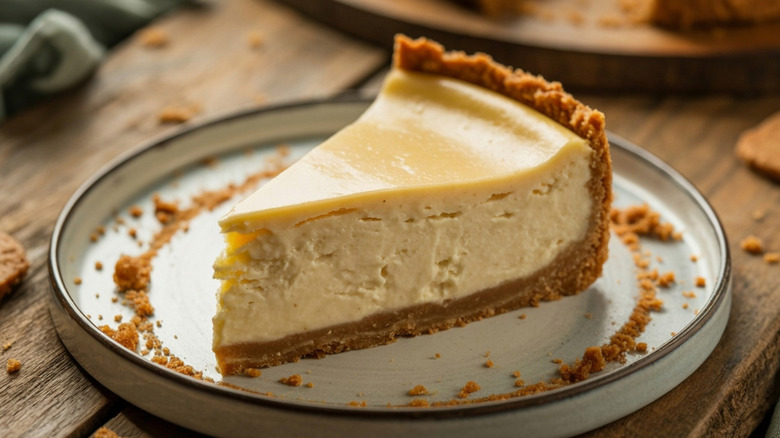
I'll be honest: At one point in time, I truly believed that cheesecake was a New York invention — that's how much I respect the New York cheesecake. Although there are other cheesecake varieties you can find on the East Coast, I think New York absolutely does it best. So, what makes a New York-style cheesecake better than any other? It all comes down to the inclusion of sour cream or heavy cream. This makes for the densest possible cheesecake, which is exactly what I want when I'm digging into this kind of dessert. And when you consider that the East Coast can also claim Pennsylvania Dutch cheesecakes, which have a unique tang to them and fruit baked into the bottom of the cake instead of added onto the top, it's clear to see why the East Coast dominates the cheesecake scene.
Does that mean the West Coast has no claim to cheesecake fame? Of course not. It can always boast its status as the home of The Cheesecake Factory. But let's be honest: Most of the best dishes on the menu aren't cheesecakes at all, proving that the East Coast really is better for cheesecake.
Lobster rolls
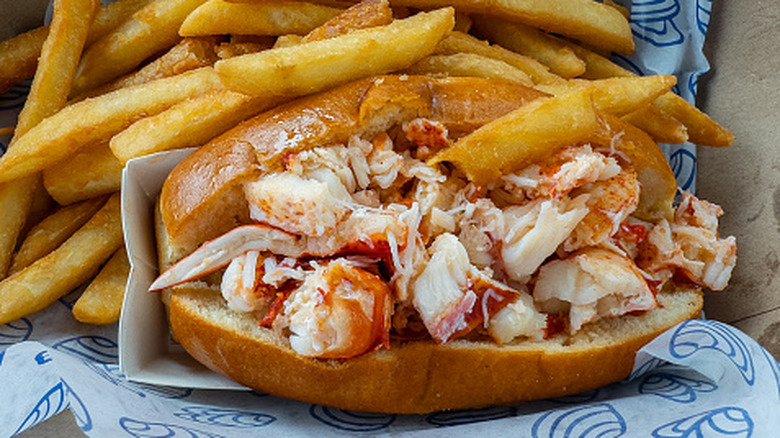
If there's one dish that's most heavily associated with New England cuisine, it has to be the lobster roll. It's a food that's practically ubiquitous in the region's food scene, and it's the No. 1 food my out-of-town guests have requested when they've come to visit me in Boston.
Something that's very important to remember before you order a lobster roll, though, is that they come in two classic styles. The first is the Maine-style lobster roll. In this sandwich, the lobster is served cold, and it's dressed with a flavorful mayonnaise-based dressing. It's perfect to eat during those idyllic Maine summer evenings along with a crisp, cold beverage. The second variety of lobster roll is the Connecticut-style version of the sandwich, wherein the lobster is served hot and doused in butter. This variety is comforting and just as delicious in the winter months, and it has an undeniable lusciousness that's hard not to love.
But Maine lobsters — the kind generally used for lobster rolls — can't be grown on the West Coast. While the West Coast boasts its own types of lobster, it's just not the same as the New England classic. In my personal experience, lobster rolls always fall flat when they're enjoyed outside of New England, specifically.
Bagels
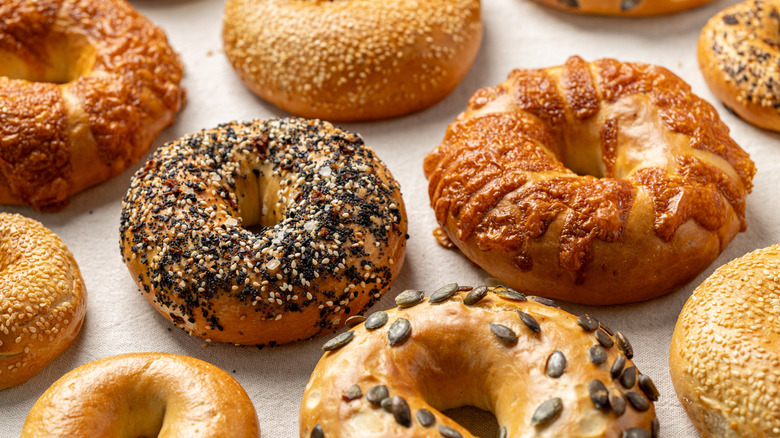
There's no denying that New York is the most famous place in the country for bagels. That's because they come directly from the source. Bagels are originally from Poland, developed by Jewish bakers who weren't allowed to bake standard loaves of bread. When Polish immigrants moved to the United States, many of them settled in New York, and they brought their bagel recipes with them.
Now, many agree that New York bagels just taste different from any others. They have a saltiness and a chewiness to them that you're not going to find in other parts of the country. There's an idea that this has to do with the quality of New York's water, that because it contains low levels of magnesium and calcium, you're left with a totally different bagel texture. But according to some sources, that's just a myth. Instead, they attribute it to the boiling process.
I love any kind of bagel, but the most elite of them all is the lox bagel, which was reportedly invented as a kosher alternative to eggs Benedict. Layers of lox on a perfectly chewy bagel with cream cheese, capers, red onion slices, and dill may just be the most glorious fish-based breakfast in the world. Other parts of the country can imitate this dish, but it'll never be as delicious as it is in New York.
Boiled whole lobsters
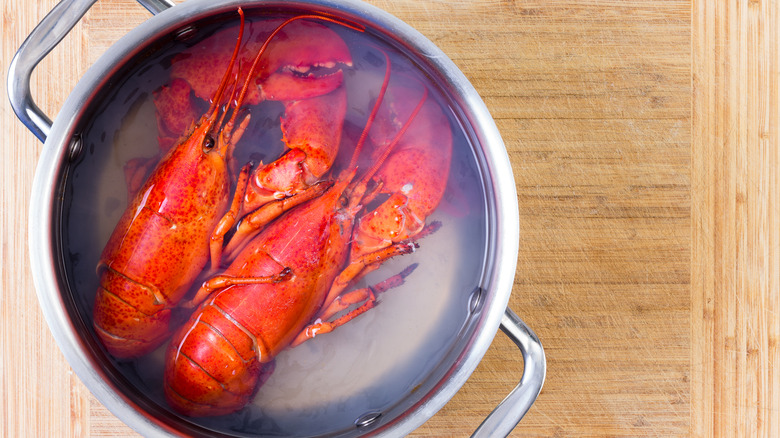
I can certainly get down with a lobster roll from time to time, but my preferred method of eating lobster is doing so in boiled whole form. As a New England transplant, I never really understood the hype around lobster, especially when I first moved to Boston and had only tasted a few very mediocre lobster rolls. But on a road trip in Maine, I stopped by some random shack on the side of the highway, ordered a boiled whole lobster, and had one of the defining seafood moments of my life. Suddenly, I understood: This is why people love this seafood so much. It's plump, it's sweet, it's subtly briny. And when you dip the lobster in rich, melted butter, it really can be a transformative food experience.
The key to getting a good lobster, though, is to make sure it's as fresh as possible. This is why Maine lobster tastes best in Maine, where it can come straight from the ocean and basically crawl onto your plate. But if you're enjoying this kind of lobster on the West Coast, it has to be shipped in, and that completely ruins the whole point of the dish. I've had California spiny lobsters before, and they just don't hit the same way at all, considering these types of lobsters don't actually contain much meat.
Fried clams
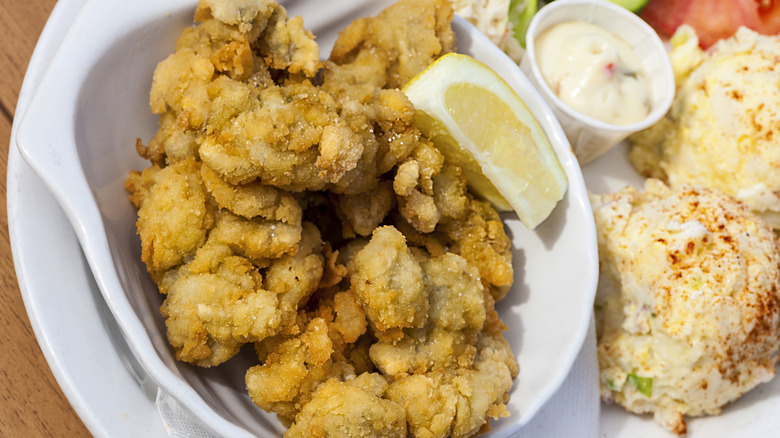
Imagine: You're going out for a couple of beers, and you're looking for an appetizer you can share with the whole table. You skip over the wings, the mozzarella sticks, and the nachos, and you instead settle on fried clams. Their crispy breading and chewy interiors make for the absolute perfect accompaniment to your drink. This is an experience you can only truly have on the East Coast, specifically in New England. Essex, Massachusetts, is said to have fried the first clams, and the dish has become a delicacy in this part of the country ever since.
Elsewhere in the country, you can certainly find fried clams, but all too often, these are clam strips — not actual, whole fried clams. These are referred to as belly clams, and they offer a much meatier fried clam experience. They're known for being particularly juicy on the inside, as opposed to the intense chewiness of clam strips.
The northern part of the East Coast has many seafood specialties, including several that we've mentioned here. But if you've never given fried clams a try, you're absolutely missing out on some of the best the region has to offer.
Classic deli sandwiches
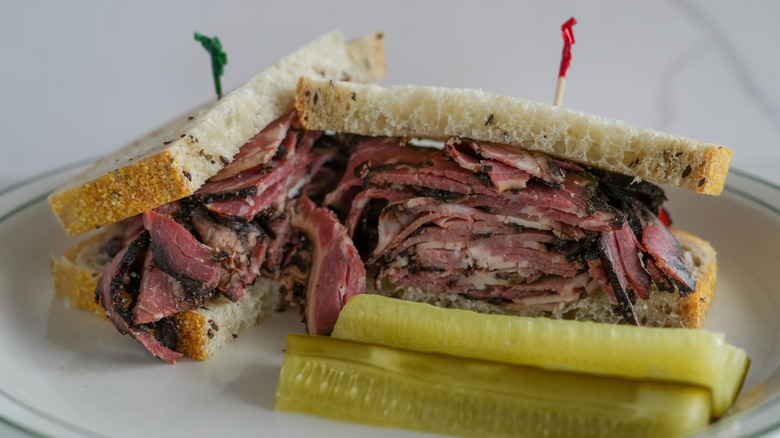
If you go to a deli in Europe, you'll probably find many different types of meats and cheeses to enjoy at home, but you're not going to be able to get a sandwich like you will at delis in the U.S. But it was European immigrants — many of them Jewish — who brought the deli to the United States, creating a whole new deli culture that sells ingredients, yes, but also provides customers with some of the most delicious food in the country. Many of these classic delis popped up all over the Northeast, notably in New York but also in the neighboring cities of Philadelphia and Boston.
There are so many types of classic sandwiches you can get at a good East Coast deli, and pastrami on rye might just be the best example. The meaty, saucy, tangy, and slightly bitter sandwich is among the most famous in NYC and a must-try when you visit the city. Other favorite deli classics include chopped cheese and chopped liver sandwiches.
While the East Coast isn't the only place in the country where you can find these types of sandwiches, they're almost never as good as the originals. Perhaps that's because so many delis have passed from family to family over the years, each generation building upon the former's legacy. And, really, I just can't imagine enjoying a pastrami on rye in L.A. like I can in NYC — it doesn't feel right.
Pizza
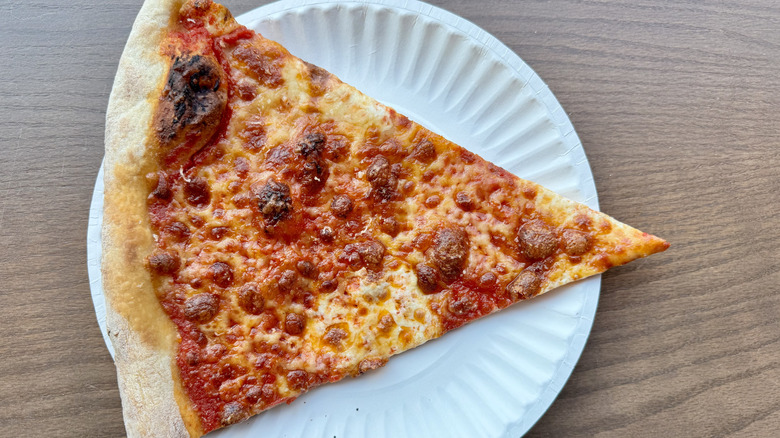
Although there are many different varieties of pizza you'll find on the East Coast, the New York variety is really at the heart of American pizza culture. The real magic is in the crust. New York-style pizza is technically thin crust, but it's not so thin that you're dealing with a paper-thin slice. Instead, there's just enough body there to create a really lovely chewiness in the slice, and it's substantial enough to hold up to plenty of toppings. However, it's also thin enough that it's foldable, making it easier to eat when you're on the go, like when you're walking down a busy city street.
As much as I can appreciate regional pizza differences, other pizza varieties will always fall flat to me when compared to a classic New York slice. Despite being one of the foods people miss most after leaving Chicago, deep dish pizza is essentially not a pizza at all but rather a saucy casserole. And don't even get me started on California-style pizza — I love the novelty, but that state seems to put any random ingredient on its pizzas and calls it a day. Honestly, it's not even a controversial take: East Coast, New York-style pizza is unequivocally the best.
Clam chowder
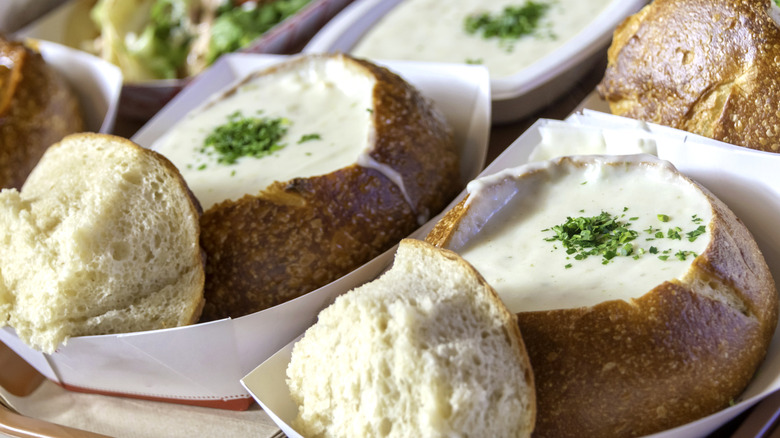
We've got another New England classic and another delicious seafood pick. But this isn't the kind of seafood you want to be enjoying along the coast during the hottest days of July. Instead, it's the type of seafood dish that you'll find yourself slurping down on those impossibly cold New England winter months. It's clam chowder, the rich, creamy soup that's studded with juicy, chewy clams (and hopefully adorned with plenty of oyster crackers). It's a dish that's native to this region of the country — it's believed that settlers from Europe or Canada brought the dish with them when they settled in New England. By the 1800s, the chowder was being served at Ye Olde Union Oyster House in Boston, which is known as the longest continuously operating restaurant in the nation's history.
There are many other clam chowder styles across the country, including Hatteras-style clam chowder, which hails from North Carolina, and Minorcan clam chowder, a variety that calls Florida home. But let's be honest: Usually, the original is better than the offshoots, and that's definitely the case when it comes to classic New England clam chowder. Its rich creaminess and the fact that it really prioritizes the clean, briny flavor of the clams make it a clear winner.
Cheesesteaks
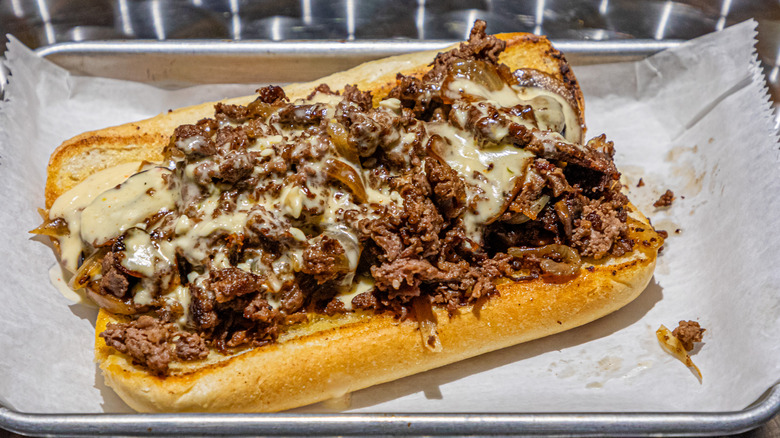
The cheesesteak, which outside of Philadelphia is more often referred to as a Philly cheesesteak, is an essential East Coast sandwich, so it only makes sense that it would be done better in its birthplace. You can find cheesesteaks in other parts of the country, even on the West Coast, but the original version is better than any of its copycats. A basic cheesesteak is made with a combo of thinly sliced beef (often ribeye), sauteed onions, and cheese. Cheez Whiz and provolone are classic options, while some prefer the creaminess of a quality American cheese.
West Coast cheesesteaks, though, try to switch things up a bit too much. They often experiment with different types of cheese — cheese that absolutely does not belong on a classic cheesesteak — and sometimes make other unnecessary ingredient additions. A cheesesteak is a very simple sandwich, and messing with the ingredients too much essentially just makes it an entirely different sandwich altogether. On the East Coast, this is a sandwich that chefs respect and therefore deface less. Ultimately, though, dishes almost always taste better when you enjoy them in the place they're from, and that holds true when it comes to a good cheesesteak.
BBQ
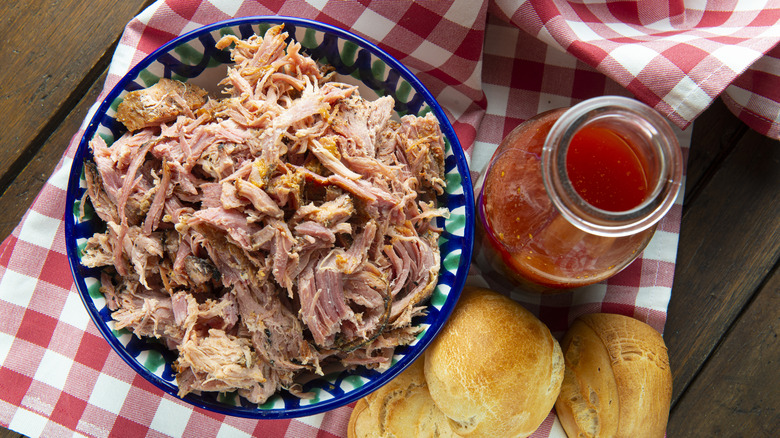
The thing about barbecue is that it's an especially contested food. With several different BBQ regions around the U.S., everyone has their favorites — whether you prefer beef or pork, whole hog or select cuts. But in my opinion, the Carolinas have the very best BBQ of them all. Head to the eastern part of North Carolina to experience the delight of whole hog cooking, where you get to taste various parts of the meat in one bite. That's because the pork is chopped and then mixed with a tangy sauce that includes vinegar and red pepper. It's not sweet, and it has a nice hint of heat to it. Lexington style also hails from North Carolina, but it's further from the coast, and it has extra sweetness from the addition of tomatoes and brown sugar.
South Carolina also specializes in whole hog cooking. What really sets this BBQ apart, though, is the special sauce. It's called Carolina Gold, and it's mustard-based, which also gives the pork a tangy touch.
Yes, Texas is excellent for brisket, but if you ask me, the best BBQ is always pork. A lot of regions have sauces that are a bit too sweet for my liking — the acidity present in these fatty, Carolina-based iterations of the dish really makes them outshine the BBQ in any other region of the country.
Whoopie pies
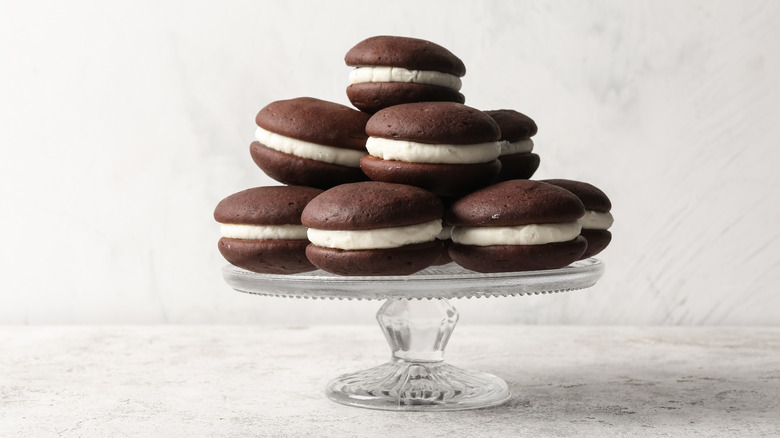
The East Coast of this country isn't just known for its savory dishes — along with cheesecake, this region also specializes in a sweet treat that's on the niche side. The whoopie pie is a Northeastern invention, and a delicious one at that. It's a dessert that involves two chocolate cookies formed into mound-like shapes. In the middle, you'll find a creamy, marshmallow-y center that's sticky and bouncy in the best way. Although its specific origins are unclear, this is a recipe that seems to have been developed in the early 1900s by the Pennsylvania Dutch or Amish community in Maine. In fact, it's a staple in the state's culinary repertoire.
But whoopie pies haven't stayed in the region. In recent decades, they've traveled west and can now be found as far away as California. It's nice that California is trying to imitate this classic, and I'm sure that former East Coasters who live there are happy to have access to at least some form of whoopie pie. But can health-focused, fresh food-loving Californians truly appreciate the decadence of a rich, ultra-sugary whoopie pie? I'm not so sure. I think it's best they leave this dessert to us.
Crab cakes
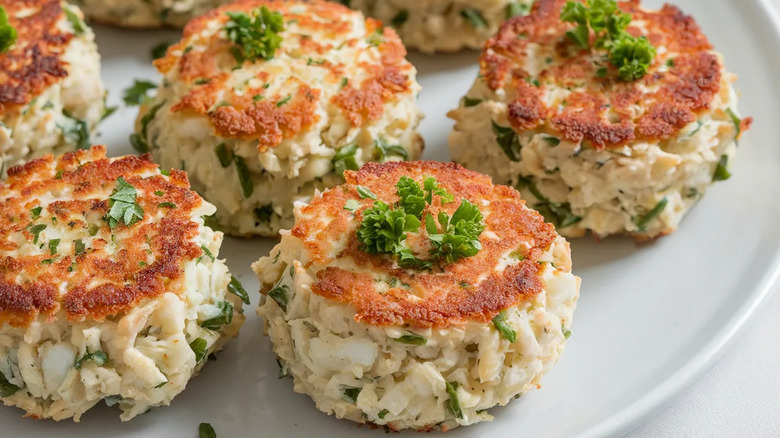
Maryland is known for its amazing crab, no matter what form you enjoy them in. But there are few East Coast dishes more iconic than a good crab cake. This dish originated in the Chesapeake region of Maryland and probably came from the indigenous communities who lived there. First of all, you know you're going to get amazing crab cakes in Maryland, specifically because the quality of the crab itself is so good. When it comes to seafood, you're going to want to work with the freshest possible ingredients, after all, so it only makes sense to eat it at the source.
But the amount of crab meat you're getting in your crab cake also matters. Those who have compared East and West Coast crab cakes claim that the East Coast variety is meatier and contains fewer fillers (like bread crumbs). That's why this is a must-order dish whenever you find yourself in Maryland.