

Blueberry Lemon Pound Cake Recipe
We may receive a commission on purchases made from links.
I never really wondered how pound cake got its name until it came up as a trivia question one night at a local bar. I sat there dumbfounded that I'd never thought about it, but as it turns out, the answer is pretty straightforward. Pound cake has origins tracing back to early 18th-century Europe, a time when simplicity was key so that recipes would be easier to memorize. The idea was that each ingredient would weigh 1 pound, and there would be just a few ingredients that make up the entire cake — easy to memorize, easy to make. The original cake had no leavening agents, no flavor additions, and certainly no sour cream. Instead, the cake relied on creamed butter and beaten eggs to rise to the dense and luscious texture now famously known as pound cake.
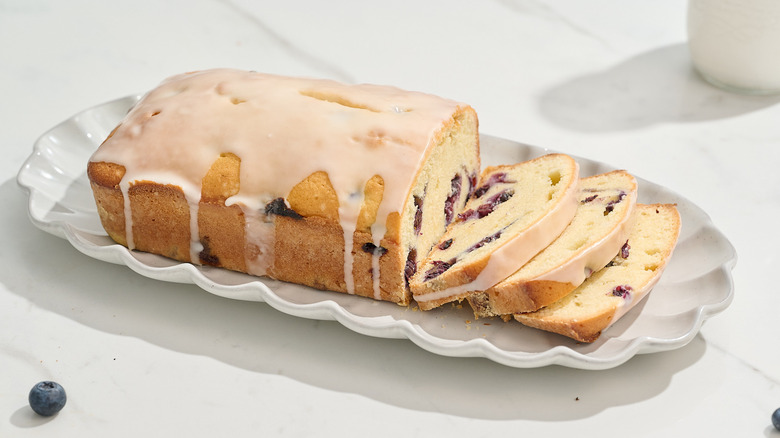
Modern takes on pound cake, like this blueberry lemon pound cake recipe, don't strictly stick to that 1-pound rule, but they often keep it pretty close. I did try to stay close to the original British recipe in using only eggs, butter, flour, and sugar. For a summery spin, I opted for a few flavor inclusions, including bright and tangy lemon and plenty of sweet, burst blueberries under a zesty lemon glaze. Buttery and rich with a perfectly dense, spongy texture, this berry-filled cake will be your go-to dessert all summer long.
Gather the ingredients for blueberry lemon pound cake
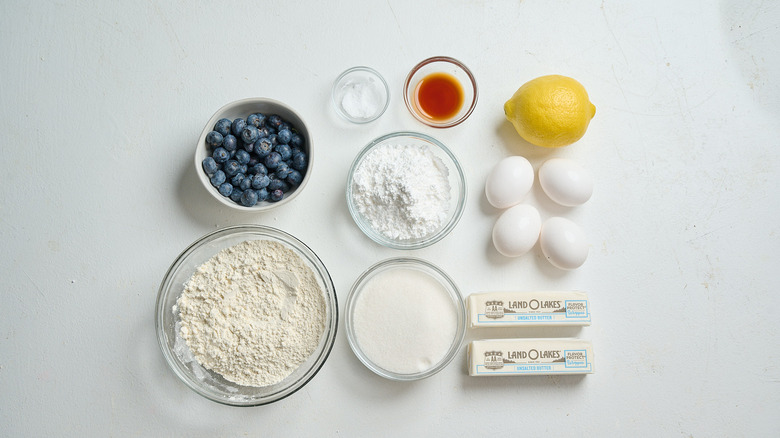
For the base of the cake, you'll need all-purpose flour, sugar, butter, and eggs. Because these are the four main ingredients and the cake relies on them alone, it is imperative to use high-quality, name-brand ingredients for the best rise and flavor. For the flavor additions and icing, you'll also need blueberries, vanilla, lemon zest, lemon juice, powdered sugar, and a pinch of salt.
Step 1: Preheat the oven
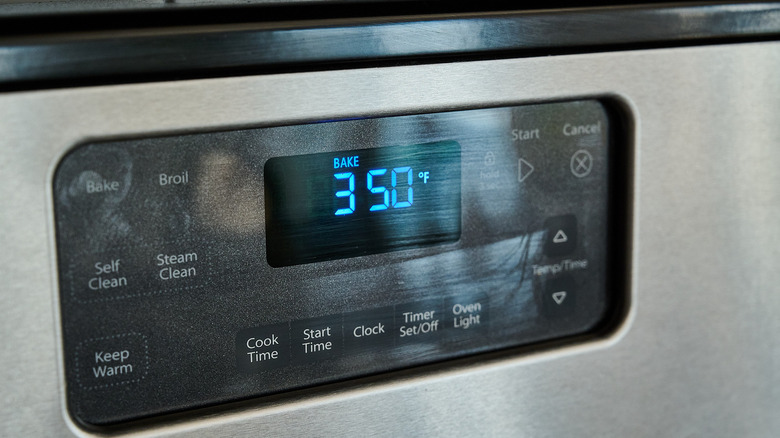
Preheat the oven to 350 F.
Step 2: Thoroughly grease and flour a loaf pan
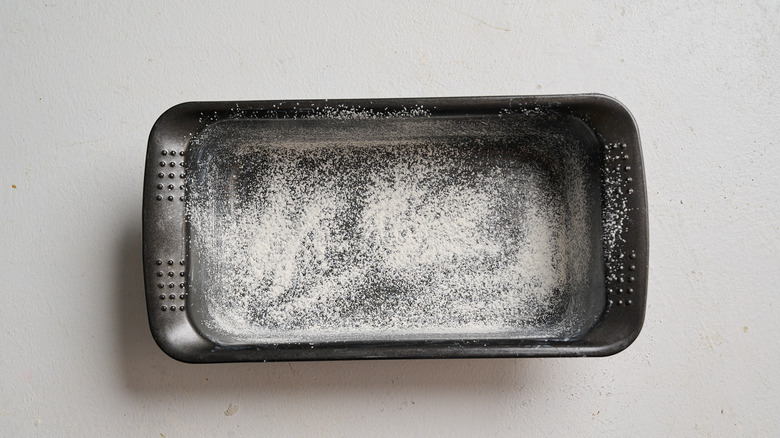
Prepare a loaf pan by coating completely with butter or baking spray, then dusting generously with flour. Shake out excess flour.
Step 3: Beat the butter
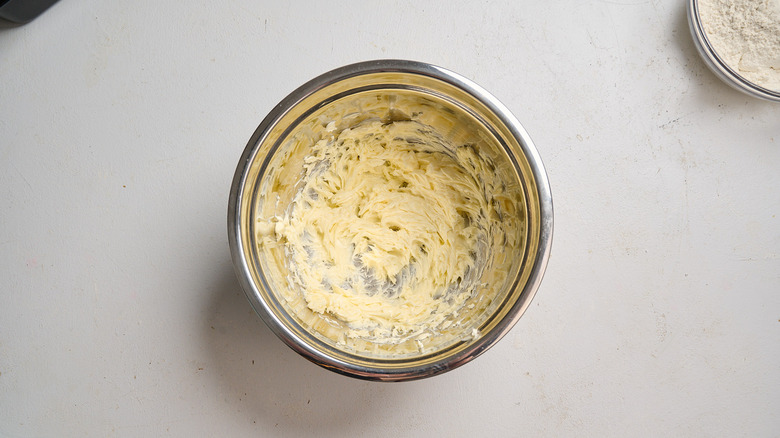
Using an electric hand mixer, beat the butter until fluffy, about 1 minute.
Step 4: Cream the butter and sugar
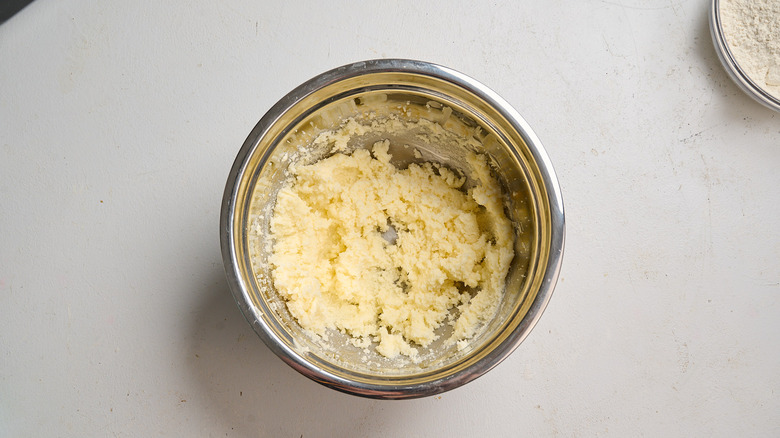
Add the sugar and cream the butter and sugar together until fluffy, smooth, and very pale yellow, about 4 minutes.
Step 5: Add the eggs
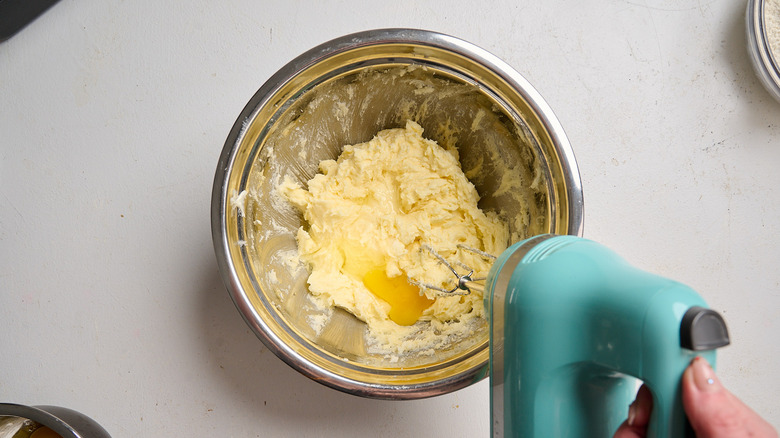
Add the eggs into the butter mixture one at a time, beating and scraping the sides between additions.
Step 6: Begin adding flour
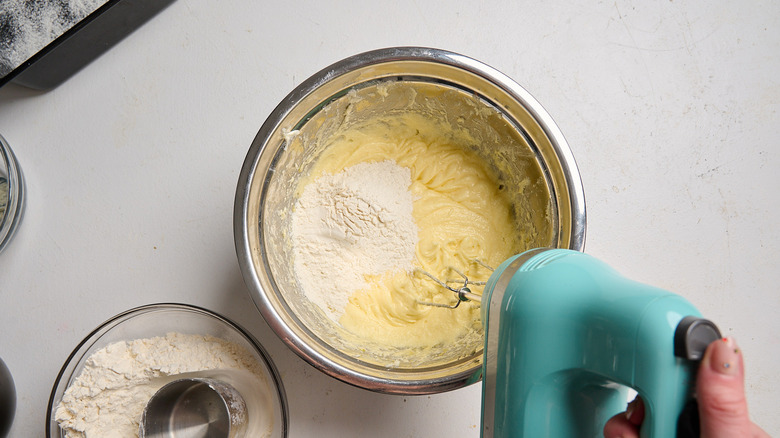
Once the eggs are incorporated, add the flour ⅓ cup at a time.
Step 7: Stir in the flavor additions
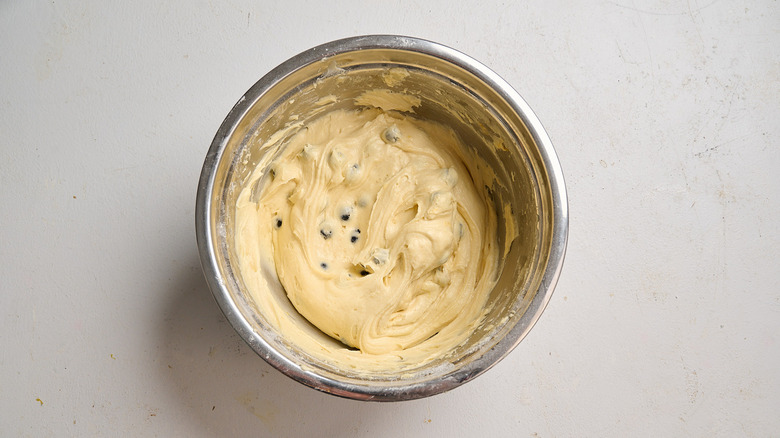
Gently stir the blueberries, ½ teaspoon vanilla, and lemon zest into the batter.
Step 8: Bake the cake
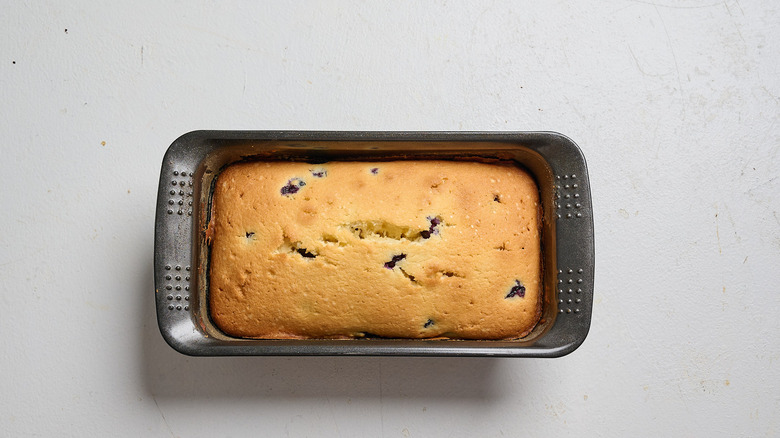
Transfer the batter to the prepared loaf pan and bake for 50-55 minutes, or until a toothpick inserted into the center comes out clean.
Step 9: Flip and cool the cake
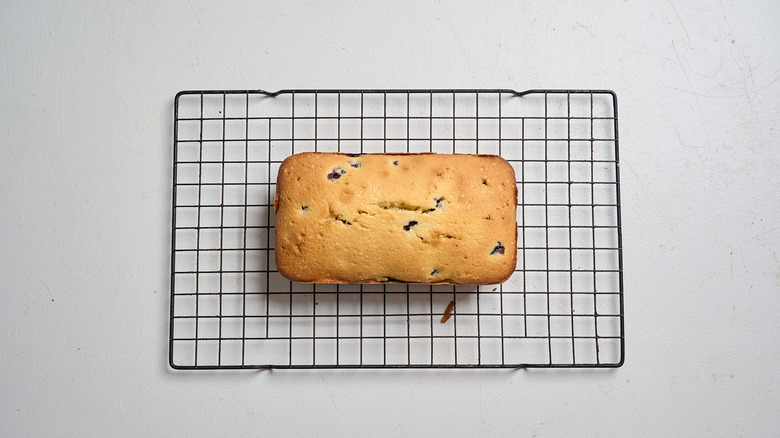
Remove the cake from the oven and let sit in the loaf pan until cool to touch. Then, flip and remove to cool the loaf completely on a wire rack.
Step 10: Make the glaze
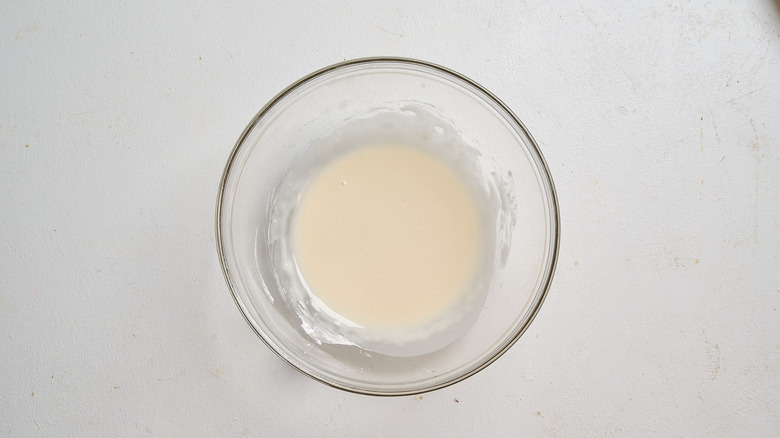
Make the glaze once the pound cake has cooled. In a bowl, whisk together the powdered sugar, ½ teaspoon vanilla, salt, and lemon juice until combined into a glaze.
Step 11: Pour glaze over pound cake before serving
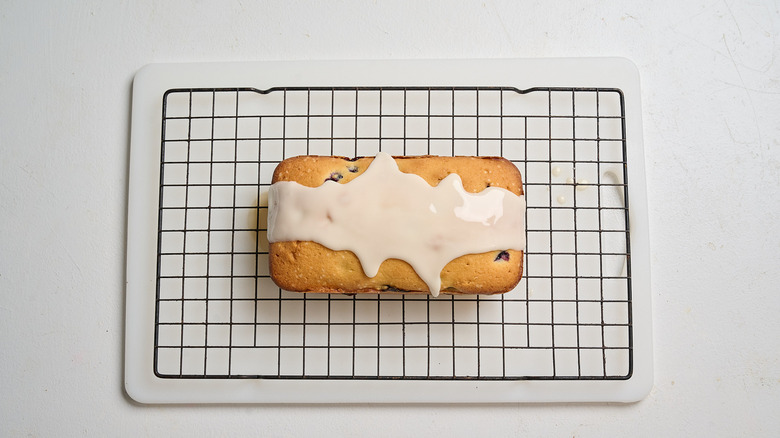
Pour the glaze over the pound cake, let harden, then slice and serve.
Pairs well with blueberry lemon pound cake
Blueberry Lemon Pound Cake Recipe
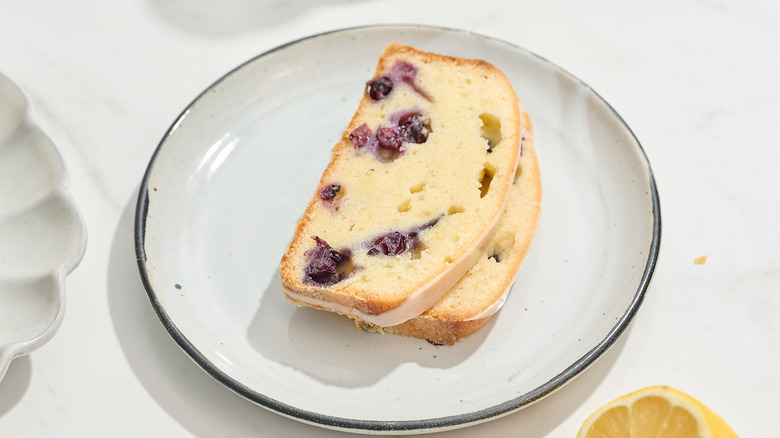
An old-school dessert gets a fresh and fruity upgrade in this pound cake, which comes infused with blueberries and lemon zest and topped with a lemony glaze.
Ingredients
- 1 cup unsalted butter, softened to room temperature
- 1 ⅓ cup all-purpose flour, plus more for dusting
- 1 cup granulated sugar
- 4 large eggs, room temperature
- 1 cup fresh blueberries
- 1 teaspoon vanilla, divided
- 1 teaspoon lemon zest
- 1 cup powdered sugar
- 2 tablespoons lemon juice
- 1 pinch salt
Directions
- Preheat the oven to 350 F.
- Prepare a loaf pan by coating completely with butter or baking spray, then dusting generously with flour. Shake out excess flour.
- Using an electric hand mixer, beat the butter until fluffy, about 1 minute.
- Add the sugar and cream the butter and sugar together until fluffy, smooth, and very pale yellow, about 4 minutes.
- Add the eggs into the butter mixture one at a time, beating and scraping the sides between additions.
- Once the eggs are incorporated, add the flour ⅓ cup at a time.
- Gently stir the blueberries, ½ teaspoon vanilla, and lemon zest into the batter.
- Transfer the batter to the prepared loaf pan and bake for 50-55 minutes, or until a toothpick inserted into the center comes out clean.
- Remove the cake from the oven and let sit in the loaf pan until cool to touch. Then, flip and remove to cool the loaf completely on a wire rack.
- Make the glaze once the pound cake has cooled. In a bowl, whisk together the powdered sugar, ½ teaspoon vanilla, salt, and lemon juice until combined into a glaze.
- Pour the glaze over the pound cake, let harden, then slice and serve.
Nutrition
| Calories per Serving | 483 |
| Total Fat | 25.7 g |
| Saturated Fat | 15.2 g |
| Trans Fat | 0.0 g |
| Cholesterol | 154.0 mg |
| Total Carbohydrates | 59.1 g |
| Dietary Fiber | 1.0 g |
| Total Sugars | 41.8 g |
| Sodium | 58.3 mg |
| Protein | 5.7 g |

Why don't I need baking powder or soda to make this pound cake?
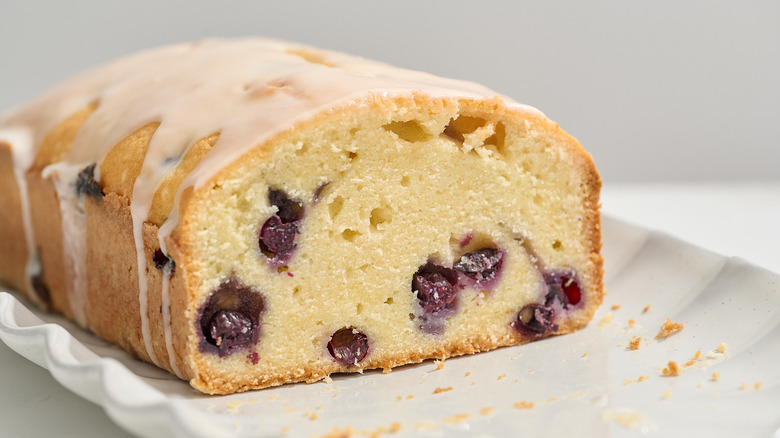
Modern pound cake recipes are often made with leavening agents, but the truth is, you don't actually need baking powder or soda to make pound cake at all. The original recipes didn't include any chemical leavening agents, relying only on the four main ingredients for its dense but fluffy rise. The key in this recipe is physical leavening, which comes into play by way of beating plenty of air into the butter. Creaming butter and sugar traps air in the fat molecules of the butter, and that air slowly releases when baking, which helps the cake achieve a rise. To ensure this works, you must cream the butter and sugar long enough to create a leavening. Once the butter is properly creamed, it will be light, fluffy, and larger in size than when you started, sometimes by double.
The other reason pound cake rises without baking powder or soda is because of the eggs, which unlike most cake recipes, are proportional to the other ingredients. Eggs also help with leavening a cake, and when whipped and emulsified into the creamed sugar, the air in the eggs causes expansion in the oven. This, combined with the steam released from the eggs when added to the oven, causes the loaf to push upward and rise into a nice dome shape.
Can I make this pound cake in a bundt pan?
Pound cakes are traditionally made in either a loaf pan or bundt pan. This recipe is designed for a standard 9x5-inch loaf pan and will not work in a standard bundt pan, which requires a higher volume of batter. The most common type of bundt pan holds about 10 cups of batter, while loaf pans hold about 8. If you need to use a bundt, I'd most recommend buying a smaller, 6-cup bundt pan, being careful not to overfill. You could also use a standard loaf pan and expect a smaller final cake.
Making this recipe in a bundt pan requires using more ingredients, which you could technically do without much issue, being that a pound cake should be relatively equal amounts of each ingredient. If you add another egg, you'll want to also add a little more butter, sugar, and flour so that each of the main four ingredients are equal (this is easiest to do by weight). Don't try to guess: Use a scale, or better, turn to a bundt-specific recipe to engineer the perfect bundt-shaped pound cake.