

How Much Can Energy-Efficient Kitchen Appliances Actually Save You? It's Complicated
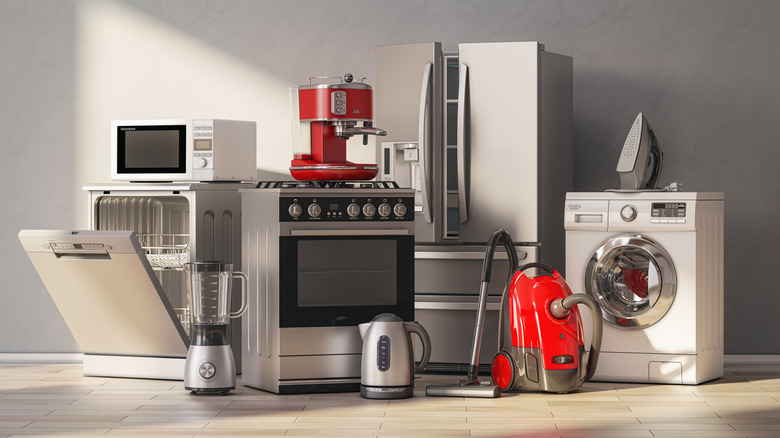
Energy Star appliances are certified after independent testing confirms they meet specific energy-efficiency requirements established by the U.S. Environmental Protection Agency and Department of Energy. These appliances use less energy — and often less water — to perform the same tasks as standard models. As a result, they can lower your utility bills, reduce greenhouse gas emissions, and make your home more environmentally friendly. However, there is a lot of misinformation online about how much money you'll actually save by switching to energy-efficient kitchen appliances, and there is no easy or universal answer as to the exact dollar amount you'll save each month or year.
Energy-efficient kitchen appliances are a long-term money-saver, but the amount depends on several factors, including the specific appliance you buy, its size and model, its Energy Star certification, how often you use it, how well it's maintained, and, of course, the utility rates where you live. Larger appliances and those used every day (or multiple times a day) will obviously consume more energy and cost more than smaller appliances. Some brands also offer energy-saving features not available from competitors, while certain models within the same brand may be more advanced and efficient than others. An appliance that is improperly installed, poorly maintained, or repaired with low-quality replacement parts may experience a decline in efficiency and cost more to operate. To maximize savings, read the Energy Star label carefully, compare estimated operating costs with your current appliances, and make sure you maintain it according to the manufacturer's instructions.
Pay careful attention to the appliance's Energy Guide label
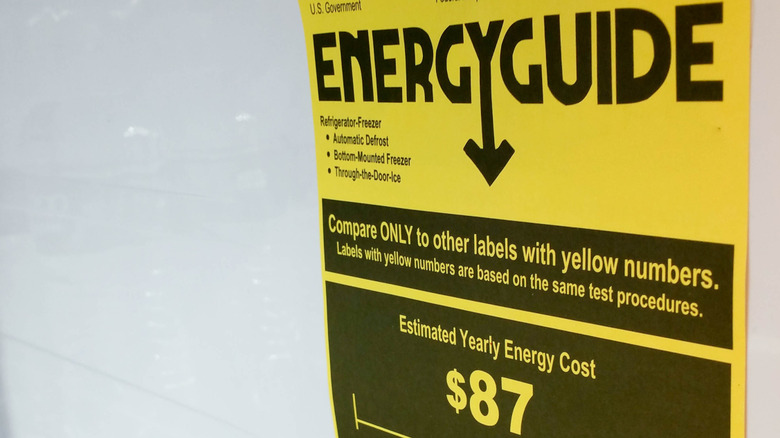
Any appliance that has been certified by Energy Star will display the organization's logo along with the familiar yellow Energy Guide label. Knowing how to read this label makes it easier to compare appliances and avoid wasting more money than necessary on new kitchen equipment. The label lists the appliance's estimated annual operating cost, estimated annual electricity use in kilowatt-hours (kWh), and, where applicable, natural gas use. Your actual monthly, yearly, and lifetime operating costs will vary depending on local utility rates and how frequently you use the appliance. Comparing the Energy Guide estimates with your recent electricity, water, and natural gas bills can help you determine whether a new appliance is likely to reduce your household's operating costs.
For instance, a standard-size Energy Star dishwasher only costs around $50 per year to operate and can save up to 5,800 gallons of water over its entire lifetime, according to Energy Star. Energy Star-certified cooking appliances are about 18% more energy efficient than those without. Refrigerators with Energy Star certification are approximately 9% more energy efficient than non-certified models, while certified beverage coolers can be up to 20% more efficient. An Energy Star-certified refrigerator can also save you as much as $150 in energy costs over its lifetime. Standard freezers are about 10% more efficient that comparable non-certified models. Energy Star estimates that an upright freezer may cost around $60 per year to operate, while a chest freezers may add $30 per year to your overall energy bill. You can also use Energy Star's Product Finder to compare efficiency ratings and operating costs among certified appliances.
Follow the appliance manual's recommendations for usage and maintenance

You can maximize annual and lifetime energy savings by using and caring for your appliance properly. Reading the appliance manual is an often-overlooked step that can help kitchen appliances last longer, so follow the manufacturer's recommended maintenance schedule. Ensure the appliance is installed according to the manufacturer's specifications and use it only as directed. When repairs are needed, using manufacturer-approved replacement parts can help maintain performance and efficiency. An appliance that is used correctly, cleaned regularly, and properly maintained is more likely to operate efficiently, last longer, and deliver the energy savings you expected.
You can also follow energy-saving measures in the kitchen to make appliances even more efficient and sustainable: Don't leave the refrigerator door open for long periods of time, use cookware that's appropriately sized for each burner, cover pots and pans while cooking, and avoid repeatedly opening the oven door during baking or roasting. You should also know how to load the dishwasher properly, when to choose the heavy cycle setting or eco setting, and to run it only when you have a full load. Regularly clean your stovetop and oven, clean refrigerator coils, defrost your freezer, and check the seals and gaskets on appliance doors to confirm they are tight and in good condition. If you're looking for even greater savings, upgrading to LED lighting, installing water-efficient faucets, or considering a solar water-heating system where practical can further reduce household energy and water use.