

10 Myths About Berries Shoppers Keep Believing
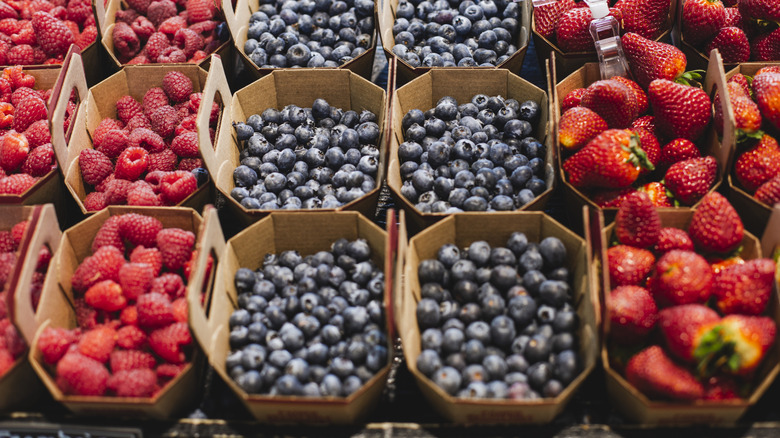
Fresh berries bring plenty of sweet-tart goodness and bold color to the table, whether you're scattering them onto breakfast bowls, blending them into smoothies, or baking them into desserts. Ideal for packing nutrients into meals and snacks, these vibrant fruits are a staple for many, with blueberries, strawberries, raspberries, and other juicy delights featuring on the grocery list week after week.
When you're selecting a punnet of berries at the store, you may well have a few ideas about what makes one container better than the other. While there are indeed telltale clues that can indicate fresher and more flavorful fruits, there are also many common misconceptions. And, once the berries make it back to your kitchen, you'll likely have your go-to methods of storing and preparing them. But are these habits really as effective as they seem?
To help you get the best out of your berries, we've uncovered 10 of the most common myths that often lead shoppers astray. So, let's find out what really matters, and which assumptions you can leave behind. You'll soon be browsing the fruit aisle with confidence, and whipping up berry-packed treats that deliver on taste, presentation, and nutritional value.
1. Bigger means better
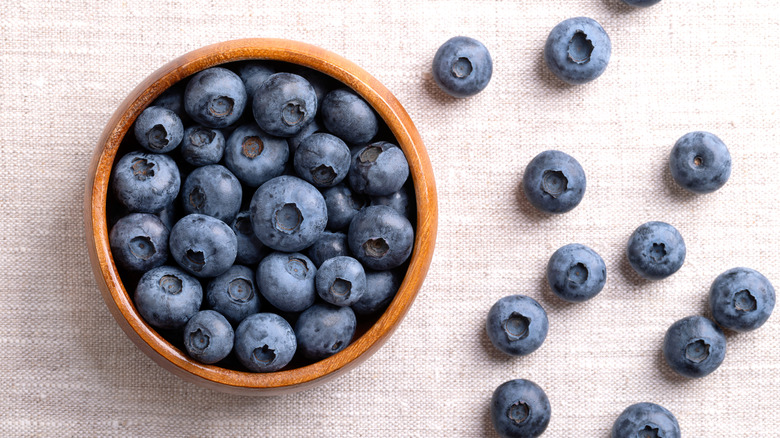
There's no denying the appeal of an extra-plump, juicy berry, but contrary to popular belief, a larger size doesn't always indicate a higher-quality fruit. Giant blueberries and strawberries might look tempting, but this pleasing aesthetic can sometimes come at the expense of flavor and nutritional value.
In the case of blueberries, larger fruits tend to be cultivated versions, where appearance is often prioritized over taste. Wild berries, however, are much smaller in size. These boast a far superior flavor, with a bolder sweetness and tang that sets them apart from the more prevalent farmed fruits. Smaller berries can also offer more in the way of nutrients. Blueberry skin is packed with antioxidants, and with a smaller size equalling a higher ratio of skin to pulp, this means every berry delivers a more concentrated dose of those beneficial compounds.
It's a similar story with strawberries. Once again, an impressive size won't necessarily translate to optimum taste, with smaller berries often being more flavorful than their larger counterparts. Generally, factors like texture, color, and aroma are more important in determining quality than size.
2. Fresh berries are more nutritious than their frozen counterparts
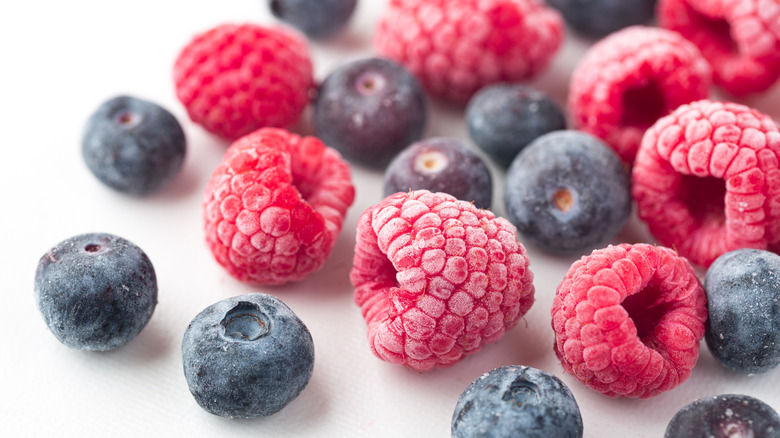
Frozen berries are a wonderfully convenient option, perfect for storing in the freezer and grabbing whenever you need a sweet-tart boost. While they'll obviously keep for much longer than their fresh counterparts, frozen berries are dismissed by some shoppers, who believe that freezing diminishes nutritional value. However, the reality couldn't be more different.
Frozen berries are actually often more nutritious than fresh versions. This is because the fruits tend to be picked at peak ripeness before they're swiftly frozen. This helps lock in those all-important nutritional benefits. On the other hand, fresh berries have been stored chilled for longer before they reach your kitchen, which can cause nutrient levels to decline.
As well as potentially being a healthier pick, frozen berries offer other benefits. They're ideal for tossing into smoothies, where they lend a thicker texture to the blend than fresh fruits. Plus, they don't require washing before use. Opting for frozen versions can save you money in the long run, too, since they're less likely to spoil and go to waste.
3. They're high in sugar
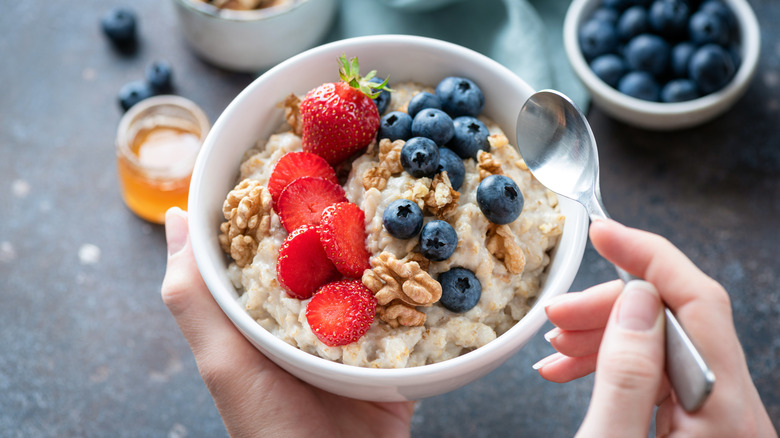
Those trying to cut back on sugar might think that eliminating all fruit from the diet is a smart choice. It's easy to assume that a juicy, flavor-packed strawberry or raspberry is loaded with natural sugars, but as fruits go, berries are typically amongst the lower-sugar options.
Blackberries, raspberries, and strawberries all contain between 4 to 5 grams of sugar per 100-gram serving. This is around ⅓ of the amount of sugar found in an equal weight of grapes. These berries are also significantly less sugary than mangoes, bananas, or peaches. Blueberries tend to come in slightly sweeter, at around 10 grams of sugar per 100 grams, but they're still relatively modest compared to many other popular fruits.
Berries deliver natural sweetness alongside fiber, vitamins, minerals, and antioxidants, so enjoying their moreish taste comes with a whole host of valuable health benefits, from lower blood pressure to improved immune function and reduced inflammation. The presence of fiber in the fruit also slows the absorption of sugars into the bloodstream, so you get a steadier release of energy than you would if consuming sugar in highly processed formats.
4. All berries should be washed as soon as you get them home
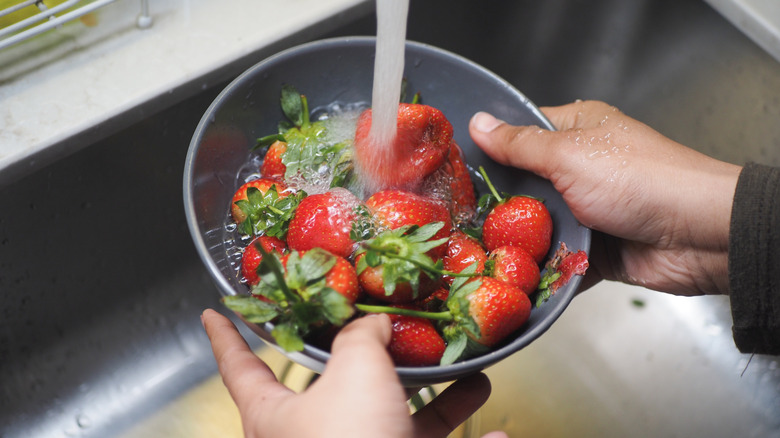
Washing berries is essential for removing dirt, pesticides, and other unwanted surface contaminants, but the timing of this step matters. It's tempting to get the cleaning out of the way when you first unpack the berries from your shopping bag, but this isn't typically the best approach. In fact, washing the fruits too early could negatively impact their freshness.
Wash your berries too early, and any excess moisture left on the surface could encourage mold growth, thus causing the fruits to spoil more quickly. In most cases, it's best to wash berries just before you plan to use them. A thorough rinse under cold, running water will do the trick, leaving everything free of debris and ready to eat.
Some people like to rinse their berries in a diluted vinegar mixture before storing them. While not essential, this can be useful for extending freshness if your berries are already looking a little soft. It's important to dry the berries completely after rinsing, and storing them in a well-ventilated container with a layer of paper towels at the bottom can further aid in reducing excess moisture.
5. A white coating on blueberries means they've gone bad
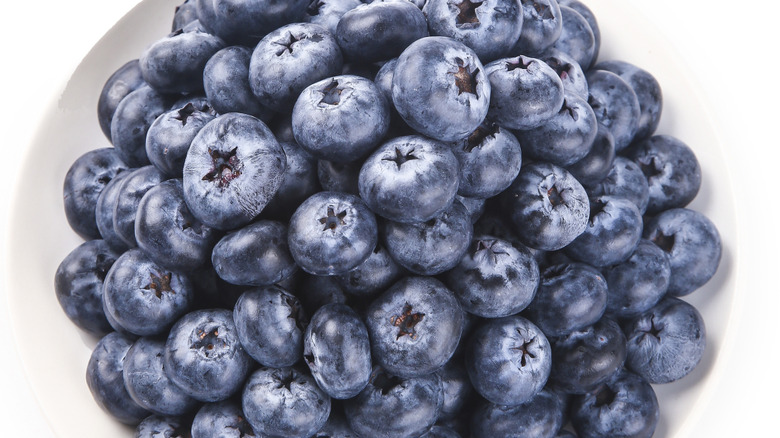
If you regularly eat blueberries, you may have encountered a powder-like white coating on the surface of these fruits. It might look a little alarming, but this film is completely harmless. The naturally occurring white layer, known as a "bloom," helps to protect the berries from spoilage by keeping moisture in and pathogens out. It also locks in flavor and protects the fruit, so a more prominent coating can actually be a sign of better-quality fruit all around.
As berries are harvested, packed, and transported, the inevitable movement can rub away the bloom layer. The white coloring isn't always present by the time the fruits are sitting on grocery store shelves. Hand-picked blueberries are more likely to come with the bloom intact, and therefore tend to stay fresher for longer. Rinsing blueberries will remove the bloom, too, so this is another reason to leave them unwashed until you're ready to enjoy them.
6. Strawberries ripen further after picking
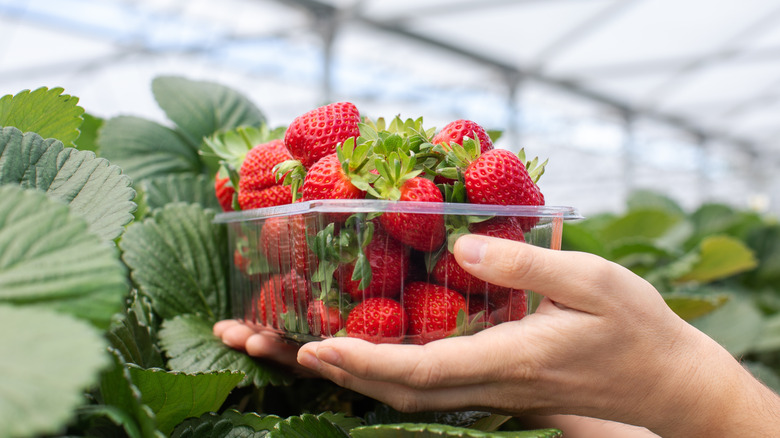
Many fruits continue to ripen long after they've left the plant, but strawberries are a notable exception. Once picked, these fruits are as ripe as they'll ever be. They won't gradually soften and sweeten in the fruit bowl, so the timing of the harvest is crucial for achieving optimal flavor.
Strawberries are classed as non-climacteric fruits, alongside pineapples, watermelon, and many other types of berries. These fruits produce very small amounts of ethylene (the gas that promotes ripening) post-harvest. Climacteric fruits, such as bananas, kiwis, and pears, produce much greater quantities of ethylene, making them ideal for home-ripening.
Because freshly-picked strawberries won't ripen further, they also spoil more quickly than many other fruits, especially when stored at room temperature. Once you get your punnet home, refrigerate the berries as soon as possible to extend their shelf life and prevent mold growth. You could even wash, hull, and freeze the strawberries if preferred, to lock in flavor and nutrients for longer.
7. Strawberries and raspberries are true berries
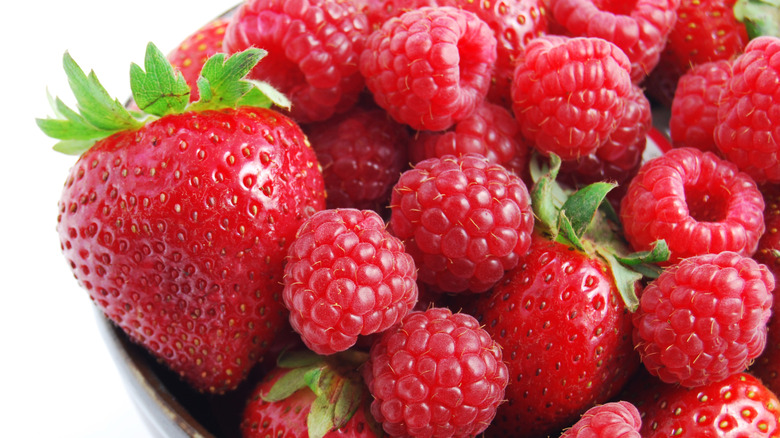
In culinary terms, strawberries and raspberries are considered berries, but from a botanical perspective, this isn't strictly true. If you delve into the science, there are specific criteria that a fruit must possess to be deemed a berry, and neither strawberries nor raspberries fit the bill.
True berries grow from flowers with a single ovary, but strawberries and raspberries are aggregate fruits, which means their flowers instead have multiple ovaries. This also applies to blackberries and mulberries, which again are not technically berries. Confusingly, a number of unlikely candidates, such as avocados, bananas, and pumpkins, meet the botanical definition of a true berry, despite their completely different applications in the kitchen. The humble blueberry's name does, however, make scientific sense. These fruits are considered berries in both culinary and botanical terms, as are cranberries, gooseberries, and elderberries.
8. Black currants aren't as versatile or nutritious as other berries
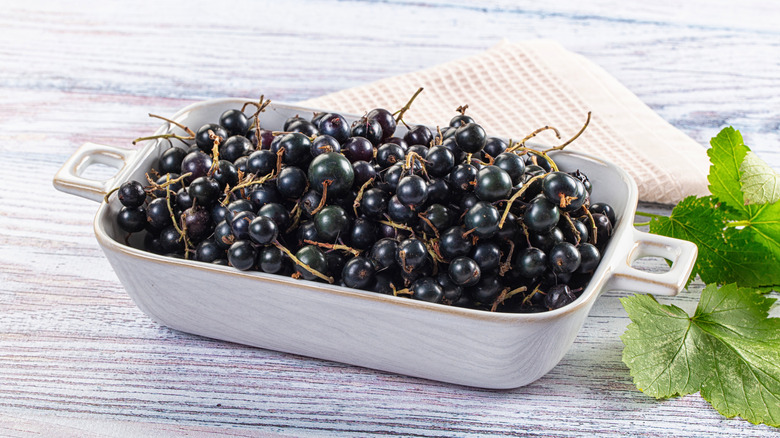
From 1911 to 1966, growing black currants was illegal in the United States. The ban was put in place to prevent the spread of a fungus that had wiped out vast areas of pine forest, and while these drastic measures were effective, they also meant Americans missed out on the sweet-tart deliciousness of these berries for decades. Today, restrictions have been lifted in many states, thanks to new breeding and growing methods that have improved disease resistance. Black currants are slowly making their comeback, but they're still nowhere near as popular as familiar favorites like blueberries, raspberries, and strawberries.
If you can get hold of black currants where you live, these flavor-packed berries absolutely deserve a place in your kitchen. Not only do they boast a distinctly tart, complex taste, but they're packed with nutrients too. Black currants are incredibly high in vitamin C and are an excellent source of anthocyanins, which may help to lower blood pressure and reduce the risk of developing heart disease. These berries are incredibly versatile, too. You can simmer them into jams, toss them into baked goods, or blend them into ice cream, where their natural tartness works beautifully alongside other sweet ingredients.
9. Juicing berries is as healthy as eating them whole
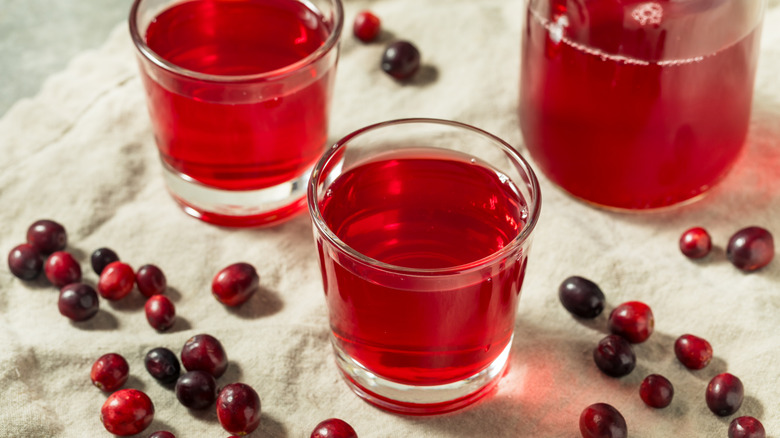
Juicing was all the rage in the 1990s and early 2000s, with countless juice detox programs claiming to boost health and promote rapid weight loss. This technique quickly became viewed as a convenient and delicious way to enjoy the health benefits of fruit, but behind the hype, juicing isn't quite as valuable as it seems.
When fruits like berries are juiced, they're stripped of their solid components. The resulting liquid is still full of vitamins and minerals, but the fiber lies in discarded pulp. So, when we sip on a fiber-free juice, the fruit sugars get absorbed into the bloodstream much more quickly. These sudden spikes in blood sugar can have negative effects and may even increase the risk of developing type 2 diabetes. What's more, making a single serving of juice typically requires more fruit than you'd usually eat in one sitting, so it's easy to consume far more sugar than you realize.
To preserve the fiber in your berries, try blitzing them into smoothies instead. This way, you get the nutritional benefits of the whole fruit, while still enjoying everything in a refreshing drinkable format.
10. The redder the strawberry, the sweeter it'll taste
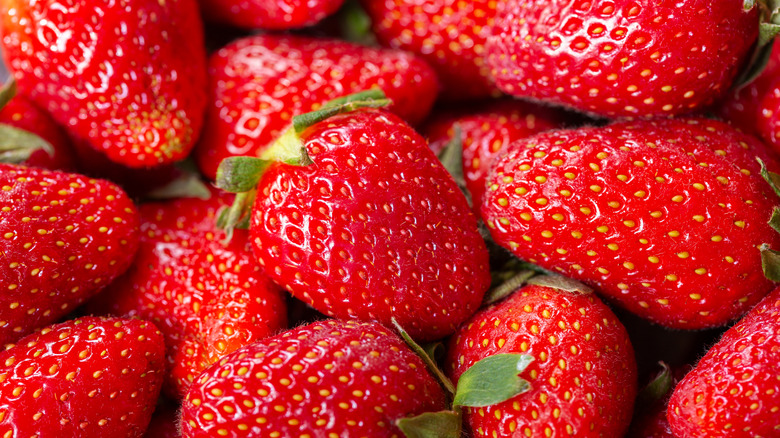
We've all been seduced by a particularly vibrant, ruby-red strawberry sitting at the top of the punnet. Surely, a deeper hue must equal a superior level of sweetness? It's a common assumption, but there's far more to selecting the perfect strawberry than assessing its color. A bright red hue can certainly be a positive sign, since this indicates ripeness in many varieties. But, ripeness doesn't always equal sweetness, with other variables like growing conditions and genetics also coming into play. That's why it's important to consider factors like aroma and texture when choosing strawberries.
The sweetest, most flavorful strawberries will be firm to the touch with a bright, glossy appearance, and no signs of browning or wrinkling. They'll also possess a distinctly sweet, floral aroma. If you're detecting any funky, fermented notes, the berries are probably past their best. Bear in mind that some varieties of strawberries are white or golden upon reaching peak ripeness — another reason why you shouldn't rely on color alone as an indicator of flavor.