

7 Meals That Are Actually More Expensive When You Make Them At Home
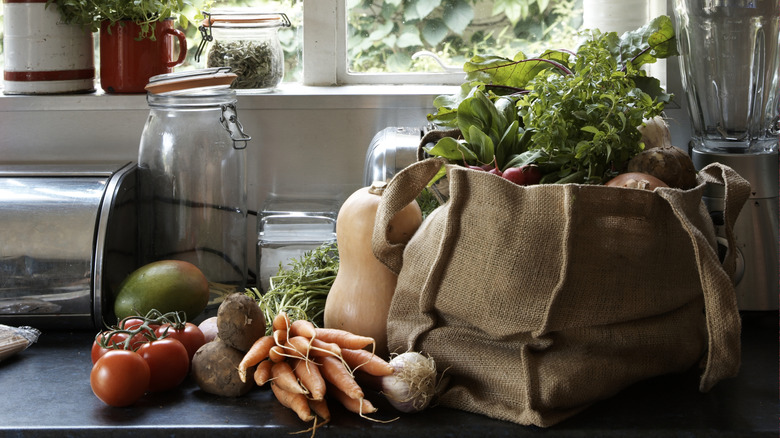
We don't typically go out to eat in an effort to save money, but some restaurant dishes are actually more affordable to order out than to make at home. Once you break down the long list of ingredients, specialty gear, and laborious prep work just one recipe would cost you at home, the restaurant can end up being the better deal. Some simple recipes, like pancakes or tomato soup, are almost always cheaper when prepared in your own kitchen, but intricate dishes like multi-day tonkotsu ramen and sauces with over 20 ingredients could double your grocery cost and take up a lot of time.
Flavor-wise, these dishes don't have much in common, but they each call for fresh, specialized ingredients that are hard to source. Once you locate these ingredients, they may be wildly expensive or only come in bulk quantities, meaning the leftovers will end up collecting dust in your cabinet. Plus, restaurants have access to commercial-grade equipment, a network of wholesalers, and an entire team dedicated to making you the perfect dish — meaning some dishes are better left in their hands. These dishes would be fun to make at home if you have an entire weekend to spare, but if you've considered making any of these meals with the intention of saving money, turn around and head to a restaurant that actually knows what they're doing.
Sushi
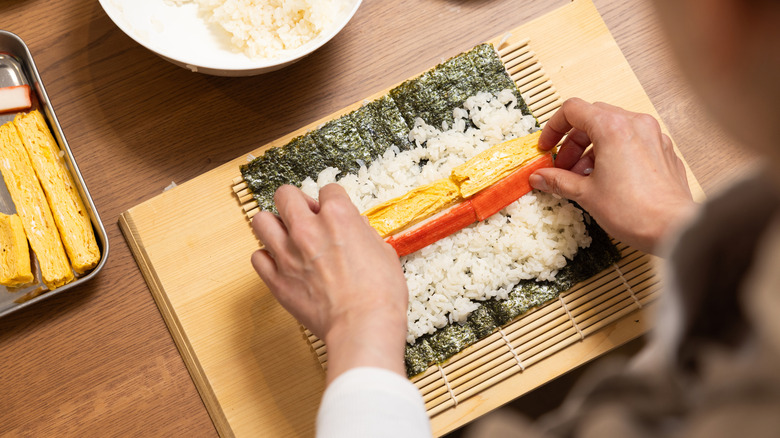
Sushi looks deceptively simple, and while a piece of sake sushi technically is (it's just salmon and rice), it requires highly trained chefs and pricy sushi-grade fish. Atlantic salmon can run around $17 per pound or so at Whole Foods, whereas just 8 ounces of sashimi-grade salmon can run up to $35. Some of the best fish available in your area might not even be accessible to at home chefs.
Sashimi-grade is a step about sushi-grade fish, but both are safe to eat raw. Regardless, a local fish market or specialty grocer won't give you the same deal that restaurants are scoring with their trusted suppliers, and fishmongers are guaranteed to be more experienced with seafood than the average grocery store clerk. A restaurant's fish buyer likely knows exactly where the salmon was caught and how it was handled, so you can trust that sushi-grade label.
After the prized fish comes everything else: short-grain sushi rice, rice vinegar, soy sauce, mirin, tobiko, and real wasabi that isn't squeezed out of a tube. The tedious process relies on bamboo rolling mats and an extra sharp knife, so there's just two more things that will need to be added to the shopping list. By the time all the components are assembled, you may have well as treated yourself to a nice omakase for the same price.
Dim sum
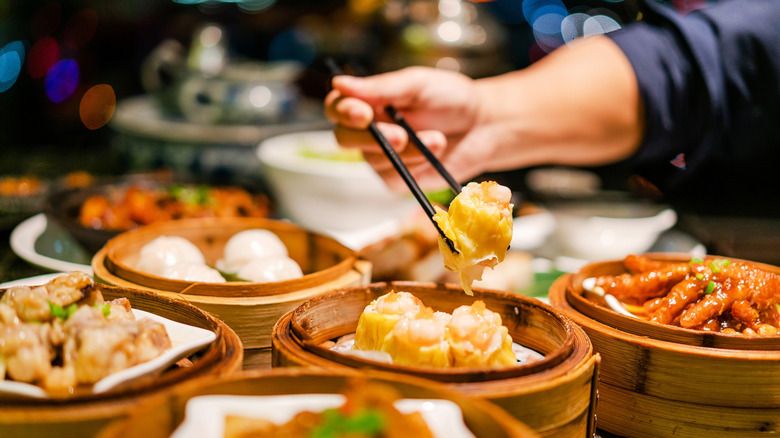
Aside from the fact that going out for dim sum is half the fun, it's a seriously costly operation to make at home. If you're only craving one specific dish, like siu mai, then you may be able to get away with making it at home for less. But if you want the whole experience a little taste of everything, you're better off going to your favorite Cantonese restaurant for dim sum.
A proper dim sum spread means har gow, siu mai, char siu bao, turnip cake, egg tarts, rice noodle rolls, and a few more at minimum. Each has its own dough and filling with a long list of ingredients, some of which might be hard to track down, like tapioca starch, dried shrimp, or fermented bean curd. Pre-made dumpling wrappers help bring costs down, but they can't bridge every gap. The dried and preserved ingredients alone — lạp xưởng, dried scallops, XO sauce – can be genuinely expensive in small quantities. Restaurants buy in volume and have dim sum-trained chefs whose entire job is mastering dumplings with the speed and precision of a machine.
Anything with mole
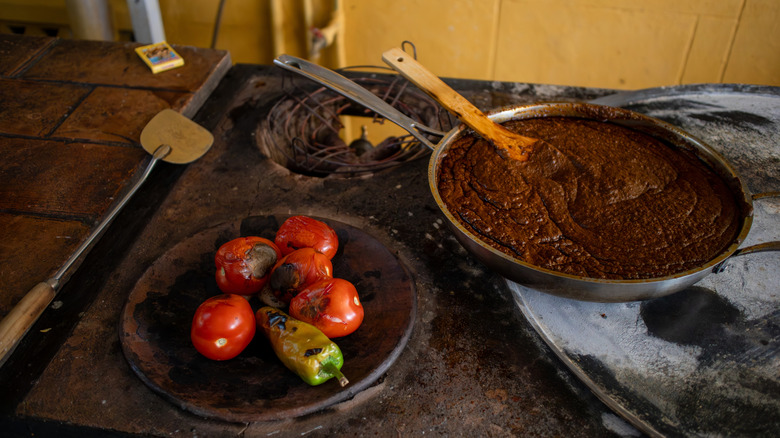
A traditional mole negro can contain upward of 30 ingredients – multiple varieties of dried chiles, Mexican chocolate, tomatoes, tomatillos, onion, garlic, cumin, cloves, cinnamon, black pepper, sesame seeds, pepitas, plantain, raisins, day-old bread or tortilla for thickening – the list goes on. Not only are there seemingly endless ingredients, but each needs to be toasted, soaked, or charred before being tossed in the blender. The dish can end up taking an entire afternoon just to prep. Many of these ingredients are sold in quantities far larger than what a single batch requires, leaving home cooks with enough leftover ancho chiles to sustain the whole neighborhood.
Making mole involves roasting, frying, soaking, blending, straining, and simmering layer after layer of ingredients until the sauce develops its famously deep flavor. The entire mole negro process can take up to three days. Restaurants can justify this process, considering they prepare huge batches and use commercial equipment powerful enough to puree stubborn ingredients into velvety perfection. Plus, they're ultimately profiting off their hard work and may have a recipe that's been refined over years, if not generations.
Phở and ramen
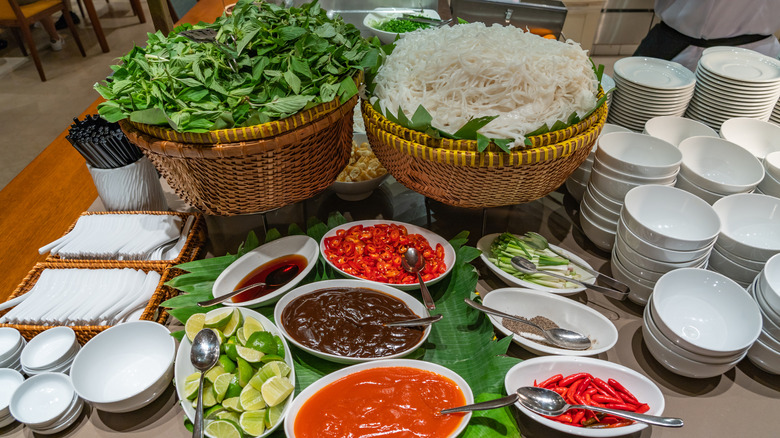
This isn't a broth that can come in a can. A proper tonkotsu ramen broth requires pork bones simmered at a rolling boil — not a gentle simmer but an aggressive boil — for anywhere from 12 to 18 hours to achieve that earmark cloudy, rich consistency. At-home phở is another huge investment, as it relies on beef bones simmered with charred onion and ginger, star anise, cloves, cinnamon sticks, and fish sauce. This is all in a day's work, and that's before a single noodle hits the bowl.
Then there are the toppings, which can add up fast. Ramen might call for chashu pork, which is its own multi-hour project, soft-boiled marinated eggs, nori, bamboo shoots, and fish cakes. For phở, you'll want to add thinly sliced beef, tendon, tripe, fresh herbs, bean sprouts, lime, and hoisin. The math isn't in your favor, and the family-owned restaurant down the street has probably been simmering broth longer than you've been enjoying it.
Smoked brisket
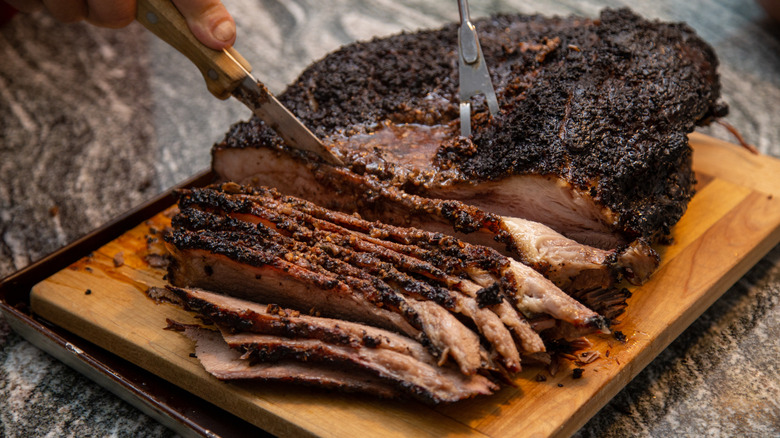
If you've ever opened your window to the smell of a neighbor smoking brisket, you may have been tempted to take the challenge on yourself. But if you want to save money, you might want to keep supporting your local barbecue joint instead.
Meat that falls right off the bone takes time, and time is money. A properly smoked brisket is delicious, but it's not a cheap at-home undertaking. It starts with the brisket itself, which is one of the pricier cuts available and is typically sold whole, which means you're committing to a significant piece of meat from the jump. An entire brisket can cost $5 or $6 per pound, and an 8-pound pre-smoked brisket can run up to $230, but if you don't have a smoker setup at home, you'd have to go with the costly latter.
One of the biggest frustrations after dropping a good amount of money on a piece of brisket is watching it shrink down during cooking. Brisket can sometimes lose up to 40% of its weight, so that can feel like money disappearing in front of your eyes. The smoker is its own investment, which can cost hundreds, and the fuel, whether wood or pellets, isn't cheap either. Restaurant-level brisket takes patience and practice — something that you can't put a price tag on.
Fried chicken
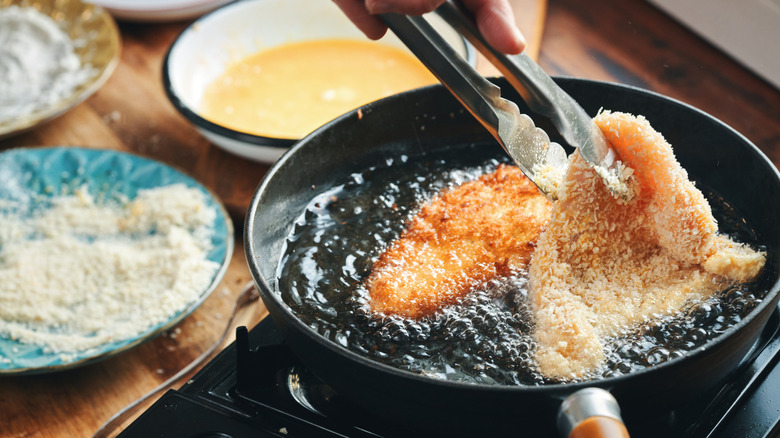
Fried chicken feels like it should be cheap, given that the ingredients are all pantry staples, but once you factor in the time and effort, the costs start sneaking up on you. While a whole chicken can go for as low as a few dollars per pound, breaking the bird down is time-consuming and messy. To save time, home cooks tend to opt for separately packaged wings and thighs, but that convenience comes at a higher price tag.
For delicious buttermilk fried chicken, the 12-hour brining process is a must, but busy schedules say otherwise. Between the elaborate breading, constant hand-washing, and stack of dishes, making fried chicken at home isn't all it's cracked up to be. Labor aside, neutral oil can be an unexpected cost, and a proper deep fryer or a Dutch oven is yet another hefty investment. To avoid a smoke-filled kitchen and burnt fried chicken, frying oil will need to be switched out every few batches. Don't forget to factor in the classic fried chicken batter seasonings like paprika, cayenne, garlic powder, white pepper, and all your family's secret ingredients, plus the labor of dredging, frying in batches, and managing oil temperature. By the time you're done, you might not even be hungry for fried chicken anymore. Save yourself the trouble and dollars and head to your favorite smokehouse instead.
Korean barbecue
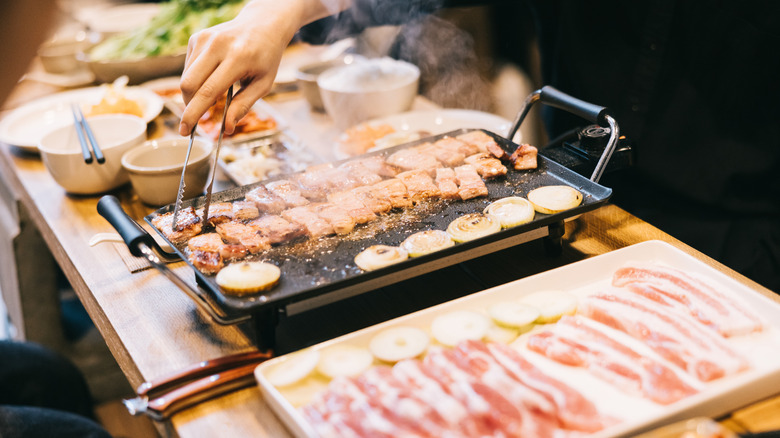
Making Korean barbecue at home may sound like a blast, but in practice, it can quickly become one of the most expensive dinner parties imaginable. The meal usually includes multiple cuts of meat like short ribs, pork belly, brisket, bulgogi, and spicy pork — each with its own separate marinades and seasonings. Korean barbecue without banchan isn't really Korean barbecue, which means you're also sourcing ingredients for kimchi, japchae, pajeon, bean sprout salad, spinach, pickled radish, and however many other small plates you want to serve. Every little side dish adds another item to your grocery list.
Plus, many of the ingredients, like quality gochugaru, fermented pastes, and sesame leaves, aren't available in small quantities at standard grocery stores. Restaurants have quite the advantage here because they prep huge quantities of banchan and buy meat wholesale. Korean barbecue has earned its popularity, but, like dim sum, it's all about the experience. Many all-you-can-eat restaurants can offer staggering spreads at prices home cooks would struggle to replicate even before splurging on a tabletop grill.