

10 Cheapest Fruits To Grow In Your Garden This Year
We may receive a commission on purchases made from links.
When you see the prices of fresh fruit in stores, particularly some of the more seasonal delicacies, it's enough to make you want to become self-sufficient. And growing your own produce can be a way to save money, provided that you're smart about it. By the time you get to the point of picking that ripe fruit, you have to consider what you've spent along the way, including garden supplies, water, and your time.
When considering the cheapest fruit to grow, you want something that's high-yielding, low-maintenance, and ideally fast-growing. Cheap can also be relative — if a fruit is generally affordable and available in stores, it's probably not worth the effort and garden space to grow it yourself.
Plants that can be grown from seeds offer the lowest initial investment, even more so if you can use the seeds from store-bought produce. These might need to be planted each year, but you won't need to buy seeds again. Some fruits need to be grown from cuttings, seedlings, or saplings. These will cost you more than a packet of seeds, but will shortcut some of the growing time and often give you a better chance of success. Fruit trees and bushes have a long lifespan and, once established, can be fairly low maintenance.
Strawberries
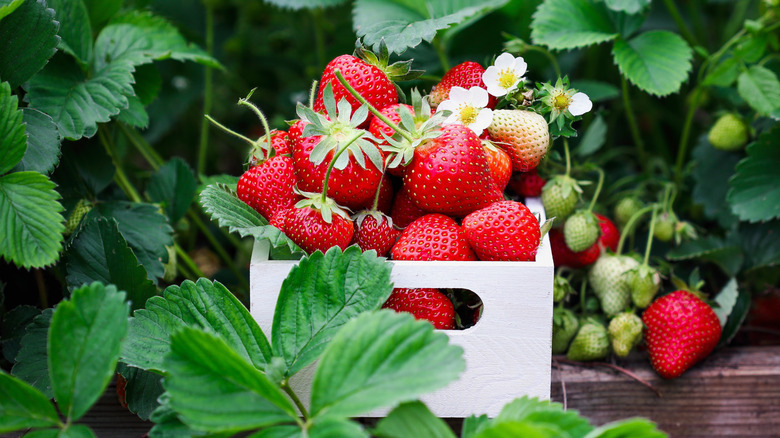
Despite the often-high price tag in store, strawberries are surprisingly easy to grow, and can be planted in pots or window boxes if you don't have garden space. Once they're established, they'll multiply each year, giving you more plants and fruit. You can start with roots or plants from the nursery, but a more budget-friendly option is to grow new strawberry plants from a slice of fruit.
Blackberries
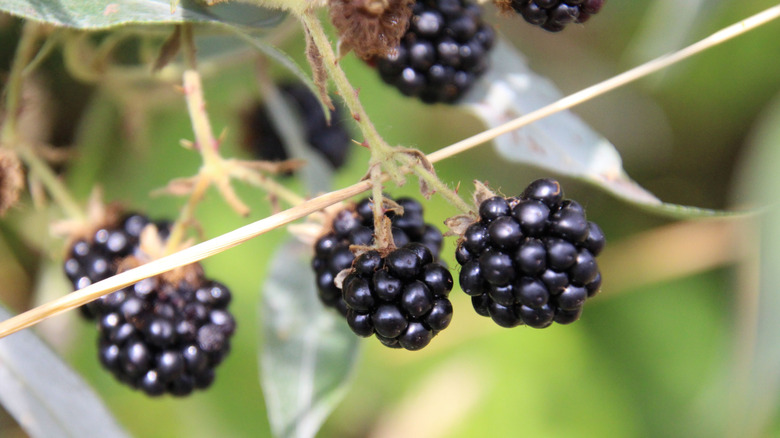
While you could technically grow blackberries from seeds, starting with a cutting will get you fruit a year or two faster. It's a small initial investment that will reap great rewards. Blackberry plants are high-yielding, producing enough fruit to collect every couple of days right through summer, and will live upwards of 15 years. You'll even have enough to share with the bluebirds attracted to your yard by the berries.
Raspberries
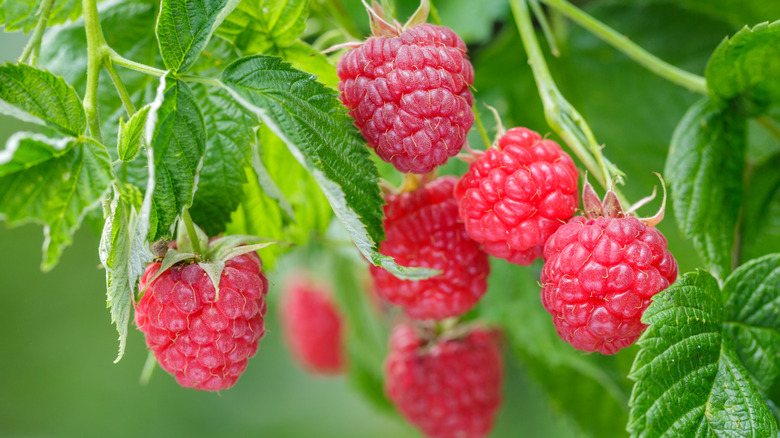
Raspberries are another cane plant like blackberries, and once mature, will grow and fruit just as vigorously. There are summer- and fall-bearing raspberry varieties, and by planting one of each, you'll have a longer harvest season. Raspberries can be propagated from cuttings, so if you have a friend with plants, you can start this crop for free. From your initial investment (or gift), you can expect to get 10-15 years of fruit, or five to 10 years for black raspberries.
Gooseberries
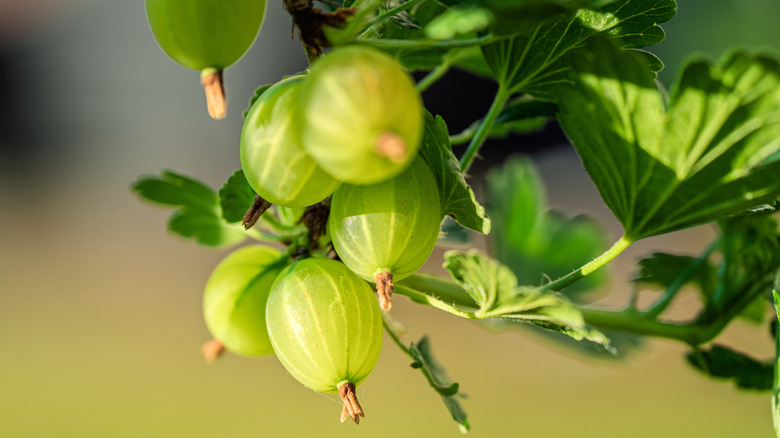
Gooseberries don't get a lot of attention, but these tart fruits can be turned into all kinds of treats including jam, pies, and even cocktails. When grown from cuttings, gooseberry plants will produce fruit after the first year, with significant harvests from year three. Just confirm that you are permitted to grow the plants where you live. Gooseberries were once banned in the U.S., and the law remains in effect in a few states.
Blueberries
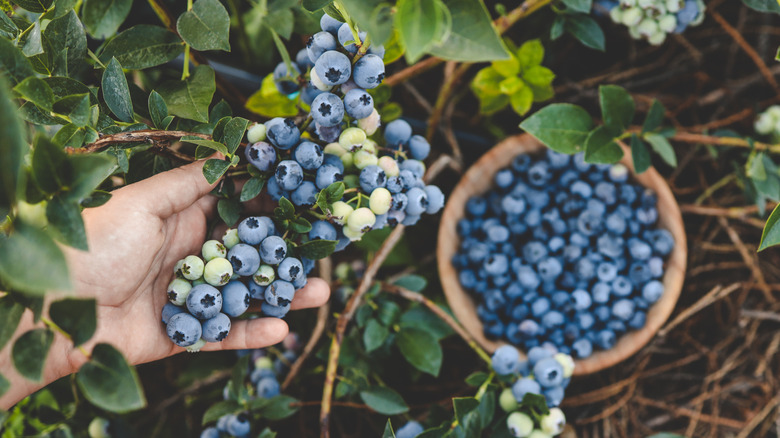
When considering the cost of growing versus buying in store, blueberries are one of the most appealing fruit options. Although they aren't fast growers, they are easy for even beginner gardeners, and can be grown in pots if you choose the right blueberry variety. You'll need to wait three years for fruit, but then you won't need to pay supermarket prices again. A mature plant will give you around eight quarts of fruit each harvest season.
Melons
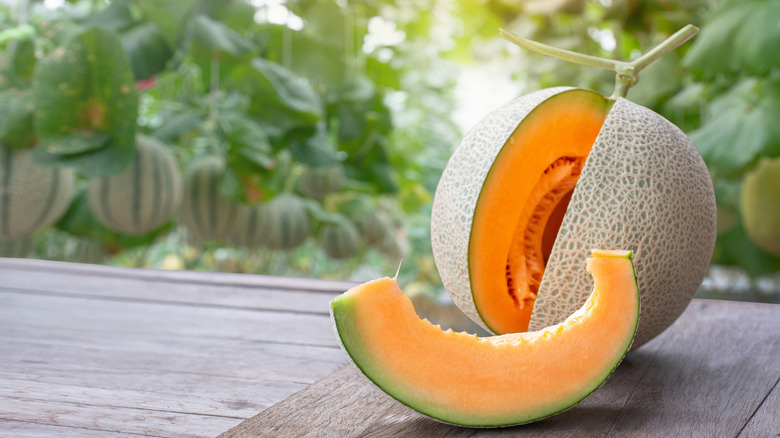
Melons can be a cheap fruit to grow from seeds, provided that you have the space and the right climate. They need around 80-100 days of hot weather (and plenty of water) to produce a good harvest, but are otherwise fairly undemanding plants. There are plenty of melon varieties to try, including the Mini Love watermelon that's perfect for smaller spaces, or the Minnesota Midget cantaloupe that fruits in as little as 60 days.
Grapes
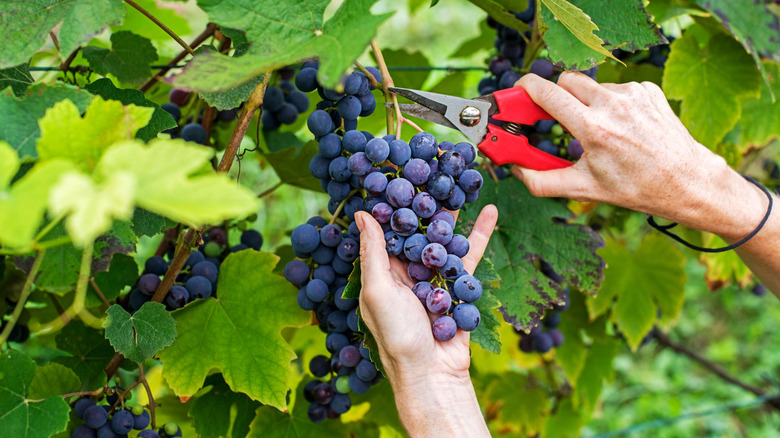
Grapes might seem like the domain of expansive vineyards, but it's absolutely possible to grow them at home. You will need some patience (up to three years) and a sunny spot in the garden, but the vines are hardy and make great use of vertical space. Choosing the right type of grape is essential to successful growing. Ensure that you look for table grapes (rather than wine grapes) and that the variety is adapted for your region.
Plums
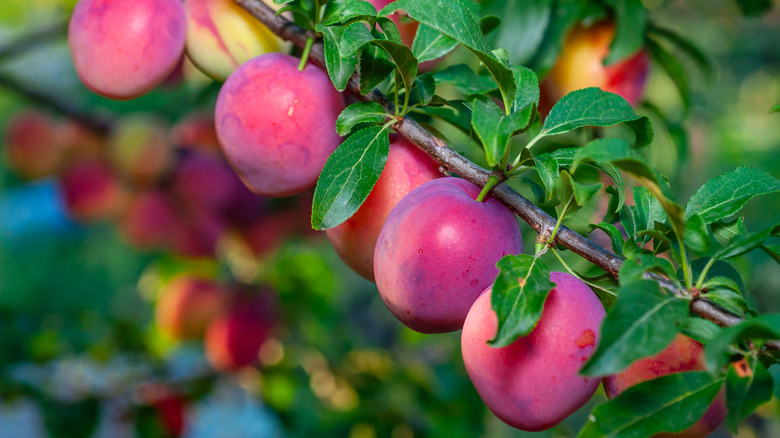
Fruit trees are an option that will be very low-cost if you consider the long term. Plum trees can take around three years to fruit, but after that, you'll have a bountiful harvest for years to come. Compared to other fruit trees, plums are low-maintenance in terms of pruning and are easy to grow. You may need to plant two for optimal pollination, but there are dwarf trees if you're short on space.
Figs
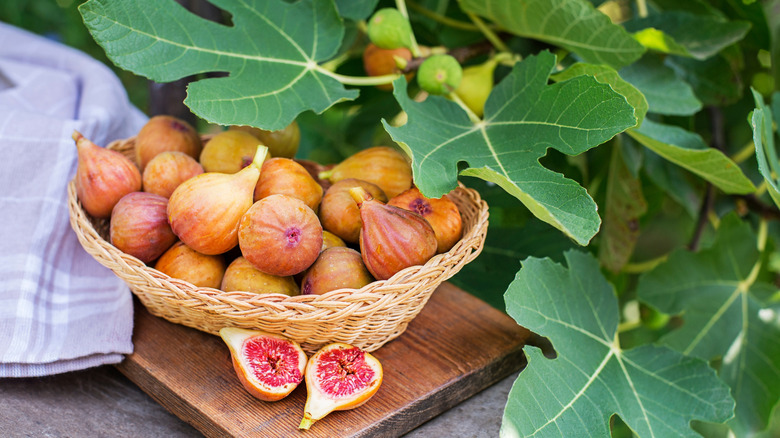
The sweet and aromatic taste of fresh figs is sadly one that doesn't travel well, so anything you buy in store won't compare to fruit straight off the tree. If you're a fan of the somewhat luxurious fruit, growing your own is almost a no-brainer. Fig trees may take two to three years to produce fruit, but some varieties (particularly dwarf figs) might offer a small harvest in the first year after planting.
Tomatoes
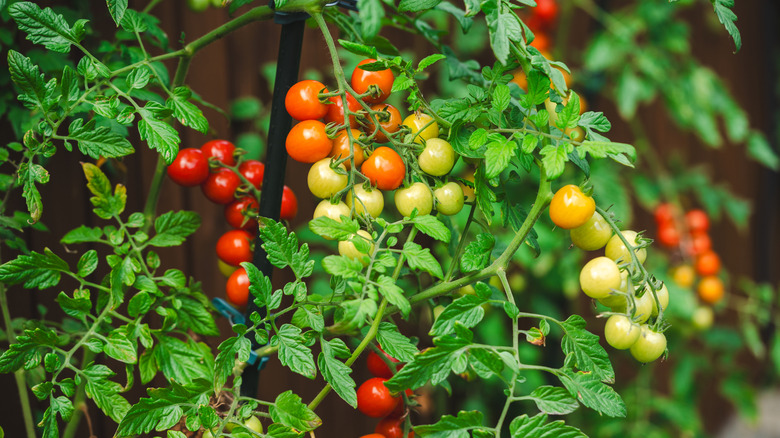
Yes, tomatoes are only technically fruit, but absolutely worth planting if you're gardening on a budget. You can start with seeds from a ripe store-bought tomato, and have a bountiful harvest by the end of the summer. The main requirement for tomatoes is sunlight and warmth, but compact cherry tomatoes can be grown on a windowsill indoors in cooler climates. Save a few seeds from your harvest, and you can repeat the process every year.