

Is There Such A Thing As Too Much Matcha? Here's What Happens If You Drink It Excessively
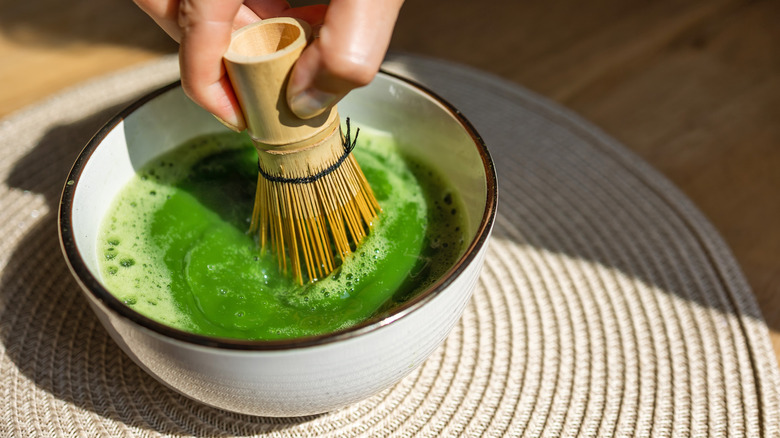
With matcha drinks from popular coffee chains and at home recipes for everything from lattes to plant-based matcha smoothies, there are endless ways to enjoy matcha all day long — but should you make a habit of it? Tasting Table spoke to Destini Moody, registered dietitian-nutritionist at VNutrition, to find out about the risks of consuming too much matcha, and her explanation will make you think twice about that third latte.
Green teas like matcha are chock-full of antioxidants and amino acids that can fight inflammation, regulate blood sugar, and even improve cognitive function. Matcha powder differs from regular green tea in that you consume the whole leaves, so it's highly concentrated and delivers more nutrients. However, this also means matcha contains way more caffeine, with 70 milligrams in a teaspoon of the tea. Moody pointed this out as matcha's biggest red flag.
"Usually the effects of too much matcha are associated with the excess caffeine," said Moody. She continued to explain that "the effects are amplified in those with caffeine sensitivity, which come with effects including lack of sleep, jitters, irritability, and higher heart rate." Most adults should consume less than 400 milligrams of caffeine per day, and while matcha isn't as caffeinated as coffee, that doesn't give you a free pass.
"Having more than five servings of matcha daily could be too much for most people," Moody said. She defines a serving as 1 teaspoon, so five would equal 350 milligrams of caffeine in your cup. Potential caffeine overload isn't the only reason to avoid indulging in matcha, either.
An expert explains other concerning risks of drinking matcha excessively
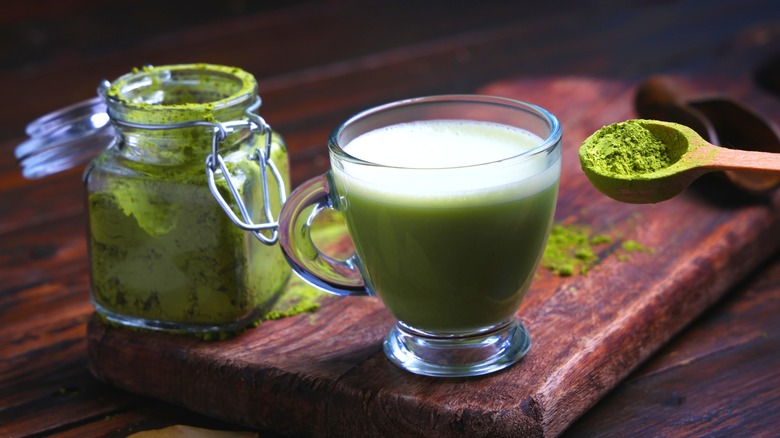
Another controversy with matcha concerns its impact on iron absorption. The tea contains lots of antioxidants called polyphenols, including tannins, a type that provides matcha's signature astringent taste. While beneficial for your health in moderation, Destini Moody confirmed that "tannins can temporarily block the gut's capability to absorb iron correctly." She added that, if iron absorption is a concern for you, you should "avoid having matcha with meals."
For most people, matcha won't cause issues with iron by itself, but if you're at risk of deficiency or anemia, enjoying matcha more than once per day could be a bad idea. Excessive matcha consumption over time may also lower iron levels in all individuals. The biggest risk of this side effect occurs when your drink matcha with your meals, which is why Moody advised against it. To be safe, wait one or two hours between consuming matcha and eating or taking an iron supplement.
Moody shared another reason to consume matcha carefully: "Using the entire leaf means that there may be a higher risk of contamination from heavy metals ... and a higher rate of consumption could dramatically increase these risks." In some growing areas, tea plants may absorb lead present in soil and water. With regular tea, the metal remains in the leaves, which you discard after steeping. But with matcha, you consume everything in the ground leaves, including any traces of lead.
To protect yourself, Moody recommended doing thorough research on matcha brands. You can find many lead-free, ceremonial-grade matcha powders that have undergone careful cultivation and testing to ensure that they contain no contaminants.
How to decrease your risk of overdoing it on matcha
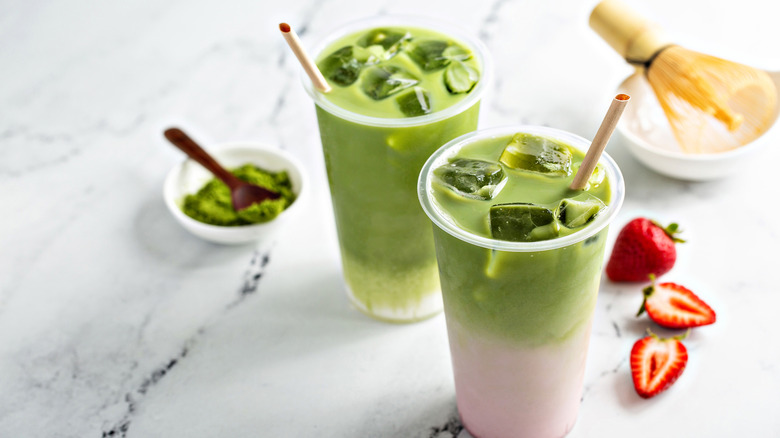
Beyond choosing a contaminant-free matcha brand, there are a few ways to offset potential side effects of frequent consumption. Destini Moody's daily limit of 5 teaspoons may seem stingy if you really love matcha, but she cautioned that "multiple cups or multiple scoops in your mug could cause the caffeine content to multiply in no time." If you like your drinks strong, limit yourself to one matcha beverage per day, or only enjoy it a few times per week. "Those who are sensitive to caffeine may see side effects with even fewer servings," Moody added.
Diluting your matcha with milk or extra water can stretch your daily serving of the tea, while also reducing the amount of caffeine and tannins in your cup. Drinks like chai matcha lattes and homemade matcha lemonade let you enjoy the taste of matcha without getting an overly strong dose. Ceremonial-grade matcha also tends to be lower in tannins than culinary-grade, so consider springing for higher-quality powders if you're concerned about the tea's impact on iron levels.
At the end of the day, drinking matcha offers all sorts of health benefits, but as Moody said, "with most healthy foods and drinks, more does not always necessarily mean 'better' and it's possible to overdo it with nearly any food." Moderating your matcha consumption ensures that you reap the good effects while avoiding the bad.