

6 Benefits Beer Brings To Your Garden
We may receive a commission on purchases made from links.
When you think of beer in your garden, you'll most likely imagine having a cold one under the summer sun. However, there are many benefits to using beer in a garden beyond its intended use. Here, I'll break down some genuine ways that beer can be used in your garden, with some being remarkably effective. You may need to go out and get cheap beer for some, while others can be done with the leftovers that you'd otherwise pour down the drain.
I run my own gardening business, which includes selling my own plants. Therefore, I have little time to waste on gardening myths and have vast experience with plant care. That being said, I'm going to be realistic here, and I'll let you know if there is a more reliable and efficient option instead of using beer. I'm also somewhat of a beer aficionado, but that area of expertise actually has little relevance here, as even terrible beer is great for these tasks. By the end, you'll have a good idea of which beer-based techniques are actually worth considering.
1. Make a beer trap to get rid of slugs
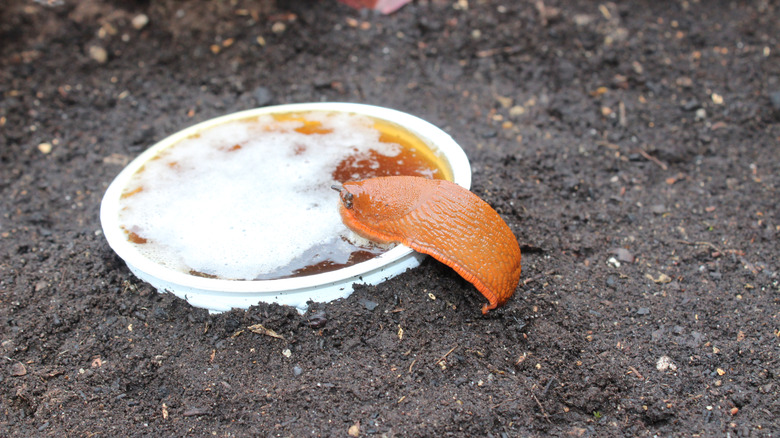
Slugs are the number one enemy of many gardeners. Slugs and snails will attack almost any plant and can decimate small plants overnight. Numerous tactics can be deployed, such as planting your seedlings in toilet paper tubes. A beer trap is another brilliant way to protect your plants. It may not completely rid your garden of these pests, but it does have benefits. For one, the beer trap traps and drowns slugs. The other is that, in the process, you are enticing them away from crops you want to protect. All you need to make one of these traps is beer and a waterproof container. Since the slugs are attracted to the yeast in the beer, you can use the cheapest variety of beer you can find.
I have specific beer traps containers (like these from Beslands) that have a small opening and a lid to protect the beer from rain, but this isn't required. All you need to do is place your container at ground level so the slugs can crawl straight in. Once in, they can't crawl back out and will eventually drown. Emptying these traps isn't pleasant, but you'll soon see how effective they can be. Over the years, I've tried every single anti-slug tactic in the book. Aside from using pellets, which have environmental drawbacks, I've found beer traps to be the most effective method.
2. Beer can be used in a bottle funnel trap for wasps
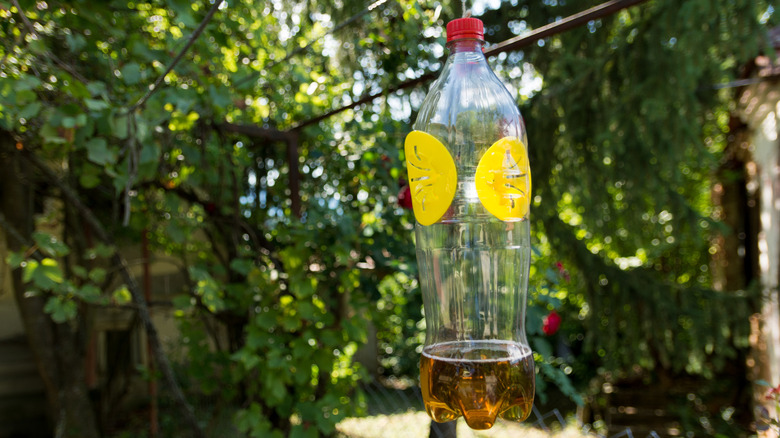
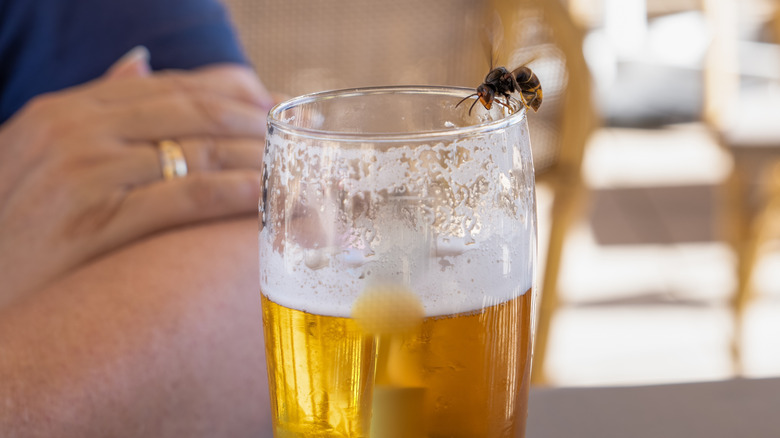
As you see, the attraction to beer goes well beyond humans. Wasps are another creature that are instinctively drawn to it. Beer can be used in a funnel trap. Once they are in the funnel, it's hard for them to leave, and they'll eventually drown. You can buy these containers easily online (like this set from Stingmon) but you can also create your own using a plastic bottle. Wasps are attracted to the sugar and fermenting scent, meaning any type of sugar-based drink can be used.
If you're using beer, you'll want to add a few additions to the cocktail. A drop of dish soap will break the surface tension, allowing wasps to more easily drown in the liquid. You'll also want to add vinegar, as bees hate the smell, and you don't want to accidentally trap them (as they are important to the food chain and your garden). Thankfully, wasps are unbothered by vinegar. If you want to go the DIY route, take a plastic bottle and cut it two-thirds of the way up. Invert the top to create a funnel, pour in your concoction, and let it work its magic. Remember, this will attract wasps, so place it away from any seating areas and doorways. It's an effective method if you have an issue with a few wasps, but large numbers or a nest will need more direct action.
3. Leftover beer can be a useful activator for compost
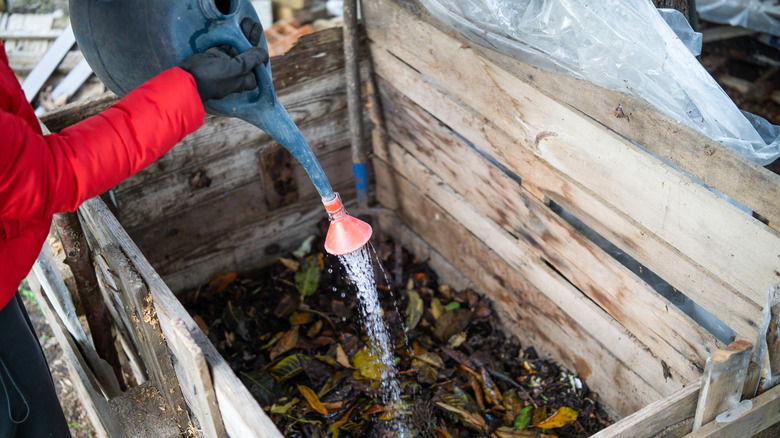
Composting is one of those things that seem simple on the surface, but is actually very complex. For one, microbial activity can slow down for a variety of reasons. When the activity slows, your compost won't break down as quickly. When this happens, you need to kickstart that activity again. One way this can be done is by pouring flat or leftover beer on top of your compost pile. The yeast in the beer can help to drive decomposition. It can also have the secondary benefit of providing more moisture for your compost if it's too dry.
Beer is genuinely useful here, but it's far from a magic tool. That's why I said to use flat or leftover beer, as it would be better to spend money on a compost activator rather than buy beer specifically for the job. If your compost is slowing down, it's always good to understand why so you can take steps to rectify it. If you have a big issue with your compost, beer won't magically solve it. However, it's a great way to get rid of unwanted beer and keep your compost heap alive and well.
4. Some suggest beer can work to fix bare lawn patches
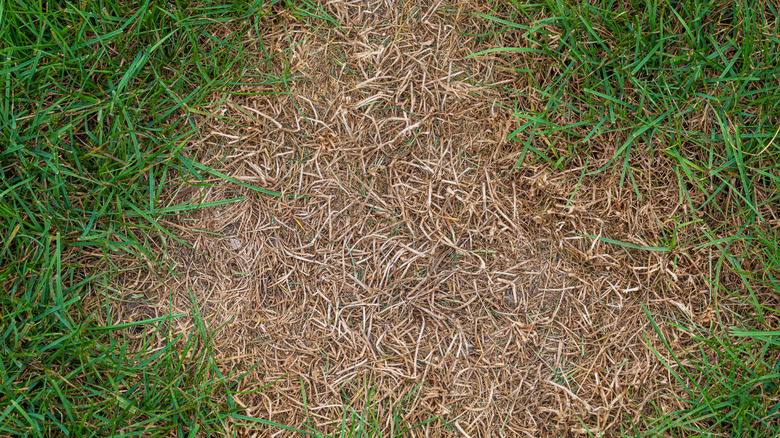
Full disclosure, I admit this is the most tenuous garden beer hack, but there is some circumstantial evidence that the yeast and sugar in beer can fix lawn patches. The thought process is similar to the composting example in that the beer is said to stimulate microbial activity. That may be true for composting, but for grass growth, it's more important to give the area the right balance of nutrients. Yet when diluted in water and paired with liquid fertilizer thrown in, it's logical to see how beer could be an added help.
Bare patches in a lawn usually have a root cause that needs to be addressed. For example, during a dry spell, compact soil will be the first to lose color. In this example, for long-term health, it may be better to loosen up the soil underneath. Beer may be useful, but you need to fix that underlying issue. For basic patches, there are store-bought solutions specifically made for the job. If I'm being honest, I'd put this one as a fun thing to experiment with rather than something to rely on. As you've already seen, there are some bona fide other uses for your excess beer.
5. Beer can help to attract butterflies
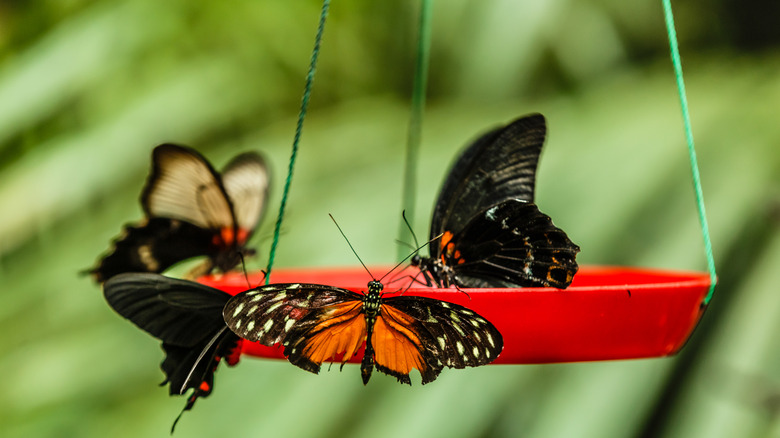
Butterflies are attracted to beer, as the fermenting scent can be an indicator of food. The difference here is that, in contrast to the other tips on this list, you aren't aiming to kill the butterflies. Rather, a shallow dish with beer and overripe fruit can attract butterflies. Lemons in particular will attract beautiful butterflies. This can be a nice short-term experiment, but in the long-term, you'll naturally attract butterflies if you have a diverse garden with nectar-rich plants. Lavender, buddleia, and coneflowers are just some of the best flowers for the job.
There is a word of warning here. While butterflies are a net positive for your garden, it does mean a likely increase in caterpillars. Therefore, you need to understand the tradeoff and be more vigilant to protect your crops. This can include companion planting solutions, such as using nasturtiums as a trap crop to lure pests away from tomato plants while promoting butterflies. As long as you keep their larvae in check, butterflies are a lovely addition to a garden, as they not only bring beauty, but are also one of nature's best pollinators. If you notice that your garden is devoid of those beautiful butterflies, a shallow tray of beer can help to lure them in.
6. Beer is one of the best baits for your fruit fly traps
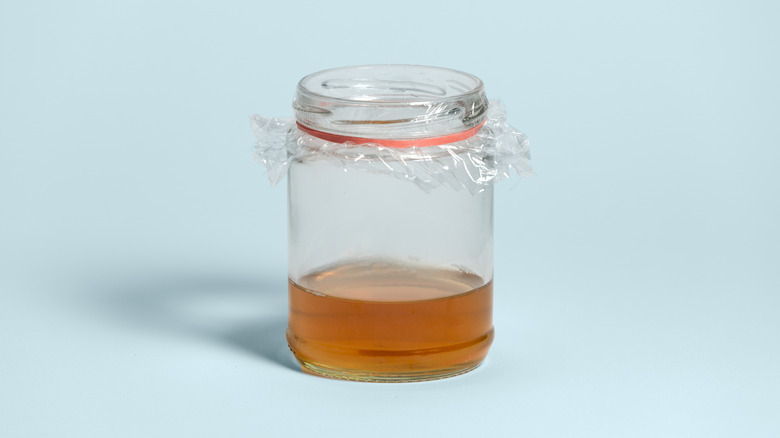
Fruit flies can build up quickly in any indoor space. For gardeners, this can be an issue if you are growing food on windowsills or in greenhouses. But, you don't need to go out and buy anything to remedy it. It's easy to make a trap at home, and beer is one of the scents the flies are most attracted to. All you need to do here is place a small amount of beer into a jar or glass and cover it with cling film. Poke a few holes into the film. That way, the smell will draw the flies in, and they'll drown.
To upgrade the trap, you can place an overripe piece of fruit with the beer. A drop of dish soap can also be a useful addition to help break the surface tension. These beer traps are effective, but you still want to address the root of the issue. Otherwise, they'll keep coming back. They are attracted to ripening and rotting produce, so make sure fruit is kept covered or in the fridge during the summer. Any indoor compost bin should be kept shut, and trash disposed of frequently. If you take these steps, your beer traps are going to help get rid of the issue, but you may need several around the worst affected areas for the quickest results.