

A Toothpick Can Save Your Garden Edibles From Too Much Water
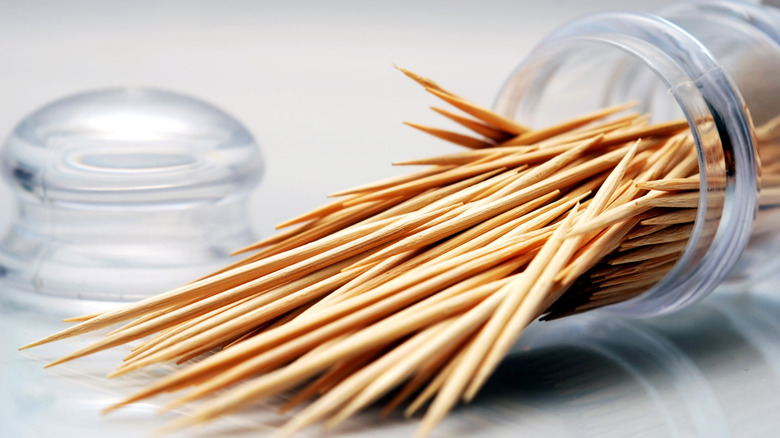
Most bakers know to stick a toothpick into the center of cake to check if it's done. If it comes out sticky with batter, the cake stays in the oven till the toothpick can be drawn out clean. Bakers utilize toothpicks in lava cakes and bakery-worthy layer cakes, and, while they may keep their recipes secret, they're happy to share this technique with gardeners. A toothpick can save your plants by giving you a quick, low-impact survey of what's happening below the soil surface.
Simply insert a wooden toothpick about an inch or two into the dirt near the plant base, then pull it out and look. If it comes out dry, the soil is ready for water. If it comes out damp, hold off. Many gardeners try to use a watering schedule or visual droopiness cues to determine when their plants need water. Some even push a finger into the soil to test for moisture. But those methods are imprecise — and a finger is too thick, disrupting the soil more than necessary. A toothpick, however, is narrow and clean, giving a more exact read of the subterranean situation.
Because they can't get up and draw water from the sink when thirsty, plants depend on available moisture in the right place at the right time — but soil doesn't hold moisture evenly. Roots absorb water carrying dissolved minerals and nutrients, which move upward through the plant's xylem into the leaves, flowers, and fruit. If the soil is too dry, that crucial transport system can't function. Too wet, and the air pockets in the soil fill with water, preventing oxygen from getting through. The toothpick trick may just help.
Thirst trap
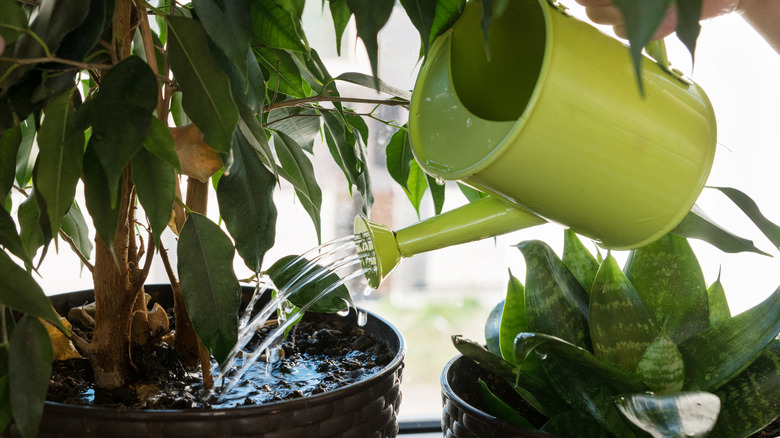
Overwatering is one of the most common gardening mistakes, and it can accidentally damage or even kill their plants. A long pour feels attentive, even generous, but roots need to breathe as much as they need to drink. With too much water for too long, the plants will suffocate. A drooping or yellowing plant doesn't always mean it wants more water; it may also be a sign of a waterlogged root system struggling to function properly.
Not every plant wants the same level of moisture, and that's where the watering schedules can go wrong. Some plants, like the woody Mediterranean herbs such as rosemary and thyme, along with most succulents, prefer their soil to fully dry out between waterings, although even rosemary will show signs it's stressed. Lettuce, basil, and many other tender, leafy greens, have better output with consistent moisture. Without checking below the surface, it's easy to treat all plants the same, even when their needs are very different.
This toothpick technique works with both indoor and outdoor potted plants, as well as in-ground plants. It could even work for a countertop garden in your kitchen! You don't need a new tool every time either; one wooden toothpick can be reused and kept near your plants for next time. Watering should be responsive, not just routine, and the toothpick method gives you an actual read of the soil conditions instead of depending on assumptions. This strategy could be the difference between a plant that survives, and one that thrives.