

Only Boomers Will Remember What Grocery Stores Were Like In The '60s

Walking into a grocery store in the 1960s looked quite different from today's shopping experience. Customers dressed up to browse smaller aisles and shopping was a personal affair. With no rewards programs or self-checkout kiosks, customers relied on relationships and interactions with staff. Employees rang up items, counted change, or waited while handwritten checks were signed. Produce from local farms was set out on display, and butchers remembered families' orders. Baby Boomers may recall stamps that could be collected and later redeemed, and the conversations that took place inside stores tended to last a little longer than today's hurried exchanges.
While big-box retailers and technology have changed the shape of supermarkets, many Boomers may be filled with nostalgia for the days of old-school grocery shopping. Before shrinkflation hit and packaging turned to plastic, a simpler shopping experience provided the necessities for homemakers to feed their families. Here are a few of those remembered traits that live on in the hearts and minds of Boomers that many of us can only imagine.
Local produce without organic labels
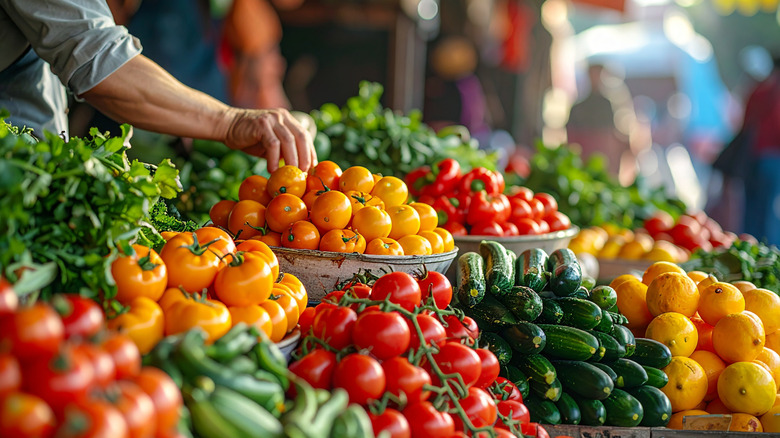
Before organic food labels became common, most produce was seasonal and local. Shoppers were used to fresh fruits and vegetables that mirrored the changing seasons and weren't necessarily available year-round for purchase. With fewer labels to sort through, food from nearby farms was sold as-is, without regulated certifications or pointed marketing language.
Getting dressed up to shop
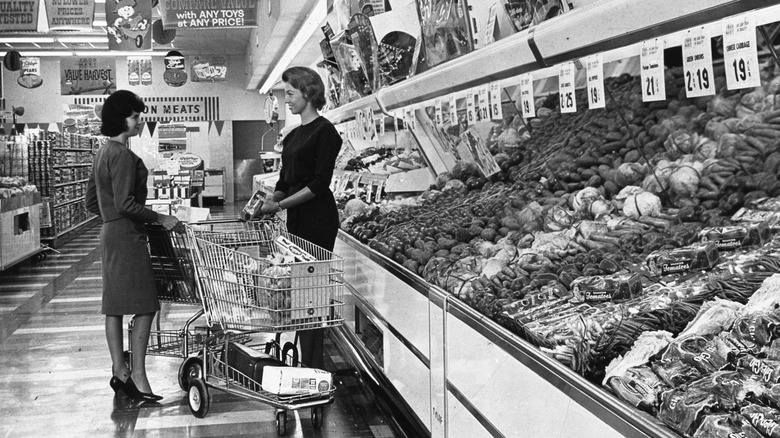
While quick, casual shopping trips are now commonplace, heading to the market in the '60s also doubled as a social outing. Shoppers dressed well and to impress for the occasion. Dresses, polished shoes, and button-down shirts reflected a value on appearance, even when heading out to stock up on old-school pantry staples.
Smaller stores
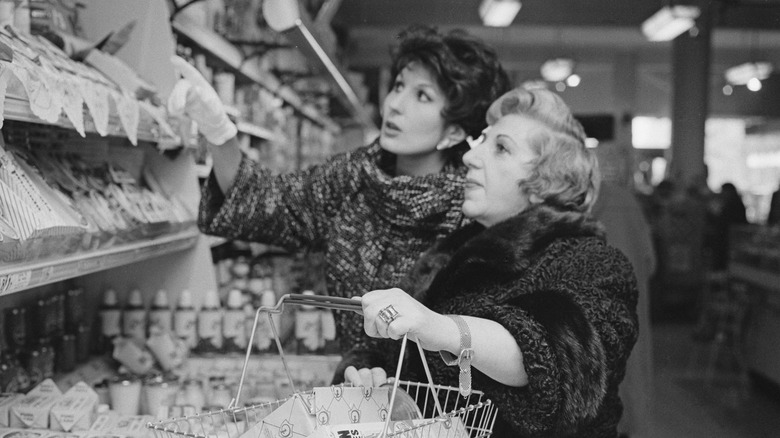
Boomers may recall stores and markets that were much smaller than today's sprawling, big-box supermarkets. Since the array of grocery options seen today wasn't available, shopping was more focused and efficient. Compact layouts made stores easier to navigate, and regular customers often developed friendly relationships with staff while browsing products.
Less packaging waste

Single-use packaging wasn't as common in the '60s. Long before plastic-heavy packaging became the norm, many food and drink containers could be reused, and empty tins could be upcycled at home. Groceries were stored in glass bottles, tin cans, and cardboard boxes, and some markets offered incentives for customers to return packaging to be reused.
TV dinners
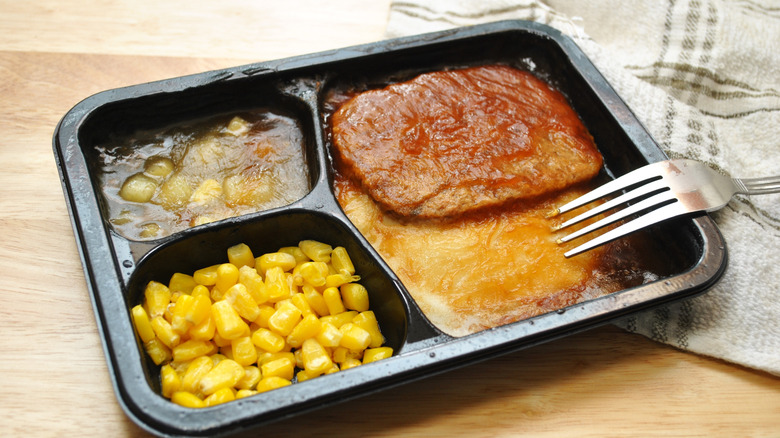
TV dinners took mainstream America by storm in the '60s, offering a new level of convenience for busy households. The ready-made meals came in compartmentalized trays that could be heated and easily held while watching television. The rise of TV dinners marked a shift toward convenience and the simple-to-cook recipes that have come to fill grocery stores.
Jell-O displays
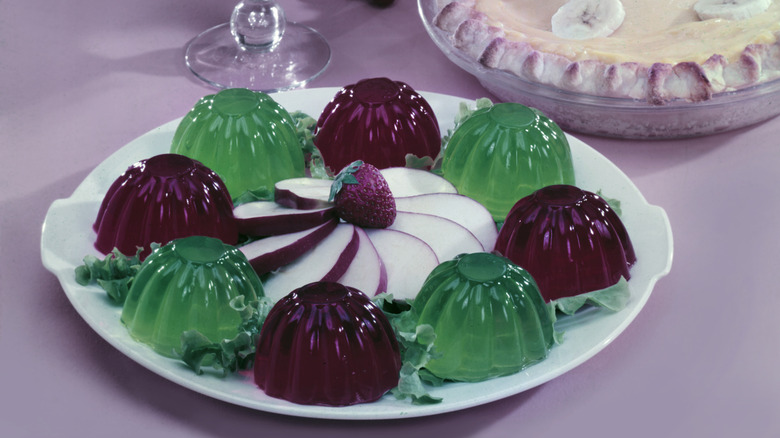
The popularity of Jell-O skyrocketed in the 1960s, and colorful store displays reflected the product's widespread appeal. With a range of flavors, these affordable desserts were used as part of simple, sweet snacks and elaborately molded dishes. Jell-O's versatility helped the purchase became a staple for many American households.
No QR codes in sight
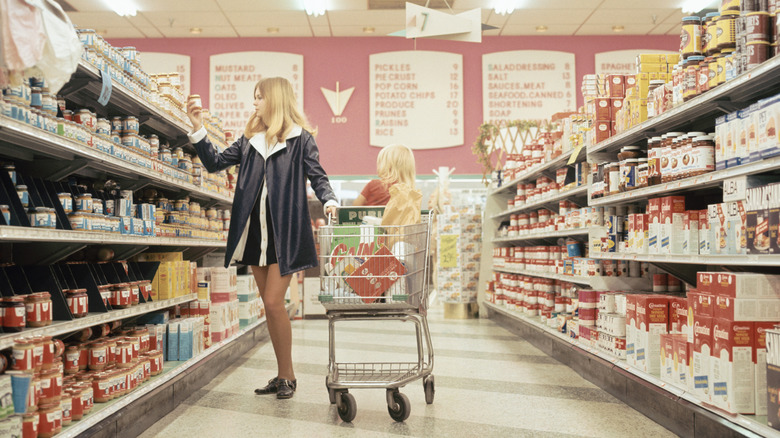
Boomers didn't deal with QR codes or bar codes in the '60s. Many cashiers had prices memorized. A customer's purchases were entered manually at checkout and items were keyed in by hand. The slower process meant more interaction, but cashiers were known to chat with customers while ringing up groceries.
Salespeople demonstrating kitchen gadgets
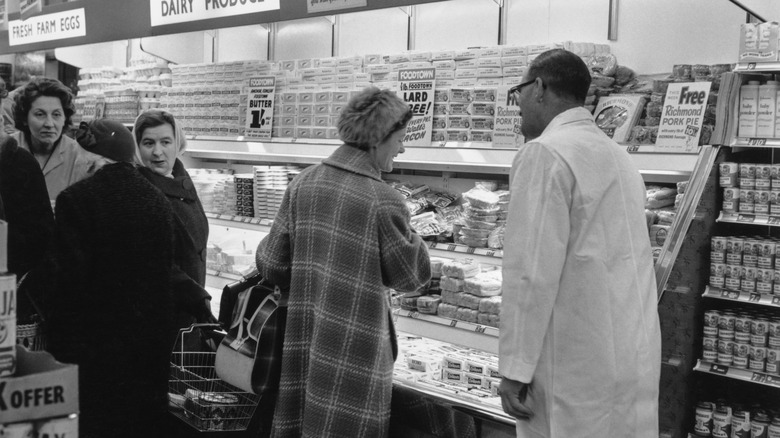
In addition to more personal exchanges with grocery market staff, salespeople often set up live product demonstrations in stores. Shoppers could watch as brand new appliances and tools were used and ask questions on the spot. The demonstrations added an interactive element, helping build trust in new products before shoppers committed to making purchases and carting new kitchen knick-knacks home.
Green stamps

Before complicated loyalty schemes, grocery shopping included green stamps. Shoppers collected stamps earned through purchases and saved them to be later redeemed for household goods. The action required some dedication on the part of shoppers to carry and keep the stamps in booklets for safekeeping, but the rewards offered just enough incentive to keep customers coming back for more.
Coin-operated rides for kids

Though bringing a kid to an establishment can be a stressful affair, many grocery stores looked to help parents out with easy entertainment. Coin-operated rides, often in the form of animals and transport, were situated near entrances. The brief fun added levity to mundane chores and gave a momentary thrill to any children carted around for errands.
Cash registers and handwritten checks
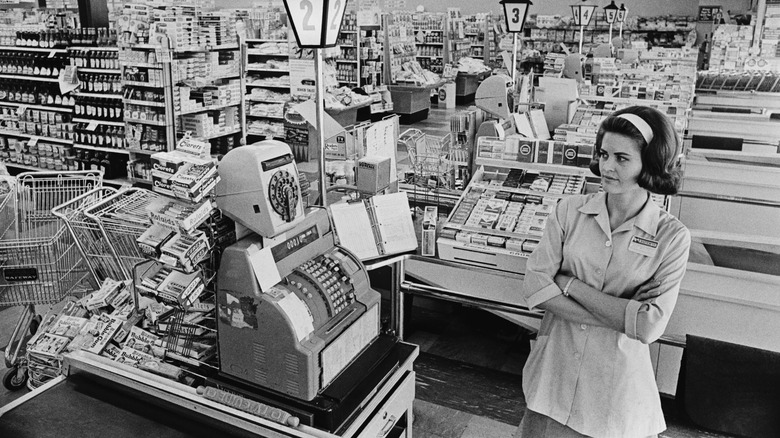
Checking out in the '60s meant there weren't self-service kiosk or digital screens to accept debit cards. Cashiers rang up purchases manually, counted out change to pass to customers, and waited while handwritten checks were made out to the store. Though a shopping excursion might've taken more time, the experience was more personable, and the exchange provided a platform for staff and customers to share pleasantries.
Smoking in stores
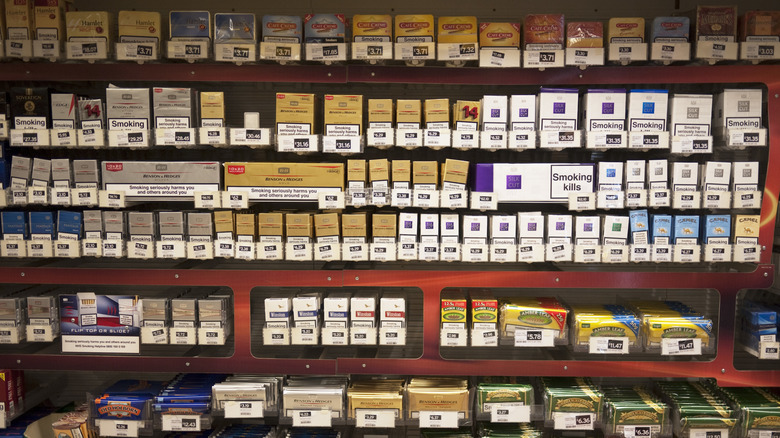
Though it might sound ludicrous today, smoking inside grocery stores was once allowed. Before smoking bans were inducted and health codes were set in place, this kind of behavior was routine. Boomers may remember customers lighting up in aisles and using in-store ashtrays while pushing carts through aisles.
Bag packers and carry-out service

Instead of having to remember to bring your own bags to pack groceries yourself, many stores had designated bag packers. Not only were groceries packaged at checkout, but employees also hauled bags out to customers' vehicles. For shoppers stocking up to feed families, this extra level of service provided a helpful and convenient bonus for weekly errands.
Closed on Sundays
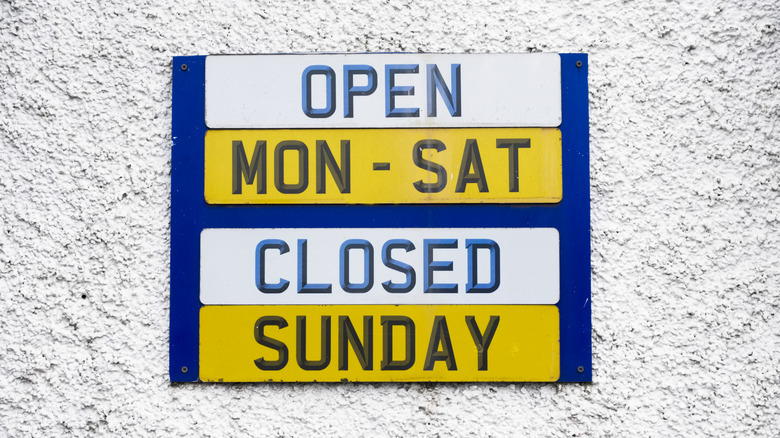
Though convenience is now king and many markets are open with extended hours — some 24/7 – grocery shopping on Sundays wasn't always available. Many Boomers may recall spending slow, restful Sundays with family. Since stores weren't open on Sunday, weekly grocery runs were completed earlier in the week. The structured system meant that families had to plan accordingly.