

These Old-School Grocery Staples Are Popular Again Thanks To Inflation
Our weekly grocery shop is setting us back more than ever before, with the prices of everyday staples like meat, eggs, and oil having skyrocketed in recent years. According to the USDA, the cost of at-home food increased by over 23% between 2020 and 2024, so it's no wonder that many of us have started making changes to our shopping habits. Those who once opted for the convenience of premade foods and splashed out on prime cuts of meat are now being a little more frugal at the grocery store, instead reaching for budget-friendly options. And for some foods that were once overlooked as everyday purchases, this has led to a noticeable resurgence in their popularity.
Jump back a generation or two, and convenient pantry staples with long shelf lives were all the rage — think powdered versions of fresh foods, canned meats, and just about anything pickled. Many fresh foods were having their moment, too, from rendered animal fats to unconventional cuts of meat. However, for a long time, it seemed that many of these once-sought-after products had fallen off the radar. That was, until groceries fell victim to some serious price hikes. Now, many of these forgotten foods have become far more appealing, and that's thanks to their affordability.
From sweet baking ingredients to hearty grains, these old-school grocery items absolutely deserve a place in the modern culinary landscape. And they're a whole lot kinder on your wallet than many other products you'll find on the shelves today.
Spam
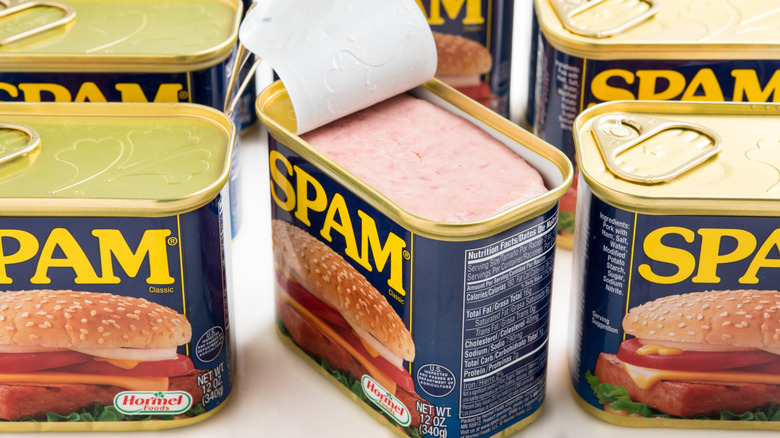
Spam is a product that has certainly stood the test of time. It was first popularized during World War II, when it served as a convenient, shelf-stable source of protein for feeding troops. This nostalgic comfort food consists predominantly of ground pork and ham, plus some extra additives. The meat mixture is vacuum-sealed and pre-cooked, making Spam ready to eat right out of the can. But it's not just convenience this product can offer. Spam is an affordable option, too, with a can costing around three to four dollars.
After its initial rise to fame in the 1940s, by the 1960s, Spam sales began to drop in the U.S., likely due to competition from other meat products. However, more recently, with the cost of fresh meat ever-rising , consumers are rethinking their habits again. Rather than splurging on prime cuts that spoil quickly, they're stocking up on shelf-stable proteins that'll last longer and won't break the bank. And so, Spam is back in the spotlight. In fact, the global canned meat market has grown rapidly between 2023 and 2025, and it's expected to be worth over 47 million dollars by 2033.
Spam can be incorporated into various meals, from fried rice dishes to toasted sandwiches and omelets. And of course, there's the Hawaiian favorite — Spam musubi. This sees the meat sliced, pan-fried, and stacked atop a mound of sticky rice, before everything is wrapped in nori. So, this humble product is proof that affordable doesn't have to mean boring.
Dried beans
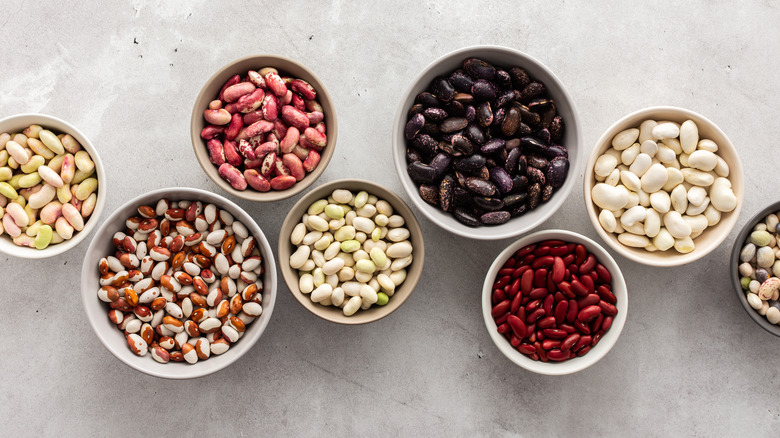
Dried beans are a top pick when savings are the goal, being widely available to purchase in bulk for just a few dollars. With food costs soaring, these humble legumes have re-emerged as a favorite, loved for their hearty and nutritious nature.
Varieties such as pinto beans, black beans, kidney beans, and navy beans are all super easy to cook up in a big batch that'll feed the family for days. Soaked and slow-simmered in broth or water, these protein-packed morsels can be enjoyed in a whole host of different ways. Toss them into salads, soups, rice dishes, or tacos, and they'll bring a welcomed dose of protein, fiber, and essential minerals. What's more, dried beans will stay fresh when stored in the pantry for up to two years, so there's very little risk of food waste either, saving you even more money in the long run.
If you're wondering whether canned beans are an equally cost-effective option here, note that dried beans are typically around two to three times cheaper than their pre-cooked counterparts. So, opting for dried is the best way to maximize your savings. This approach also allows for more customization over the flavor and texture of the beans during cooking, so it's really a win-win.
Lard
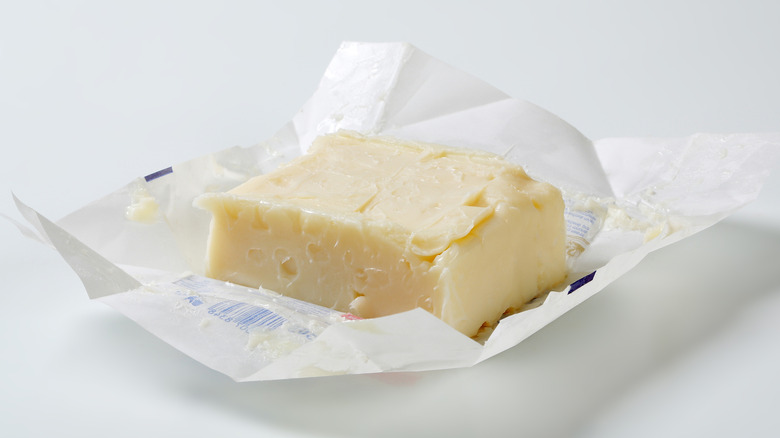
For decades, lard was pushed aside as butters and oils took center stage, but it's quietly reclaiming its place as a flavorful and economical staple. Two places that have been hit especially hard by inflation are the dairy and cooking fat aisles, and with lard being considerably cheaper than other fats, it's an excellent choice for your everyday cooking and baking.
Lard is a type of rendered pork fat, and essentially a byproduct of the pig slaughtering process, which is a key factor in its budget-friendly nature. Though it was once incredibly popular, sales of lard took a hit after healthcare professionals advised of its unhealthy nature in the 1950s. However, research now shows that lard actually contains 20% less saturated fat than butter, so there was really no reason for this staple to be shunned.
Tighter spending habits have had more and more consumers reaching for lard, and we're remembering just how versatile and delicious this fat can be. Boasting a rich flavor with a hint of umami depth, lard can be used just about anywhere you'd typically go for shortening or butter. It's fabulous for sauteing veggies, pan-frying eggs, and thanks to its high smoke point, you can even deep fry chicken in it. In cakes, lard yields a moist, tender crumb, and it makes a delightfully flaky pie crust, too.
Canned seafood
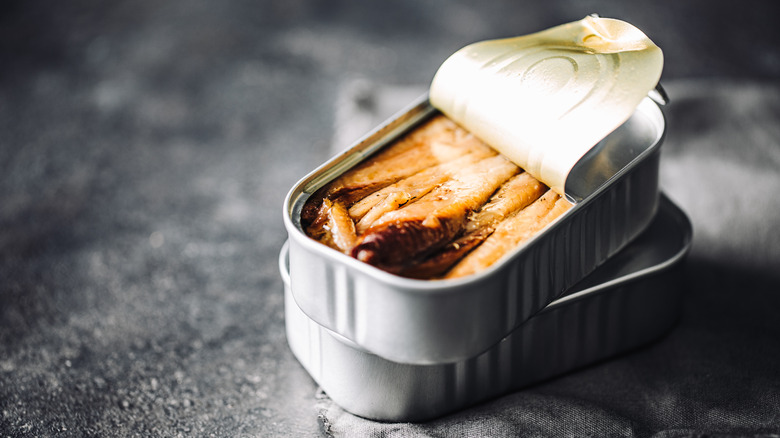
Fresh seafood prices continue to rise in the U.S, with crab costing over 10% more in 2025 than it did a year previously, and shrimp prices increasing by 4%. It's therefore no wonder that more of us are turning our attention to canned seafood. These convenient products offer all of the nutrition of fresh fish at a fraction of the cost, with the added bonus of an extended shelf life.
Canned seafood's reputation has had somewhat of a glow-up in recent years. Once deemed an emergency backup food, it's now being celebrated by chefs and home cooks alike for its flavor and versatility. You've likely sampled some of the classics, such as tuna, sardines, and anchovies, but the canned seafood realm extends further than you'd think. Foods like scallops, oysters, and octopus are also available to purchase in canned form. And you can cook with these trusty pre-cooked options much like you would with fresh products.
Try serving canned seafood atop crispy toast, tossing it through pasta or salads, or mixing it into fish cakes. These protein-packed options range from delicate and briny to rich and oily, but will all serve as a more practical and lower-cost alternative to their fresh counterparts.
Pickled vegetables
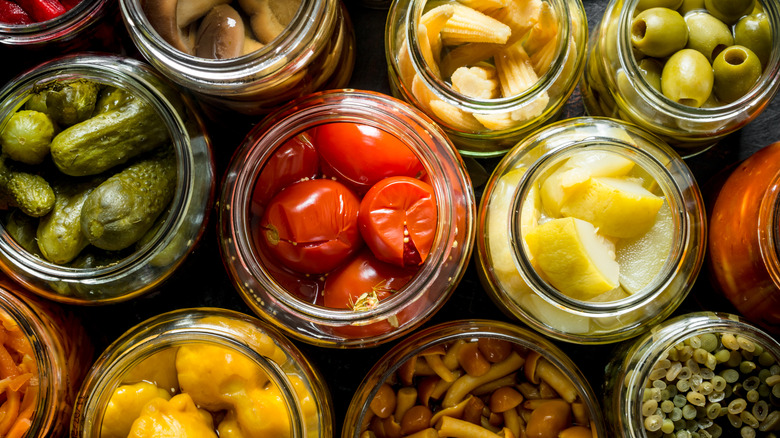
The practice of pickling dates back thousands of years, first developed as a way to make fresh produce last throughout food-scarce winters. But as agricultural techniques evolved over time, pickling vegetables became less of a necessity. While these tangy preserved veggies never left grocery store shelves, as of this writing in 2025, it's in the last few years in particular that their popularity has exploded. This is in part thanks to ever-changing food and health trends, but inflation is also playing a crucial role here. The rising costs of fresh produce has made people more mindful about food waste, and pickling is a great way to prevent this. Store veggies in vinegar, and you can keep them for far longer, all while preserving their flavor, texture, and nutrient content.
An array of vegetables are suitable for pickling, from the classic cucumbers and onions to vibrant radishes, beets, and carrots. You'll, of course, find plenty of options at the grocery store, but preparing the pickles yourself can be an even more cost-effective approach. This typically involves preparing a brine with vinegar, water, salt, and sugar, and pouring this over the vegetables in a jar. Herbs and spices are often added to the mixture, too, such as dill, peppercorns, and mustard seeds.
These homemade quick-pickled vegetables will then keep well in the fridge for up to a month. Or, if you use the canning technique, which uses heat or pressure to remove all traces of bacteria from the jars, you can store them unopened and unrefrigerated for around one year.
Molasses
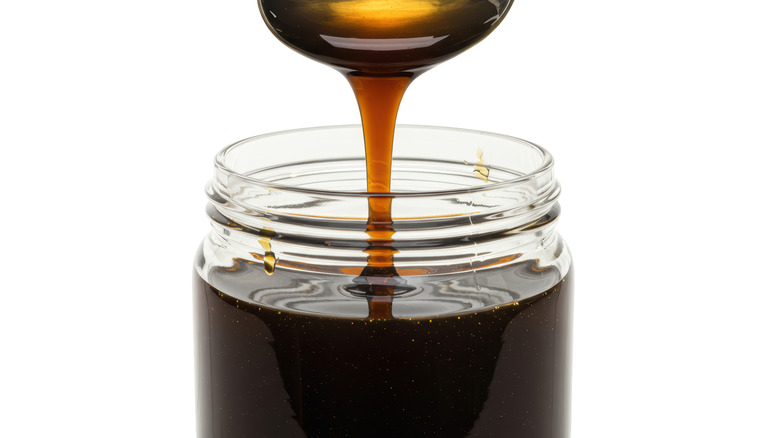
Next up is an old-school sweetener that was long overshadowed by refined sugars. Molasses is the thick, dark, syrupy byproduct of the sugar-making process. It has an undeniably more complex flavor than many other types of syrup and sugars, boasting subtle notes of smokiness and bitterness. Nutritionally, it has more to offer, too, containing minerals like potassium, calcium, and iron. And more importantly, molasses is a significantly more affordable alternative to honey and maple syrup, hence its rising popularity in the current economic climate.
The nostalgic warmth of molasses makes it ideal for incorporating into a variety of recipes. It can enhance everything from bakes to glazes and marinades, being a particularly popular add-in to gingerbread, and great for bringing a smoky depth to homemade baked beans and barbecue sauce. You can even combine molasses with white sugar to create an effective substitute for brown sugar.
Keep in mind that there are multiple forms of molasses, with the three main varieties being light, dark, and blackstrap. The former has the highest sugar content, while blackstrap molasses contains the least, but is more nutrient-rich and flavorful. Some molasses products also contain sulfur as a preservative. However, many people prefer the cleaner and more natural taste of unsulfured molasses, which can still be stored in the pantry for up to two years.
Barley
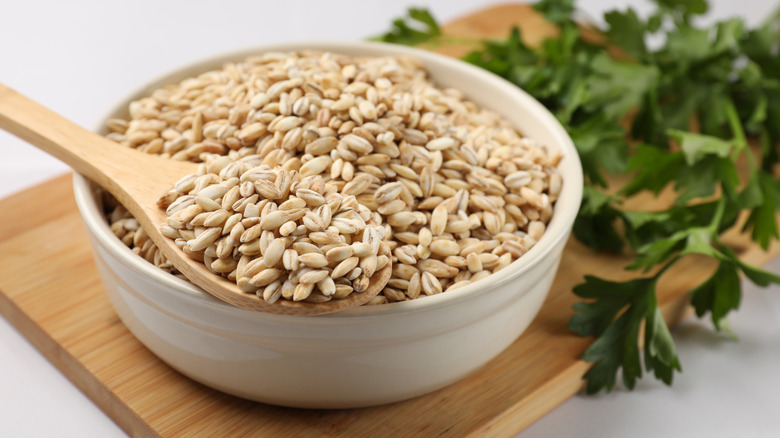
Rice, corn, and oats are a well-loved part of the culinary landscape around the world, serving as a budget-friendly and nutritious way to add carbs to our plates. Throughout the years, these staples have never really gone out of style, but some other grains have fluctuated in popularity. In particular, barley seemingly flew under the radar for some time. But, like many other low-cost foods, this ancient grain is making its comeback.
Barley comes in two main forms, that's hulled and pearl, with the latter being quicker to cook. The grains are loaded with fiber, containing around 900% more than brown rice per hundred grams, meaning they'll leave you feeling fuller for longer. They're also rich in nutrients like manganese, selenium, and vitamin B1. Readily available to buy in bulk, barley is now being seen as a more economical alternative to the more costly processed carbohydrates that once filled our shopping carts. It's often cheaper by weight than other grains, too. In fact, in Japan, some retailers are cutting costs by substituting some of the rice for barley in their bento box products.
The grains are wonderfully easy to cook, too. Pearl barley requires around 25 minutes of simmering in water or broth before it's ready to enjoy. It'll work beautifully in soups, stews, risottos, and grain bowls, where it brings a tender yet slightly chewy texture and a moreish nutty taste.
Offal
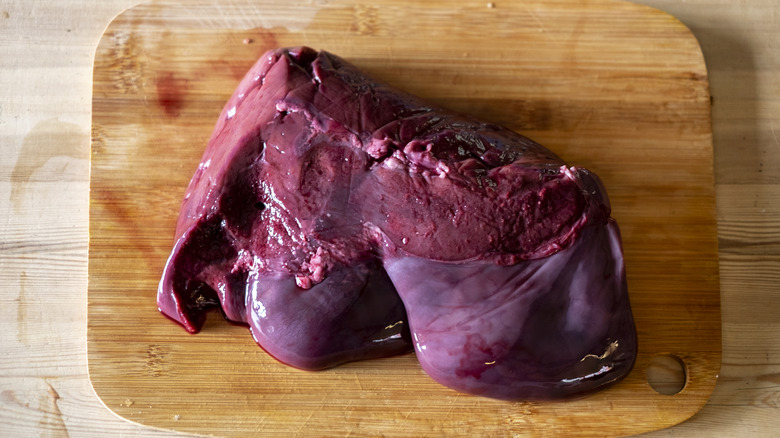
Soaring meat prices have also seen shoppers rediscovering the value of offal. For a long time, many of us viewed cuts like liver, kidneys, heart, and tongue as gruesome or old-fashioned, but now, they're being recognized for their affordability, as well as their nutritious and flavorful nature.
According to USDA reports, beef liver can be as much as 10 times cheaper per pound than some cuts of steak, and it's a similar story with other pork and chicken products. Price differences like this simply don't go unnoticed, and this has led to more and more of us experimenting with offal in our everyday cooking. When prepared well, these cuts can be surprisingly delicious and full of flavor.
Liver, which is incredibly rich in vitamin A and iron, has a bold, slightly earthy taste. It's often fried with onions, which complement the meat beautifully with their aromatic, savory flavor. Kidneys, on the other hand, are a popular addition to pies and gravies, while heart is great for pan-searing or grilling. As well as saving you money, this nose-to-tail way of eating delivers on the sustainability factor, too, reducing food waste by ensuring every part of the animal is used.
Powdered milk
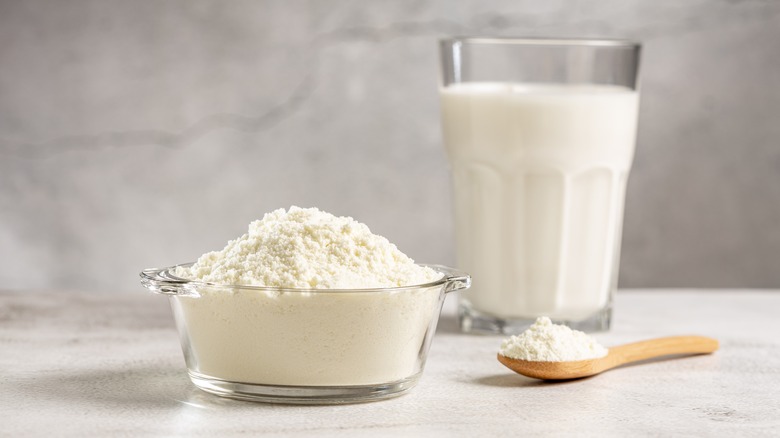
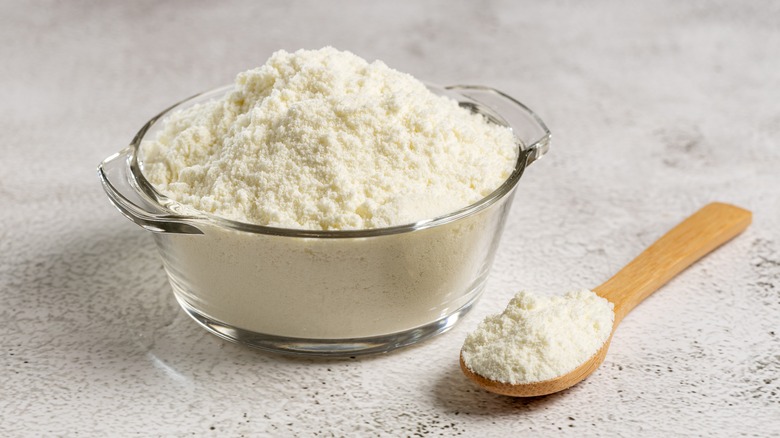
You might think of powdered milk as a product best reserved for emergencies or camping trips, but it's now finding its way into our everyday eating and drinking. Demand for this convenient pantry staple is growing, and by 2035, its global market value is expected to reach a whopping 53.4 billion dollars. Fresh milk price rises are likely a factor in powdered milk's renewed popularity, as are its convenient, shelf-stable qualities.
With a packet of powdered milk in your pantry, there's no need to worry about it going bad, as fresh milk so quickly can. Instead, you can store the unopened dried version pretty much indefinitely, reaching for it essentially any time you'd typically grab fresh milk. As well as costing significantly less per serving, powdered milk offers all of the nutrition of regular milk, including protein, calcium, and vitamins. It can be mixed with water and poured into cereal or coffee, or simply added dry to soups, sauces, or baked goods for a richer finish.
Millet
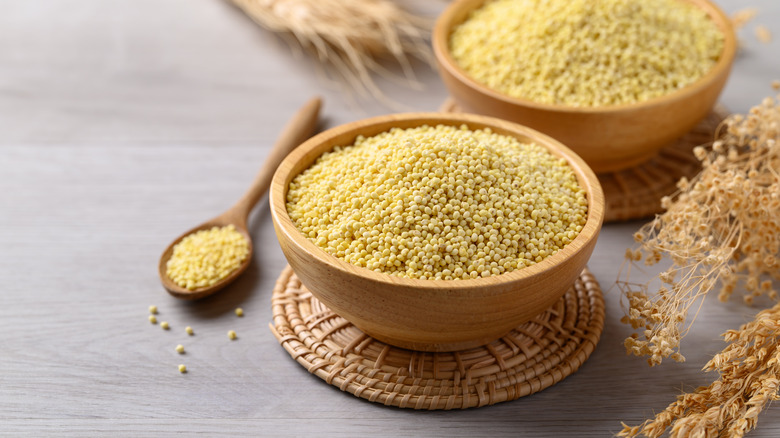
Another grain that most definitely deserves its newfound place in the spotlight is millet. For too long, it was left on the shelf in favor of trendier options like quinoa and buckwheat, but as prices of these "superfood" grains have climbed, millet's appeal has grown, too. This grain is inexpensive, filling, and naturally gluten-free, and it offers just as much versatility as its pricier cousins.
The term millet actually refers to a group of small-seeded grains, with multiple varieties to choose from. These include pearl, finger, and foxtail millet, which each possess different colors and flavor profiles. Generally cooked much like rice or quinoa, millet can be boiled with water or broth until the liquid has been absorbed and the grains are wonderfully fluffy. Texture-wise, it's similar to couscous, while its flavor is often described as nutty and corn-like.
Millet fits seamlessly into a range of sweet and savory recipes, whether you're tossing it into a salad, using it to bulk out homemade veggie burgers, or baking it into a cake. It also makes for an excellent alternative to oats in a hearty breakfast porridge, when simmered with your choice of milk until thick and creamy.