

9 Tips For Cooking With Grand Marnier
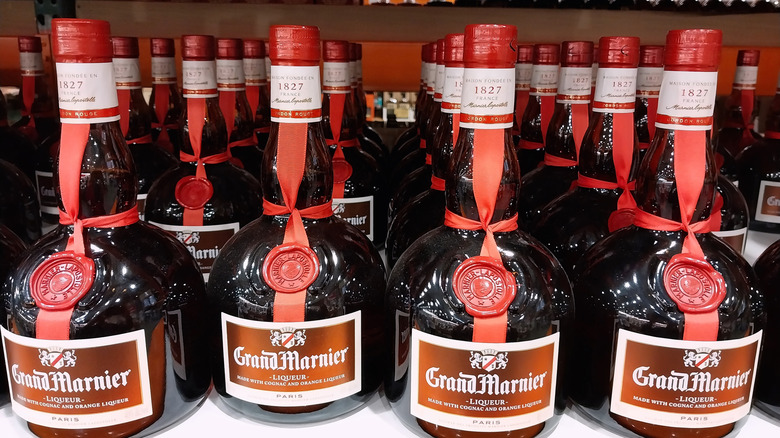
There are plenty of liqueur out there that work well in the kitchen, but one that doesn't get as much mention as it deserves is Grand Mariner. This French product is a blend of cognac and bitter orange liqueur, and it's full of flavor and character. It's not completely unknown in cooking, as it's most often remembered for being part of an iconic French recipe, crepe Suzette. Still, it's useful in various other cooking applications.
Anybody who's tasted Grand Mariner before will know just how special it is. As you may imagine from an orange liqueur, it's sweet, fragrant, and bitter. But unlike others, it also has silky cognac notes of caramel and vanilla. That's why it's so popular in several classic cocktails like margaritas, cosmopolitans, and sidecars. Thanks to my mixology training, I've mastered most of them, and a few other unique Grand Mariner concoctions of my own.
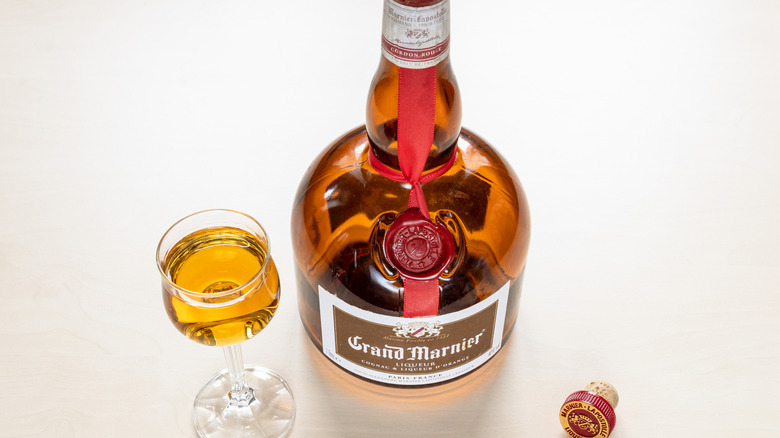
When I'm not wanting to drink something strong, it also makes for a decadent addition to hot chocolate, which is so good, it might just be your new go-to night cap. Beyond the beverages, Grand Mariner is a powerhouse ingredient to cook with. As a culinary-trained recipe developer, I've always got a red-ribboned bottle in my pantry for glazes, marinades, or if something needs to be flambéed. But there's no need to be intimidated to use it, you don't need any fancy techniques to make the most of its rich flavor. Here are some tips for cooking with Grand Mariner.
1. A little goes a long way
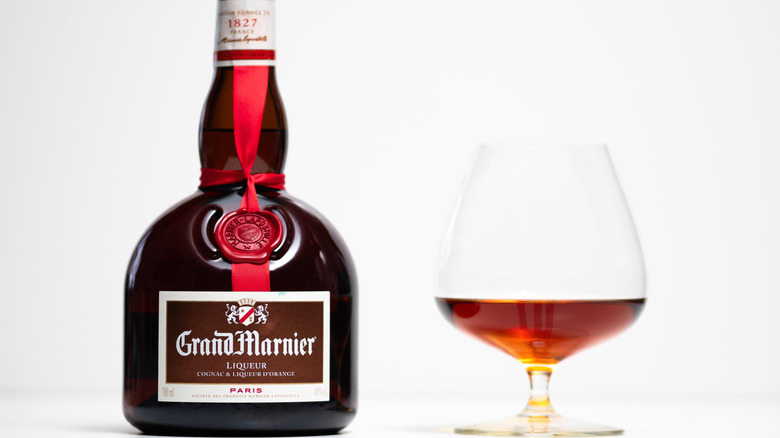
My first piece of advice for anybody that wants to reach for a bottle of Grand Mariner in the kitchen is that you should always start with just a little splash of it. It's an incredible ingredient when appropriately used, but it's also really potent, with a high alcohol percentage (40%). If you add too much, it can overpower your recipe. Plus, it's actually quite sweet, so if you're making a dessert, there's a risk it can be overly sweet with too much Grand Mariner. The same goes for savory dishes, which can benefit from a little sweetness, but too much can throw the taste off balance.
So, my first rule of cooking with Grand Mariner is to remember that a little goes a long way. Always start with a little bit, because you can always add more later. You cannot however, remove it once you've added too much. How much to add obviously depends on what you are making, so I can't give a general rule of thumb. One way to go about it if you're a newbie to this liqueur is to add a little bit, starting with as little as 1 teaspoon, then taste. Tasting before adding more is a great way to go about gauging how much a recipe needs.
2. Don't underestimate its use for savory dishes
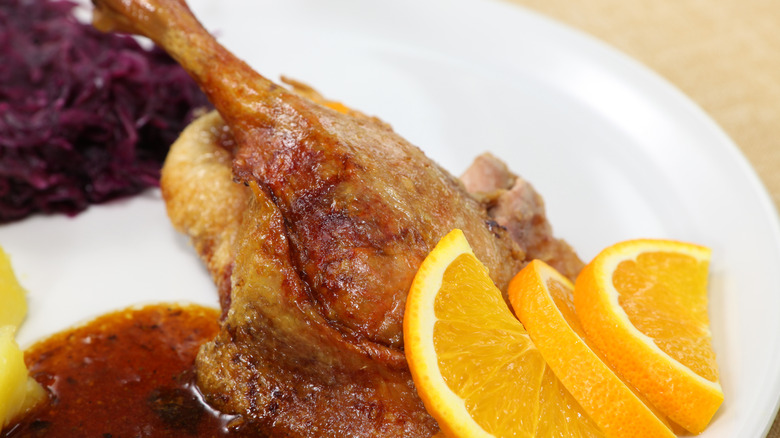
Grand Marnier may be known or used for specific recipes in the kitchen, but they often tend to be desserts. Naturally, a beverage that's sweet and tastes of orange and vanilla would be an obvious choice for desserts. Still, those same elements that make it work in desserts actually also apply to savory dishes. Many savory foods can be enhanced with a hint of sweetness, or the brightening character of citrus fruit. And, Grand Marnier isn't just sweet and citrusy, it's also bitter, and slightly smoky. All those flavors work together to bring a full-bodied extra splash of complexity.
One of the most exquisite ways to use Grand Marnier is in poultry. Think orange chicken or duck a l'orange, but with a boozy edge. What could be yummier? Something about the delicate meatiness of poultry, whether roasted, poached, fried, or stir fried, invites sweetness, citrus, and even a subtle dash of vanilla. Plus, what could be more impressive than presenting a Grand Mariner roast chicken to your guests at the next dinner party?
Other than poultry, I would suggest incorporating Grand Marnier into baked salmon, or even a grilled halibut. With all these foods, there are various ways you can use the liqueur, whether in a marinade, sauce, jus, glaze, or dressing.
3. It works well in marinades
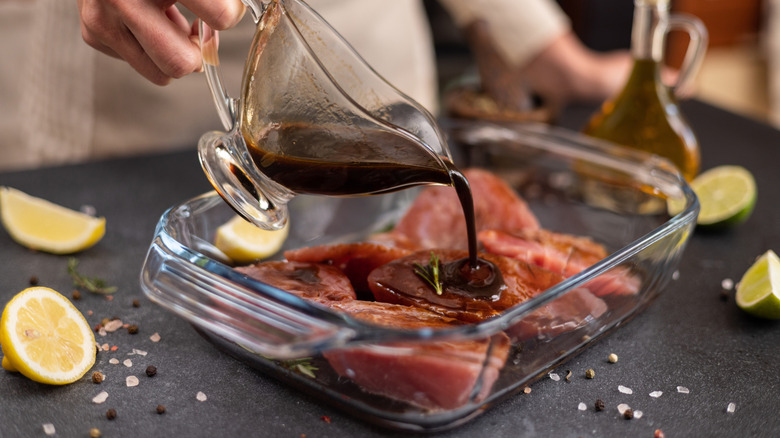
An easy way to start cooking with Grand Mariner is to use some in a marinade. Marinades are meant to be liquid and packed with flavor, in order to infuse that flavor into the protein or vegetable being marinated. I like to think of which marinade would benefit from orange to give me a clue of where to start. I would immediately jump to pollo asado, which uses orange juice in the marinade. Either do a blend of orange juice and Grand Mariner, or just Grand Mariner for a less liquid-y marinade. It will have all the orange flavor you're looking for, with a little more boldness.
You can also go the way of an East Asian-inspired marinade by mixing some hoisin sauce, soy sauce, sesame oil, and a splash of Grand Mariner. This has everything you would want in a sauce; tons of umami, sweetness, acidity, and bitterness. Marinate anything from tuna steaks, to a whole chicken, to tofu, to a wrack of ribs, in that marinade. You might never look back.
4. Learn how to flambé with it
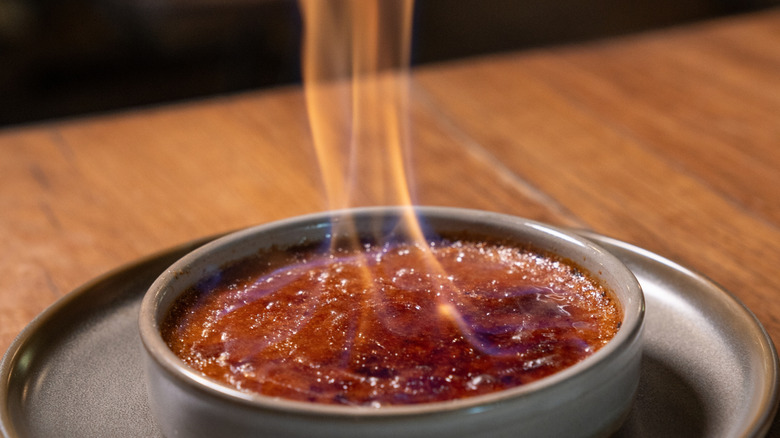
If you've got a bottle of Grand Mariner, you may as well also learn how to flambé with it and make some crêpes Suzette. It might be an old-timey French recipe, but it's classic for a reason. If you order it in a restaurant, it's usually served with some table-side theatre, where crêpes are doused with Grand Mariner and lit on fire in front of you. This is flambéing. The flame dies down pretty quickly as the alcohol evaporates to achieve the "flambé" effect. The alcohol itself is gone, but its flavor remains. This often takes the edge off of Grand Mariner, and makes it incredibly smooth, allowing it to blend more gently with the sauce, cream, or whatever you're adding it to.
In the case of crêpes Suzette, the Grand Marinere is mixed in with a luscious butter, sugar, and orange sauce that is poured onto the crêpes and the result is heavenly. Learning to flambé is a pretty neat technique to have up your sleeve, and it's a whole lot of fun when done safely.
Other than crêpes Suzette, you can also "flambé" baked Alaska, creme brûlée, or bananas foster. On the savory side, you can flambé a Christmas ham with Grand Marinere, or even a whole chicken, turkey, duck, or a whole baked fish. It will bring pizazz and a subtle lingering aroma.
5. Reinforce the citrus flavor with real fruit
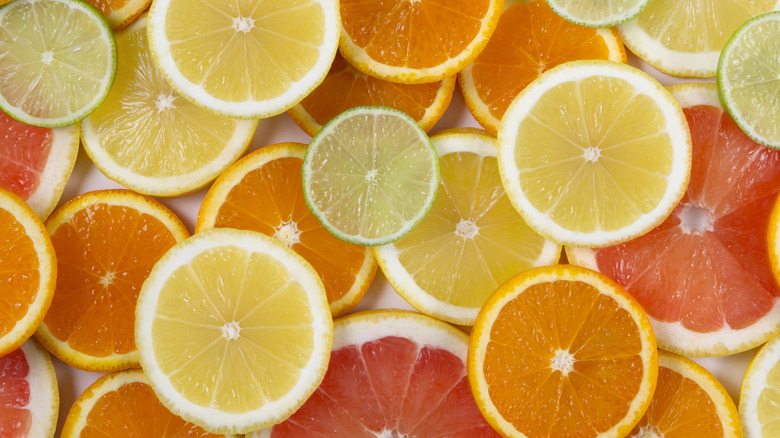
If you really love Grand Mariner, then it's a good idea to emphasize its citrus-flavor even more with real citrus. This will make it the star of the show and not just a side character. Using real fruit in your marinades, sauces, or glazes will reinforce the citrus flavor and make it taste fresh.
This can apply to both savory and sweet, so if you're making orange chicken, use both orange halves, or juice and zest, and Grand Mariner. Or, if you're making a Grand Mariner dessert, try marinating some oranges in it, and then use the marinated oranges to elevate any dessert, like cheesecake, pudding, ice-cream, and creme brûlée.
Plus, you don't need to stop at just oranges. I've found that the type of citrus you use can help bring home the type of flavor you like. To emphasize the bitterness element, use pomelos, grapefruit, or blood oranges. For more freshness and sourness, use limes and lemons, and for double the dose of sweetness, opt for ripe clementines and mandarins. You'll have so much fun playing with these flavors, and your food will just taste better.
6. Use it to deglaze your pan
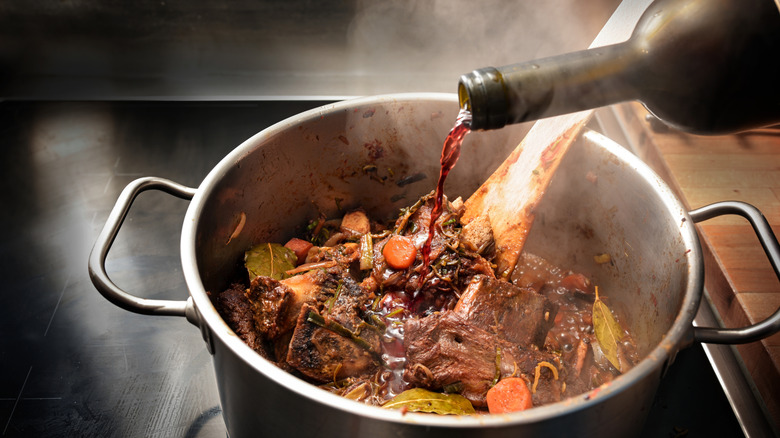
Seasoned cooks will most likely know what deglazing a pan is, or perhaps even know how to do it, but not necessarily know that's what is called. Deglazing is a simple technique which involves pouring some liquid into a pot or pan that you've browned something in. The liquid loosens all the bits of browned food that has stuck to the bottom of the pan, and add heaps of flavor to the liquid. This can be anything from caramelized onion, to pot roast, to a mirepoix. I recommend using Grand Mariner as your deglazing liquid. This concentrates even more flavor into your gravy, soup, or stew, and gives it a citrusy element.
People often use wine or even beer to deglaze their pan while cooking, so using something like Grand Mariner is not far-fetched at all. Deglazing with Grand Mariner also involves cooking it somewhat, which will cause the alcohol to evaporate. This can actually be a good thing for the flavor of your dish, so that it's not too strong, while still imparting the desirable taste of the liqueur.
7. Make it the acid component to brighten a dish
One of the easiest ways to improve on a dish, especially if it's a little lackluster, is to add in an acidic component. This is often things like a squeeze of lemon juice, a dash of vinegar, or a glug of wine. Instead of these, use Grand Marnier. It's acidic and even has the bitter orange element that will brighten and lift up a dish that's a little on the bland side.
If you're wondering in practical terms what this means, the possibilities are endless. It might be a zesty salad dressing that you want to add some more oomph to, or it can go directly into the pot of beef stew that's a little too rich and needs something to cut through it. It can even apply to creamy desserts using the same logic. Perhaps your chocolate mousse could benefit from something to make it taste better and lighter. It even works in some plain, sweetened whipped cream. Pipe that onto a sundae, and it will make your dessert.
8. Use it to add flavor to baked goods
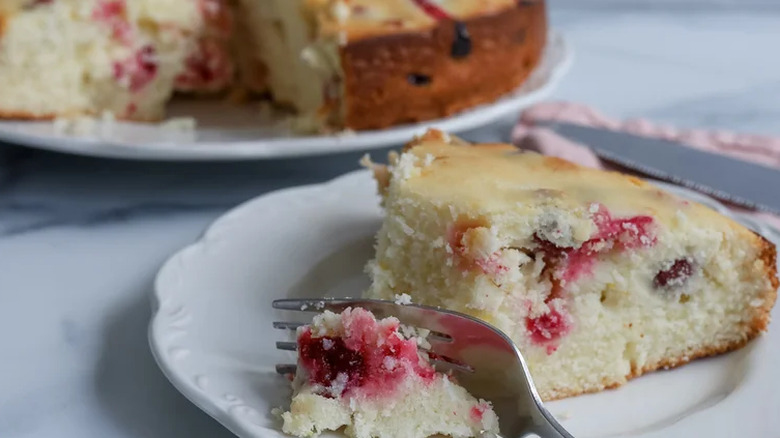
I've mentioned a bunch of desserts that work well with Grand Marnier, but you can also use it inside baked goods. You can add some directly into the batter of a sponge cake, soufflé, scones, or perhaps some cookie dough. You could see it as a vanilla essence substitute, as it's got some vanilla notes in it, too. Plus, vanilla essence or extract is sometimes made by infusing vanilla beans in alcohol. You could even add it to bread dough, for a sophisticated or festive loaf. Throw in some orange rinds and raisins, and you've got yourself a holiday bread that would be delicious with some butter.
Baking with Grand Mariner works much in the same way as it does in cooking, in the sense that all or some of the alcohol may cook off if there's enough heat and time — but the remaining flavor will be there in all its glory. If you're not sure where to start, why not try this baked ricotta cheesecake, spiked with some Grand Mariner. You would just add a tablespoon or 2 right into the ricotta and cream cheese mixture. Speaking of ricotta, some Grand Marnier would really brighten up this cranberry ricotta cake recipe. Cranberry and citrus are a match made in heaven!
9. It can enhance a bland glaze
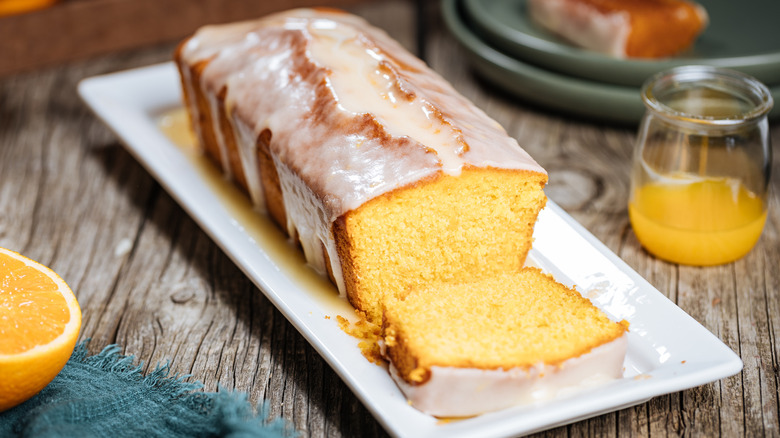
The right glaze can be the thing that makes you like your fingers after eating some sweet and sticky chicken wings, or it can be the thing that makes your holiday ham a huge success. I love adding Grand Mariner to glazes of all kinds, and it can really take a glaze from bland to sparkling. If I'm making some baked salmon, I make a sweet and sour glaze using just pomegranate molasses, Grand Marnier, and some salt. After brushing it onto the salmon pieces, it bakes in the oven, caramelizing and forming a delightfully sticky and glossy glaze.
I also like adding it to a Sunday roast chicken with an apricot glaze. A dash of Grand Marnier and apricot jam are a treat together, and the combination brings a lot of character to a roasted chicken. Whichever flavor route you go with a glaze, make sure you only brush it into your protein near the end of cooking, as the sugar content is likely to burn if you cook it too early.
Sweet glazes for cakes can also be enhanced exponentially by a spritz or two of Grand Mariner. Imagine an orange cake with a Grand Marnier glaze. Just a bit of powdered sugar, water or juice, and Grand Marnier would make for an exquisite glaze for muffins, pound cake, cupcakes, and more.