

Avoid Pouring These 11 Liquids Down The Kitchen Sink At All Costs
We've all been guilty of treating the kitchen sink like a secondary trash can. Pouring a liquid into the regular kitchen garbage feels oddly wrong, so down the drain it usually goes. In that moment, we're not really thinking that the substance we're pouring down the drain could, in the long run, cause common kitchen sink problems; we're just looking to get rid of something we didn't use up.
However convenient, the kitchen sink is not a universal dumping ground and really should not be used as such. To ensure the longevity of your pipes and spare yourself high plumbing fees, you're much better off not pouring certain liquids down the drain, especially on a regular basis. We put together a list of 11 liquids that shouldn't see the inside of your kitchen pipes, hopefully saving you from potential plumbing mishaps. Most of the items on this list are better off in the trash can, some can go onto the compost, and a few come with special disposal instructions.
Cooking oil
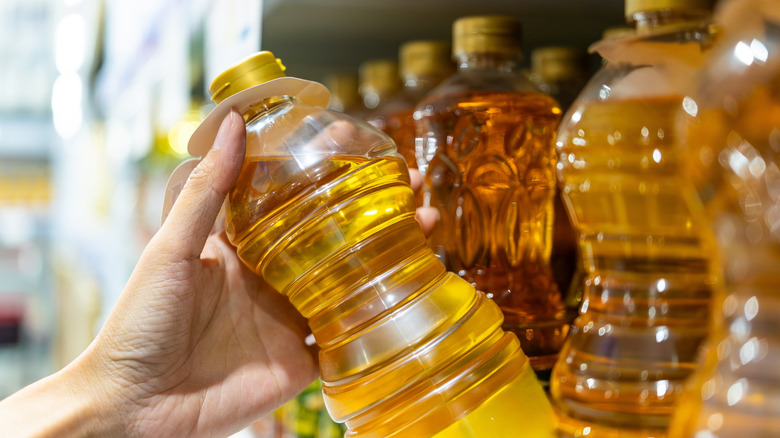
Most homeowners know that dumping cooking oil into the sink is the cardinal sin of plumbing. Oil is more viscous than water, so the two can never fully mix. The oil will slow down the flow of your pipes and may eventually clog them completely, acting like glue for other materials running past it. Oil also impacts the environment, but luckily, there are many safe ways to dispose of cooking oils.
Boiling water
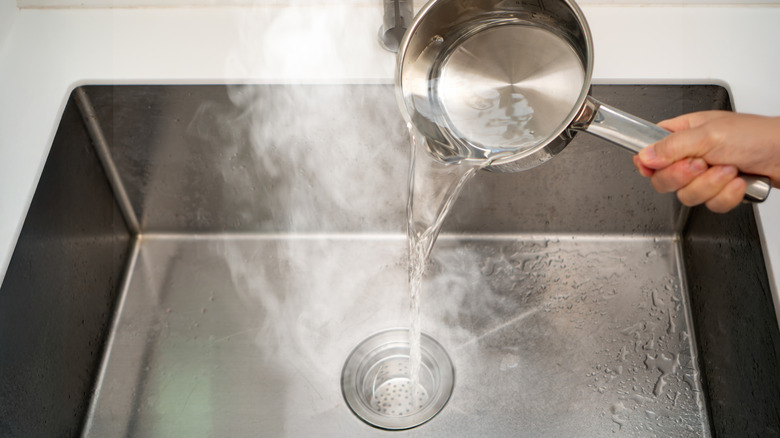
Are you pouring bubbling pasta water down the drain? Or have you tried cleaning out the pipes with boiling water? You might want to reconsider these practices and avoid pouring boiling water into the kitchen sink. Modern PVC pipes get damaged by the scorching temperature — even more so if they're already clogged because they'll retain the heat. Play it safe and scoop spaghetti out with tongs then leave the water to cool.
Bleach
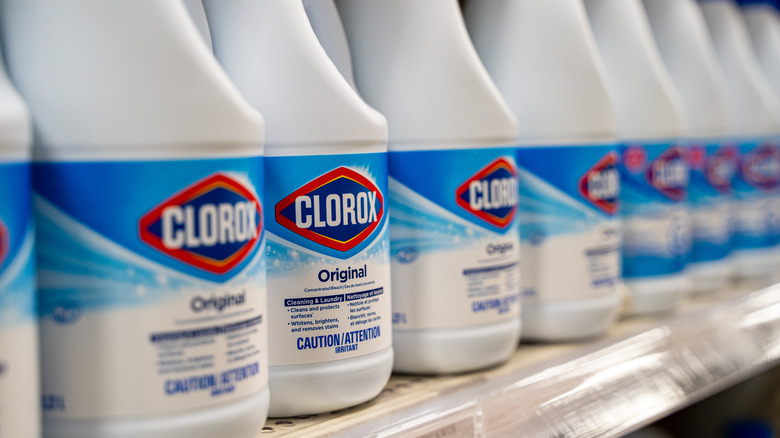
Bleach is a very strong chemical that can corrode metal pipes and damage the seals on PVC pipes. The safest way to dispose of it is to take it to a hazardous waste facility. The same goes for all cleaning agents that contain harsh chemicals. Not only will you be protecting your plumbing, but you'll also be ensuring that those chemicals don't make it into the environment.
Vinegar

Vinegar is often the number one ingredient in a homemade all-purpose cleaner. It's great for cleaning various kitchen surfaces, but it's not compatible with the drain. While the acid in the vinegar likely won't ruin your pipes from a single incident, if you consistently pour vinegar into the sink, the acidity starts to cause irreparable damage over time. The same goes for lemon juice and other acidic liquids.
Dairy
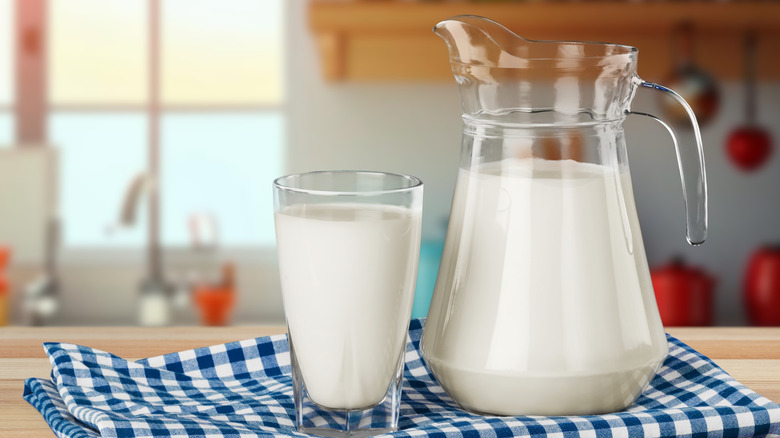
Don't cry over spilled milk, unless you spilled it directly into the kitchen sink. Dairy products contain fat that, similarly to cooking oil, acts like glue inside the pipes. Yogurt, milk, heavy cream, and melted ice cream can all create blockages inside your drain, as well as contribute to the creation of fatbergs in sewer systems. Instead, use leftover milk to fight mildew in your garden or mix it into compost.
Coffee grounds
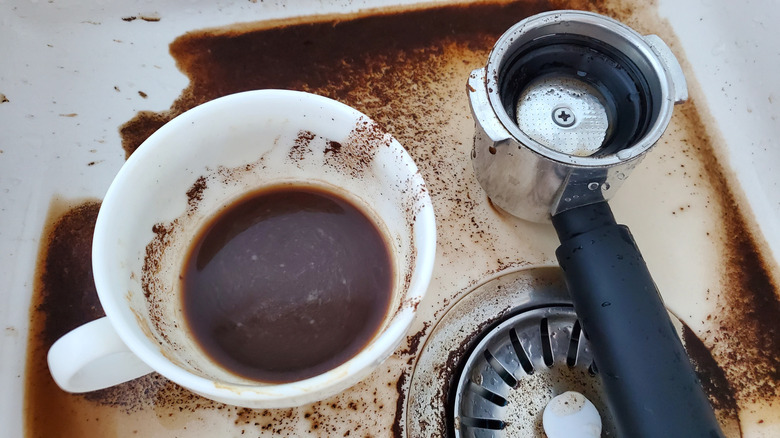
If you brew your own java at home and have coffee grounds to dispose of on a daily basis, mixing them with water and pouring them down the drain is not a good idea. While the liquid will indeed pass through the pipes, the coffee residue will build up at certain points in the system and eventually create a clogging problem. There are better ways to use up your coffee grounds that don't result in a large plumbing bill.
Honey
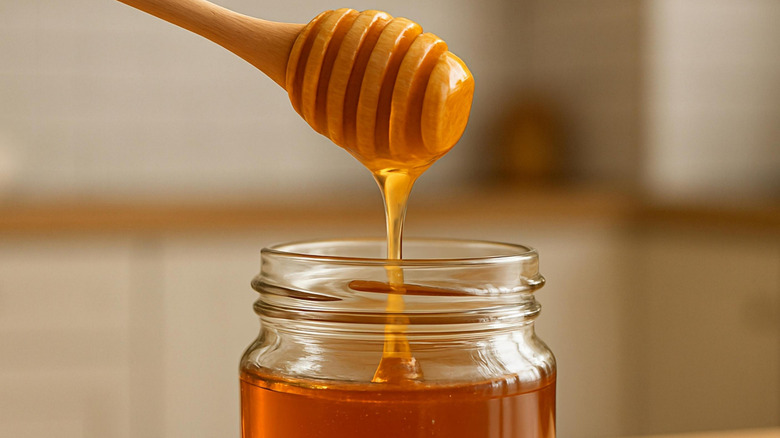
This one might be obvious, but it's still worth mentioning. Honey is far too sticky and thick to go down the drain. It's almost like pouring glue into your sink, not to mention that once it hardens and crystallizes under cold temperatures, it will form big sticky lumps. There's really no reason to be tossing honey anyways — pure honey never spoils, so you could theoretically keep it forever.
Medication

If you find an expired bottle of cough syrup in the cabinet and think, "I'll just pour it in the sink," you'll be contributing to the pollution of water sources, which significantly affects wildlife and potentially drinking water. A safer way to dispose of medication is at special drug take-back locations or by using drug mail-back envelopes from most pharmacies, as well as online.
Flour slurry
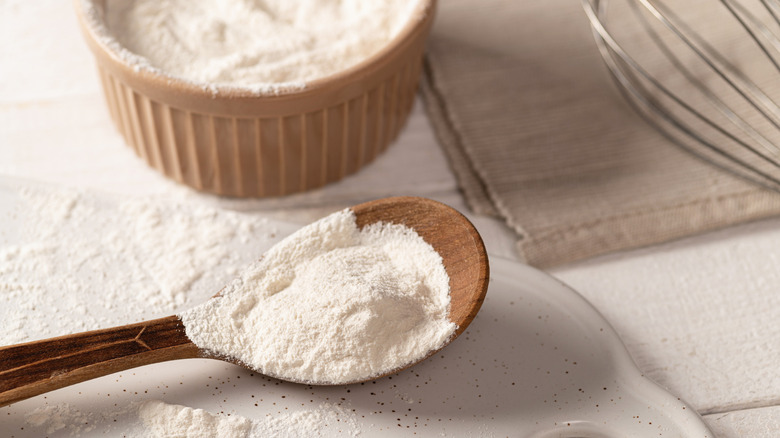
By now you're surely picking up on the fact that anything gooey and sticky is a bad match for your kitchen pipes. Flour mixed with liquid falls into that same category, potentially resulting in a plumbing disaster. When you have flour slurry or another starchy thickener left over from cooking, it's much better to toss it in the trash or into the compost.
Salad dressing
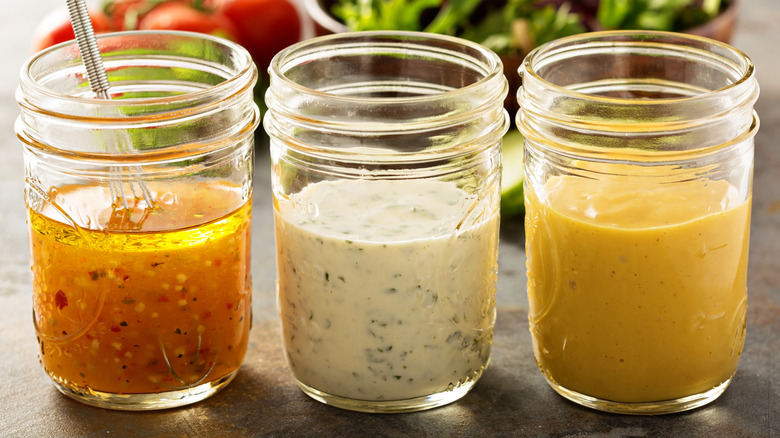
Salad dressings combine oil and acid, two big offenders for your plumbing system. In yogurt-based dressings, that's dairy added to the mix as well, introducing yet another problematic factor into your drain. Pouring salad dressings into the sink is a recipe for a blocked pipe down the line, so avoid it if at all possible. Once again the trash can is the better option here, however counterintuitive it feels.
Drain cleaners
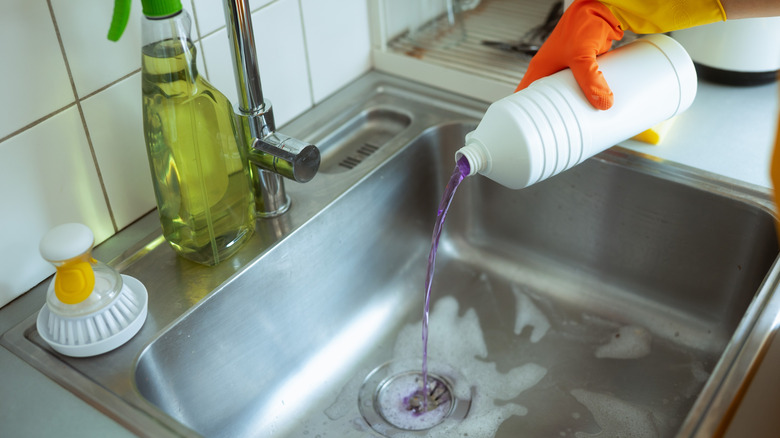
We'd bet our bottom dollar that you didn't expect to see drain cleaners on this list. Surprisingly, most plumbers advise against using drain cleaners because the chemicals in them are so harsh they can corrode your pipes without actually helping with any problems. In other words, drain cleaners work against the longevity of the pipes, no matter what the bottle advertises.