

10 Foods To Avoid Buying Frozen
We may receive a commission on purchases made from links.
Have you ever taken a moment to appreciate how remarkable it is that you can just walk over to your freezer and pull out practically anything you want? Month-old bacon? Definitely. Out-of-season produce? Absolutely. Complete meals, just needing a few minutes in your microwave or air fryer? There for the taking.
Frozen food was one of the 20th century's most revolutionary advancements in food, by just about any measure you care to choose. Freezing stops bacterial growth and slows decomposition enzymes to a crawl, making it one of the most reliable forms of food preservation. Early frozen foods may have been iffy, but now freezing is a well-proven way to capture foods at their freshest and (mostly) highest quality. But not all foods are equally appropriate for freezing; while some excel, others are best left out of your shopping cart.
I'm a trained chef and former restaurateur, and I've run kitchens ranging from dozens of staff and millions in revenue to a tiny tourist eatery in a scenic seaside location. I've worked with all kinds of frozen foods over the years and have strong opinions about what works and what doesn't, mostly based on how freezing impacts the food's flavor or texture. With that, here's my list of the frozen foods you should avoid buying.
1. Fried chicken
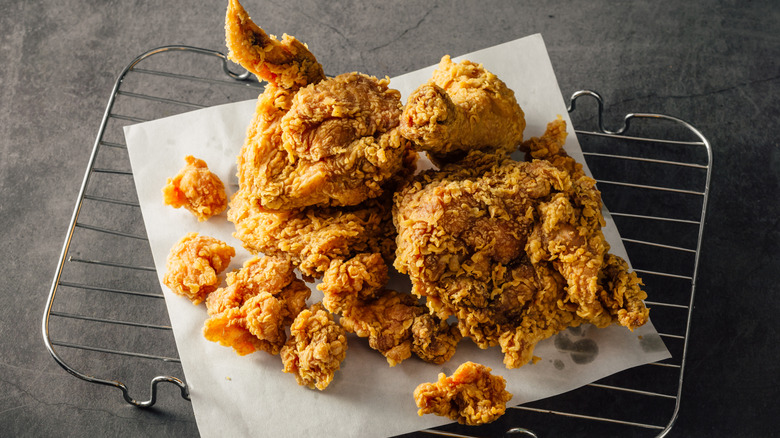
Who doesn't like fried chicken? Ironically for a future chef, I didn't get a lot of restaurant food as a kid (my parents didn't often have that kind of budget), but I vividly remember my delight when they'd occasionally spring for a bucket of chicken.
When it's done right, fried chicken is a glorious thing: crisp, golden, and delicately crunchy on the outside, but juicy and perfectly cooked on the inside. Unfortunately, trying to capture that same feeling with frozen fried chicken — I'm thinking primarily of fried chicken TV dinners or pre-cooked breaded breasts — will inevitably be disappointing. No matter how well frozen pre-fried chicken is prepared, it won't be nearly as texturally satisfying as fresh, fried chicken.
To be fair, some brands are better than others, and you'll certainly enjoy better results if you reheat your frozen chicken in a skillet, or in your air fryer, rather than just popping it in the microwave. But even if you heat it carefully, managing to crisp the exterior without overcooking the interior is a needle that's pretty hard to thread. You're probably better off doing what my parents did and treating your fried-chicken cravings as an opportunity to order out.
2. Carrots
Vegetables are a mixed bag (pun intended) when it comes to freezing. Some, like peas and whole-kernel corn, freeze beautifully. I can remember, as a child, being shocked at how close frozen peas were to the ones from my father's garden.
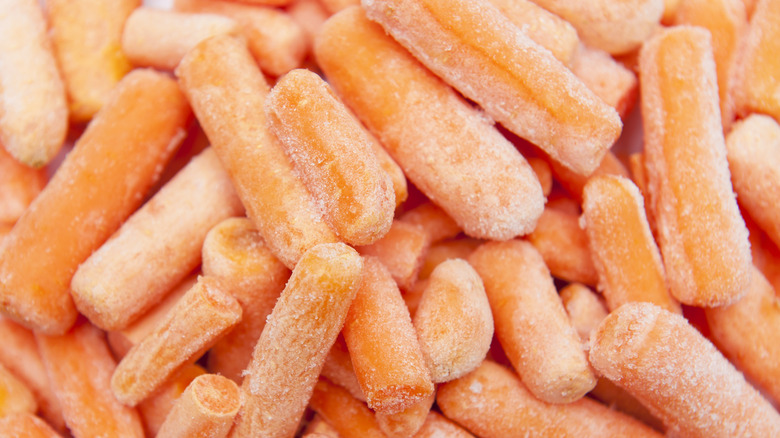
Other vegetables are chancier. Some of them are "acceptable," meaning that while they don't adapt to freezing as well as other vegetables, their taste and texture aren't off-putting. But a few don't measure up to even that low bar, and I'd personally put carrots on that list. I know carrots are included in a lot of frozen vegetable mixes, like the old-school peas-and-carrots combo or as baby-cut carrots in other combinations, and most of us do buy and use those occasionally. The thing is, once they're frozen, they'll always have a weirdly spongy texture. That's probably why you'll seldom see carrots sold on their own in the frozen section.
So how can you get the best out of frozen carrots? Well, one option is just to cook them to death. At that point, they'll be mushy, but at least they won't be spongy. Another option is to mash them, which also masks their texture (I'll often mash carrots and potatoes together as a side dish). Since they're mostly sold in mixes with other vegetables, either of those options means picking carrots out of the mix and cooking them separately. I'd rather just peel fresh carrots.
3. Frozen sandwiches
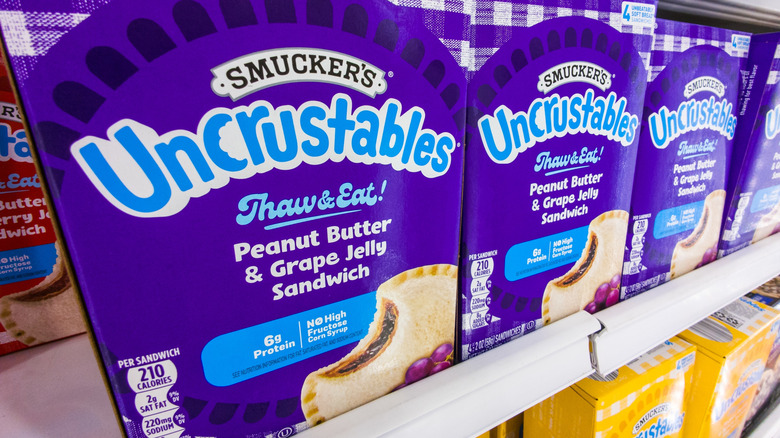
This is where I'll remind you that my list is subjective and personal, because sandwiches from the frozen section are hugely popular. The J.M. Smucker's Company, for one, expects to generate $1 billion in revenue from Uncrustables alone by the end of 2026, per its 2024 annual report.
I get that life is busy and they're convenient, but I make PB&Js for my grandkids all the time. It's faster than the 30 minutes Uncrustables take to thaw, and there are more ways to customize them beyond the relative handful of Uncrustables flavors that Smucker's offers. They're not exactly cheap, and user reviews often criticize their hit-or-miss freshness and unevenly distributed fillings. I'm not picking on Smuckers, either; there are other brands of frozen sandwiches that share the same shortcomings (frozen grilled cheese? I just can't).
Homemade sandwiches are fast and easy, and you can choose both your bread and your filling. That means they're good for stretching your grocery budget, and you can modify them to fit your nutritional goals. You can even get an inexpensive sandwich cutter, like this Chichaus one on Amazon, and give your homemade sandwiches that store-bought look. So yeah, avoid buying them frozen. You pay quite a premium for convenience.
4. Mushrooms
Let me say upfront that I really love mushrooms. I buy a lot of them, grow my own, and even belong to a couple of mushroom-foraging groups.
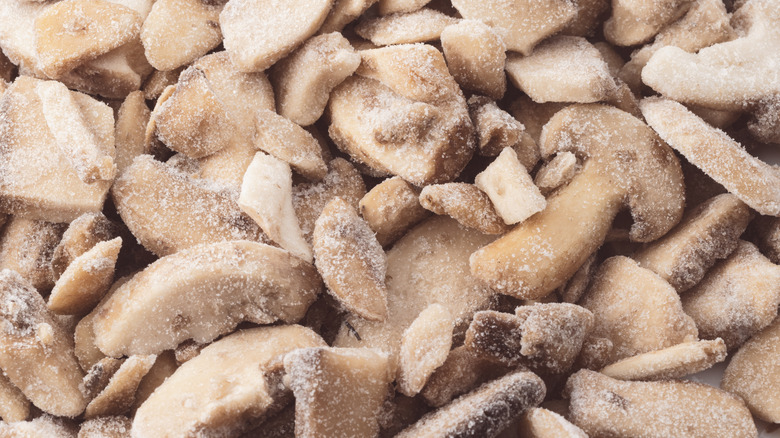
So it hurts me to say this, but store-bought frozen mushrooms are seldom worth your time. Canned mushrooms can be rubbery, but frozen mushrooms are often soggy or downright mushy after they're thawed. Don't misunderstand me; they'll still give you that mushroom flavor in your cooked meals, and some people even consider frozen mushrooms a staple. Though to me, they're best relegated to meals like casseroles or minced up and added to ground beef, where you can enjoy their flavor while masking their unpleasant texture.
The problem, I think, is that mushrooms are treated like vegetables (they're a whole separate kind of organism): they're often just steam-blanched before freezing to stop their natural decomposition enzymes, and that does nothing to remove excess moisture. Ironically, this is one case where home freezing consistently produces a better result than commercial freezing. I prefer to saute my mushrooms before freezing them, which removes most of the excess water and greatly improves their texture when thawed. This also allows me to add flavorings (usually salt, onions, and garlic) before freezing them.
5. Eggplant or zucchini
Vegetables with high water content are especially problematic for freezing, and the reason for that is basic science. Water expands when it freezes, as you'll know if you've ever had an overfilled container split in the freezer. The same thing happens with frozen foods, just on a smaller scale (individual cell walls), but the end result is equally damaging.
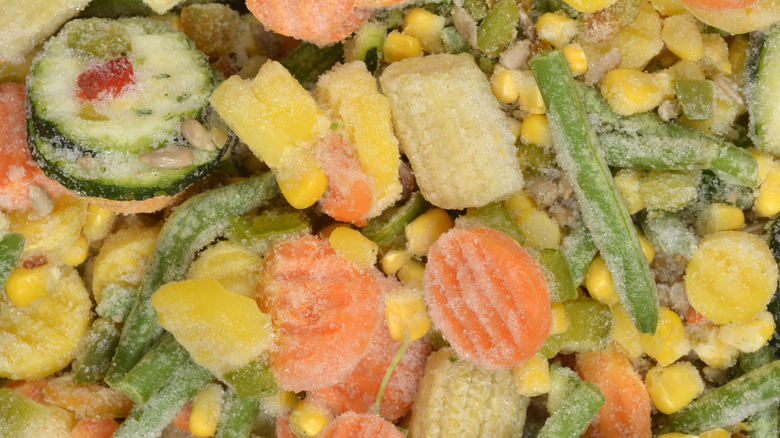
Quick freezing helps reduce the damage because it produces smaller ice crystals. That's how commercial freezing works: by using powerful blast freezers to chill foods very quickly. But when we're talking about eggplant or zucchini, which — like mushrooms — are mostly made of water, blast freezing can only get you so far. Really watery vegetables will still sustain heavy damage and be spongy and mushy once they're cooked.
This isn't as big a deal as it might be because these aren't vegetables you'll often see in the freezer aisle (manufacturers know their limitations perfectly well). You'll usually see them instead in vegetable mixes, usually with a Mediterranean slant. If I buy this mixture, I prefer to cook the eggplant and zucchini separately to ensure the excess moisture is cooked out and they're very soft. Pairing them with something with textural contrast, like bread, crackers, or toast, helps a lot.
6. Oily fish
You can make a strong case that the modern frozen-food industry starts with fish. That's because a naturalist named Clarence Birdseye, who was doing some fieldwork among the Canadian Inuit in Labrador, was intrigued to see them using the stark, -40 F cold to preserve fish that tasted perfectly fresh when cooked. Birdseye, to his credit, figured out how to turn his observation into an industrial process (because not everyone is "blessed" with -40 F temperatures on the regular) and launched the company that still bears his name.
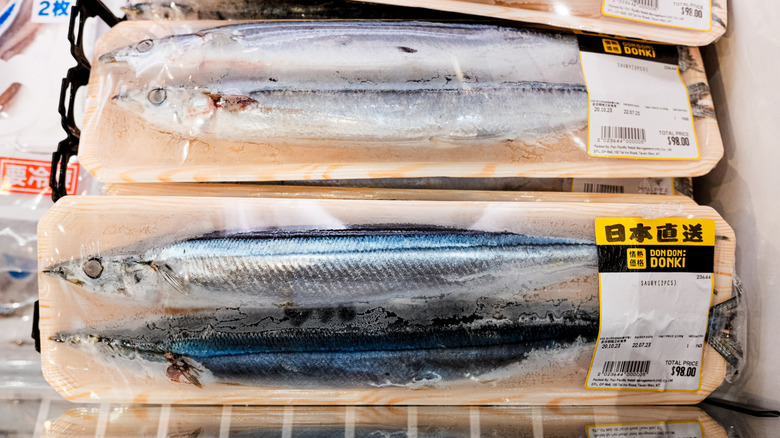
That said, there are lots of different kinds of fish and seafood, and not all of them lend themselves equally well to freezing. One of the big differentiators is the fat content of the fish. Most white fish, like cod, haddock, and sole, have relatively little fat and are described as "lean" fish. Others (salmon, mackerel, herring) are collectively called "oily" because they're the kinds that are high in omega-3 fatty acids. It's not a bad thing, but it does affect how well they freeze.
The issue is that the oils in these kinds of fish are quick to oxidize and become rancid, even in the freezer. Salmon isn't especially prone to this, because the extra fatty belly meat is typically trimmed off, but mackerel, herring, and fresh sardines or anchovies quickly develop "off" flavors in the freezer. It's better to buy them fresh when they're in season or from high-quality purveyors of canned fish.
7. Fish and chips
I'm going to confess my bias on this one, because I grew up in a place (Atlantic Canada) that really loves good fish and chips. I've even owned and operated a fish and chips place in a tourist-friendly coastal location. My standards are high, in short.
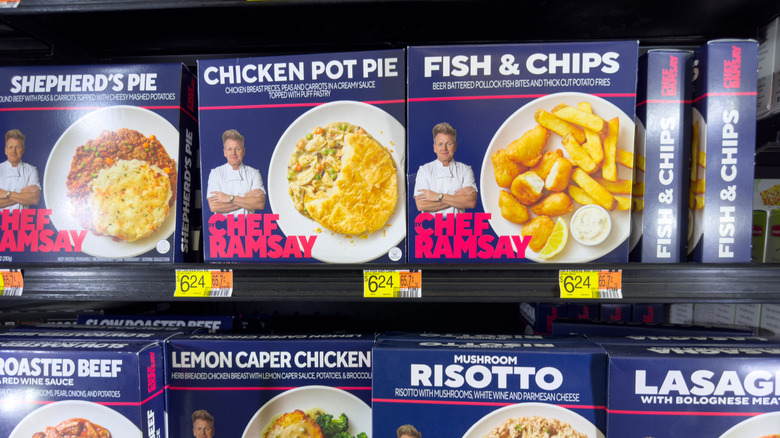
So here's my issue with packaged, frozen fish and chip dinners. It's no secret that some french fry brands are better than others, and you have your favorites. Similarly, store-bought frozen fish fillets vary in quality. So what are the odds that the fish and chips meal has both good-quality fish and good-quality french fries? And that the same reheating instructions will give you good results with each of them? In my experience, those odds are pretty poor.
If you're jonesing for fish and chips and you want to have that option available in your freezer, you're better off buying great frozen fish and french fries and reheating them separately (that's why there are two-basket air fryers, right?). That way, each component of the meal is as good as it can be — short of heating up a pot of oil and making them from scratch.
8. Breakfast sandwiches
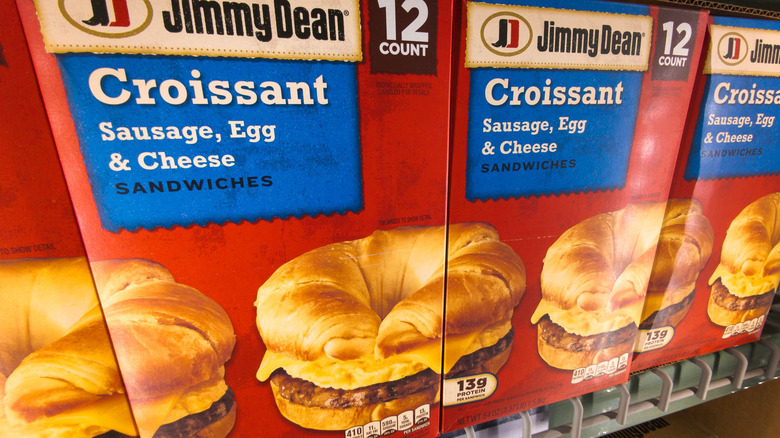
I've already talked about sandwiches as something that shouldn't be bought frozen (apologies to all the Uncrustables lovers out there). But I think breakfast sandwiches justify a separate discussion, because there's not a lot in common between a stamped-out PB&J and a typical breakfast sandwich.
There are two big ways breakfast sandwiches are differentiated from other frozen sandwiches. One is their ingredients, because they're typically built around some combination of eggs, cheese, and cured pork products, though a vegetable or two might sneak in there somehow. The other is their structure; instead of plain bread, they'll use anything from English muffins and French toast to pancakes as the outer component — none of which is bad, as far as that goes. We've all had similar sandwiches from fast-food chains, or even made them at home.
My objection to the frozen version is that the sandwich components come out gummy (usually the bread) or leathery (usually the egg) after reheating. Also, they're almost always calorie-dense or high in sodium, or both. Alternatively, you could make up your own breakfast sandwiches a couple of times a week and just refrigerate them. It gives you control of what's in the sandwiches, costs less, and it only takes a few minutes (I do this for my grandkids).
9. Bell peppers
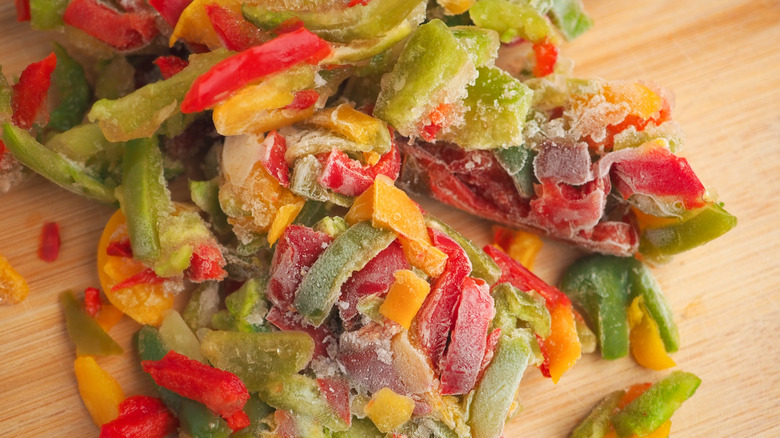
There's a lot to like about bell peppers. They're crunchy, sweet, juicy, colorful, and will bring a distinctive flavor to your cooked dishes. That's why I persist in growing them in my garden year after year, though they're challenging in my climate.
Sadly, while bell peppers have a lot of virtues, freezing well is not one of them. They fall into that difficult "high water content" category, like mushrooms and zucchini, and after freezing, they'll inevitably be soggy and mushy, no matter how you cook them. That's why you'll typically only see them as part of a mixed vegetable selection or as an ingredient in fully cooked meals. In those frozen dinners, they're usually passable because they're there primarily for flavor, and there'll typically be enough contrasting textures (rice or noodles and a protein-centric main ingredient) to distract from the softness of the vegetable itself.
Getting bell peppers in a bag of mixed vegetables is more of a challenge; you'll have to utilize contrasting flavors and textures to distract from them. The best use for frozen peppers is in a mix that's clearly intended to be cooked to death and used as the base flavoring for a finished dish, like Louisiana's "holy trinity" of green bell peppers, celery, and onion.
10. Frozen burger patties
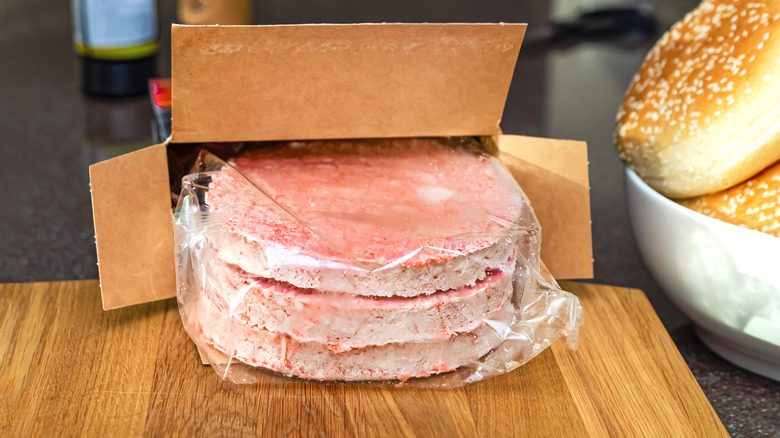
When grilling season rolls around, there will be no shortage of frozen burger patties to choose from at your local supermarket. They're definitely convenient to have on hand, and I'd be lying if I said I've never bought them myself. But honestly, they're a purchase I wouldn't recommend.
Part of the reason for that is basic math; I watch my grocery budget pretty closely, and frozen burger patties usually cost more than ground beef itself. Mostly, though, it's because I often find the texture and flavor of frozen burger patties lacking. There's a wide variation between the best and the worst frozen beef burgers, but far too often they're dry, crumbly, or lacking in beefy flavor. A surprisingly large number of them have a distinctively odd, rubbery, and chewy texture that's noticeably different from the "bite" you get from fresh beef.
I'll usually make up my own patties, which takes just a few minutes. I totally get it if you don't like the "ick factor" of handling raw meat (I use disposable gloves myself, though it's mostly to save on hand-washing). You do you, and if you find a brand that you like that's consistently good, then great! But you'll be disappointed more often than not.