

8 Best Affordable Matcha Brands, According To Experts
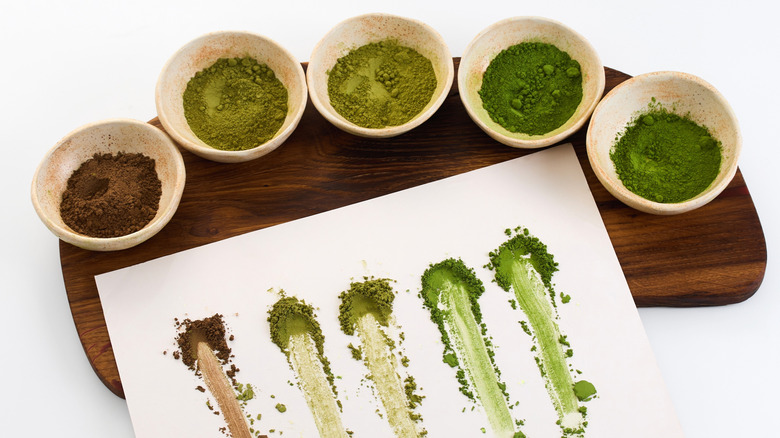
There's a lot to love about matcha. It's a slow-burning source of caffeine compared to coffee that's simultaneously earthy and sweet, and it's brimming with antioxidants. But one thing's for certain: Becoming a fan of this coveted green powder can have you shelling out more money than you initially anticipated. Matcha prices are steadily rising as worldwide demand increases and shortages occur in Japan. Now, more than ever, it's important to buy ethically, as well as rationally for your budget.
We spoke to two experts to learn about a handful of the more affordable matcha products on the market, as well as to better understand the factors influencing their price. Nethra Rajendran is the Beverage Experience Developer at Oatly and the host of the "Sustainability Defined" podcast, a platform she has previously used to discuss matcha. Also providing commentary is Will Shurtz, co-owner of Methodical Coffee, a company that roasts coffee and sells teas, including a ceremonial-grade matcha and a soon-to-be-released cafe matcha. Methodical Coffee also runs cafes with a special emphasis on relationships and intentionality.
We've organized these products from least to most expensive, though all are considered affordable by market standards. As we'll explain, the flavor profile of each matcha is unique, so don't hesitate to sample a few before settling on a favorite! Finally, we included both ceremonial and culinary grade matcha. "Ceremonial grade tea refers to the first harvest right after the spring rains," Rajendran explained. Those are typically the most prized leaves, but she stressed that even culinary grade matcha that's derived from later harvests can be wonderful.
Osada Everyday Matcha
"If your goal is to stay at or below $10 per ounce while still honoring flavor and color, look for Japanese-sourced culinary or everyday matcha," advised Nethra Rajendran. She also recommended buying 100-gram bags to save that precious moolah. As she suggested, Osada Everyday Matcha meets both criteria. At just over $7 per ounce, it's also the most affordable option on this list. You can purchase it from The Steeping Room, an online shop that eliminates the need for consumers to cough up steep international shipping fees.
Admittedly, there's not much information on the origin and grade, though everyday matcha is frequently a blend of multiple harvests. But don't let that turn you off. "The later harvests that are present in culinary grade have less L-Theanine," Rajendran explained, making them more bitter and ideal for incorporating into lattes, smoothies, and baked goods rather than water alone. Nevertheless, this product is allegedly well suited for usucha — the classic, water-based preparation of matcha — as well. Everyday matcha won't be as sweet or subtly complex as its more expensive counterparts, Rajendran clarified, but it can still be well worth your money.
While not certified organic, under EU regulations this product contains safe levels of pesticide residues. That's game changing; as Rajendran observed, a matcha "can be ceremonial grade and still be shaded with plastic tarps and grown in pesticide-laden land. Traceability, sustainability, and ethics within the supply chain are so important to consider."
ITO EN Oi Oicha Organic Matcha Powder
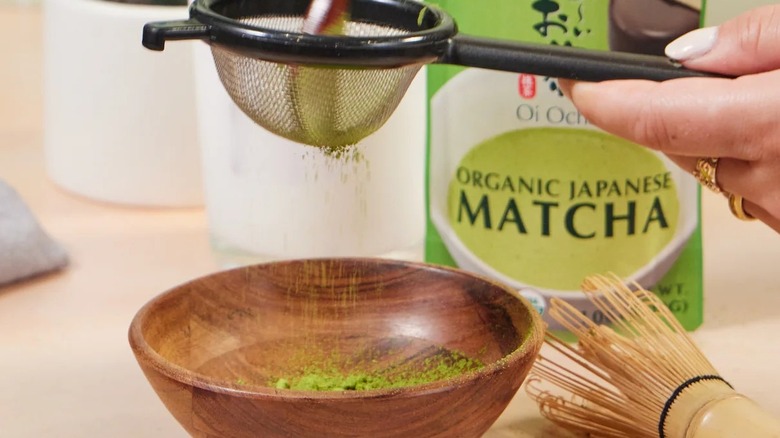
ITO EN specializes in Japanese green tea, and a part of its lineup is reserved for matcha. You may already be familiar with the brand's bottled green tea that's sold at many Asian grocery stores and restaurants. ITO EN sells pricey tins of organic ceremonial matcha and very affordable tins of culinary grade matcha under its brand matcha LOVE (along with several other matcha-themed tea bags and canned beverages).
However, it was the Oi Ocha Organic Matcha Powder, selling for under $10 per ounce, that Will Shurtz mentioned as an affordable culinary grade matcha. It's not quite as cheap as ITO EN's tinned culinary grade matcha, but the higher price is likely due to the product being organic. Plus, it's got great reviews, with one customer saying that they would have left more than a five star review if it were possible. Another customer noted that despite being culinary grade, this matcha's texture is smooth and its color is pleasing.
"Culinary, or cafe matcha, is not a bad thing," Shurtz emphasized. "It can be very useful in your recipes and can provide a more robust structure in the flavor profile." This product is what you might use to make matcha cinnamon rolls with cream cheese frosting or a batch of matcha muffins. According to Nethra Rajendran, "well done culinary grade leaves can be as tasty as ceremonial grade," so, give this product a chance and see how it holds up to your needs and expectations — it might just become your new pantry staple.
Rishi Everyday Matcha
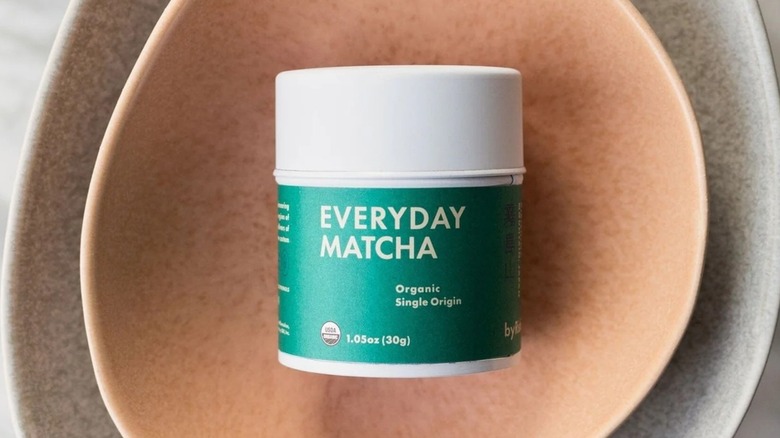
If you're an avid tea drinker, Rishi might already be a familiar brand in your books. It certainly is for us; we found Rishi's loose-leaf option to handily beat its competition in peppermint tea taste test. It turns out that the brand's Everyday Matcha is also a praiseworthy product. Customers say that it froths well and that it is naturally sweet, a little earthy, and worthy of repeat purchases. They also report that considering its low price (under $15 per ounce), this matcha is of an impressive caliber. Plus, it's organic and single origin, sourced from Japan's Kagoshima Prefecture. Nethra Rajendran generally recommended Rishi for its matcha products, so feel free to try out other (more expensive) releases like Nishi-san's Matcha Asanoka and Nishi-san's Matcha Tsuyuhikari.
According to Rajendran, the tea leaves used to make matcha "have been shaded when grown to bring out the chlorophyll, which gives you that vibrant green color." Will Shurtz concurred, adding that the earlier harvests tend to possess a more vivid color. So, the fact that customers have repeatedly praised the bright color of Rishi's Everyday Matcha is somewhat promising.
This tea is not ceremonial matcha; instead, it's made from the first and second harvests. While it could shine when whisked only into water, it's also a great candidate for our tropical matcha mocktail recipe.
Wild Orchard organic green or black matcha
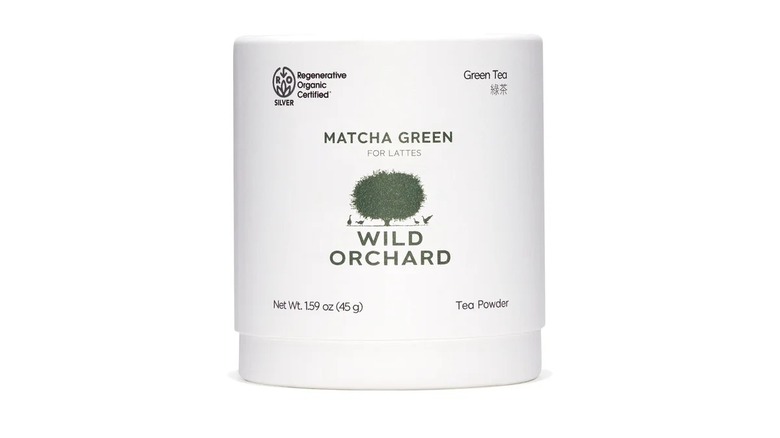
Nethra Rajendran recommended Wild Orchard for its budget-friendly, sustainable matcha. Interestingly, the brand offers two kinds of matcha for just under $14 per ounce: An organic green and an organic black matcha. Yes, you read that right: Black matcha. Unlike green tea, black tea is intentionally oxidized, and so this matcha's malty, earthy flavor profile will taste unlike any other matcha you've ever consumed. One customer shared that it is reminiscent of chocolate, while another compared it to Earl Grey tea.
Black matcha is far from traditional, but deviating from the norm is, in fact, the norm for this environmentally conscious company. Wild Orchard, which operates its own farm on Jeju Island in South Korea, has made the daring choice to grow its tea leaves in full sun for both kinds of matcha. Notably, the stems and veins are not removed before the tea leaves are ground, so these matcha powders are ferociously bitter.
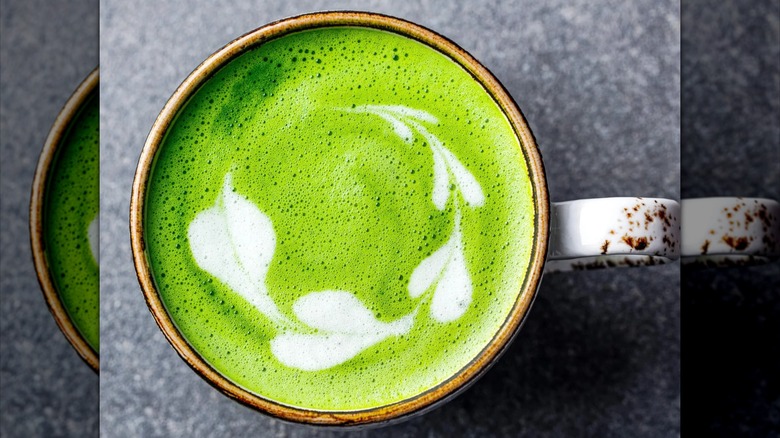
So how on earth does it sell? Instead of drinking this matcha with water alone (as usucha or koicha), these powders are intended for lattes, as it's clearly stipulated on the packages. That makes them perfect for our DIY matcha lattes or, branching out even further, our chai matcha lattes. Go ahead: Take a (tea) leaf out of Wild Orchard's book and get creative!
Matsukaze matcha by Yamamasa Koyamaen
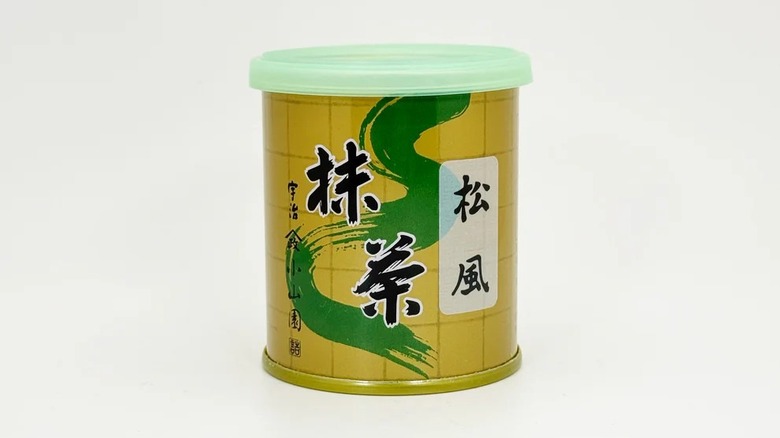
We found Yamamasa Koyamaen's Matsukaze matcha for over $15 per ounce, so while we'd still consider it affordable, it's definitely not cheap. Nethra Rajendran explains that limited season and intricate and time-consuming harvest are the reasons why matcha comes with a high price tag. "You're paying not only for the leaves themselves, but for the cultivation, processing, temperature-controlled shipping, and global distribution that preserve its color, aroma, and texture," she added.
To ensure each of these aspects is getting the attention it deserves, invest your money in a well-trusted matcha vendor such as Yamamasa Koyamaen. This Japanese brand was the first to sell canned matcha – the way it's still sold today. This was a very intentional choice, since storage techniques are crucial determinants of matcha's lifespan. Scooping matcha from a tin helps mitigate the amount of moisture, light, and oxygen, thereby protecting its quality. Refrigerating matcha can also help, Rajendran advised.
This Matsukaze matcha is well worth preserving, too. Described as soft, subtle, and graceful, it can help set a quiet, grounded tone for your morning routine. You'll taste hints of sweetness, without much competing bitterness, and it's said to have a gentle umami flavor. A few customers have noticed nuttiness, too, while others praise its finish. This stone-milled matcha is ideal for traditional water-based preparations, as well as lattes and lemonades.
That stone-milled component is crucial. "High quality matcha needs to be ground slowly so as not to cause heat from the friction or grinding," shared Will Shurtz. Bead milling, however, can still produce great matcha if the conditions are right.
Hugo Tea Matcha SONOGI
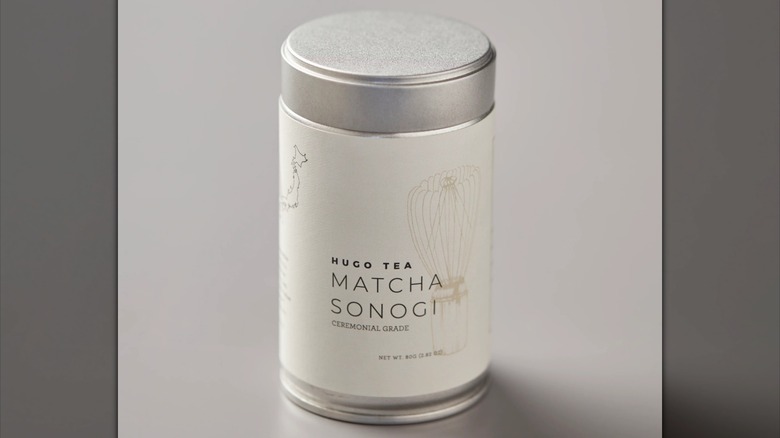
If you want to strike a fine balance between affordability and quality, "you could try an approachable ceremonial matcha from Hugo Tea for about $17 per ounce," suggested Will Shurtz. He specifically directed us to the SONOGI variety, which is allegedly forthright with its sweetness, while still offering a pleasing umami flavor profile and some maritime influence.
Interestingly, this matcha is blended. According to Nethra Rajendran, that can be a blessing for the wallet. "More affordable options may blend leaves from multiple Japanese regions to achieve consistency while keeping costs manageable," she shared. However, this matcha is more nuanced than that: Although this particular product is a collaboration between four tea producers in Japan's Nagasaki Prefecture, they work on the same land using the same cultivars. The fact that this matcha is blended is therefore an opportunity to taste how the farmers' various choices and practices harmonize with one another in the final product.
Hugo Tea offers other matcha varieties, too, including the more affordable Anshun variety grown in China. It's described as a consistent and reliable option that, while not quite as spectacular as its Japanese counterparts, can still be a decent addition to your daily routine.
The price of these teas may initially cause you to do a double take but note that they are sold in 80-gram tins. Rajendran prefers buying matcha in bulk to help decrease the cost per ounce. Indeed, if you know you're into matcha for the long haul, this investment can be a no-brainer.
Sakimidori Single Cultivar Matcha
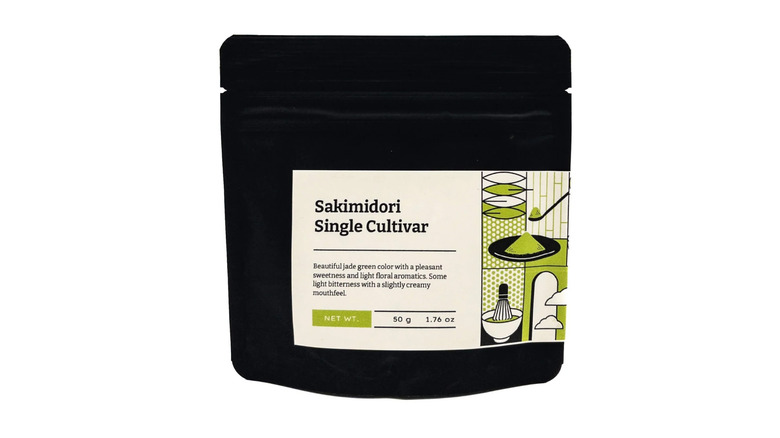
Nethra Rajendran directed us to The Steeping Room's Sakimidori Single Cultivar Matcha, which comes from Japan's Yame region and can be found for around $18 per ounce. "Single-origin matcha from prestigious areas like Uji often commands a premium," she shared. However, since Uji is currently facing immense environmental and supply chain pressures, companies are increasingly diversifying their sourcing practices across other Japanese regions. Tea from the Yame region is known for its outstanding array of amino acids, balanced umami, and pleasant sweetness. This tea comes in a bag, and while you should transfer it to an opaque container after opening, pouches like this can make your matcha habit more affordable, noted Rajendran.
According to the product description, this ceremonial grade matcha is nutty and floral, and if you incorporate it into lattes, you might notice an enhancement in its umami flavors. It's creamy and only lightly bitter, making it a good entry point to high quality matcha.
As Will Shurtz explains, culinary matcha usually has sharp bitterness and astringency, so you want to reserve these varieties for baking or making lattes as this makes bitterness less prominent. On the other hand, ceremonial matcha, including this Sakimidori Single Cultivar Matcha, should be less bitter. It can shine in hot water alone, without the need for milk and excessive sugar.
Mizota Matcha
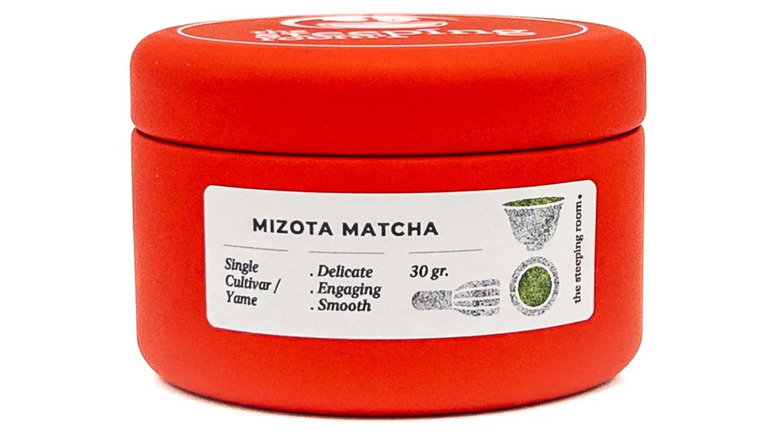
Despite being the most expensive product on this list, Mizota Matcha is by no means exorbitant compared to many other ceremonial grade matcha products on the market. We've found that it hovers around $20 per ounce, depending on where you buy it. It's produced by the Mizota family in Japan's Yame region. The brand has won several awards, including top honors in the All Japan Green Tea Competition.
According to the product description, this stone-milled matcha, made from Yabukita tea leaves, promises nothing short of a sensual experience. Think: Floral, fruity notes complemented by signature green undertones, plus the rich scent of roasted nuts. It's said to go down smoothly, and it's recommended to be consumed with water rather than in lattes.
To mitigate the higher cost of this matcha, play around with how much powder you truly need. The steeping suggestions for this product state that adding 2 grams per 70 milliliters of water is just that: A suggestion. You can measure more or less powder depending on personal preference.
Nethra Rajendran echoes this sentiment, explaining that it's important to learn how to prepare and mix matcha if you want to maximize your investment. That means choosing the best bamboo whisk for your matcha, as well as watching videos to understand proper whisking motions. "I would also be cautious on what temperature water you are using when whisking to prevent over-bitterness," shared Rajendran.