

8 Ways To Locate The Best Hidden Gem Restaurants In Any City, According To Andrew Zimmern

We may receive a commission on purchases made from links.
Perhaps the best way to get to know a city, country, or region is by diving headfirst into its food. Cuisine tells an origin story with tangible (and often delicious) examples of heritage, community, and tradition, after all. Yet even an inexperienced traveler knows popular tourist destinations are riddled with flashy restaurants that seem to boast authentic cuisine to the untrained eye: the infamous tourist trap. If you want to truly discover the subtle curiosities of a city and see it through the eyes of a local, you have to put your blinders to locate the best hole-in-the-wall restaurants and hidden gems.
Since these spots are, by definition, hidden, how does a tourist discover those restaurants that are deliberately off the radar? Well, we had the chance to pick Andrew Zimmern's brain to learn how he seeks out spots with great food, atmosphere, and company. The Emmy and James Beard Award–winning TV personality, chef, and food equity and climate activist has built a career spotlighting underappreciated culinary hotspots.
Zimmern continued that mission with his October 2025 book release – The Blue Food Cookbook: Delicious Seafood Recipes for a Sustainable Future (written with seafood expert Barton Seaver in collaboration with the ocean food advocacy nonprofit Fed by Blue) — which highlighted sustainable seafood and the communities behind it. With that in mind, the next time you're wandering a new city in search of its best eats, follow these tips straight from the king of undiscovered epicurean sensations himself.
Look for the spots that aren't chasing fame
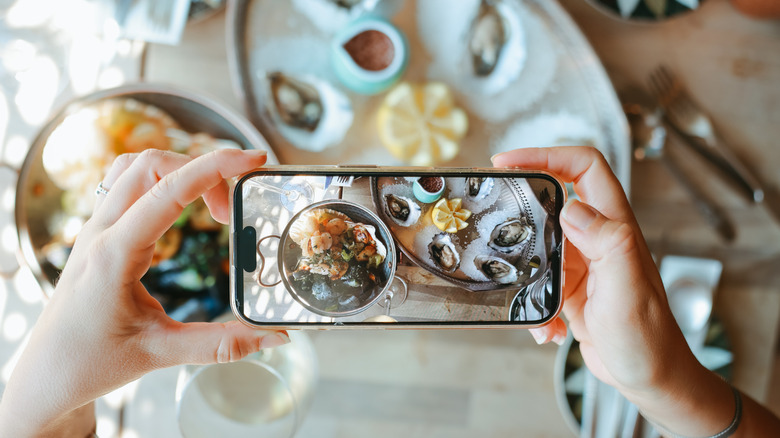
One of the easiest ways to fall victim to tourist trap restaurants is to succumb to the omnipresence of these spots. A restaurant with ads all over the city and tens of thousands of followers, celebrity endorsements, and tons of content on social media isn't necessarily good. Businesses that aim to serve naïve travelers are typically piling money and resources into marketing and social media campaigns, potentially leaving food and service quality on the back burner according to Andrew Zimmern.
"Social media can surface brilliant small places, then overwhelm them overnight," said Andrew Zimmern. "Smart diners use those platforms as clues and dig deeper rather than chasing the newest viral spot. The real gems often sit one neighborhood beyond whatever Instagram currently loves." Zimmern goes on to remind travelers scouring social media to look for what real food experts are talking about — not just influencers in general.
Oftentimes, the best places to eat in a city aren't blasted all over the internet or on extravagant billboards. "Many great places are built to feed a neighborhood, not to chase fame, or clicks, or even dollars," Zimmern told us. "Some chefs prefer a full dining room of regulars over waves of trend hunters who blow in and vanish. Language barriers, modest locations, and small budgets also keep terrific kitchens under the radar. Sometimes the best cooks are too busy cooking to play the marketing game."
Talk to locals

In your home city, when visitors ask you about the most famous restaurant in town, don't you find yourself tempted to tell them that it's overhyped, or that it went downhill recently? Well, that sentiment applies to a lot of cities, and there's usually a reason for that. Once a place blows up, winding up on every influencer's radar, it starts to become more of a photo op for out-of-towners rather than a place for locals to enjoy a fantastic meal. For this reason, Andrew Zimmern says the biggest mistake travellers make when looking for a restaurant in a new city is following the crowd.
Zimmern explains the importance of talking to locals to uncover diamonds in the rough instead of buying what the trend-setters are selling: "[Tourists] follow the same lists and influencers as everyone else, then wonder why the [restaurant] feels like an airport lounge. Real discovery happens when you walk, talk to locals, and wander outside polished districts."
He goes on to say that finding a place with great food can be as simple as peeping into windows to see if the patrons look like relaxed regulars instead of anxious newcomers, or if the employees look happy and not stressed. If so, you're probably in for a treat. Instead of chasing the birthplace for an iconic dish or a new viral recipe, go where the locals actually eat.
Consider the red flags indicating a tourist trap
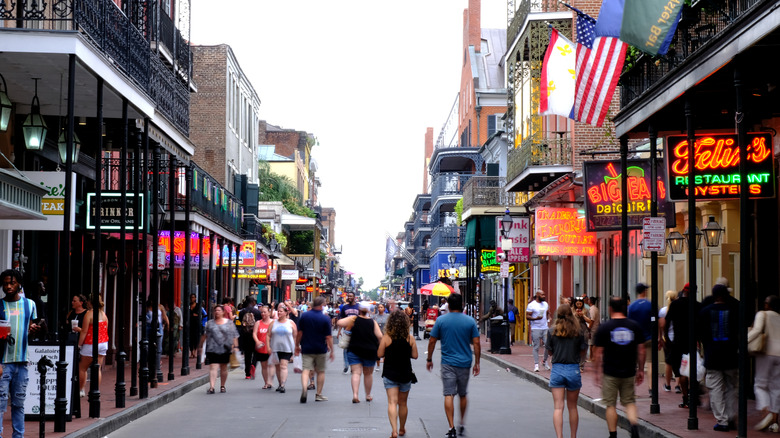
We've established that the restaurants with excessive online hype usually tread into mediocrity. However, that doesn't mean you should abandon the internet altogether or completely disregard trends while searching for a place to eat. But, before you open up Yelp, Instagram, or Facebook, or head downtown to visit the spot to be, know the signs that indicate a restaurant is actually a tourist trap.
Andrew Zimmern explains that social media attention isn't necessarily a sign of a bad restaurant — depending on who's providing all the comments, retweets, and shares. The places receiving praise and attention from those steeped heavily in the food world is usually a sign that there's some magic happening in its kitchen. Meanwhile, slews of paid endorsements or attention from non-food influencers and a lack of mention from any food writers is often telling of a restaurant's quality and target clientele.
Zimmern also reminds travelers — once they're out on the street, scouting out a spot for dinner — to take note of the restaurants that go above and beyond to capture tourists' attention. When hosts are literally pushing the menu onto passersby, that's usually an indication that the food quality can't speak for itself.
Don't automatically trust reviews
Have you ever asked a friend if they wanted to try a new restaurant, and they immediately pulled out their phone to scope out reviews before deciding? Or maybe you're the review-checker in your family or friend group. There's no shame in it, of course. Crowdsourcing data — about, well, almost everything — is pretty standard in the 2020s. But Andrew Zimmern warns against being too trusting of reviews on sites like Yelp, Tripadvisor, and Google.
Zimmern divulges his M.O. when scoping out restaurant reviews: "I look for consistency in comments about the place from local food writers and other journalists." He also explains that he'll check out large review platforms primarily for cuisine photos from guests, rather than comments from food writers and experts. "Photos of mediocre food served on fancy plates often reveal more truth than glowing text," he says.
Food writers and critics usually have a specific method for testing out restaurants; they don't often have one quick meal on a busy weekend night, then focus their review or article on that single experience. However, online review platforms like Yelp are hotbeds for these kinds of low effort posts. These comments tend to either praise a mediocre restaurant for one decent dish, or slam a great restaurant for one minor flaw or one off night.
Scope out the rhythm
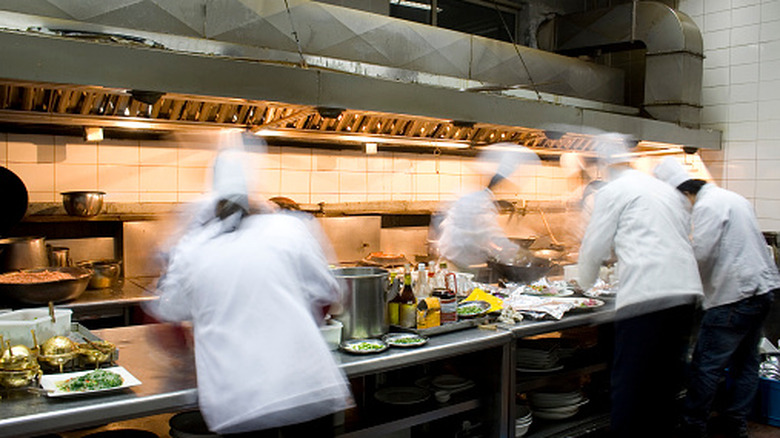
The restaurants that manage to stay low-key — not the kind of places you'd find on the World's 50 Best Restaurants list (of which Andrew Zimmern isn't a fan) — are often doing so intentionally. These places make a name for themselves by attracting locals with consistency and expertise, and you'll be able to spot this attention to detail by scoping out the flow of the restaurant as soon as you sit down.
When asked whether or not he could tell right away if a restaurant was something special, Andrew Zimmern said: "Usually, yes. The smell, the rhythm of service, and the way staff interact with guests tells you everything quickly. Watch how plates move through the room and whether cooks seem focused or chaotic. Good places hum in a calm, purposeful way." This sense of rhythm extends beyond the kitchen, too, and you'll see the evidence of proper communication between staff members and methodical consistency everywhere around the restaurant.
Additionally, look for customers that seem relaxed and content, and servers that move around the dining room like figure skaters (as opposed to hockey players). A restaurant that hums with an almost mechanical rhythm will be clean, calm, and controlled. Zimmern suggests scoping out the bathroom to assess its cleanliness (a contentiously debated trick to discern a quality restaurant) before you sit down to eat, and be sure to "look at the food," as well.
Look for the spots that require a little extra effort
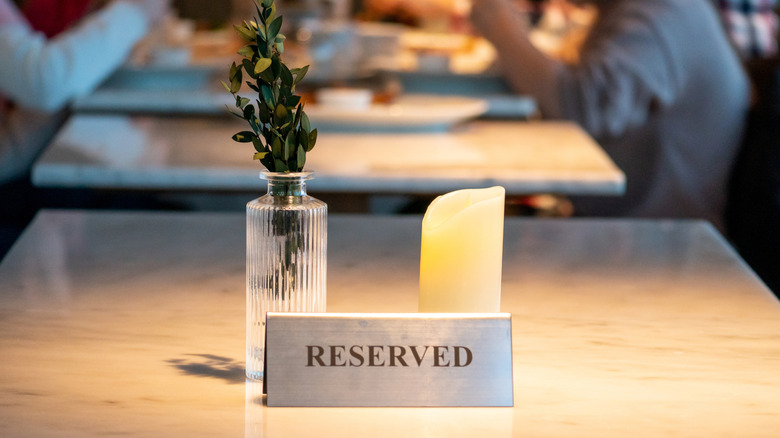
Andrew Zimmern says that an easy way to locate one of a city's best hidden gems is to scope out the places that are packed with locals even after being around for a while. If a restaurant manages to stay relevant and popular after residents have moved past the honeymoon phase, it's undoubtedly a solid spot. "If a restaurant is over five years old and ... still crowded, that's a good sign," says Zimmern.
Zimmern also says that — as annoying as it might be — if it's hard to get a reservation, then the place is probably worth the wait and extra effort. The kitschy tourist traps or overhyped icons are often packed on weekends or during tourist season, but relatively quiet when only locals are out and about. Seek out the spots that swathes of locals even on a weekday afternoon.
Consistent demand, even during odd hours or days, indicates an establishment that's cemented itself as part of the community. If it's the type of restaurant that's packed with service industry workers letting off steam and grabbing a bite late at night or busy professionals on their lunch break on a weekday afternoon, you'll want to snag yourself a reservation as soon as one becomes available.
Find the neighborhoods with high immigrant populations
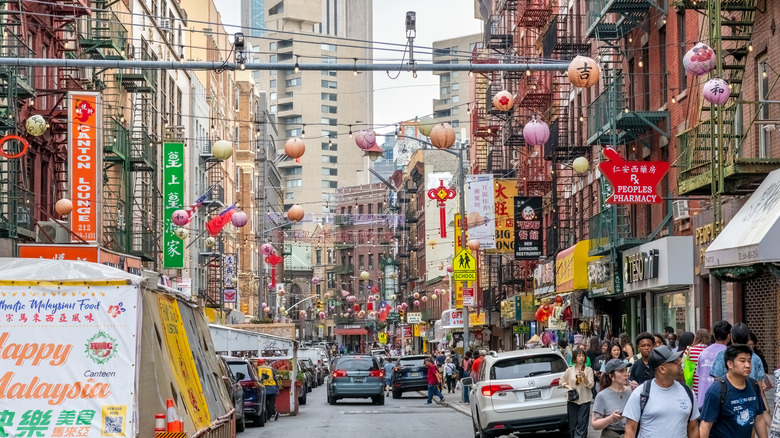
While hidden gem restaurants can be scattered around a city, there are areas where you're more likely to waltz into a modest-looking place with excellent food. For starters, try to avoid the most famous sections or neighborhoods; this means staying far away from Times Square in New York, or avoiding touristy restaurants in New Orleans' French Quarter. In fact, if you're on a mission to find a city's most one-of-a-kind meals, Andrew Zimmern believes immigrant-centric neighborhoods are always a great bet.
"Immigrant cuisines in neighborhoods with continuing immigrant growth, where restaurants cook for their own communities, are gold mines," says Andrew Zimmern. "These spots often thrive quietly ... feeding homesick customers who know the food, which keeps standards high." Now, if you're in New York City, for instance, you're never too far from the nearest immigrant neighborhood. But smaller cities might require you to get more familiar with the layout.
You may need to step outside your comfort zone and really get to know a city and its culture (which you might have otherwise glossed over), but it's worth it. For instance, Andrew Zimmern has spoken of his affinity for Palestinian food in the past, explaining that opening yourself up to cuisine from immigrants isn't just the key to a great meal — it's also a tangible way to see the humanity in cultures that are often demonized. As he says, "Follow where communities eat, and you will eat well."
Follow the flow of the city
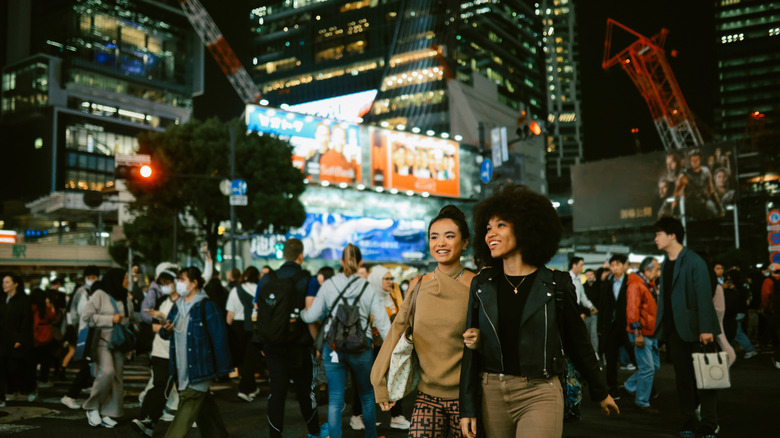
An excellent travel tip — one that's useful beyond just finding great restaurants — is to try to blend into your surroundings wherever you go. Look for spots where locals are gathering, and stay away from businesses that only appear to serve tourists. Once you find yourself in a cozy neighborhood populated primarily by locals, chat with people to find out where the best places to eat are.
Andrew Zimmern recommends chatting up cab drivers and bartenders as opposed to hotel concierges or tour guides. After all, people who work in the tourism industry will likely direct you to where they think you want to go — not where they themselves enjoy eating.
Sometimes, all it takes to find your new favorite restaurant is a slow day following the flow of the city and opening your heart and mind to new experiences. "Wander and look for packed lunch counters or steam tables serving workers," says Zimmern. "Eat where menus look unfamiliar and rooms feel alive with conversation in languages you don't speak. Most importantly, stay curious and give places a chance before practicing contempt prior to investigation."