

10 Popular Great Depression Foods That People Still Regularly Eat Today

The Great Depression was a time of immense hardship, and with financial struggle came remarkable resourcefulness. In the 1930s, families were often forced to rely on a limited selection of basic ingredients for their everyday cooking. This inspired plenty of creativity in the kitchen, with home cooks finding inventive ways to craft filling, comforting meals from humble resources.
While many thrifty Depression-era creations, like the wacky cake and Hoover stew, have since fallen off the radar, others are still regularly enjoyed today. Countless recipes and store-bought foods that served as versatile, inexpensive solutions during these difficult times are still very much part of the modern-day food landscape. The appeal of simple, satisfying desserts, hearty soups, and shelf-stable staples has endured, and it's easy to see why. They may once have been popularized by necessity, but the adaptable, budget-friendly, and long-lasting nature of these foods remains unchanged. And, as grocery costs continue to rise, these factors are becoming more valuable than ever.
Still appearing on dinner tables, in lunchboxes, and on restaurant menus today, these nostalgic picks have truly stood the test of time. So, let's explore ten Depression-era foods that prove eating well doesn't require exotic ingredients or a hefty price tag.
Kraft mac and cheese
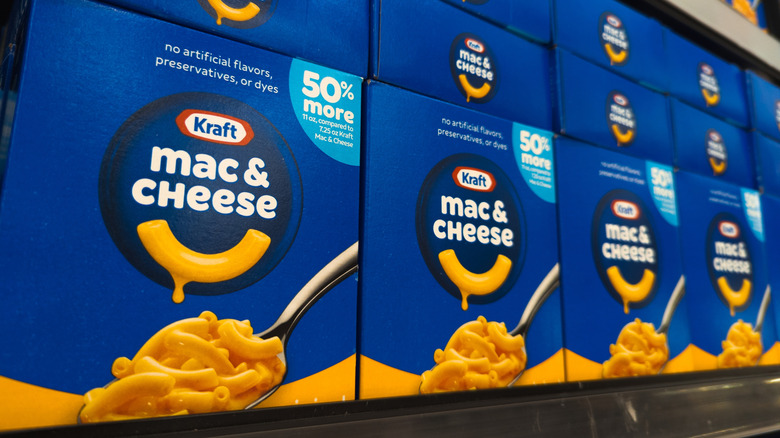
If you've got a box of Kraft mac and cheese sitting in your pantry, you might be surprised to learn of this iconic product's Depression-era origins. The cheesy boxed pasta first hit grocery store shelves in 1937, when it served as a fast and affordable way to put a warm, satisfying meal on the table. For just 0.19 cents, a single box could comfortably feed four people, and this made it a hit among budget-conscious households. A whopping nine million boxes of mac and cheese were sold during that first year, and the product continues to dominate the market today.
The classic instant mac has undergone some changes over the years. There have been tweaks to the recipe, various iterations of the packaging, and exciting new Kraft Mac & Cheese flavors, including ranch, smoky barbecue, and jalapeño. In 2023, Kraft Heinz even launched a plant-based version. Despite its inevitable evolution, the convenience and savory deliciousness of this product have kept it firmly rooted as a go-to comfort food. Prepped in minutes with the simple additions of water, butter, and milk, the creamy pasta remains a versatile base for pairing with other veggies and proteins, and it's also super easy to customize it with extra seasonings.
Banana bread
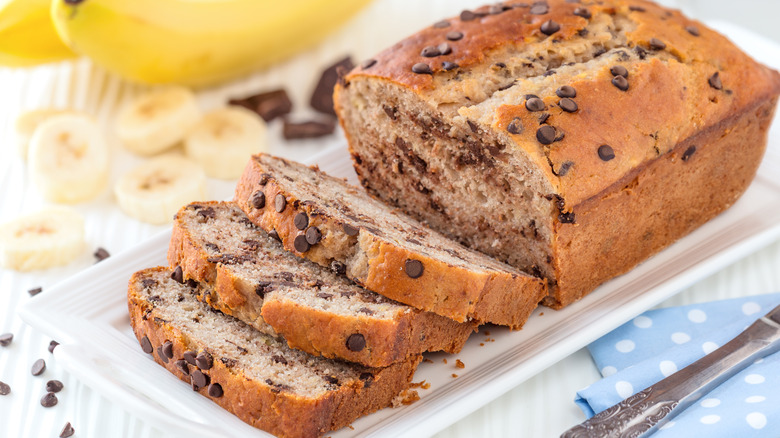
Easy to prepare and perfect for using up overripe bananas, banana bread has long been a favorite among home bakers. Whipping up a loaf requires just a handful of pantry staples, and the resulting moist, fluffy treat can be enjoyed for breakfast, dessert, or as a sweet afternoon pick-me-up.
Banana bread has been a mainstay on the baking scene for generations. In fact, it was during the Great Depression that this beloved quick bread first came about. The recipe was born of a desire to use every bit of food available, including brown, mushy bananas that would otherwise have been destined for the trash. Coupled with the advent of chemical leaveners, this frugal attitude inspired the banana-flavored loaf we know and love today.
Today, banana bread remains a top pick for weekend baking sessions. Using bananas that are well past their best is the key to achieving tasty results, but there are endless variations to try. Add-ins like chopped nuts and chocolate chips are especially popular, while some versions pair mashed banana with other veggies like pumpkin or shredded zucchini. You can top the loaf with a creamy frosting, convert it into portable muffins, or adapt it to suit gluten-free or vegan diets. However you like to bake it, banana bread is a tasty reminder of the resourcefulness of times gone by.
Spam

Spam is a divisive but undeniably thrifty food, and this vacuum-sealed canned pork is another everyday product with origins in the Depression era. Conveniently shelf-stable and ready to eat, Spam is a versatile addition to any meal, and it once offered families a reliable and affordable source of protein when fresh meat wasn't always an option.
Brought to the market by Hormel Foods in 1937, Spam quickly became a go-to on the dinner table. A popular approach was to bake or pan-fry slices of the seasoned pork and ham mixture, which gave the meat a more appealing texture and helped it attain a flavorful caramelized crust. Then, it could be piled into sandwiches, paired with fried eggs, or tossed with rice, to create a quick, filling meal. Spam's popularity prevailed in the decades that followed, and the meaty staple was even used to feed soldiers during World War II.
Still sitting proudly on grocery store shelves, Spam now comes in multiple varieties, and its versatility continues to shine. From breakfast scrambles and hearty casseroles to the iconic Hawaiian Spam musubi, there are countless ways to use canned Spam. So, why not honor the ingenuity of Depression-era cooks by whipping up your own Spam-based feast?
Rocky road ice cream
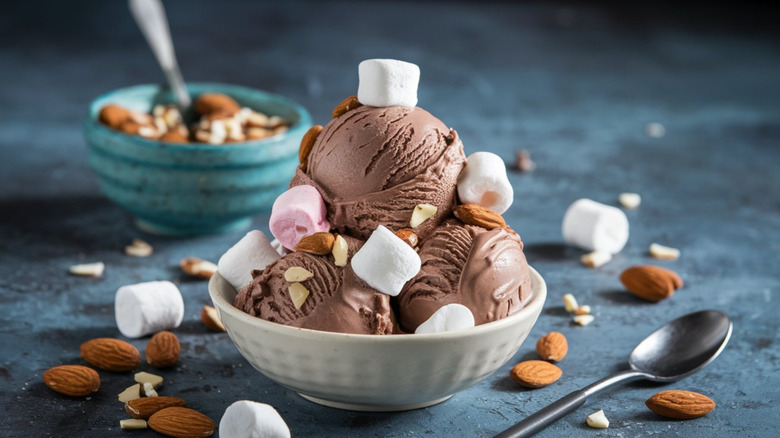
You can find rocky road ice cream in supermarket freezers and ice cream parlors, and while those sweet, crunchy scoops are nothing short of delightful, they were actually born out of hardship. Allegedly invented by William Dreyer in 1929, rocky road combined chocolate ice cream with nuts and marshmallows, a simple yet indulgent trio that aimed to spark joy during an otherwise dark time, all while making a basic treat feel more substantial.
Dreyer's original version featured walnuts, which were later swapped out for almonds, and this chewy, nutty combination quickly became a sensation. The Dreyer's brand boomed, and various other manufacturers began producing their own versions of the frozen treat. Today, this sweet medley is clearly still putting smiles on faces, consistently ranking among America's favorite ice cream flavors. Of course, there are plenty of modern twists to explore. While the original combination of chocolate, marshmallows, and nuts holds strong, many versions amp up the decadence with the addition of fudge swirls, peanut butter, or chocolate chips.
Potato soup
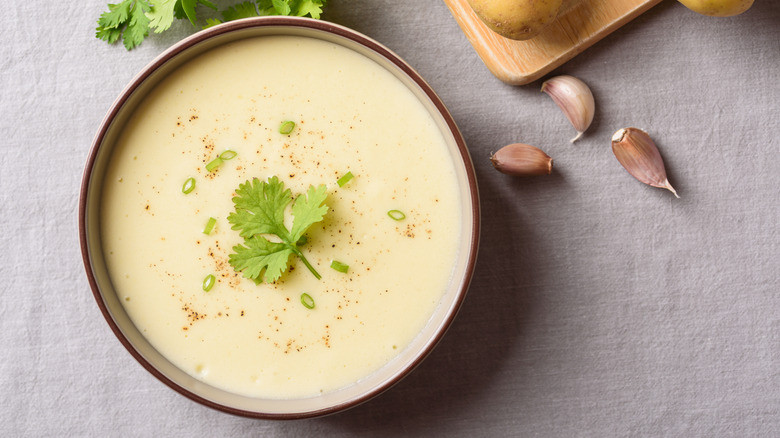
Potato soup is the epitome of hearty, budget-friendly comfort food that comes in many formats. There are creamy versions that see the potatoes simmered and blended into the broth, those that leave the spuds chunky for a rustic finish, and some loaded with rich, savory add-ins. In 1930s America, this soup took a simple form, and a popular approach saw peeled potatoes boiled with onions, before the liquid was thickened with a butter and flour roux. The resulting soup was a cozy, filling meal that could easily be spruced up with other ingredients if they happened to be available (think evaporated milk, garlic powder, or shredded cheese).
Modern soup recipes offer just as much versatility. Potato and leek soup is classic, but these humble root veggies pair beautifully with a whole host of other ingredients, such as carrots, celery, lentils, leafy greens, and fresh herbs. You can keep things light and brothy, or amp up the richness with indulgent mix-ins like bacon, cheddar cheese, and sour cream. Either way, opting for the base of broth and potatoes will keep things straightforward and cost-effective.
Stuffed cabbage
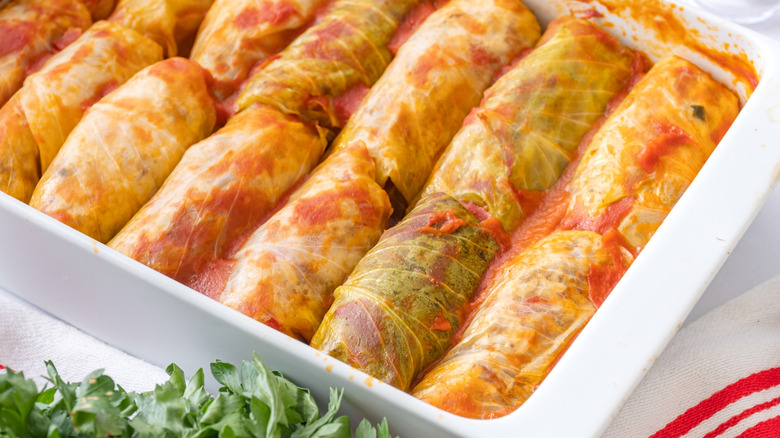
Bringing the best out of a handful of low-cost ingredients, cabbage rolls are a nutrient-packed meal, and they perfectly reflect the resourcefulness of Depression-era cooking. Here, boiled cabbage leaves are filled with a mixture of ground meat, rice, and vegetables like onions and carrots, and are then covered with crushed tomatoes before baking. In 1930s kitchens, this method was an effective way to stretch small amounts of protein by combining it with various bulking elements such as lentils and grains to create something substantial, and make the most of every ingredient in a time of scarcity.
Variations of this dish appear in many cuisines, from Eastern European golabki to Middle Eastern and Mediterranean versions, each with its own blend of spices and fillings. Some recipes even pair cabbage rolls with gingersnap-infused sauce! And, with 2026 deemed the year when cabbage will become the trendiest food item, we expect to see these rustic rolls enjoying some well-deserved time in the spotlight.
Rice pudding
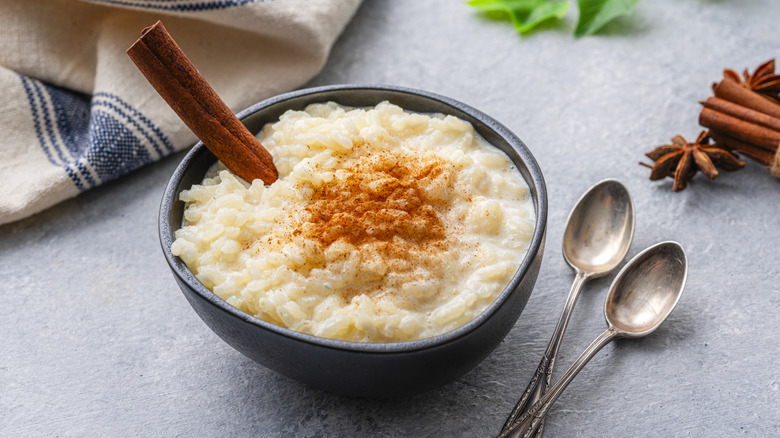
Rice pudding's enduring popularity highlights the magic of using simple, humble ingredients. Made with basic pantry staples, this dish takes plain old grains and transforms them into a luscious dessert, so it's clear why it was a favorite among kids and adults alike during the Great Depression.
Traditionally made on the stovetop, rice pudding begins with white rice that is slowly simmered with milk, sugar, cinnamon, and a pinch of salt. Then, it's a simple case of stirring the mixture over a gentle heat until it becomes thick and creamy, while the grains become perfectly tender.
While delicious in its basic, old-fashioned form, this dessert is the perfect blank canvas for being creative with flavors. You'll often see rice pudding brightened with citrus zest, warmed with cardamom, or enriched with a splash of fragrant vanilla. For an extra creamy, indulgent texture, egg yolks and butter can be incorporated, and the milk can easily be substituted for plant-based varieties such as coconut, almond, or soy. The cooking approach is just as flexible, with many versions baking the rice pudding in the oven, or embracing the convenience of the slow cooker for a more hands-off approach.
Bread pudding
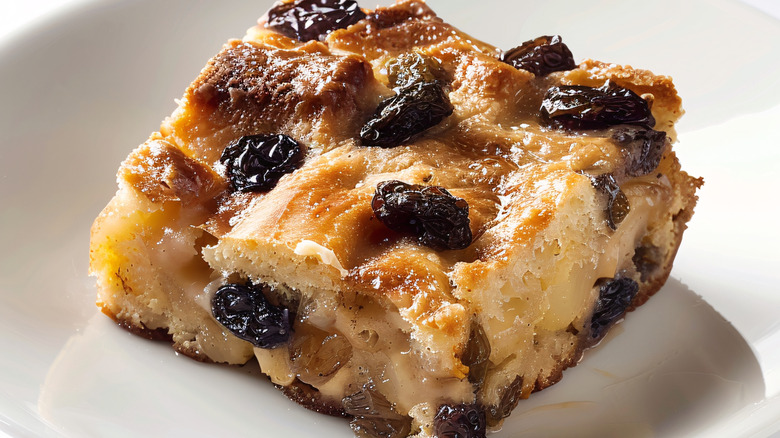
In an old-fashioned bread pudding, seemingly lifeless slices of stale bread get a mouth-watering makeover. This standout recipe was familiar before the Great Depression, but as a frugal dish based on the premise that it can be made with whatever you have in the kitchen, it was a very popular option during this time. Generally, this fuss-free dessert combines torn up slices of leftover bread with beaten egg, milk, and sugar. Once baked, the mixture becomes gloriously golden on top, with a rich, custardy interior.
The creamy base recipe has inspired many iterations over the years, and the mild flavors of the eggs, milk, and bread offer a versatile canvas for boosting with a variety of extras. You can build aromatic depth with vanilla, spice things up with cinnamon, nutmeg, and ginger, or add pops of chewiness with raisins. In frugal times, other inexpensive, shelf-stable ingredients like canned fruits or pie fillings were often incorporated, and these remain flavorful choices for nostalgic home bakers. For a decadent upgrade, it's incredible served with a generous pouring of custard or a scoop of ice cream, and you'd never know it was made from leftover scraps.
Sloppy Joes
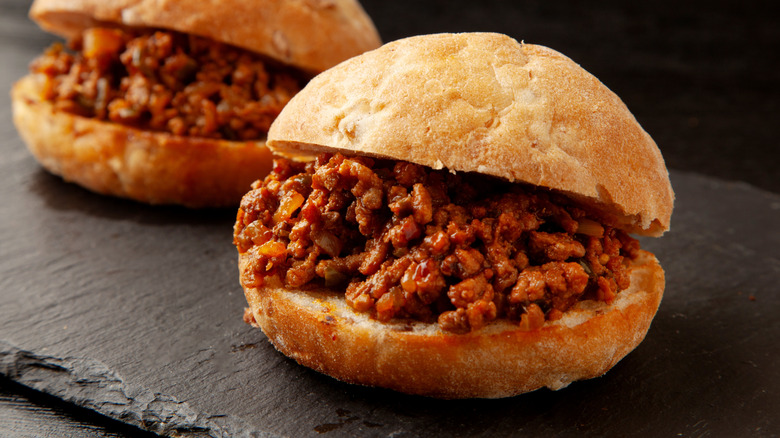
This saucy, savory sandwich is a go-to recipe for many, especially on busy weeknights when prep time is limited. The beloved sloppy Joe is made with seasoned ground beef and onion, which is simmered in a tangy tomato sauce and piled into a soft bun. While the exact origin story of sloppy Joe is hotly debated, this dish likely entered the American food scene in the early 20th century, and thanks to its use of widely available, affordable ingredients, it became a comforting presence on American tables during the 1930s and beyond. In the 1960s, sloppy Joes became even more convenient. The invention of premade sloppy Joe seasonings and canned sauces made the filling prep a breeze, and these shortcut products remain popular picks among shoppers today.
As well as being a staple for home cooks, the sloppy Joe sandwich can be found everywhere from casual diners to delis and food trucks, and recipes have inevitably evolved alongside changing tastes. The saucy filling and bread combo offers plenty of opportunity for creativity, with the option to pack in extra veggies like bell peppers, carrots, celery, and zucchini, or turn up the heat with the addition of gochujang, hot sauce, or cayenne pepper. You can totally pile on extra fillings, too, such as sliced cheese, pickles, or crispy bacon. For a leaner twist, try subbing in ground turkey, or ditch the meat altogether by crafting a vegetarian-friendly version with red lentils.
Peanut butter and banana sandwiches
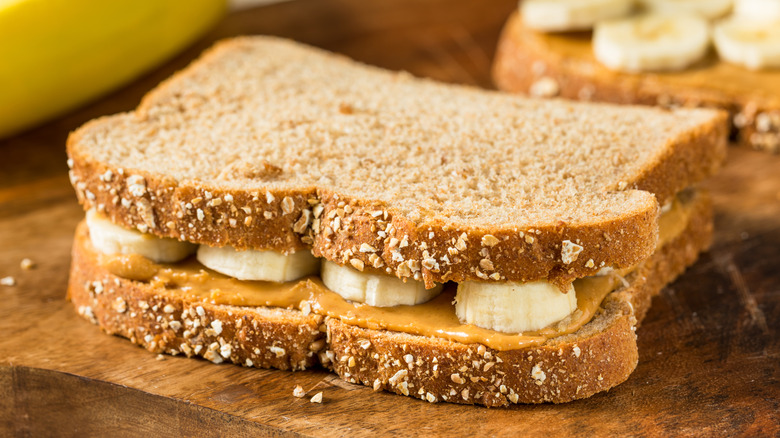
The irresistible sweet and salty pairing of peanut butter and banana shows up in all kinds of delicious recipes, from overnight oats and smoothies to peanut butter banana muffins, cheesecakes, and ice creams. One of the easiest ways to enjoy this duo, however, is stuffed between soft slices of bread. It's a concept that's been around longer than you might think, loved for its nutritious, filling, and flavorful nature. In fact, the humble peanut butter and banana sandwich had pride of place in Depression-era kitchens.
In the 1930s, its popularity was in part fueled by its use of affordable, crowd-pleasing ingredients, but in the 1970s, it gained even more fame thanks to Elvis Presley, who allegedly enjoyed it fried with the addition of crispy bacon. Now, the appeal endures, and it remains a quick, satisfying snack or meal, whether served classic, toasted, grilled, or with creative twists. A drizzle of honey, a swipe of jelly, or a handful of chocolate chips are all great ways to boost the sweetness, or you could even throw in some pretzels or potato chips to introduce some salty textural contrast.