

10 Mistakes You Might Be Making With Silicone Lids
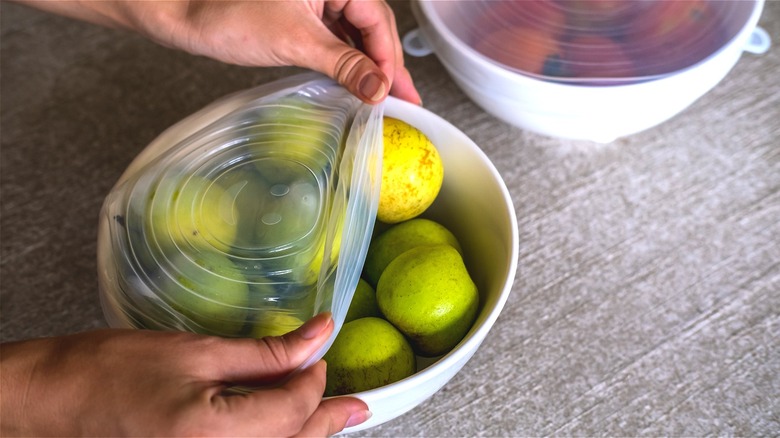
Whether you've lost the lid to your favorite pan or you're trying to use less plastic wrap in your kitchen, silicone lids can play an important role in your kitchen routine. Some of these lids are large enough to cover a pan on the stove, preventing excess moisture from escaping. Others are smaller and are ideal for covering cups, bowls, and food storage containers that don't have tops. But even though silicone lids can often come in handy, there may be some mistakes you're making with them that are limiting their efficacy.
That's why we've dug into some of the most common mistakes people make with silicone lids. By learning some of these typical silicone lid pitfalls, you can ensure that you're always using yours correctly — even if that means you don't use them everywhere they technically could be utilized. Once you can be sure you're not making any major mistakes with them, you may find that they're more useful than you thought.
Using steel wool and harsh cleaners on your silicone lids
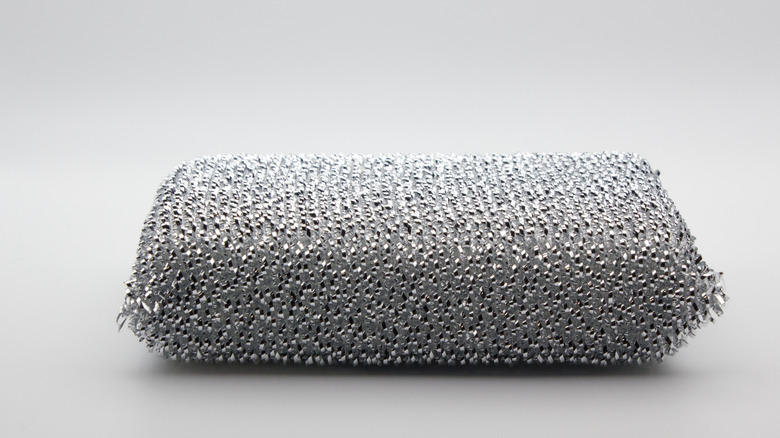
Silicone seems like a pretty hardy material. It's not exactly easy to rip or tear with your bare hands, and it's stretchy enough that it stays intact even if it gets jostled around in the back of your junk drawer for months on end. But just because it seems really sturdy doesn't mean that you can't accidentally damage your silicone lids by handling them incorrectly. This is exactly why it's a big mistake to use steel wool, steel sponges, and other types of harsh cleaners on your silicone lids.
While you may be able to get away with it a couple of times without seeing much of an effect on your silicone lids, over time, these abrasive cleaners can start to break down the silicone, affecting its long-term durability. So, skip the steel wool and cleaners with ingredients like bleach, and opt for a vinegar-based solution to get off any tricky, oily residues you find on your silicone lids.
Assuming you can expose them to super high heat without issue
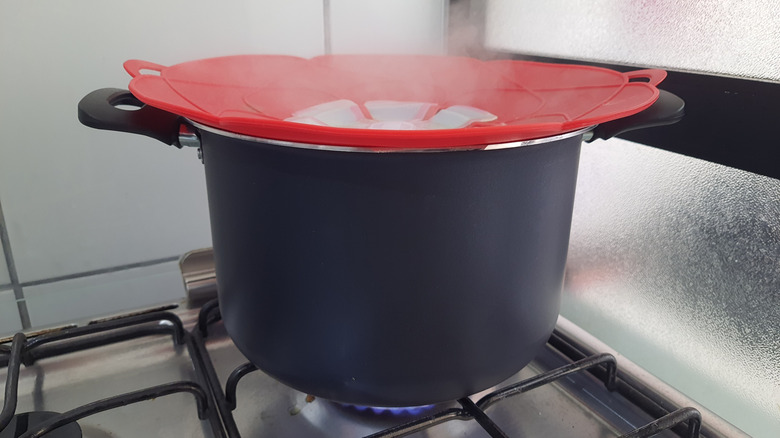
It's true that silicone can be exposed to more heat than some other types of kitchen tools. For example, silicone lids can withstand more heat than plastic, including plastic wrap, ever could. But some people think that means that they can use their silicone lids under extreme heat without any issues. Unfortunately, that's not true. Different types and brands of silicone lids can withstand different levels of heat. Some cheaper types of silicone lids might start to warp or change shape when they're simply placed over a pan on the stovetop.
That's why you'll want to look carefully at the silicone lids you're purchasing before you actually buy them. Make sure that they have a high temperature maximum if you're planning on using them in high-heat environments. Of course, this is much more important when you're working with silicone lids intended to cover a pan versus those that you plan on using for storage purposes.
Putting a silicone lid directly over an open flame
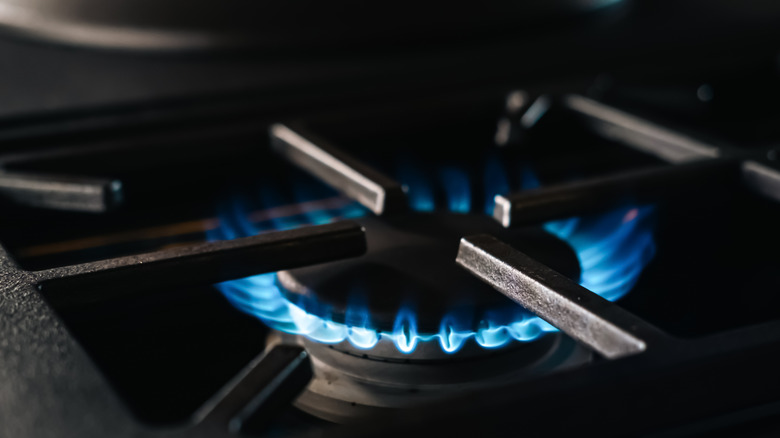
Heat, specifically open flames, is an issue when it comes to silicone lids. This mistake is less ambiguous: You should never put a silicone lid over an open flame. They're simply not designed to be used around fire. If you're working with a stove burner at high heat, you might want to avoid using a silicone lid for this reason.
Why is exposing silicone to an open flame an issue? First of all, it can start to melt the silicone. This may cause your silicone lid to warp so that it no longer creates the airtight seal that makes these tools so useful. Once that silicone starts to melt, though, you expose yourself to health hazards, especially if it gets into your food. If you do accidentally expose your silicone lid to an open flame and it starts to melt, you should throw the lid away along with any food that comes into contact with the silicone.
Thinking silicone lids can't be stained
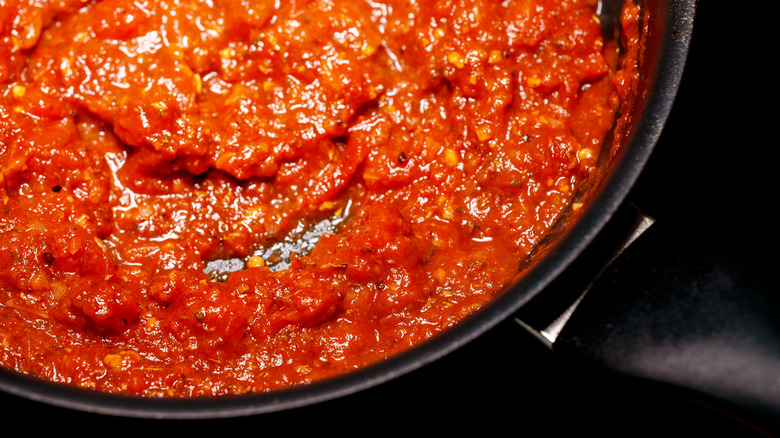
When you first start working with silicone lids, you might find that they're relatively easy to wash. Their somewhat slippery surface means that a lot of grime slides off of them pretty easily when you wash them in warm, soapy water. That may lead you to believe that silicone lids aren't particularly prone to staining. In reality, though, this isn't the case. Over time, silicone can get stained, especially when it comes into contact with brightly colored food, like spaghetti sauce (which also tends to stain plastic). And when that staining occurs, it can be really tricky to get your silicone lids looking like new again.
If you notice your silicone lids starting to stain, you should grab some hydrogen peroxide at the store. By soaking that silicone in the hydrogen peroxide overnight and then gently scrubbing the lids with dish soap and water, you'll find that those difficult stains actually come out quite easily. Don't wait until the lids are so stained that it takes several soaks to get them looking clean and new again.
Using silicone lids when they're too wet
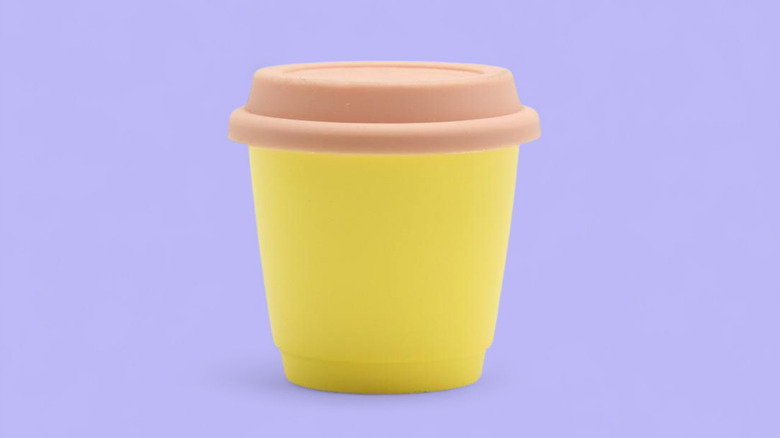
Home cooks use silicone lids for different reasons. Sometimes, you want them to function as a cover for a pot or a pan that's on the stove to trap excess moisture inside so your food doesn't get too dry. In those cases, you don't really have to worry about whether the lid is wet or dry. In fact, if you're boiling or steaming something with a silicone lid on it, it's almost guaranteed to get wet anyway.
However, if you're trying to get the air out of a container you're intending for food storage, then you'll want to avoid using a wet silicone lid. The moisture can cause the lid to move around on the top of the vessel, making it less airtight. Therefore, when you're using silicone lids for storage, make sure that you dry them thoroughly after washing to ensure you can get maximum suction out of them. This will help keep whatever food you're storing in them fresh for longer.
Assuming silicone lids are always the most eco-friendly option
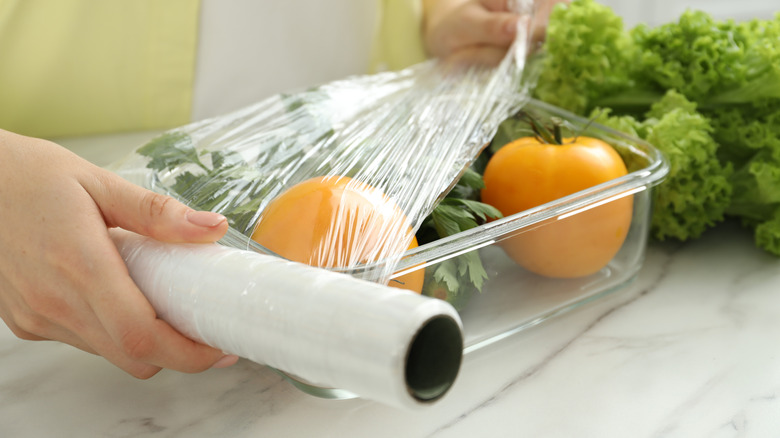
A lot of people who care about sustainability in the kitchen are drawn to silicone lids because they offer a reusable alternative to plastic products like plastic wrap and zip-top bags. But it's a mistake to assume that silicone lids are always the most eco-friendly option available. In fact, if you're using silicone lids to replace items you already have at home, it's almost definitely less sustainable — you're creating demand for a product that doesn't technically need to be produced.
The only way silicone lids can actually be more environmentally friendly is if you use them a lot. This is because many single-use plastic products you use in your kitchen actually result in relatively few greenhouse gas emissions over their lifecycles. If you are going to invest in silicone lids, make sure you plan to use them frequently. Otherwise, you might be better off using the plastic stuff as infrequently as possible.
Not checking your silicone lids for odors
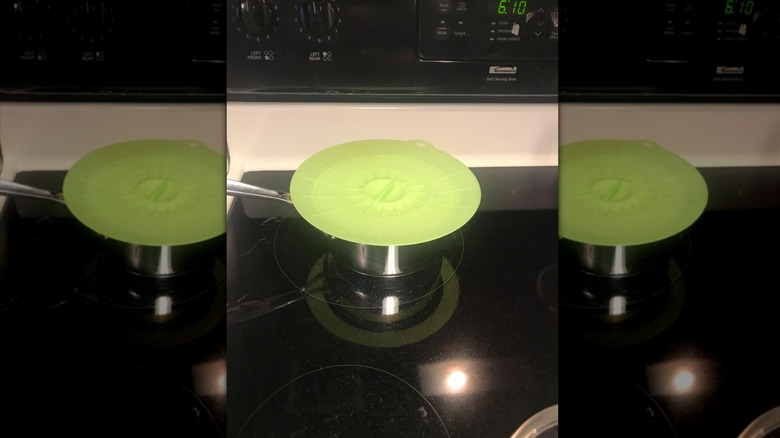
An unfortunate fact about silicone is that it's quite porous microscopically, which means that it holds onto smells and odors quite easily. This is especially true if you're using lower-quality silicone rather than the pricier options available. Over time, you may find that the silicone lids you use gradually start to smell bad. This can happen if you're not using your silicone lids with particularly smelly foods — even the dishwasher can infuse silicone goods with a distinctive, detergent-adjacent smell. Eventually, this may make you want to use your silicone lids less. After all, you don't want to have those aromas mixing and melding with fresh food that you're trying to cook or store.
But there are ways you can cut down on these unpleasant odors. Soaking your silicone lids in a solution made with vinegar or lemon can effectively cut down on smells, and you can even bake oven-safe silicone to purge those unpleasant odors. Give it a try if you've noticed that your silicone lids have started to get a bit stinky.
Buying cheap silicone lids from untrusted sources

These days, it seems like you can buy anything on the internet, including various kitchen tools like silicone lids. You might even find incredible deals on these kinds of products, but when it comes to silicone, you want to make sure that you're buying good-quality products from a trusted source — lower prices aren't always a good thing. That's because there are types of silicone that aren't food-grade, meaning that they shouldn't come into contact with anything you're eating.
Certain certifying bodies can ensure that a silicone product is safe for contact with food. In the United States, you're generally going to be looking for an FDA certification. Make sure that your silicone lids come with these labels to ensure that you're not buying anything that could potentially harm your health. It's a mistake to buy any lids that don't come with one of these certifications, as it could indicate that you're getting a lower-quality product from an untested source. Make sure you also check out these important rules for using silicone kitchenware.
Stretching silicone lids too tightly over large openings
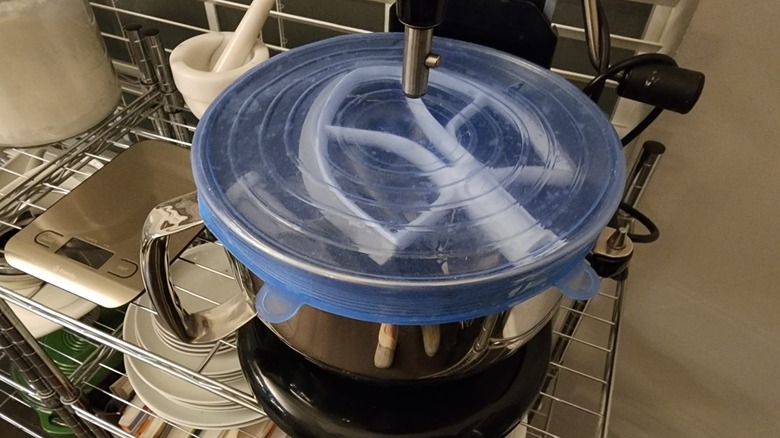
There are different types of silicone lids out there. For instance, those that are used as a covering for pots and pans are generally just flat and really won't stretch at all. However, if you're looking for silicone lids that are mostly intended for food storage, then you may have seen varieties that are meant to be stretched over food storage containers. In pictures, they look like they would be quite stretchy. In reality, though, many of these types of silicone lids aren't that stretchy at all.
When you're working with this variety of lids, it's a mistake to try to stretch them too tightly over a large opening. That's because with enough force, the lid can easily tear. Luckily, a lot of these types of silicone lids are sold in packs with different sizes, so you can choose a larger lid for covering wider-mouthed vessels. And if they're too big for whatever you're trying to cover? You can always secure them in place with a rubber band.
Putting hot, crispy foods under a silicone lid
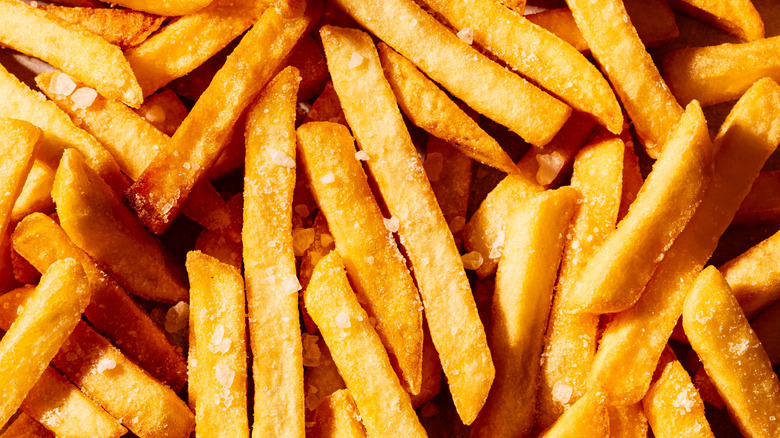
Silicone lids work really well when you need to gently steam something. Simply place the hot food in a bowl, cover it with a silicone lid, and let the food inside collect all that moisture. But there are some types of food that you specifically don't want to steam, and fried, crispy foods definitely fall into that category. This is why it's a mistake to put hot and crispy foods under a silicone lid. The food will release heat and moisture, and that moisture will become trapped under the lid. After a while, it will start to make that food soggy, negating the crisp that you probably worked hard to achieve.
Therefore, if you're planning on storing anything crispy or crunchy under a silicone lid, you should wait until it cools completely before placing the lid on top and storing the food in the fridge. That way, you won't have to worry about losing that ideal texture.