

10 Pros And Cons Of Copper Countertops For Your Kitchen
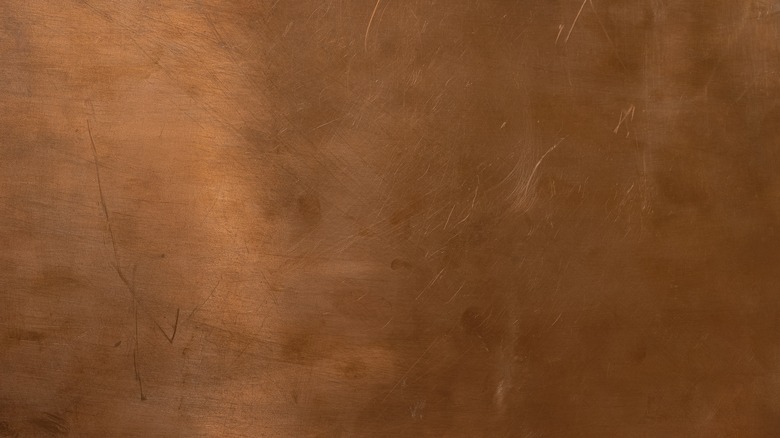
If you go to a kitchen showroom, you'll find that there are so many countertop materials to choose from. Some prefer granite for that natural stone look (although it's becoming less popular), while homeowners who want to employ stylish color combos may choose stainless steel. But if you want an especially unique look in your home, you may want to opt for copper countertops. They offer a bold, warm look that's hard to achieve with other countertop materials, and they're sure to make your kitchen stand out.
But just like with any other kind of kitchen countertop material, copper countertops come with various pros and cons that you may not know about if you haven't worked with them before. Understanding these advantages and drawbacks can help you better decide whether copper countertops are the right choice for your home kitchen. In order to get the lay of the land when it comes to copper countertops, we spoke to kitchen countertop experts Chris Lawson, founder of Online Drawing UK, and Louis Vanderman, lead designer at Woodmere Kitchens.
Pro: Copper countertops are hygienic when left unsealed
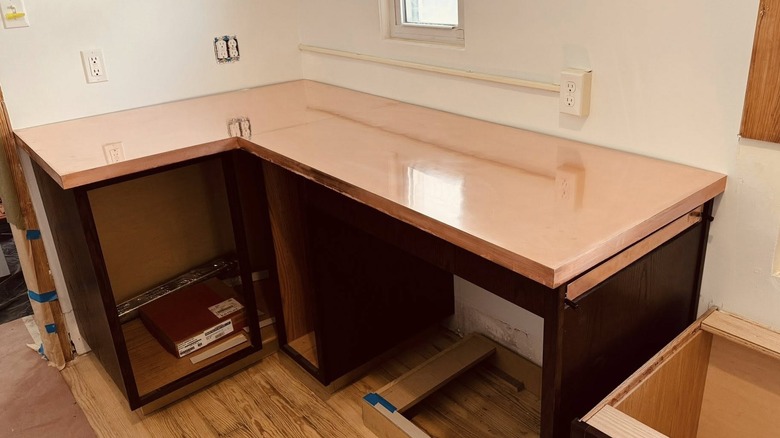
When it comes to picking out a material for your kitchen countertops, there are a few factors to consider. First of all, you want it to look good — who doesn't want to appreciate the appearance of their kitchen every time they enter the space? But it's not all about appearance, especially if you're someone who's pretty active in the kitchen. You also have to account for practicality and cleanliness. Luckily, according to Chris Lawson of Online Drawing UK, copper can be a hygienic option when left unsealed.
Copper is considered antimicrobial, which means it actively helps kill germs on contact. In fact, copper is so effective at killing microorganisms that it was used for medicinal purposes in the past. Not only does this mean that you can feel better about the cleanliness of your kitchen, but it also means that you can use fewer harsh cleaners in the space. In that case, mild cleaners like soap and hot water work best, and Windex is also known to be effective without being abrasive. That said, if sealants are a must-have, you can rest assured knowing there are levels to it. The most intense sealants for copper countertops include epoxy resins and polyurethane, with various brands of sealant created specifically for protecting copper. Alternatively, less intensive sealants or permanent sealants are sometimes applied. These various types of waxes may need to be applied on a regular, periodic basis, and can still impact the antimicrobial traits of copper.
Con: They're prone to staining when left unsealed
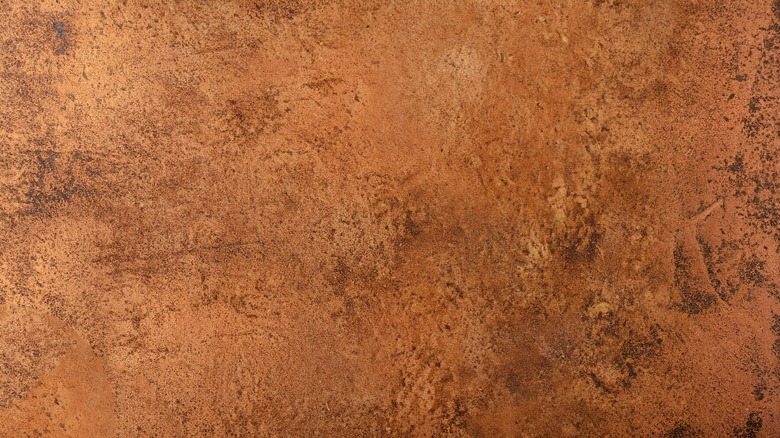
If you care about those antimicrobial properties, you'll probably want to leave your copper countertops unsealed. But that doesn't mean that unsealed countertops don't come with their own issues. One such issue is staining. According to Chris Lawson, sealing your countertops can limit the appearance of fingerprints and staining. This might be the way to go if you're worried about the appearance of your copper countertops changing over time.
Per Lawson, "unsealed tops need more vigilant care with acidic foods like lemon, vinegar, and wine to prevent bright spots or etching." If you work with these kinds of foods in your kitchen a lot, you will constantly have to worry about staining your countertops. This means you should take extra caution to prevent acidic liquids from coming into contact with surface of your countertops and wipe them up immediately when they do. Even if you're super careful, though, an unsealed copper countertop will eventually start tarnishing. Some people like this tarnished look, but others may find those changes unappealing.
Pro: Copper countertops provide a distinct appearance
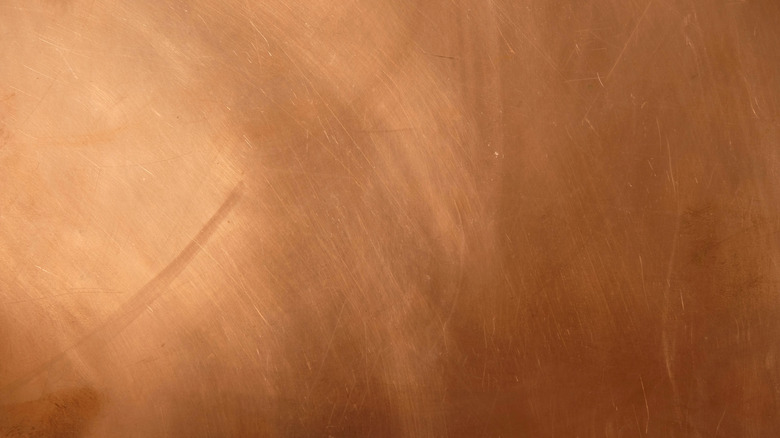
Some people are looking for a durable kitchen countertop material that will look the same over time. But for those who are looking for something a bit more dynamic and distinctive, copper countertops might be a better option. "Copper countertops offer a distinctive, design-led aesthetic that can transform a kitchen," says Louis Vanderman of Woodmere Kitchens. That bold, bright color is sure to make an impact no matter what other design elements you're working with. It especially works well with grey or silver tones, which help balance out its warmth — you may want to consider grey cabinets to complement the boldness of the copper.
It's important to remember that copper countertops will look different on the day you install them than they will five years into the future. One of the best parts of choosing copper, according to Vanderman, is the fact that the patina changes the older the surface gets. "Over time, the surface reacts with air, water and everyday use to develop rich tonal variations, creating a 'living finish' that many homeowners find warm, characterful, and unique." Even if you see samples of copper countertops at a showroom, the one in your home may end up looking different. "No two copper countertops age in the same way," says Vanderman.
Con: Copper can be pricey

Most homeowners have to consider cost when they're doing a kitchen remodel. Sure, you may want all the bells and whistles in your new kitchen, but you have to decide which features are actually worth paying a premium for. Unfortunately, copper countertops are at the pricier end of the spectrum compared to other materials. The material itself is costly, and if you're working with a particularly large counter space, you could be looking at a hefty bill that significantly cuts into your kitchen renovation budget.
According to Chris Lawson, one of the main cons of choosing copper countertops is the price. "Commodity price swings can push quotes up and extend lead times," he says. That higher price may be worth it for you if you really love how copper looks or if you're interested in it for its practical qualities. But copper may not be the best options for for homeowners who are more budget-minded. For example, the average copper countertop install in 2025 was priced at around $7,500, but this number really depends on the size of your kitchen, the weight of the copper you choose, and any custom elements you may want to include. If you still want to use copper for your countertops but don't want to spend too much, consider thinner copper instead of thicker pieces.
Pro: Copper countertops are very heat-resistant
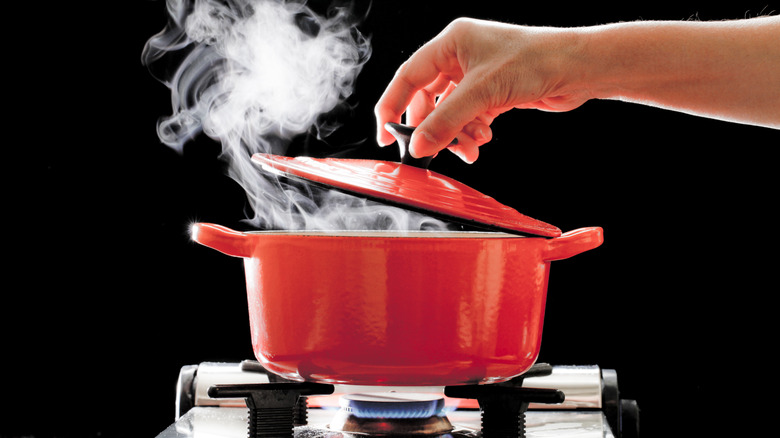
If you spend a lot of time cooking in your kitchen, then you probably want to select a practical countertop material that won't be easily damaged by normal cooking processes. For a lot of homeowners, this means looking for a countertop material that's heat-resistant. Some popular options, including marble and laminate, don't work well with heat and may become damaged when you place a hot pot or pan on them. According to Louis Vanderman, though, copper is "highly heat-resistant, allowing hot pans to be placed directly on the surface without cracking or heat damage."
However, if you do opt for copper (or any other kind of metal countertop), you'll want to be extra careful when handling hot items. Placing hot dishes on the counter can make the copper itself quite hot and potentially lead to burns.
Con: The soft surface can make copper countertops sound drum-like
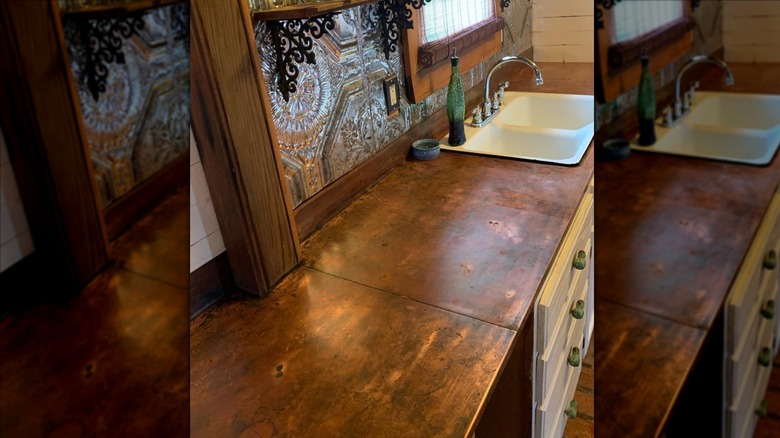
Copper countertops are available in different thicknesses. Some may opt for a thinner option to cut costs, but a thinner material has its drawbacks, according to Chris Lawson. He says that a thin sheet of copper can "sound drum-like," which may be annoying to some homeowners.
If you want to avoid that kind of sound, it's a good idea to opt for a thicker cut of metal so you don't notice the softness of the material quite as much. Thicker gauges include 24 and 48 ounces per square food of copper. Your contractor may be able to further cut down on noise by installing some sort of padding between the actual metal and the base of the countertops — be sure to ask about specifics of this process with the person who ends up doing your kitchen remodel. Otherwise, though, you'll have to live with this sometimes-annoying quirk.
Pro: Malleable copper makes personalized detailing possible
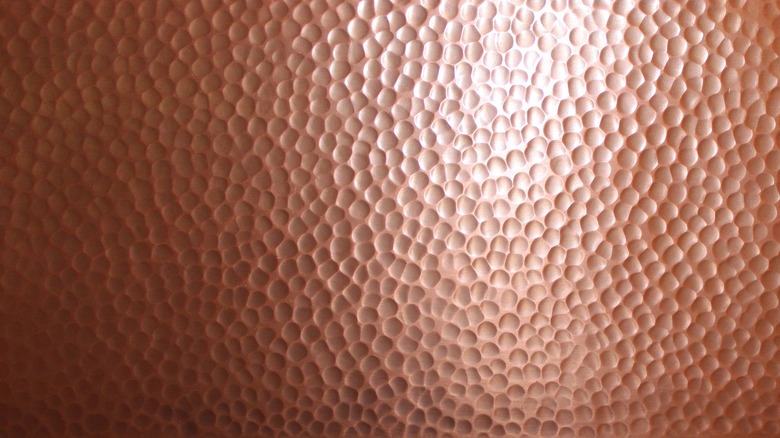
A lot of homeowners who are interested in copper countertops are looking for a more customized look in their kitchens. After all, if they wanted something standardized, they might go for a more popular option like granite. But not only does the appearance of plain copper look striking in many homes, but its malleability also allows for greater customization than some other countertop materials. According to Louis Vanderman, this potential for customization is one of the main appeals of copper countertops.
This malleable quality, says Vanderman, "allows for bespoke fabrication, including integrated sinks and custom detailing." Hand-hammered copper can offer a more rustic look that really pops in a more natural-looking kitchen. This is a great option if you're worried about denting; that hammered appearance can hide dents and nicks that may otherwise make your countertops look damaged.
Con: Copper's malleability also makes it prone to dents and scratches

The malleability of copper is a pro for those who want to create a specific, bespoke look in their kitchen. However, it comes with some drawbacks as well. Because the material is so soft, it's easy to accidentally hit it too hard or drop something on it, causing dents and other unsightly blemishes.
Per Louis Vanderman, "Copper is also softer than materials like granite or quartz, making it more susceptible to scratches and dents, particularly in busy family kitchens." This is something to consider if you're the kind of person who actively uses their kitchen. If you don't want to deal with the appearance of dents in the surface of your countertops, you may want to opt for a stronger, more durable material, like quartz or granite. Of course, you can opt for that hand-hammered option if you don't want to deal with the appearance of unintended dents but still love the look of copper.
Pro: Copper is recyclable, making it an eco-friendly option

According to Louis Vanderman, copper countertops can be very long-lasting. "When made well and properly cared for, copper countertops can last for decades," he says. This is a huge appeal for those who don't want to have to renovate their kitchen again in a few years. But even if you keep those countertops in your kitchen for a long time, they'll need to be removed eventually.
Luckily, since copper is recyclable, you don't have to worry about all that material going to a landfill once it's out of your kitchen. Instead, you can actually sell it as scrap metal. Not only does this mean you can make some cash, but it also prevents that copper from going to waste. Because of copper's ability to last so long in your kitchen and its recyclability, it's one of the more eco-friendly countertop material options out there. It's just one way to prioritize sustainability in your kitchen remodel. Furthermore, there are some fabricators that deal in recycled material, giving you the opportunity to use pre-loved copper in your own home renovation.
Con: It requires somewhat frequent maintenance

Although copper countertops may not be as difficult to care for as some other countertop materials, that doesn't mean you don't have to do any maintenance on them. In fact, if you want to keep them in the best shape possible, you'll want to be really careful about what liquids come into contact with the metal. Acidic liquids can cause discoloration in the metal, so you need to make sure you clean up any spills as quickly as possible and not allow them to sit for long on the surface.
And even though the fact that copper tarnishes is part of the appeal for some homeowners, you'll also want to prevent too much tarnishing from occurring by regularly waxing the countertops. To do this, you can either apply beeswax or butcher's wax with a soft cloth. Ideally, you'll want to wax the surface once every few months to keep things looking as fresh as possible. It's definitely worth the time and effort it requires to take care of copper countertops if you like the appearance enough, but this requirement may be a turnoff for those who are looking for the easiest possible material to maintain long-term. Otherwise, cleaning a copper countertop is simple — just use a mild soap and a cloth, and it should be relatively easy to keep clean.