

11 Common Mistakes To Avoid When Using Beeswax Wrap
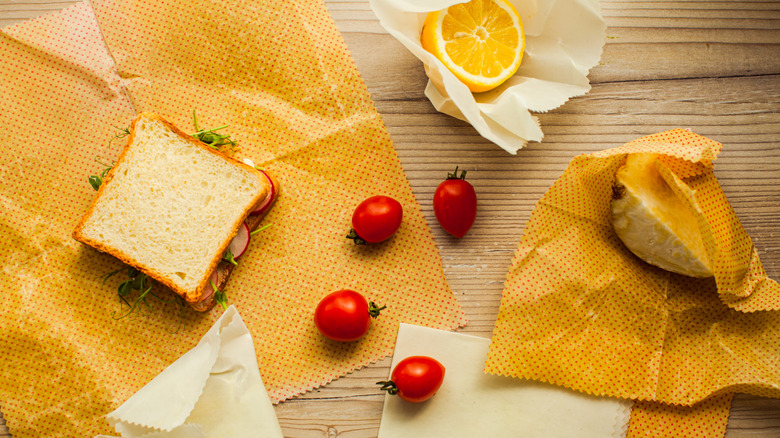
If you spend a lot of time in the kitchen, you may find yourself needing to use a lot of disposable plastic products, from plastic bags to plastic wrap. While these tools can come in handy once in a while, a lot of sustainability- and health-conscious home cooks try to avoid them as much as possible. There are concerns that chemicals leached from plastic wrap could cause health issues, and being disposable and decidedly not biodegradable, many view these types of food storage tools as bad for the environment as well (and a great way to cut down on plastic waste in the kitchen).
That's why you may consider using beeswax wrap in place of plastic wrap. While it doesn't function exactly the same way as plastic wrap, beeswax wraps can cover jars, bowls, and plates and wrap around various food items for storage in the fridge, pantry, or on the countertop — and it's considered safer for your food. But if you've never used beeswax wrap before, there's a chance that you're making some common mistakes; we'll share some of them and give you ideas about how to avoid them so you can ensure that you're getting the most use you can out of your beeswax wraps. Once you start using them, you may never want to go back to plastic again.
Wrapping hot foods with beeswax wrap
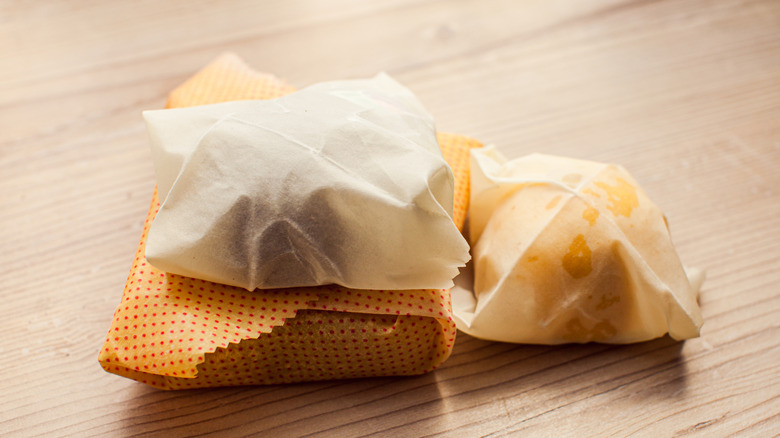
You've finished cooking something, and you want to get it all wrapped up and put in the fridge as soon as possible. You might assume that you can take your beeswax wrap and simply wrap it up, but this is a big mistake if the food you're working with is still hot. See, beeswax wrap, as the name suggests, is made from cloth covered in a layer of beeswax. This wax can start to melt when exposed to heat. Not only will this damage your beeswax wrap itself, but the melted wax can stick to the food itself and potentially make it inedible.
But that doesn't mean you can't use beeswax wrap with anything that's been heated up. Make sure that it's cooled down completely before you apply the wrap, and you shouldn't have any problems with melting or sticking.
Throwing beeswax wrap away instead of composting it
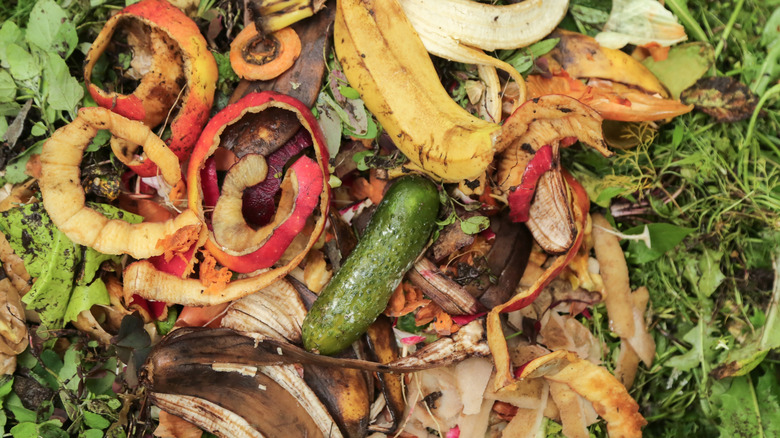
Sure, beeswax wrap can be used multiple times — certainly much longer than plastic wrap. That being said, there will come a point where it's no longer sticking very effectively, at which time you might want to retire that piece of wrap. But if you're truly trying to keep your kitchen as sustainable as possible, don't throw your beeswax wrap away. You're better off composting it to ensure that it doesn't end up in a landfill somewhere. Place it in the same bin you put your food scraps in, and it will break down over time.
Old beeswax wrap can also serve another purpose if you decide that you don't want to compost it. You can actually use pieces of it to start a fire if you have a fireplace, wood-burning stove, or an outdoor fire pit. Take a cut piece of the wrap, ball it up, and carefully light it on fire before adding it to your outdoor campfire or stove.
Storing your beeswax wrap crumpled
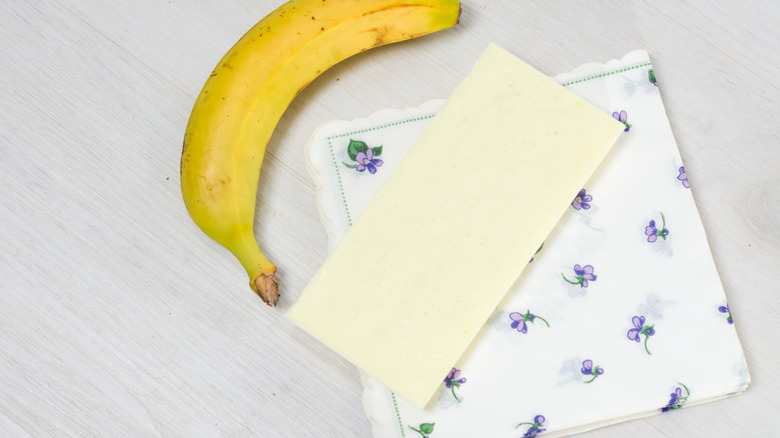
Chances are, you're not going to be constantly using your beeswax wrap to store food. There may be times when you just clean it and set it aside to use whenever you need it. But the manner in which you store your wrap can ultimately determine its lifespan. Because this wrap is coated in a layer of beeswax, it can easily crack and break if it's stored improperly. That's why it's so important to never fold or crumble the beeswax wrap when you're storing it — those creases can eventually start to wear out the wrap faster than is probably ideal.
Therefore, you should store your beeswax wrap as flat as possible somewhere in your kitchen where it won't get jostled around in the back of some drawer. If you don't have space to store it flat, you can always roll it up into tubes for more efficient storage. Storing your beeswax wrap this way will ensure that it stays intact and effective for longer.
Using beeswax wrap to wrap raw meat or fish
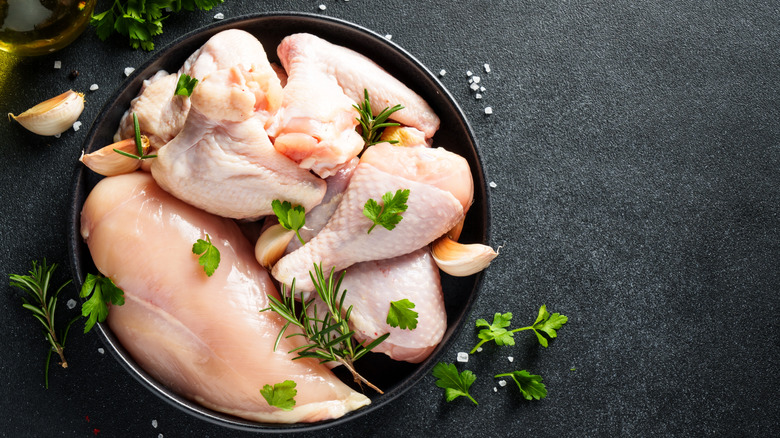
You have to be careful when you're storing raw meat and fish. Not only do these types of food tend to go bad quicker than other items you might want to store in your beeswax wrap, but anything that comes into contact with them needs to be sanitized properly so as not to spread harmful bacteria. The problem? You can't wash beeswax wrap with water that's hot enough to kill the germs it's exposed to when it comes into contact with raw meat and fish. That hot water will melt the wax on the wrap, reducing its stickiness and preventing it from properly sealing foods inside.
Instead, cook these foods before storing them with beeswax wrap. Since cooked meat and seafood don't harbor the same harmful types of bacteria, you don't have to worry quite as much about making sure that the wraps are properly sanitized. Otherwise, find a different vessel in which to store those raw proteins.
Expecting cold or stiff beeswax wraps to stick
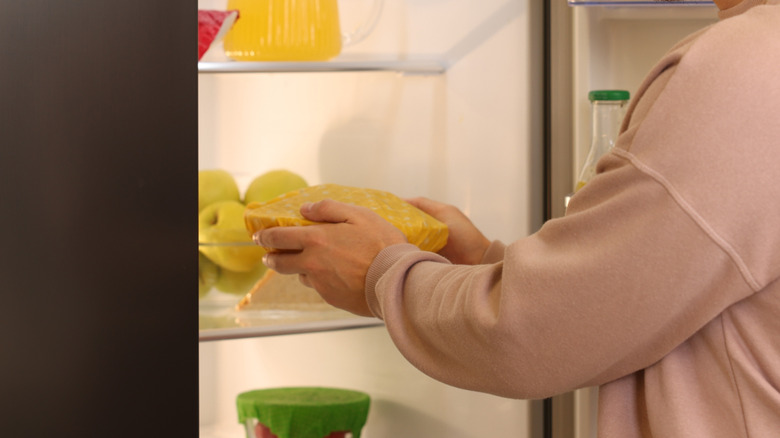
Have you ever tried using a piece of beeswax wrap only to discover that it was stiff and simply not sticky enough to properly adhere to itself or whatever you were trying to cover? Most people who have used this reusable kitchen tool have had the same problem. The majority of the time, this happens because the beeswax wrap is simply too cold to function properly. This is because the beeswax hardens at colder temperatures. Think about it — the wax in a candle is hard and won't stick to your finger if you touch it when it's cold, but once you light the candle and the wax starts to melt, it'll stick to everything it touches.
To remedy this issue, you'll want to gently warm your beeswax wrap. Exposing it to temperatures that are too high can cause the wax to actively melt, so all you really have to do is warm it up in your hands a bit. Then, try wrapping whatever it is you want to store again, and you should find that it's become stickier and more pliable.
Utilizing beeswax wrap for particularly wet or oily foods
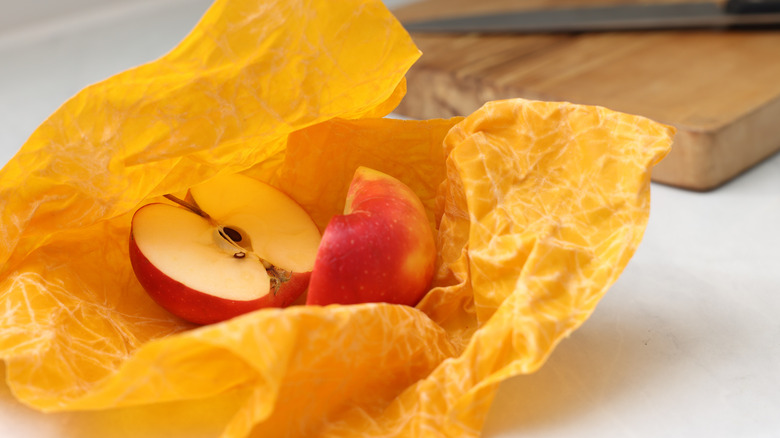
Although beeswax wrap can be used with a lot of different foods, you can't use it for absolutely everything. We've already mentioned that it's not a good idea to store raw meat with beeswax wrap, but you'll also want to abstain from wrapping it around foods that are too wet or oily. Beeswax wrap isn't a good option for wet foods because that moisture can prevent the wax coating from working properly, often preventing proper sticking. Therefore, you should store cut produce, soups, and any other super-moist or wet foods in a different kind of storage vessel. Of course, you can always put these foods in a bowl and cover them with beeswax wrap, as long as the wrap doesn't come into contact with the food itself.
The same is true for foods that are too oily. Oil can easily transfer onto the wrap, causing staining. If you want to keep your beeswax wraps in good condition for the long haul, avoid storing these types of food in them.
Using beeswax wrap with acidic food
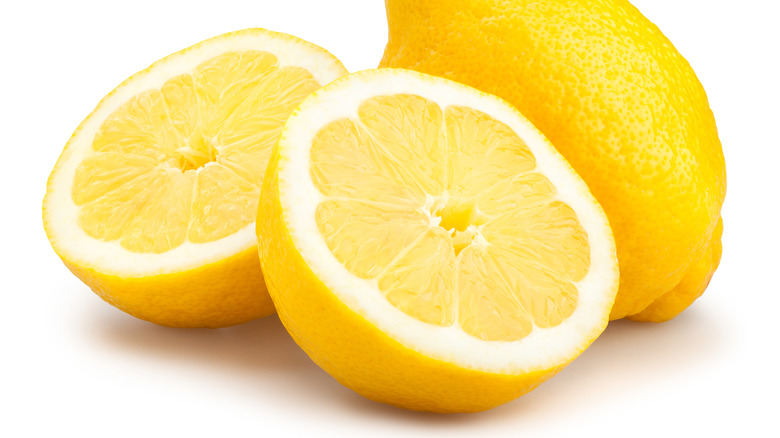
When you're working with plastic wrap, you may generally plan on throwing that wrap away as soon as you eat whatever's wrapped inside. Sure, you may use a piece of plastic wrap an extra time or two, but within a few uses, it ends up in the trash. Because beeswax wrap is intended to be used for longer, you have to take extra care to ensure that it stays intact for the long haul. This is why you will want to avoid storing especially acidic foods in beeswax wrap. Anything with too much acid — like cut tomatoes or citrus fruits, for instance — can start to weaken the wrap. After a long enough period of time, the wax may start to break down more fully, causing the wrap to become ineffective.
As with some of the other types of food we've mentioned on this list, it's better to store acidic foods in another type of storage container. Save your beeswax wrap for less-acidic items to ensure that it lasts for a longer period of time.
Wrapping very smelly foods with beeswax wrap
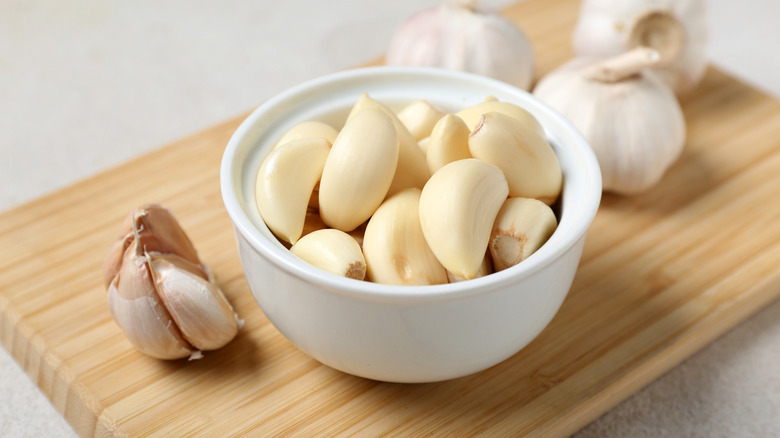
When you use disposable food storage methods like plastic wrap, you don't really have to worry about how any smells from the food are going to affect them. But when you're working with beeswax wrap, a reusable product, you have to think about the impact of aroma. That's because particularly strong-smelling foods can ultimately make your beeswax wrap smell as well. This may not be the case with an item that's cooked with a little bit of garlic, but whole cloves of garlic or a cut onion, on the other hand, can leave a smell on the beeswax wrap.
If you are going to store strong-smelling foods in beeswax wrap, make sure you only use those pieces of wrap for the same types of foods moving forward. Always seem to have half an onion hanging out in the fridge? Use that same piece of wrap for it again and again. Otherwise, you're better off skipping the beeswax wrap for these smelly types of food.
Thinking you have to buy beeswax wrap
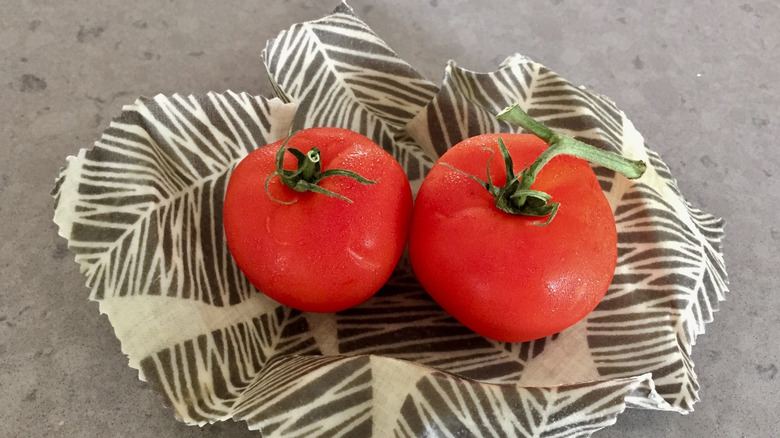
Beeswax wrap may be a more sustainable alternative than some other options, but oftentimes, it's not cheap. Admittedly, you don't have to keep buying it over and over again, but a well-branded beeswax wrap may cost more than you really want to spend. But it's a mistake to assume that you have to buy beeswax wrap, although we think it's well worth the price. In reality, it's pretty simple to make yourself. Although it's not quite as easy as ordering some online, learning how to make this kitchen tool yourself could save you a decent amount of money — and allow you to make some fun presents for other sustainably-minded loved ones in your life.
You'll start by cutting a square of cotton fabric large enough to cover plates, bowls, and whatever else you're planning to wrap your beeswax wrap around. Then, you can melt your beeswax in the oven, submerging the cloth until it's fully covered in beeswax. Alternatively, you can melt the beeswax into the fabric by placing the wax onto some foil, putting the fabric on top, flipping it over, and using an iron to get the wax to stick. Either way, this is a great way to ensure you have plenty of beeswax wrap to use in your kitchen without spending a ton of money buying it online or from a store.
Putting beeswax wrap in the microwave
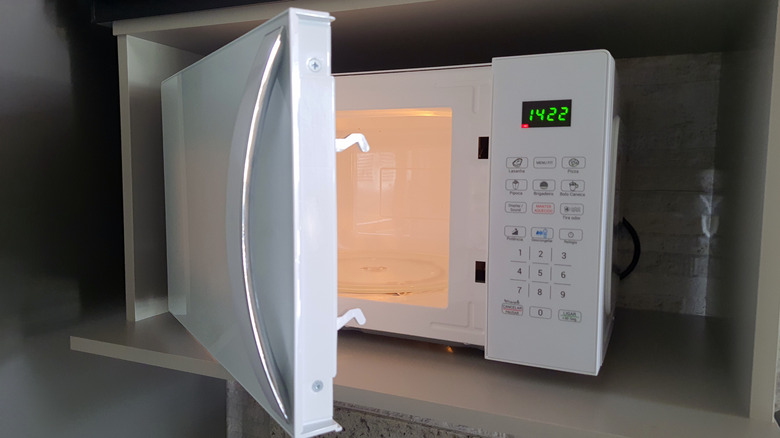
If you've gotten this far, then you already know that it's a mistake to expose your beeswax to high heat. Because beeswax wrap is covered in, well, beeswax, the coating can easily melt if it's exposed to high temperatures. This means you should keep beeswax wraps away from heat sources in general, but that also includes the microwave specifically. It may not seem like a big deal to throw a beeswax-covered dish into the microwave, since you might do this occasionally with plastic wrap. However, if you keep it under that intense heat for long enough, it could start to melt the wax, ruining the wrap and potentially even getting some of that wax into your food.
Therefore, be sure to unwrap whatever it is you're heating up before putting it in the microwave. Your wrap will last a lot longer, and you won't have to pick pieces of wax out of your food.
Assuming beeswax wrap is airtight
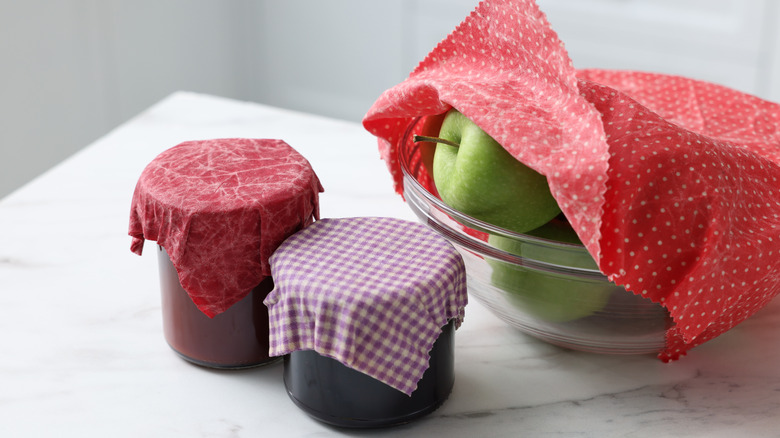
One major reason a lot of people like using plastic wrap is the fact that it creates an airtight seal on whatever you're storing in the fridge or pantry. By keeping air out, it keeps food fresh for longer and prevents unappealing smells from getting into the container when you're storing leftover food in the fridge. Because beeswax wrap can be used to replace plastic wrap in a lot of contexts, you might think that beeswax wrap also forms an airtight seal. Unfortunately, this just isn't the case — if you're looking for an airtight seal, you're better off passing up on the beeswax wrap entirely.
This means that certain foods (like raw meat, which we've already covered in this article) don't belong under beeswax wrap, since it can't properly protect the food. Keep your beeswax wrap handy for foods in which you want a bit of airflow to maintain longer-term freshness.