

The Average Lifespan Of A Toaster (And How To Make Sure Yours Lasts)
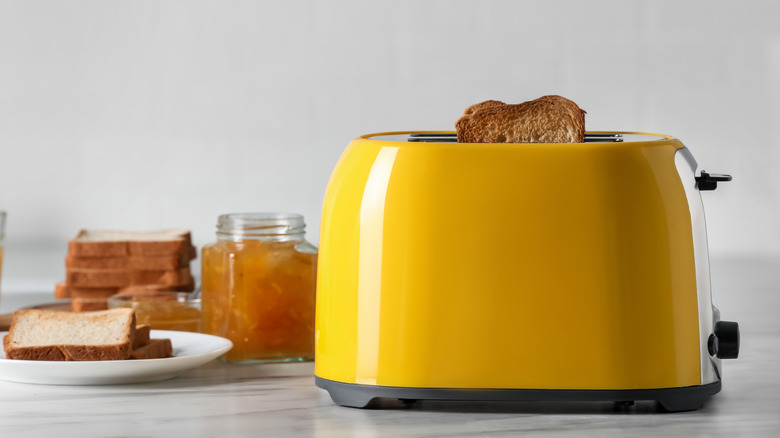
If you dread having to buy new kitchen appliances because you worry they are designed to break down or become obsolete within five years, your fears might be valid. While large appliances can last six to 20 years, most modern toasters and other small appliances have an average lifespan of about five to 10 years. However, this does not mean that your new toaster is destined for landfill. If you buy a toaster brand known for its durability and performance, use it as intended by the manufacturer, and protect it from dust and moisture, you can extend its lifespan.
Vintage countertop appliances like toasters can often last decades because they were typically manufactured with durable heating elements and metals like Nichrome, which is an alloy of nickel, iron, and chromium. Nichrome is not only incredibly efficient, but it also can last a lifetime if not exposed to extreme wear and tear or volatile environments. Most modern toasters, even from luxury appliance brands, are made from less expensive materials that are more vulnerable. Their vulnerability quickly increases with age as the components are exposed to food, dust, and moisture. Another reason fancy toasters seem to break down quicker is that they consist of complex circuitry and electronics that are delicate and hard to repair. Buying a toaster that is just a toaster rather than a combination appliance or smart appliance could save you money and frustration. Plus, when you buy the best four-slice toaster without a lot of bells and whistles, it will be easier to use, and might surprise you with just how effective it is.
Tips for extending the lifespan of your toaster
Luckily, you do not necessarily need to spend $100 or more to guarantee that your appliance will last. Instead, research the best type of toaster for your needs and budget, looking for appliance brands that have a long history of creating durable products. Then read customer reviews to check for red flags, such as customers complaining that their toaster arrived damaged, died quickly or never performed properly, or was easily broken. Keep in mind that a few complaints are normal for any product, but if you see hundreds of reviews complaining about the same thing, that indicates a major problem.
After you make your purchase, one overlooked step could make your kitchen appliance last longer: reading the manual. Follow the manufacturer's instructions on where to place the toaster, how much clearance it needs on all sides for proper ventilation, what type of outlet to use, what foods can be toasted, and how often to clean it. Most appliances should not be plugged into extension cords or plug adapters, and you also should try to keep the cord uncovered. Avoid placing items up against the toaster as that could cause overheating or risk an electrical fire.
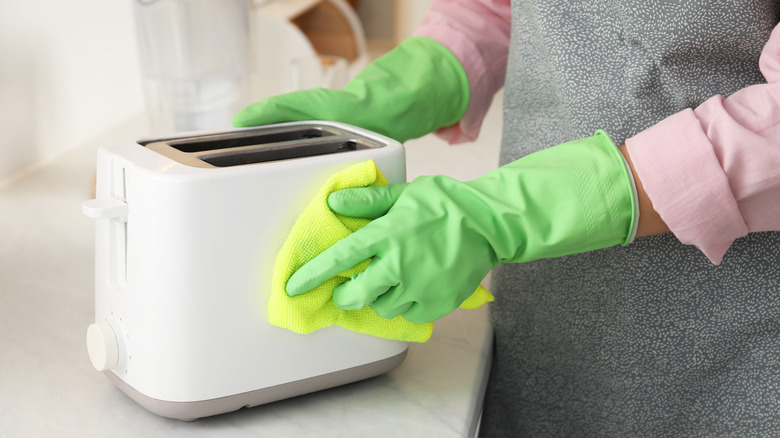
Regularly empty the crumb tray, dust and damp-wipe the exterior, and check for signs of crumbs or obstructions caught inside. Don't ever stick silverware or other objects inside the toaster, and unplug it before you clean it. Protect it from dust and moisture, and unplug it and cover it if you won't be using it for a while. All of these steps can reduce the risk of electrical damage, corrosion, and wear and tear that would lead to it dying before its time.