

Why Seafood Spoils So Fast (And How To Keep Yours Safe And Fresh Longer)
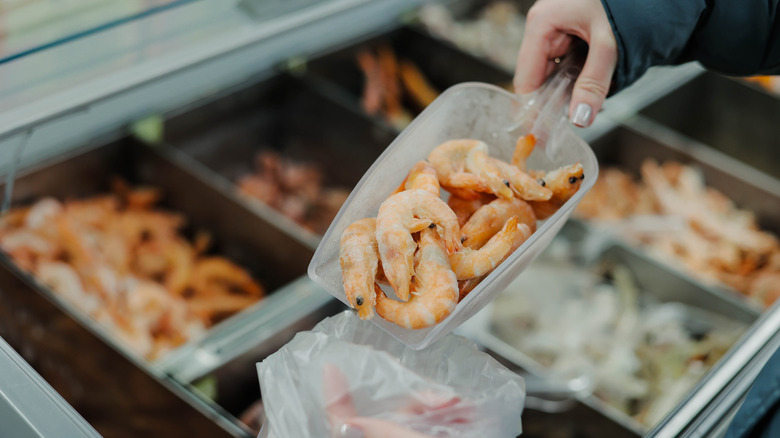
Seafood spoils faster than land animals, and fresh seafood goes bad more quickly than frozen. To find out why that is, and how you can make sure your seafood is fresh and safe, Tasting Table spoke with Wesley Rose, the Director of Perishables for Whole Foods Market. Rose says that seafood is "more perishable than other animal proteins" primarily due to the difference in "moisture content, enzymes, and fat content in fish" when compared to that of beef, poultry, and pork.
The ocean is a cold, dark place, and fish (and the bacteria living in and on them) have adapted to survive low temperatures. Your home refrigerator is likely kept at about 37-40 degrees Fahrenheit, which is not cold enough to sufficiently inhibit bacterial growth in seafood. As soon as a fish dies, oxygen, bacteria, and enzymes will begin degrading the fats and proteins in the fish. Improper refrigeration or storage will speed the process, resulting in a foul odor and significantly increasing the risk of foodborne illness.
Another huge factor is that by the time you purchase seafood from a grocery store, it is likely already three to six days old. At the store, it's kept on ice to maintain its freshness, but once you buy it, you're already at a disadvantage as to its quality and longevity. To safely keep seafood in the fridge so it stays fresh for as long as possible, Rose recommends, "storing seafood in an airtight container in the cold part of the fridge, typically the bottom shelf against the back wall is the best spot for seafood to stay fresh." You can also use a simple trick to make sure your seafood stays fresh before cooking it: store it on ice.
Make sure you're getting the freshest possible seafood at the store
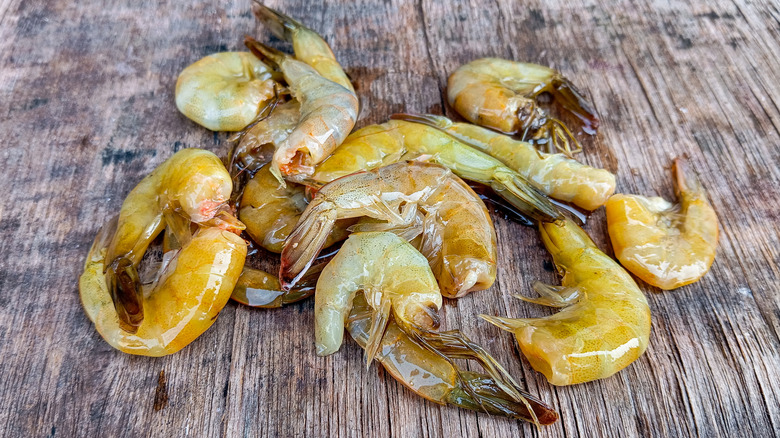
If you don't live near water or have access to fresh seafood markets, you may be limited as to the variety of fish available to you and where to buy it. If you're buying seafood at a grocery store, choose one with a reputation for sourcing quality meat. Don't be afraid to ask questions of a team member or the manager. Rose "recommend[s] talking to the fishmonger behind the seafood counter about when you plan on cooking the fish." You can also ask where the fish comes from, how often it is delivered, and even what day of the week it arrives, so that you can try to get the freshest options. Rose says, "Some fish naturally last longer than others, and the team member can guide you to the right fish for your recipe and timeline."
While you should pay attention to odor when shopping for seafood, you also want to assess its appearance and texture. "Fish should look shiny, moist, firm when handled, and have a mild ocean-like scent," Rose says. The fish should be in a refrigerated case or kept on ice. It should not have a strong fishy or sour odor or any discoloration of the skin.
Before buying whole fish, look at the eyes — they should be clear and shiny. When you gently press against the fish's skin, it should feel firm and bounce back. If the quality of the fresh fish at your local grocery store isn't great, you can always opt for frozen instead. According to Rose, "Whole Foods Market offer[s] lots of high-quality frozen seafood...that delivers convenience and flexibility for the busiest of customers."