

Canned Vs Fresh Tomatoes: Which Are Actually More Nutritious?
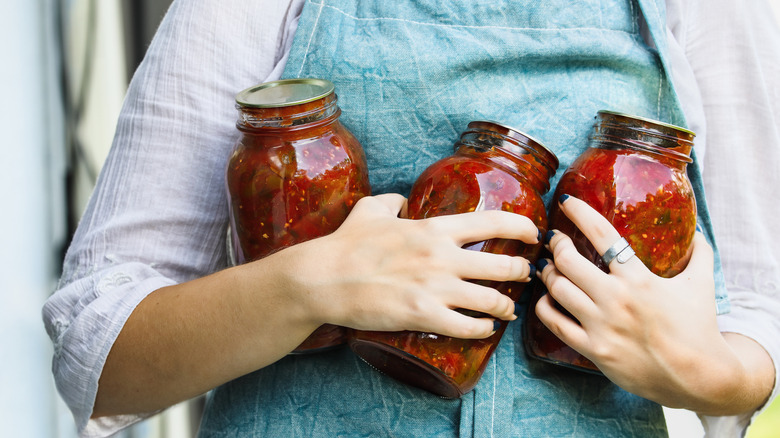
Canned food has an unfortunate cultural association with bland, low nutrient-density, mid-century recipes. Some canned vegetables, like green beans, really do lose much of what makes them good, in terms of texture, color and flavor, during the canning process. But some canned veg are just as good, better, or equally-good-just-different than their fresh counterpart. Such is the case with canned tomatoes, which often come up in the hotly-debated fresh-versus-processed conversation. When you cook them at high heat and seal them into a can, certain delicate flavors and nutrients recede, but others become more bioavailable.
Lycopene, the fat soluble carotenoid pigment that gives tomatoes their color, is locked inside the plant cell walls, and heat, from cooking or processing, ruptures those walls, pulling the pigment into a form the body can utilize. That's why canned or cooked tomatoes have more absorbable antioxidants than raw fruit. The canned tomato is also more concentrated, so there's more pigment, flavor compounds and therefore, vitamins, per bite. Vitamin C and folate, however, live in the watery matrix of the flesh, and they break down under prolonged heat. Minerals can vary, partly due to concentration and partly due to processing inputs like added salt.
Even scientific deep-dive studies have be unable to come to a definitive conclusion as to whether fresh or canned tomatoes are more nutritious. If you want a bright, acidic taste, or the clean, mineral profile you get when a tomato is still firm and cool, "pick" the fresh fruit, which personifies the fleeting, volatile aromatics that remind you a tomato is a berry. But if you can't access that year-round, a canned tomato is also nutritious, and a better option, culinarily, for something like sauce, where you're trying to cook down the water and to get to the deeper flavor.
Peak season wins every argument
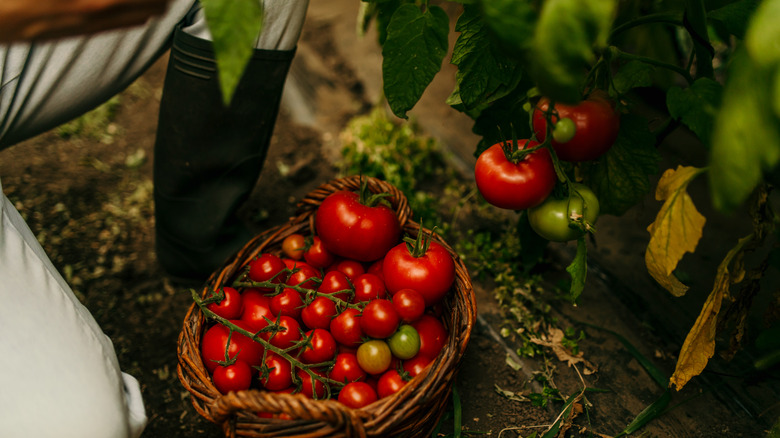
The matter of seasonal ripeness isn't just a poetic concern. Most supermarket tomatoes are harvested before they're ready and chilled in transit, or kept in cold storage, which slows ripening, and lowers nutrition and flavor, especially if the fruit was harvested unripe begin with. Canning facilities, by contrast, use tomatoes that are fully ripe at the moment they're processed, because unlike a produce department tomato that needs to look pretty longer term, softness isn't a liability when everything is headed to get cooked down in a steam bath. That means the nutrients that are present because of the maturation of the fruit, like potassium, certain carotenoids, even the natural glutamates that give tomatoes their deeper, savory-umami base-notes, are present in stronger quantities in canned products than in the average pallid winter tomato.
In dishes that simmer for a while, canned is more resilient, in that it won't change much because it's already been through some cooking. Heat from canning also allows the tomato's natural pectin to thicken, which is why what you find when you crack open a can is different than what you'd have if you put some cut up raw tomatoes in a plastic storage container for a while. The texture concentrates the flavor, so canned tomatoes taste more "tomato-y" than the pale slices on a sad January salad.
Canned and fresh both emphasize different parts of the fruit, and neither win outright. Canned tomatoes have a developed depth of intensity, while a perfect, in-season fresh tomato captures the ephemerality of the summer's sun and won't be as good when it isn't peak season, so it's worth enjoying them as much as possible while you can, and plan to eat plenty of canned tomatoes the rest of the year.
Ripe is right
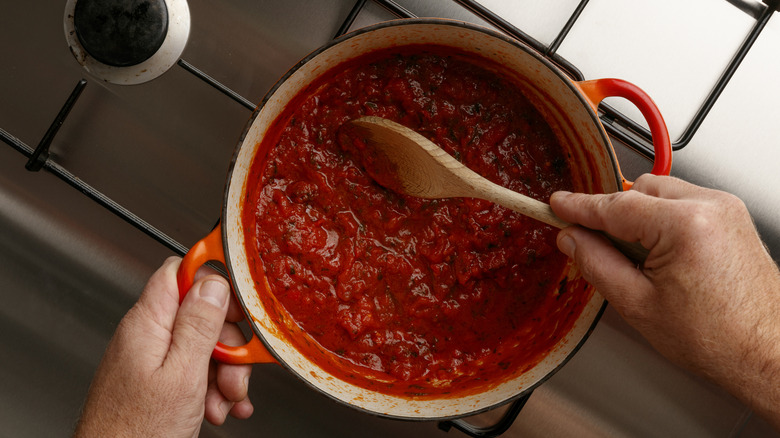
Tomatoes are a useful example of the important nutritional distinction between what is present on paper, and what the body actually absorbs. As we've learned, some compounds survive heat well, or even benefit from it, while others degrade quickly, meaning that the nutritional "winner" depends on which compounds you care about, which tomato products you're comparing, and how those tomatoes were handled on their way from plant to plate. Lycopene, for example, being fat-soluble, is absorbed more efficiently when tomatoes are cooked and paired with fat, so a generous pour of olive oil when you sauté the anchovies and garlic at the beginning of your Puttanaesca is good for biological optimization, along with the deeply satisfying, layered flavors it brings.
Basically, from a cooking perspective, this nutrient ambiguity is less frustrating than it sounds. Tomatoes are healthy, nutrient-dense foods, period. Eating vegetables in whatever form is easiest for you is always the healthiest option over not eating any vegetables, and cooks don't choose tomatoes in the abstract, but for what a dish needs to do. If tomatoes are in season, eat fresh Caprese every day. But if it's the heart of winter in the Northern Hemisphere and you're buying cans for everyday cooking, look for "no salt added" when you can, since sodium is the nutrient-bioavailability wild card in a lot of tomato products, and you can easily adjust the taste of your dish like a pro with other seasonings and juices. Scan ingredient lists for other extras that change the chemistry of the recipe. Calcium chloride, for example, helps diced tomatoes keep their shape, which is useful in chunky chili, but it can fight a silkier sauce. Cooking is contextual, not theoretical, and tomatoes reward those who cook the right recipe with what they have.