

Why Old-School Snacks Are Making A Major Comeback, According To A Mondelēz Expert
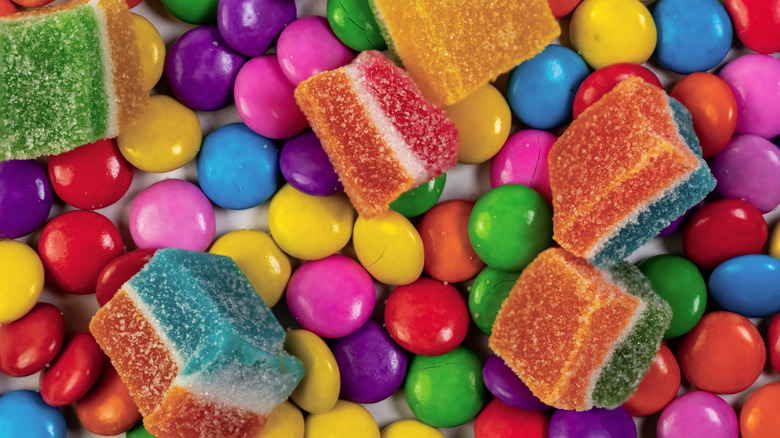
The constant comeback of old school snacks is one of the more unusual trends in food. It's understandable that people have cravings for homey favorites their families used to make, as they usually taste great and have tradition on their side, but fond memories for trendy snacks foods that were discontinued are a little more puzzling. Look no farther than Dunkaroos, a totally fine treat that returned in 2020, years after being discontinued, due to fan pressure. So to parse exactly why these old snacks have such a hold on us we talked to Melissa Davies, the global senior manager for social intelligence and trendspotting at Mondelēz International, one of the world's largest producers of snack foods. And she let us know that nostalgia is a far stronger force in food than many people can understand.
Davies spoke to us about the results of the annual Mondelēz "State of Snacking" survey. This year's study found that despite concerns about mindful eating, snacking as a habit is rising in popularity, especially among younger generations. And a big part of this trend has to do with nostalgia. Davies says, "As consumers, it seems like we have more choices today than ever — and yet the draw to favorite childhood snacks has grown each year." A lot of this is driven by consumers' desire for connection, as eating their favorite old-school snacks reminds them of family, and is seen as a great way to share that cozy feeling with friends.
A desire for connection is fueling a desire for snacks that provide a nostalgic feeling
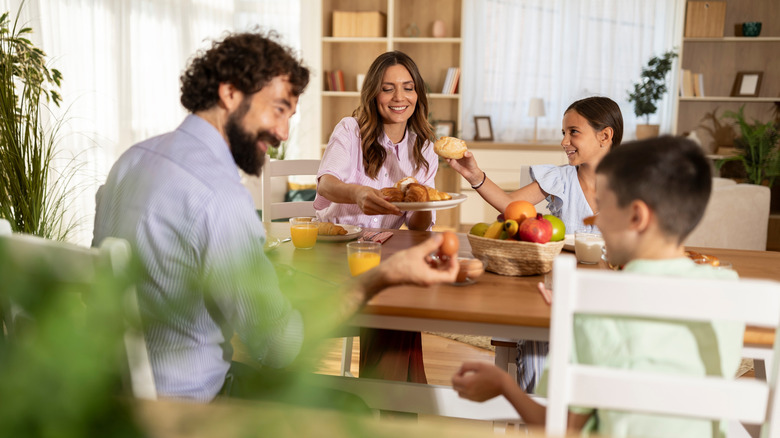
The power of nostalgia to influence our snacking is shown in how universal the impulse is worldwide, with Davies telling us, "One thing that surprises me about the connection between food and nostalgia is how consistent it is." While Americans certainly love our favorite childhood snacks, some other countries expressed even more nostalgia, with more than 90% of people in Indonesia, China, and the Philippines agreeing with the statement "Snacking on my favorite foods from childhood makes me feel nostalgic," compared to 77% of in the United States. Davies attributes this partially to the state of the world, explaining, "As economic pressures rise, snacks give consumers an affordable escape. Brands that can connect us to favorite memories or traditions give people that "just like I remember" comfort in chaotic times."
That nostalgia isn't just branding or marketing either. The fact that food nostalgia guides our approach to eating is biological, as taste and especially smell has been shown to be closely linked to memory in our brains. The study also found that family tradition plays a big role. 73% of people said that their families pass down some snacks through generations, and on average 80% people said this has given them a lifelong loyalty to certain brands. This is not just a subconscious phenomenon either, as previous studies cited by Mondelēz show that the majority of people say they want to buy foods that remind them of their past.
The '80s and '90s were a big time for snack innovation
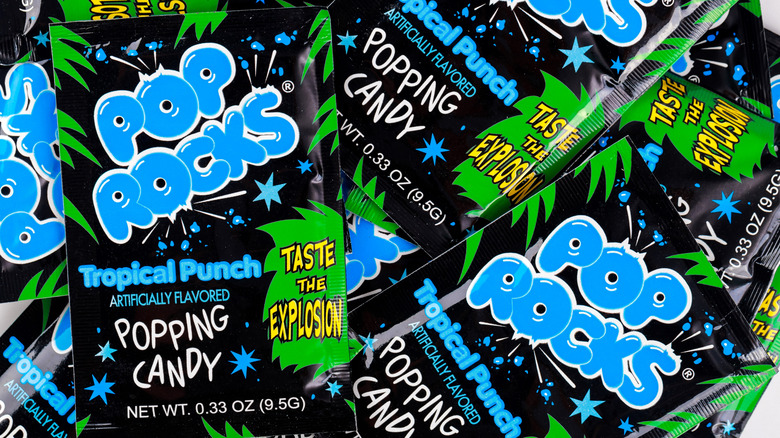
The resurgence in popularity of 90s-era snacks like Gushers and Bagel Bites shows an obvious connection to people who were children in that decade growing into middle age, but there was an interesting trend in the Mondelēz study. Davies says, "I also think it's surprising that people are "nostalgic" for times they may not have lived through." She tells us that younger adults are often searching for snack brands going back to the '80s, a time they would not have experienced first-hand.
Davies had two big explanations she thinks explain the unusual nostalgia for snacks from before the younger generation's time. She explains, "It was a time with a lot of creative candy innovation — intensely sour candies like Warheads, interesting textures like Nerds or Pop Rocks, interactive elements like Ring Pops." Davies also notes that this was an era where a lot of snacks became part of the larger culture through jingles and advertising that may have outlived the products' popularity.
Perhaps the strongest trend in the Mondelēz study was that people just want to be happy these days. 79% of respondents said they snack to improve their mood, and there is growing recognition that a little indulgence isn't a bad thing. According to the survey more people are moving away from trying to cut snacks out entirely and instead are just trying to indulge in moderation. And nostalgic childhood snacks often provide the greatest joy.