

10 Mistakes Everyone Makes With Tinned Fish
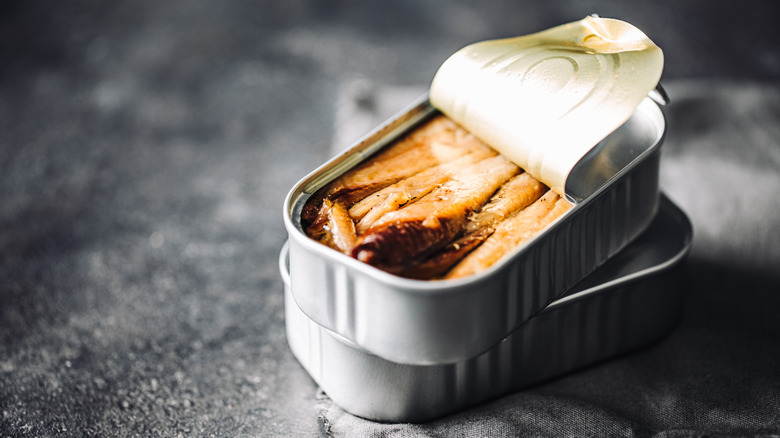
Versatile, protein-rich, and conveniently shelf-stable, tinned fish is a reliable addition to any pantry. Being pre-cooked and ready to eat, it can help you whip up a nutritious, satisfying meal in minutes, or even be the star of a gourmet-style dinner. Perhaps you're folding tuna into a quick pasta dish, flaking salmon over a salad, or serving sardines on toast with a squeeze of lemon. No matter the approach, these compact cans offer an impressive amount of flavor and nutrients. And, with so many varieties available, there's no shortage of ways to enjoy them.
In recent years, tinned fish has had something of a resurgence, with its popularity growing amongst chefs and home cooks alike. However, despite this newfound fame, the seafood staple still falls victim to a few common kitchen mishaps. If not prepared or stored correctly, tinned fish can lose flavor, develop an unappealing texture, or even be deemed unsafe to eat. To bring out its best, the fish requires slightly different handling than its fresh counterpart. And, there are some important choices to consider before you've even left the grocery store. By sticking to a few simple rules, you'll ensure you make the most of every can. So, here's what to avoid when incorporating tinned fish into your everyday cooking.
1. Storing leftovers incorrectly
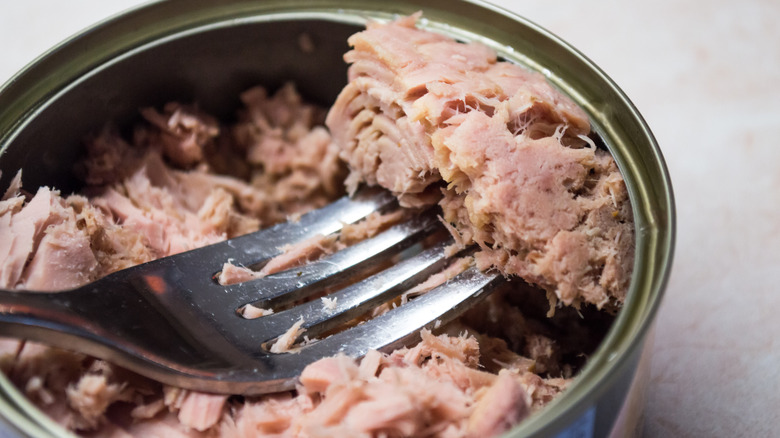
If your recipe doesn't call for a full tin of fish, it can be tempting to leave the leftovers in the opened can and pop them in the fridge. However, this approach is not recommended. Leaving fish in the opened tin will affect both its safety and flavor. Not only is there the risk of chemical contamination if metals from the can react with the food inside, but this storage method is also likely to leave the fish tasting a little funky. There's some debate around the potential health risks of BPA in can linings, too. So, to be on the safe side, it's best to avoid in-can storage altogether.
Much like other leftover foods, canned fish retains its optimal flavor and texture when stored properly in a separate airtight container. Using a clean glass box will prevent the fish from picking up any unwanted bacteria or flavors from previous foods. Cover this with a lid to prevent drying out, and it'll keep well in the fridge for up to four days (as recommended by the USDA). It's also important to remember that proper storage starts well before the can has been opened. To prevent spoilage and preserve flavor, always store your cans in a cool, dry place out of direct sunlight, and use the fish before the expiration date has passed.
2. Discarding the oil or brine
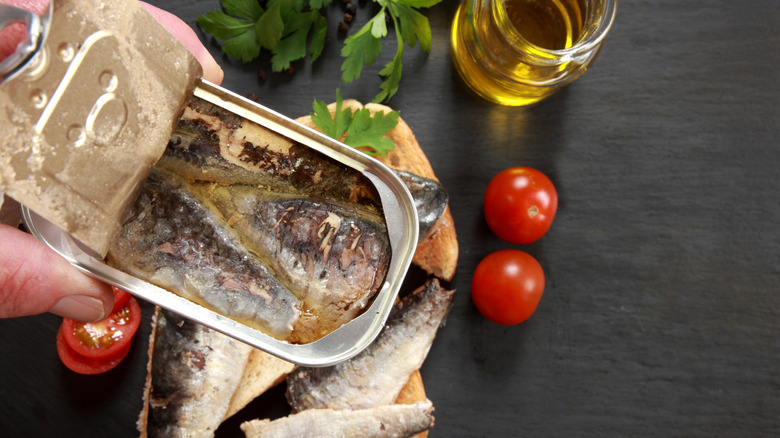
Tinned fish often comes packed in oil or brine, and you might typically drain this off without second thought. But, there's really no need to discard the canning liquid here, because it can in fact be a powerful tool for enhancing the flavor and texture of your fish-based dishes.
Infused with heaps of salty, savory depth, the oil from a can of fish is the perfect base for crafting a homemade salad dressing. Try mixing it up with a splash of vinegar and squeeze of lemon juice, plus some minced garlic and a dollop of mustard, to create a beautifully balanced, flavorful vinaigrette. You can always top up the fish oil with extra plain olive oil if needed. The mixture will taste great tossed with leafy greens or drizzled into potato salad. You can also use the oil add flavor to cooked rice or pasta. And, it makes an excellent alternative to your usual cooking oil if you're pan-frying any elements of your dish.
If your fish is packed in brine, consider incorporating some of this rich, salty liquid into any dish that requires moisture. Whether you're making a saucy pasta, a hearty fish soup, or shaping a batch of fishcakes, the brine can help you build a more complex flavor profile. Just be mindful of the salt content, as using too much of the liquid might overpower your dish.
3. Adding tinned sardines to recipes too early
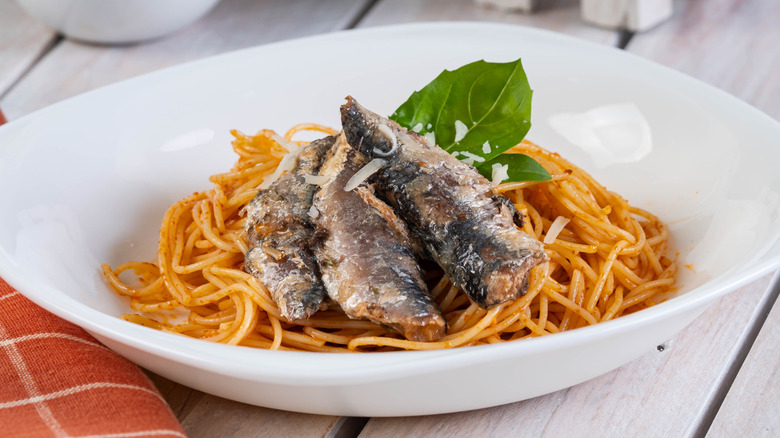
When cooked in a pan, tinned sardines have a tendency to become a little mushy if not handled correctly. To ensure they maintain their signature firm-yet-flaky texture, you'll want to add them to your recipe towards the latter part of the cooking process. This way, the gentle heat warms them through without subjecting them to any vigorous stirring or prolonged simmering that causes their flesh to fall apart.
Because tinned sardines are already cooked, they don't technically require any additional time on the stovetop. But, adding them towards the end will help them match the temperature of the rest of the dish, for a seamless finish. After a quick warm up, they'll be perfectly safe to eat, and packed with flavor. Plus, you'll be left with heartier chunks of fish, which bring far more texture and character to the finished dish.
Another top tip is to separately pan-fry the whole sardine fillets, while will leave them fully intact. Just heat a splash of oil in a pan, and cook the fillets for around 2 minutes per side. The skins should brown nicely, making the fish irresistibly crispy on the outside, but tender in the middle. Now, you can serve the sardines as you wish, perhaps atop a bowlful of pasta or piled onto toasted bread.
4. Forgetting to add acidity or freshness
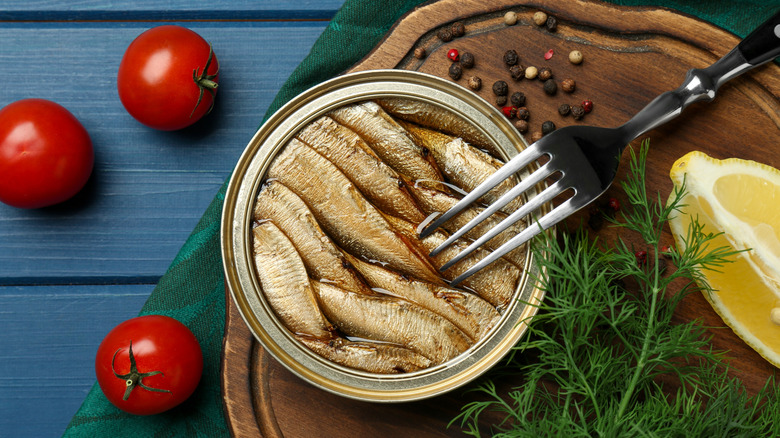
The rich, deeply savory flavor of tinned fish can always benefit from a little balancing, and a rookie mistake that home cooks often make is overlooking the addition of complementary ingredients. Introducing something bright, fresh, or slightly acidic into your fish dish is a fantastic way to contrast the heaviness, and make everything feel more harmonious.
Of course, convenience is one of the main benefits of reaching for tinned fish, and we're not saying you need to transform it into a gourmet-style recipe every time. Bringing balance can be as simple as squeezing half a lemon over sardines on toast, scattering fresh herbs into flaked salmon, or drizzling vinegar into tuna chunks. Acidic ingredients do an amazing job of cutting through the oiliness and amplifying the natural flavor of the fish, while herbs like parsley, dill, or chives can introduce an aromatic freshness that further contrasts the salty depth.
Crunchy veggies also make an excellent pairing for tinned fish. Think finely diced red onion, or sliced radish, cucumber, or tomatoes. These add-ins can add plenty of color and crunch into the mix, lightening things up and injecting a delicious dose of sweet, tangy, or peppery goodness.
5. Overlooking its versatility

While tinned fish can shine in salads and sandwiches, there's are so many other delicious ways to enjoy this humble ingredient. By sticking to the same handful of recipes, you're missing out on a whole other world of creative possibilities. Yes, they can serve as quick lunchtime shortcut, but tinned fish products are also versatile building blocks for crafting a wide range of flavorful, satisfying dishes.
Tinned mackerel, for example, is the perfect candidate for upgrading pasta. Stir it in with a simple medley of garlicky olive oil, lemon zest, and chili flakes, or incorporate it in to a creamy sauce to bring a touch of elegance and savory depth, all while boosting the protein content of the dish. Sardines, the classic toast-topper, also make an excellent addition to fried rice. Combined with aromatics, veggies, and condiments like soy sauce and sesame oil, they deepen the umami notes of the dish, adding flavor and texture without increasing your prep time. Burgers are another fantastic option. Try combining tuna or salmon with breadcrumbs, egg, and any seasonings of your choice, before shaping the mixture into patties. These can then be pan-fried until golden on both sides and stacked into fluffy buns with some fresh toppings.
Tinned fish absolutely has a place on the breakfast table, too. You can flake it over an omelet or into scrambled eggs, perhaps with some wilted spinach and diced cherry tomatoes. Or, toss it into a hash with spicy sautéed potatoes, bell peppers, and onions.
6. Removing the bones
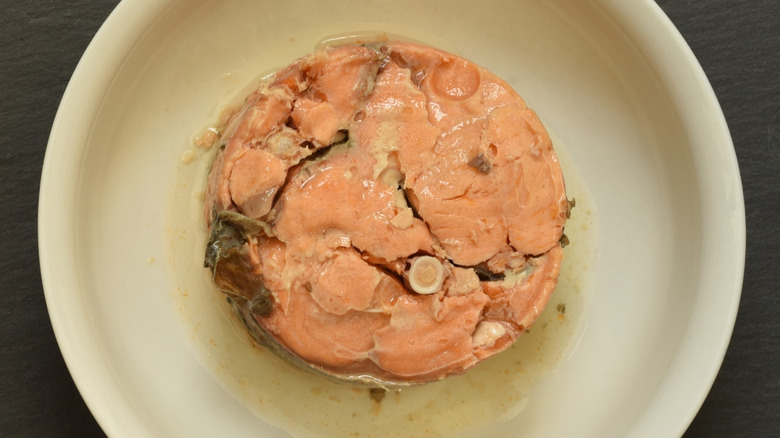
The bones found in some tinned fish varieties might not look particularly appealing, but discarding them isn't essential. This step isn't just unnecessary, it might actually mean losing out on texture and nutrients. Open up a tin of sardines, mackerel, or anchovies, and you'll likely find some small bones. Unlike in fresh fish, where the bones can be unpleasantly hard and dangerously sharp, tinned fish contains softened pieces that are perfectly safe to eat. This more palatable texture is a result of the high-heat cooking the fish undergoes during the canning process.
As well as making your prep process easier, skipping the bone removal also comes with plenty of nutritional benefits. Those tiny morsels are an excellent source of calcium, phosphorus, and vitamin D, which help to keep our bones and teeth healthy. They also contain magnesium and zinc, two minerals that support muscle function, immune health, and overall well-being. So, keeping the bones in is an easy way to enhance the health benefits of your meal.
7. Rinsing the fish
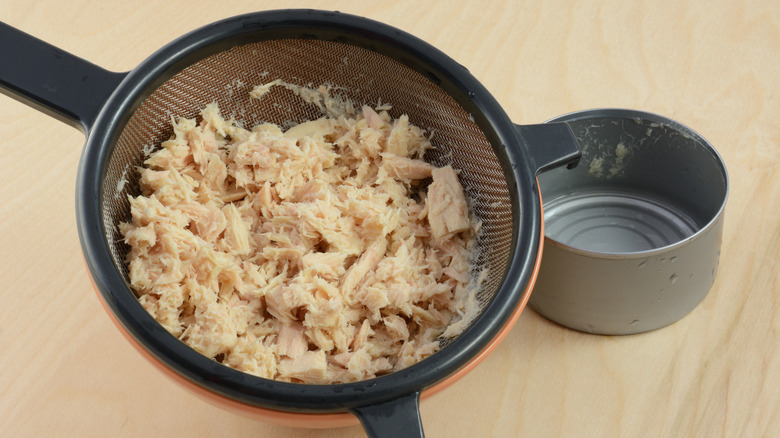
Rinsing tinned fish before adding it to a recipe is a habit for many cooks, but this is a big mistake. We're assuming the rationale behind this step is that it makes things healthier, by removing excess oil and salt, but really, you're just stripping away precious flavor. The oils or brine that tinned fish are packed in aren't just for preservation. They also help to infuse the fish with richness and savory depth, that can improve the texture and taste of your dishes. Plus, if your fish is packed in olive oil, you'll be getting a boost of healthy fats and antioxidants.
If you do feel the need to reduce saltiness when using brine-packed fish, just drain off the liquid thoroughly and reduce the amount of seasoning in the dish overall. Alternatively, opt for fish packed in spring water rather than brine, which will come with a slightly lower sodium content. With oil-packed fish, you can easily control how much of the flavorful canning liquid you want to retain. Reserve some to use during the cooking process, or drain it off completely to keep things lighter (you can always store it in the fridge for later). Either way, there's never any need for rinsing the fish under the tap.
8. Reaching for the same handful of varieties
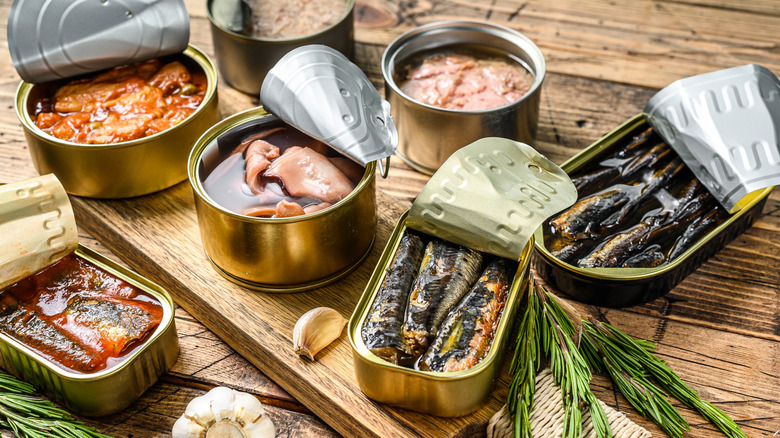
There's nothing wrong with reaching for familiar favorites, but it's always good to branch out and experiment with new varieties of tinned fish. After all, there's a whole world of options to explore. Tuna, salmon, or sardines might be your go-to, but trying alternative types of fish can introduce you to new flavors, textures, and culinary possibilities that you otherwise wouldn't have considered.
Tinned fish comes in many forms, and each variety has its own applications in the kitchen. Anchovies are amazing for giving recipes a bold hit of umami, fitting seamlessly into an array of dishes from pizza and pasta to soups and creamy dips. Mackerel is another totally underrated option, offering a moreish meaty texture and slightly richer flavor than tuna, without the fishy intensity of sardines. Try adding this to rice bowls or tacos, or mashing it with mayo and using it to top a fluffy baked potato.
Herring and sprats are top picks, too. These are just as ideal for topping toast or crackers as sardines. You could even try coating them in flour and deep-frying them for a gloriously crisp finish. They'd taste wonderful dunked into a creamy tartar sauce. And, stepping outside of the fish realm, there are countless other canned seafood options to consider, with scallops, mussels, shrimp, and crab all coming in convenient shelf-stable form.
9. Not considering mercury content
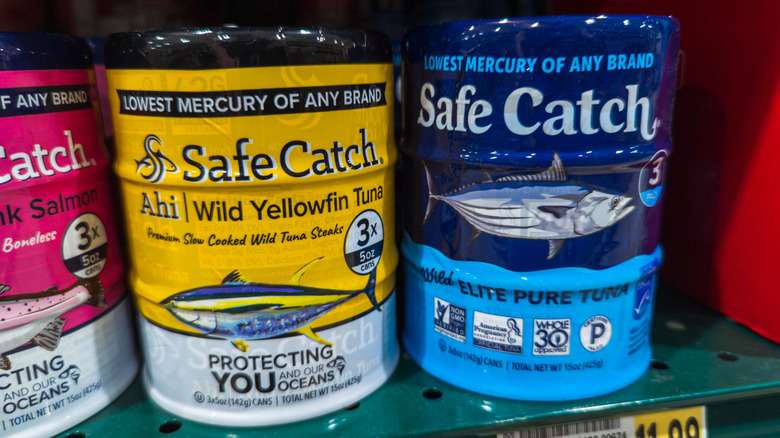
As nutritious, delicious, and convenient as canned fish may be, it's important to be mindful of mercury levels, especially if you consume it frequently. Mercury is a naturally occurring heavy metal found in varying amounts in different types of fish. Occasional consumption is generally safe for most adults, but regular intake of high-mercury fish can pose health risks over time, particularly for pregnant women and young children.
Larger fish species, such as tuna and king mackerel, tend to contain higher levels of mercury than smaller varieties like sardines, anchovies, and salmon. There is however a significant variation between tuna types, with albacore typically much higher in mercury than skipjack tuna. You'll even find differences between brands. Many products, such as Safe Catch tuna, are marketed as containing notably low levels, so it's always a good idea to check the labels. By choosing low-mercury options, or limiting your consumption of high-mercury varieties, you can still make tinned fish a regular feature in your diet. This way, you'll reap the benefits of the omega-3 fatty acids, vitamins, and minerals, without risking mercury overdose.
10. Always selecting water-packed tuna
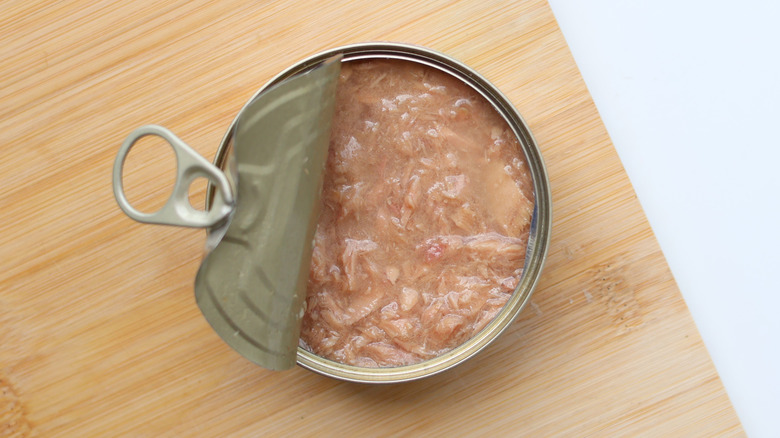
If water-packed tuna is a staple in your pantry, it's probably time to switch things up. This variety might be lower in calories, but it's also missing some of the flavor and nutritional benefits than oil-packed versions can provide.
Select tuna packed in oil, and your dish will be brimming with richness, both taste- and texture-wise. Often, we're quick to mix water-packed tuna with mayonnaise, deeming it too dry to serve alone. But, oil-packed varieties already come with an irresistibly moist, silky texture. The oil also gives the fish a more pronounced, satisfying flavor, infusing every flake with an extra layer of depth. And, if you've chosen fish packed in olive oil, you'll also benefit from a welcomed dose of heart-healthy fats.
Tossed into salads, sandwiches, or pasta, oil-packed tuna is sure to make things feel a little more luxurious. Water-packed tuna does of course have its place, though it's best reserved for dishes that will get their richness elsewhere, perhaps from a creamy sauce or dressing.